You’ve found a reputable breeder, you’re off the waitlist, and a litter is finally on the ground. Now comes the question that actually keeps people up at night: out of six or eight equally adorable puppies, how do you know which one is yours?
Picking a Sheepadoodle puppy isn’t about finding the “best” puppy in the litter — it’s about finding the puppy whose personality fits the life you’re bringing them into. Here’s how breeders actually think about it, and what you can realistically observe yourself.
Why Puppies in the Same Litter Have Different Personalities
Even full littermates, raised in the exact same home, come out different. Some of that is genetics from each parent, and some is simply birth order and individual temperament that shows up almost from day one.
Our guide to general Sheepadoodle temperament covers the breed as a whole, but it can’t tell you which specific puppy is the bold one or the one who’d rather nap on your feet. That’s an individual-puppy question, only answerable once a litter exists.
What a Breeder’s Observations Are Actually Worth
A responsible breeder spends far more time with a litter than any buyer ever will. By seven to eight weeks old, we’ve watched them daily: who wakes up first at feeding time, who wanders off to explore alone, who recovers fastest from a startle.
That daily observation is more predictive than a single 20-minute visit, simply because of volume. The American Kennel Club makes a similar point: years of watching litters develop gives breeders a trained eye that’s hard to replicate in one visit. Tell your breeder honestly what your household looks like — young kids, a quiet home, another dog already there — and they can usually narrow the field to one or two puppies who fit.
Simple Temperament Observations You Can Do at a Visit
You don’t need formal training to pick up on meaningful signals during a puppy visit. Breeders often use structured approaches loosely based on classic puppy aptitude testing, first popularized by trainers Jack and Wendy Volhard. The table below covers what translates best to an ordinary visit, not a lab setting.
| Observation | How it’s done | What it may suggest |
|---|---|---|
| Gentle restraint | Hold the puppy calmly against your body for 20-30 seconds | Settles quickly = adaptable; struggles hard the whole time = more independent, may need firmer structure |
| Sudden sound | A light clap or dropped object a few feet away | Startles, then recovers and investigates = confident; startles and stays rattled = may need a calmer household |
| Play and retrieve drive | Toss a soft toy a short distance | Chases and brings it back or nearby = higher engagement, often easier to train with food/toy rewards |
| Approach vs. avoidance of a stranger | A new person crouches and waits, without calling the puppy | Approaches readily = outgoing; hangs back but eventually comes = normal caution; won’t approach at all = needs a patient, low-pressure home |
| Recovery after mild separation | Puppy briefly out of sight/sound of littermates | Whines briefly then explores = resilient; prolonged distress = may need extra socialization support early on |
None of these are pass/fail tests, and no single observation should decide anything on its own. Puppies are also inconsistent hour to hour, so patterns across a visit (or your breeder’s notes from several days) matter more than any one reaction.
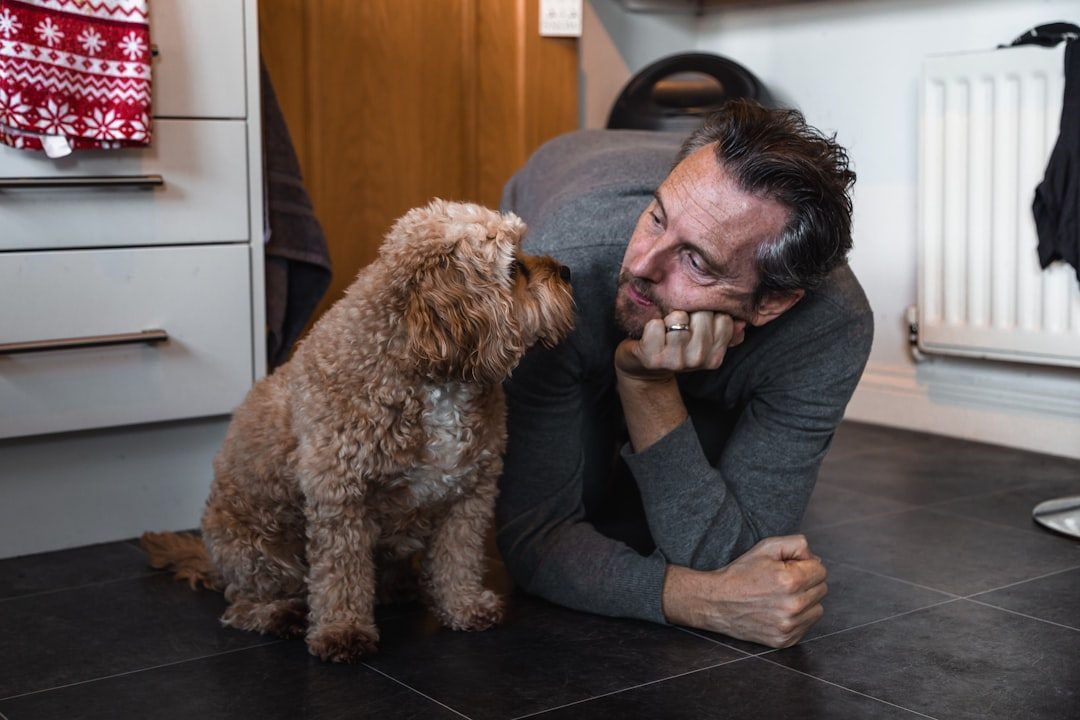
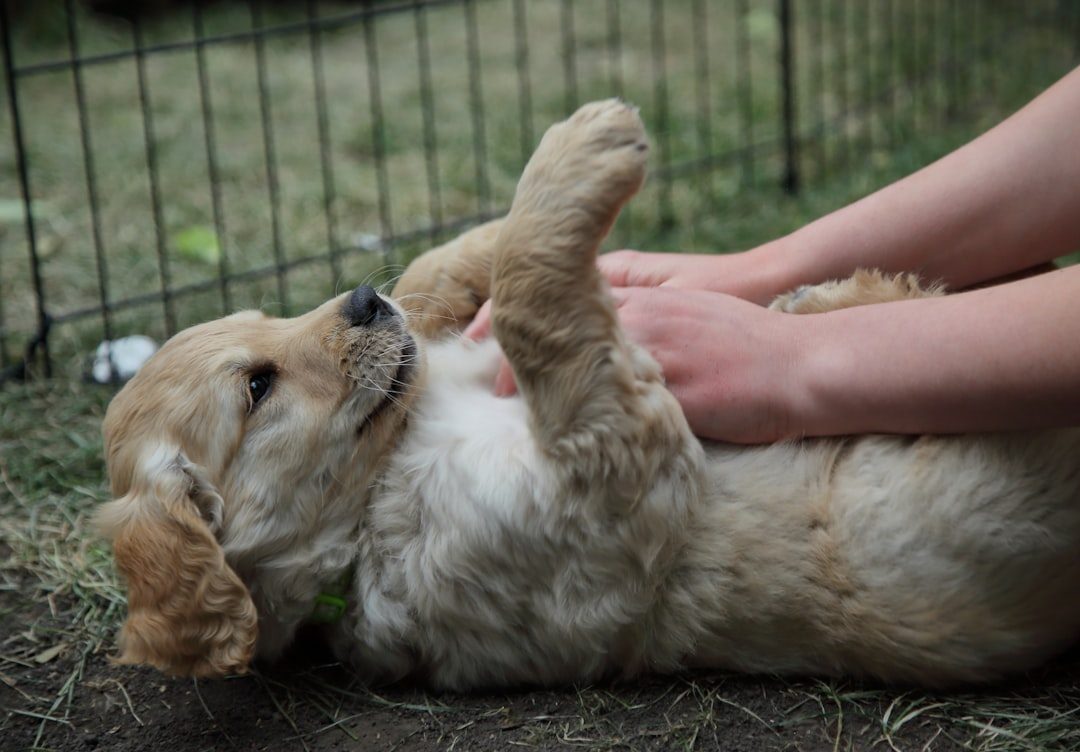
A calm, hands-on visit tells you far more than watching puppies from across the room.
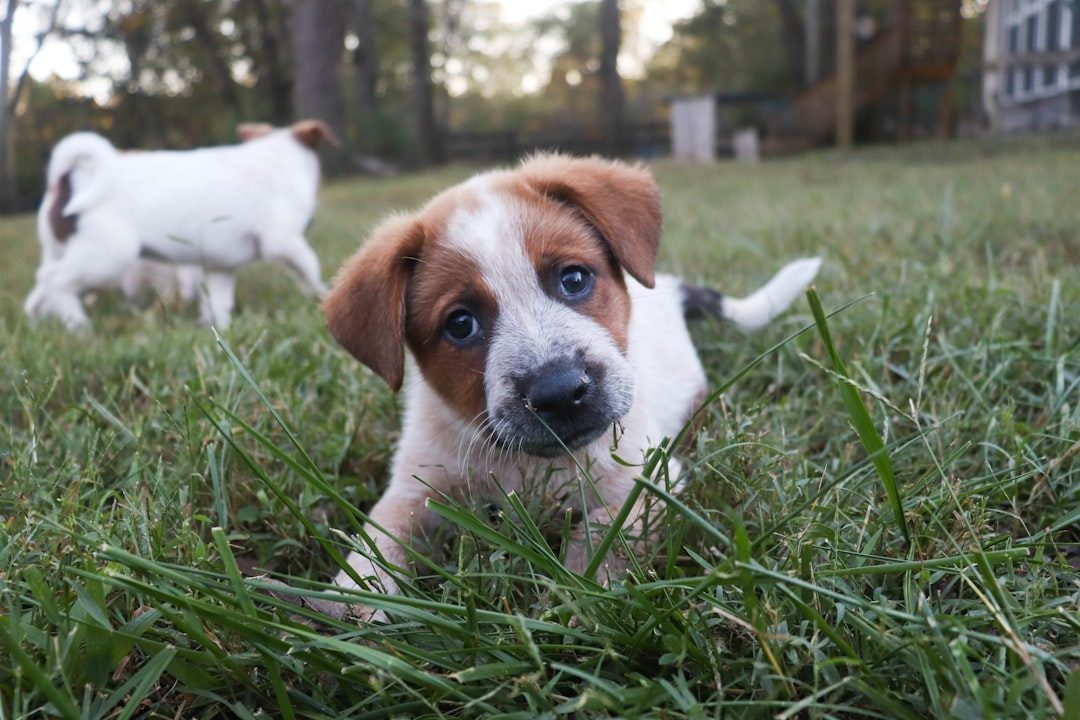
Watching how a puppy recovers from a mild startle, not whether it startles at all, is the useful signal.
Matching Puppy Personality to Your Household
Once you have a sense of where a puppy falls on the bold-to-cautious spectrum, the real work is matching that to your actual daily life, not the life you imagine having someday.
A bold, high-drive puppy tends to fit best with
- Active families who want a hiking, running, or dog-sport companion
- Homes with older kids who can play confidently without being knocked over
- Owners with prior dog experience who enjoy training and don’t mind a puppy that tests boundaries
- Multi-dog households where another confident dog can help set the pace
A calmer, easygoing puppy tends to fit best with
- First-time dog owners who want a gentler learning curve
- Households with toddlers, seniors, or anyone who prefers a lower-key routine
- Apartment or smaller-space living where nonstop energy is harder to manage
- Owners who work from home and want a dog content to settle nearby for long stretches
There’s no wrong answer as long as you’re honest about which category actually describes your household. A bold puppy in a quiet home can become anxious or pushy; a very soft puppy in a chaotic household can become fearful.
Common Mistakes When Picking a Puppy
A few patterns come up over and over with new buyers, and they’re worth naming directly:
- Picking the puppy who “picked you.” A puppy that rushes over first is often just the boldest one that morning, not necessarily the best match.
- Choosing based on color alone. Coat color has no bearing on temperament.
- Judging a puppy in the first five minutes. A puppy who seems shy at first is often just slower to warm up to a new room, not permanently timid.
- Ignoring the breeder’s input because you’ve already fallen for a specific puppy. If they flag a concern, weigh it against your daily routine.
Confident, independent exploration is a different trait than sociability toward people.
What to Expect During a Puppy-Selection Visit
At Sunshine Sheepadoodles, we don’t hand you a litter and walk away. Once it’s your turn in the pickup order, we’ll walk you through what we’ve observed in each available puppy and let you spend real time with the closest matches before you decide.
If you haven’t yet gone through our reservation process, our guide to reserving a Sheepadoodle puppy walks through deposits, pickup order, and paperwork. And if you’re still evaluating breeders rather than litters, our guide to choosing a reputable Sheepadoodle breeder covers what to look for first.

A good breeder walks you through what they’ve observed in each puppy before you decide.
| Question | Why it matters |
|---|---|
| Which puppy has been the most food/toy motivated? | Higher motivation usually means easier training with positive reinforcement |
| Which puppy startles easiest, and how fast do they recover? | Slow recovery may mean a puppy needs a quieter home and more gradual socialization |
| Has any puppy shown resource guarding around food or toys? | Worth knowing early, regardless of which puppy you choose, so you can start management right away |
| Which puppy seeks out people vs. plays independently? | People-oriented puppies often adjust faster to a new home; independent puppies may need more patience |
Have Questions About an Available Litter?
We’re happy to walk you through what we’ve observed in each puppy so you can choose with confidence.
Contact Sunshine SheepadoodlesFrequently Asked Questions
Can you really tell a puppy’s adult temperament at 7-8 weeks old?
You can get a reasonable, though not perfect, sense of general tendencies like boldness and sociability. Personality keeps developing past 8 weeks, so early observations are a helpful guide, not a guarantee.
What if two puppies in the litter seem like an equally good fit?
This happens often. At that point it usually comes down to smaller preferences like coat color, sex, or which puppy you connected with most, since either would likely do well in your home.
Should I choose the puppy that comes running up to me first?
Not automatically. The puppy who approaches first is often simply the most outgoing puppy at that particular moment, which is a fine trait for an active household but not necessarily what a first-time or lower-key household needs. Watch how a few different puppies behave rather than defaulting to whichever one greets you fastest.
Is it better to let the breeder choose my puppy for me?
Many breeders offer this as an option, and it can work well since the breeder has spent weeks observing daily patterns you can’t see in a single visit. At Sunshine Sheepadoodles we prefer a collaborative approach: we’ll share our honest observations on each available puppy, then you make the final call.
Does birth order or litter size affect which puppy I should pick?
Not in a fixed way. Litter position can influence early behavior, but it’s not a reliable predictor on its own. Focus on the individual observations, such as sound sensitivity, recovery from startles, and play drive, rather than assumptions based on birth order.
What should I do once I’ve picked my puppy?
Start planning for the transition home. Our Sheepadoodle puppy socialization checklist is a useful next step for structuring your puppy’s first weeks once they’re actually home with you.
Choosing between puppies in a healthy, well-raised litter is rarely about finding a flaw to rule one out — it’s about matching genuine personality differences to the household you actually have. For a broader look at what to expect from the breed once your puppy is grown, see our Sheepadoodle temperament guide, or browse our available puppies to see who’s currently ready for their forever home.