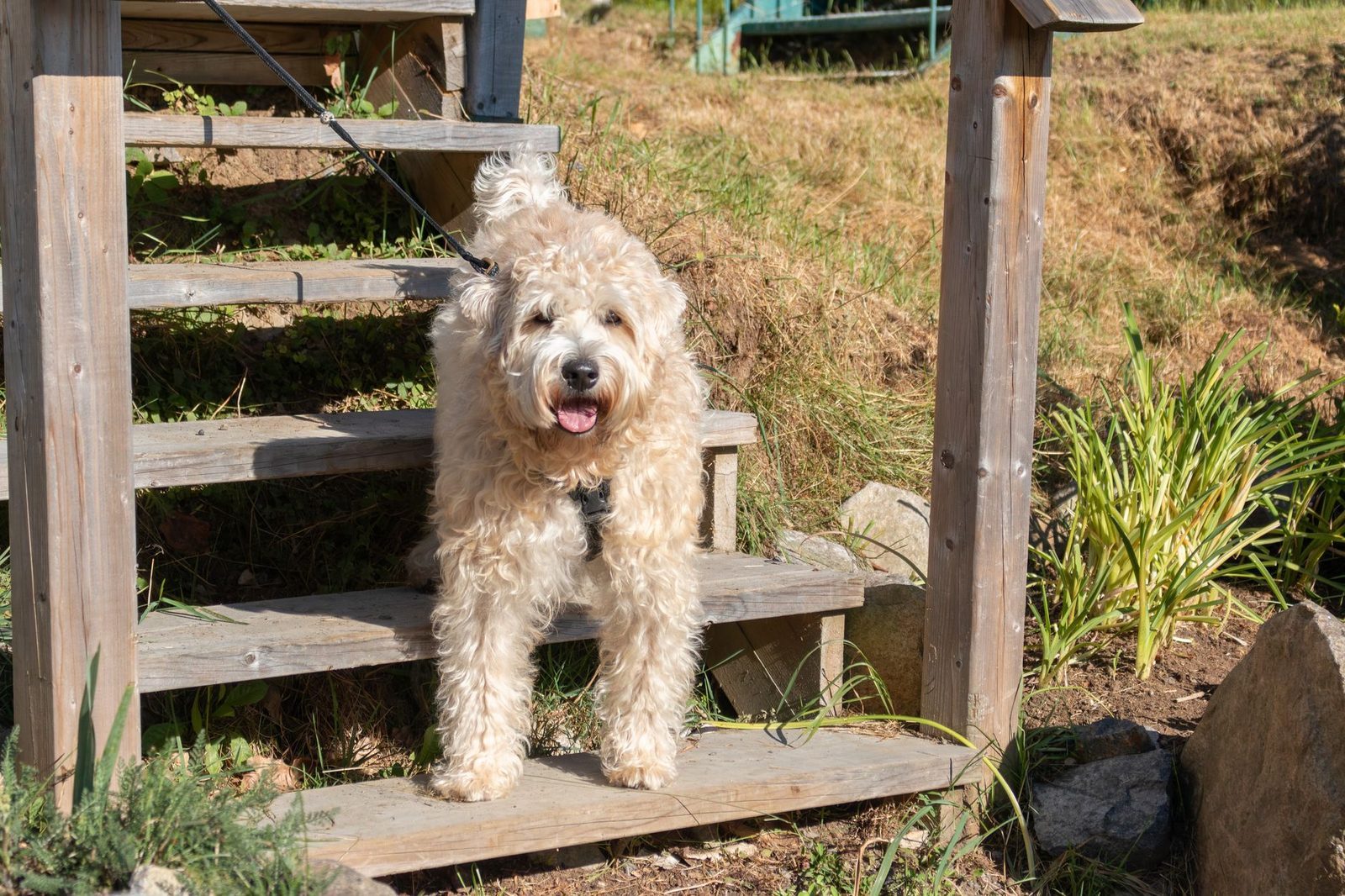
Sheepadoodles combine an Old English Sheepdog’s herding curiosity with a Poodle’s problem-solving brain, and that mix produces a dog that notices weak spots in a fence a lot faster than most breeds do. They’re rarely aggressive escape artists, but they are persistent, food-motivated, and smart enough to test a gate latch more than once. Before you bring a puppy home, it’s worth thinking through your yard the way your future dog will: where’s the gap, where’s the shade to dig in, and what’s on the other side worth investigating.
Why Sheepadoodles Test Fences
Most escape attempts trace back to one of three things: boredom, a scent or moving animal on the other side, or a gap the dog has simply learned works. Herding-breed lineage means many Sheepadoodles track movement instinctively, so a squirrel, jogger, or neighbor’s dog can trigger a determined dig or jump that a less curious breed would ignore.
A well-exercised dog is far less likely to go looking for entertainment at the fence line. If your dog’s escape attempts seem tied to pent-up energy, our Sheepadoodle exercise and enrichment guide covers how much daily activity this breed actually needs by age and size. Escape attempts that happen specifically when you leave the house, rather than any time the dog is in the yard, can also point to separation-related distress rather than simple curiosity; our separation anxiety guide walks through how to tell the difference.
Fence Height and Type by Sheepadoodle Size
Because Sheepadoodles come in Mini, Medium, and Standard size lines with real differences in height and jumping reach, a one-size-fits-all fence recommendation doesn’t hold up well. Use your dog’s size line as a starting point, then add a margin for individual jumping ability, since some dogs clear fences well beyond what their shoulder height would suggest. For a refresher on exact size ranges, see our Sheepadoodle size guide.
| Size Line | Typical Height/Weight | Minimum Fence Height | Notes |
|---|---|---|---|
| Mini | 15–20 in, 25–45 lbs | 4 feet | Solid, gap-free panels; check for squeeze points near gates |
| Medium (Moyen) | 16–22 in, 35–55 lbs | 4–5 feet | Add a dig barrier along the base |
| Standard | 20–27 in, 55–85+ lbs | 5–6 feet | Athletic or herding-driven individuals may need 6 feet plus a coyote roller or inward-angled topper |
Solid privacy fencing (wood or vinyl panels) tends to work better than chain-link for this breed, since it blocks the view of triggers on the other side rather than just the path over the top. Chain-link also gives climbing dogs toe-holds that a flat panel doesn’t.
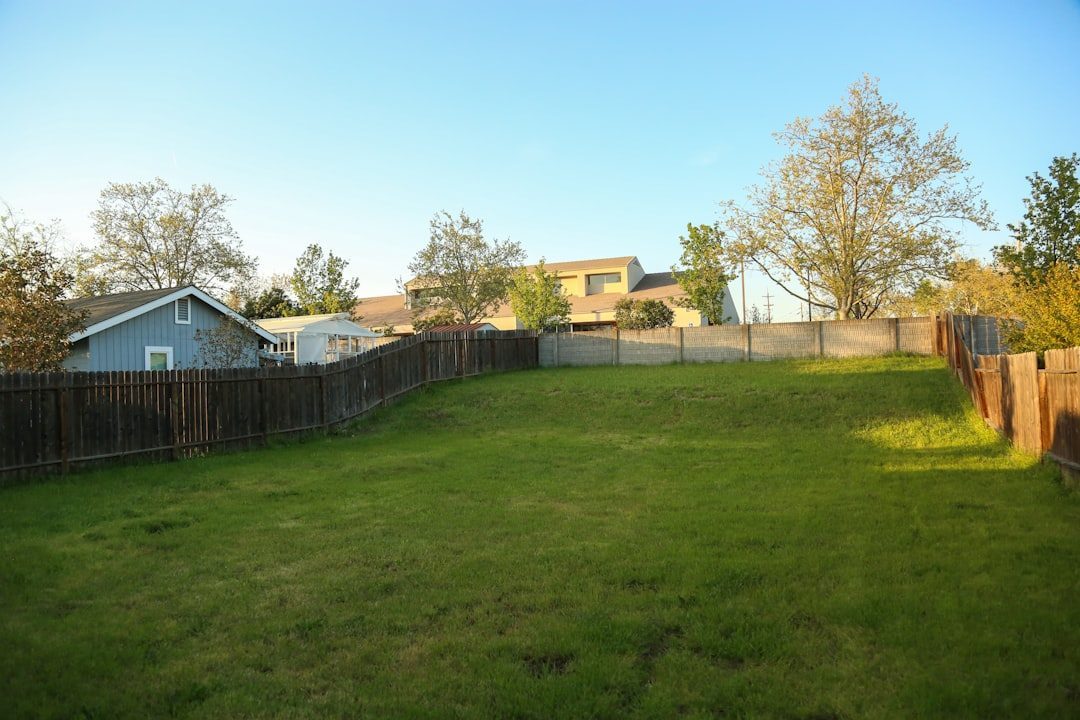
Solid privacy fencing blocks visual triggers, not just the path over the top.
Stopping Digging Under the Fence
Digging is usually about what’s on the other side, not the fence itself, so it pays to address both the behavior and the physical barrier. A dog that’s digging out of boredom needs more enrichment; a dog digging toward a specific spot is usually following a scent.
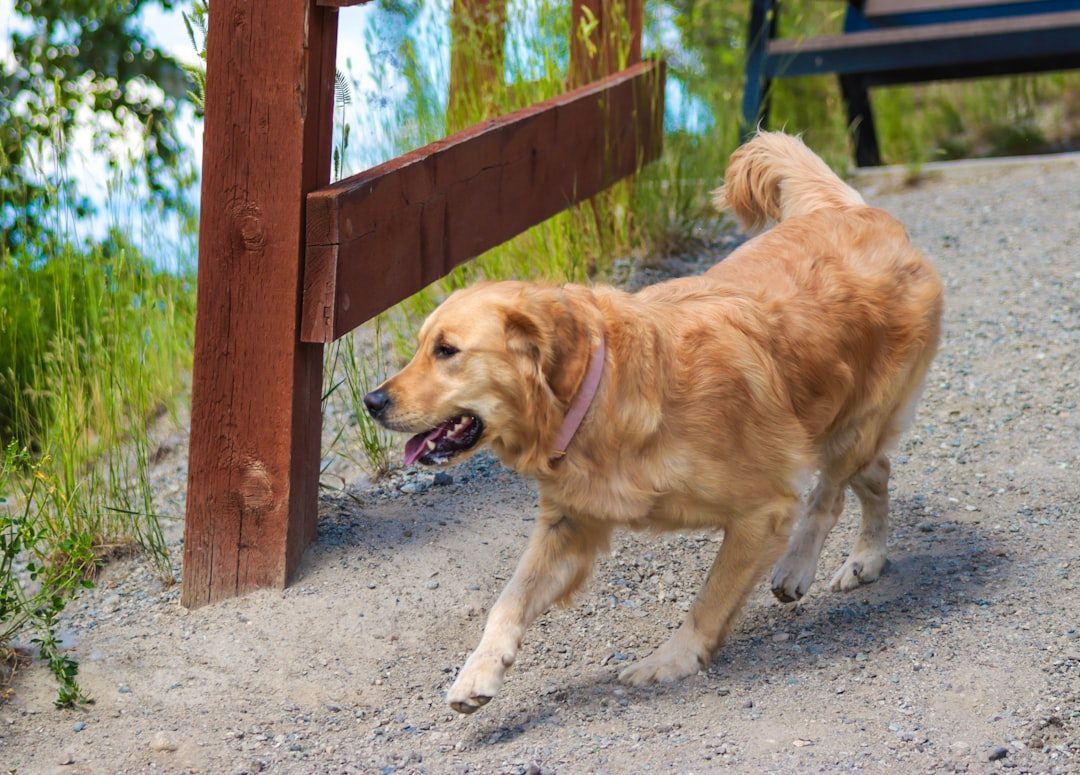
Digging along a fence line is usually driven by a scent or boredom, not the fence itself.
Effective Digging Deterrents
- L-footer wire or hardware cloth buried 6–12 inches deep, bent inward along the fence base
- A poured concrete or paver footer along known dig spots
- A designated digging pit filled with sand to redirect the instinct
- Rotating puzzle feeders or scent games during peak yard time
Signs a Dog Is Planning an Escape
- Repeated pacing or fixating along one section of fence
- Fresh dirt piles or a shallow trench forming at the base
- Standing on hind legs to look over, or testing gate latches with a nose or paw
- Barking that escalates when something passes on the other side
Preventing Jumping and Climbing
Standard Sheepadoodles in particular can clear a fence that looks tall enough on paper if there’s a woodpile, patio furniture, or AC unit nearby to launch from. Walk the perimeter and clear anything within a few feet of the fence line that could serve as a step-up point.
If height alone hasn’t solved a jumping problem, a coyote roller (a spinning bar along the top rail that prevents a paw from getting purchase) or an inward-angled extension can stop a dog from getting over even a fence they can technically reach the top of.
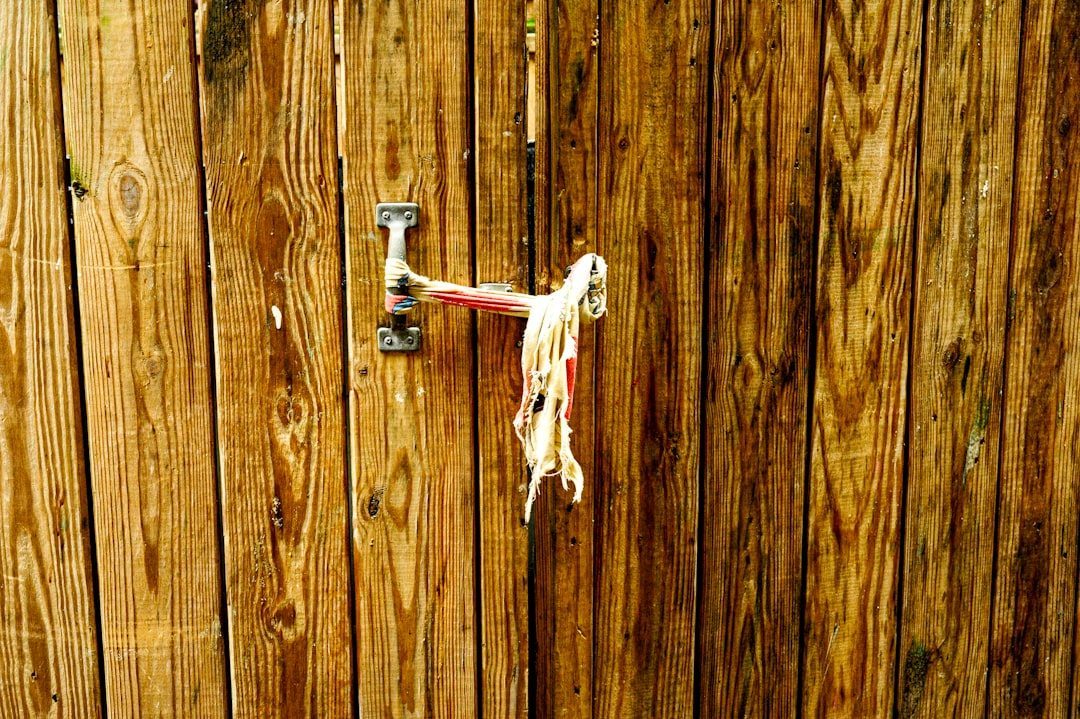
A carabiner or padlock on the latch adds a second layer a nose or paw can’t defeat.
Gate and Latch Security
Gates are the weakest point in most yards, not the fence panels themselves. A smart, food-motivated dog can learn to nudge a simple thumb-latch open with enough repetition.
- Use spring-loaded, self-closing latches rather than gravity latches
- Add a carabiner or small padlock as a backup on gates dogs can reach
- Consider a double-gate “airlock” entry if your yard opens directly to a street or unfenced area
- Check hinges and latch alignment seasonally, since wood swells and settles
If Your Dog Gets Loose
Even a well-managed yard can fail, so containment and identification should work together, not as a substitute for each other. A microchip is the backup that survives a lost collar: dogs with a registered microchip are reunited with their owners at roughly 52% versus about 22% for dogs without one, according to research cited by the American Veterinary Medical Association. A visible ID tag is still the fastest first line of defense, since anyone who finds your dog can read it without a scanner.
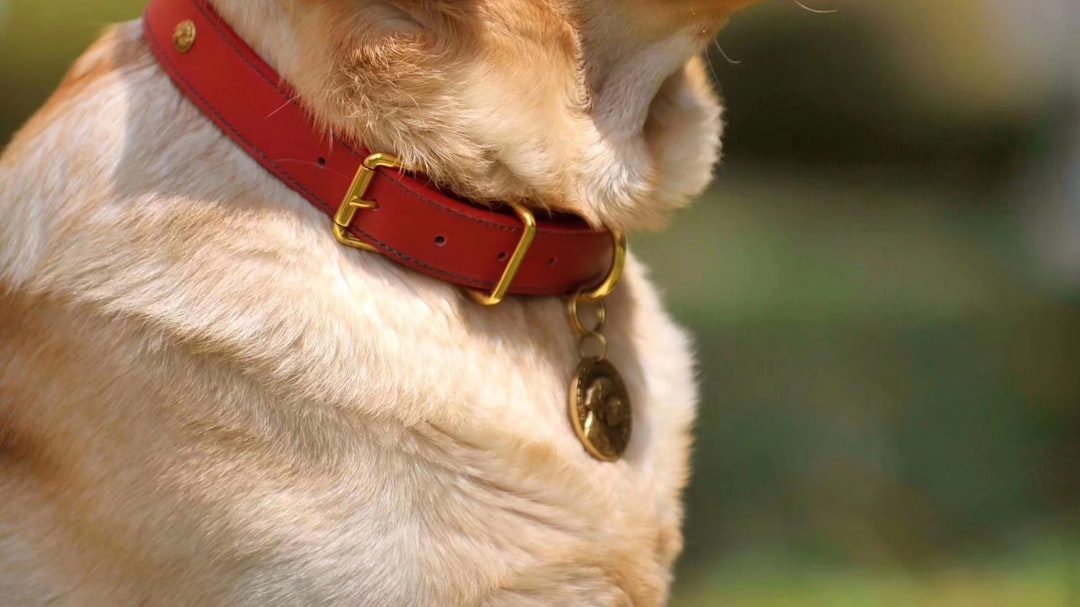
A legible ID tag is the fastest way for a finder to reach you, no scanner required.
Do This Before an Escape Happens
- Microchip your puppy and keep the registration contact info current
- Put a legible ID tag with your phone number on every collar, including backup collars
- Take a current photo every few months in case you need to make a lost-dog flyer
- Share your fence layout and gate locations with a pet sitter or neighbor
Avoid These Mistakes
- Assuming a microchip alone is enough without registering or updating it
- Leaving a collar off at home “just in case it snags”
- Chasing a loose dog, which often turns escape into a game
- Waiting to search because “they always come back”
For more detail on how microchips work and why registration matters, the American Kennel Club has a helpful guide to dog microchipping, and their yard escape-prevention tips cover general fence modifications in more depth.
Planning Your Yard Before Puppy Day?
We’re happy to talk through containment and yard setup as part of getting ready for your Sheepadoodle puppy.
Contact Sunshine SheepadoodlesFrequently Asked Questions
How high does a fence need to be for a Standard Sheepadoodle?
Plan on at least 5 to 6 feet for a Standard Sheepadoodle, with a coyote roller or inward-angled topper added if your dog is an especially athletic jumper.
Do Sheepadoodles dig a lot?
Not typically as a breed trait, but an under-exercised or bored Sheepadoodle can dig persistently, especially along a fence line where scents from outside the yard collect.
Is invisible or electric fencing a good option for this breed?
Electronic containment can work for some dogs but doesn’t stop other animals or people from entering, and a highly motivated or prey-driven Sheepadoodle may push through the correction anyway. A physical fence is the more reliable option.
Why does my Sheepadoodle only try to escape when I leave the house?
Escape attempts that happen specifically around departures often point to separation-related stress rather than boredom or curiosity. Our separation anxiety guide covers how to tell the difference and what to do about it.
Should I microchip my Sheepadoodle puppy even if I have a secure fence?
Yes. No fence is escape-proof forever, and a registered microchip plus a legible ID tag are what get a loose dog back quickly if a gate is left open or a fence fails.
What’s the weakest point in most backyard fences?
Gates. A simple gravity latch is easy for a smart dog to nudge open over time, so spring-loaded latches and a backup carabiner or lock are worth adding.
A secure yard is one piece of a bigger training picture. For help building reliable recall and boundary manners from puppyhood on, see our Sheepadoodle puppy training guide. Once your yard is secure, work through our indoor puppy-proofing checklist to get the inside of your home ready too.