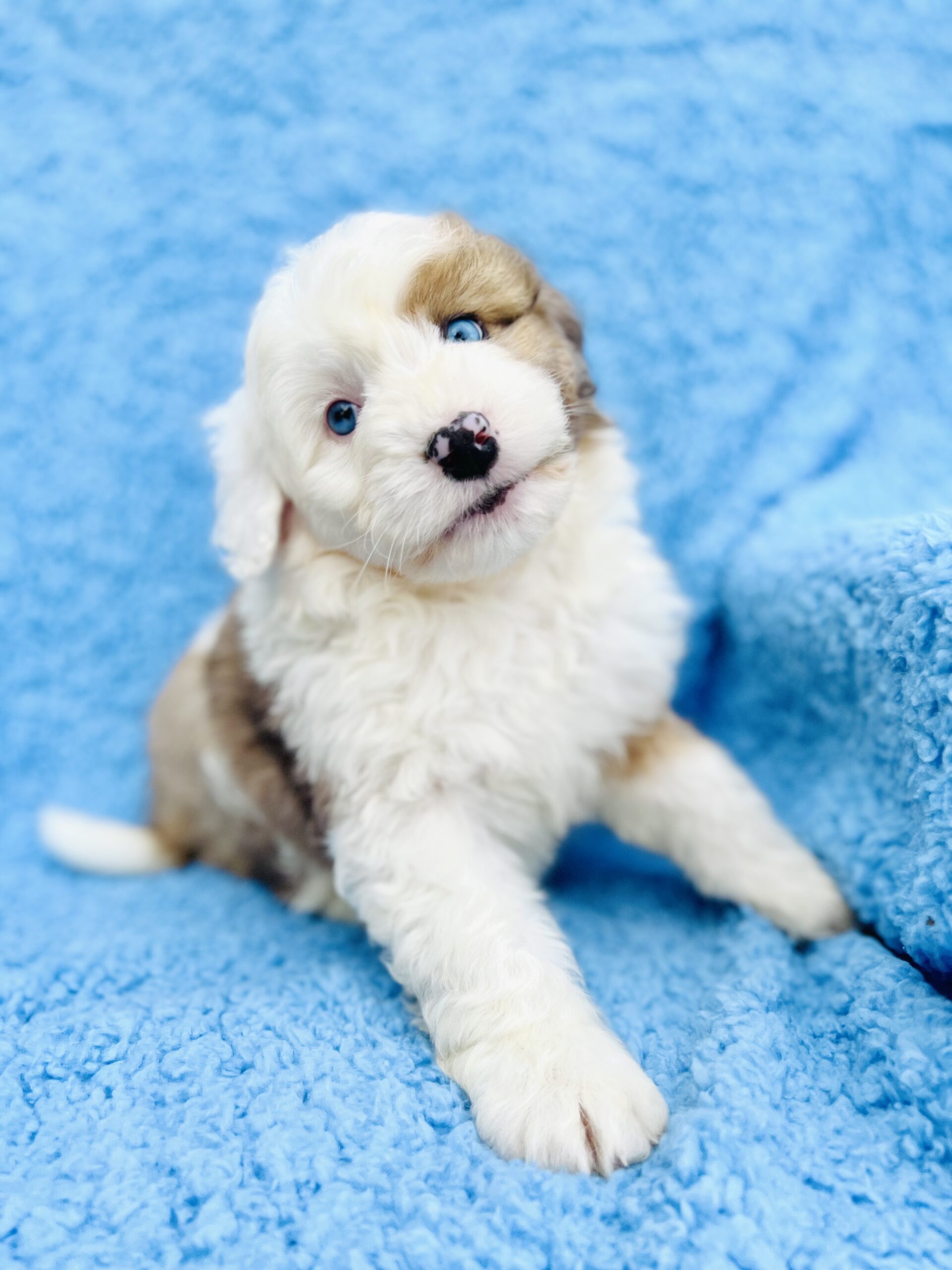
If allergies are part of your decision-making process, “hypoallergenic” is probably the first word you searched. It’s also one of the most misunderstood words in the dog world. Here’s an honest breakdown of what actually makes a Sheepadoodle allergy-friendlier than some breeds — and what it can’t promise.
Is Any Dog Truly Hypoallergenic?
No. According to the American College of Allergy, Asthma and Immunology, there is no such thing as a completely non-allergenic dog breed. People react to proteins found in a dog’s dander, saliva, and urine — not just loose hair — so even a dog that barely sheds can still trigger a reaction in a sensitive person.
What “hypoallergenic” really means in practice is lower-shedding, which reduces how much dander gets carried around on loose fur and distributed through your home. That’s a meaningful difference for a lot of allergy sufferers, just not an absolute guarantee.
Why Sheepadoodles Are Considered Allergy-Friendlier
A Sheepadoodle is a cross between an Old English Sheepdog and a Poodle. The Old English Sheepdog side sheds normally, like most double-coated breeds. The Poodle side is where the low-shedding, curlier coat comes from.
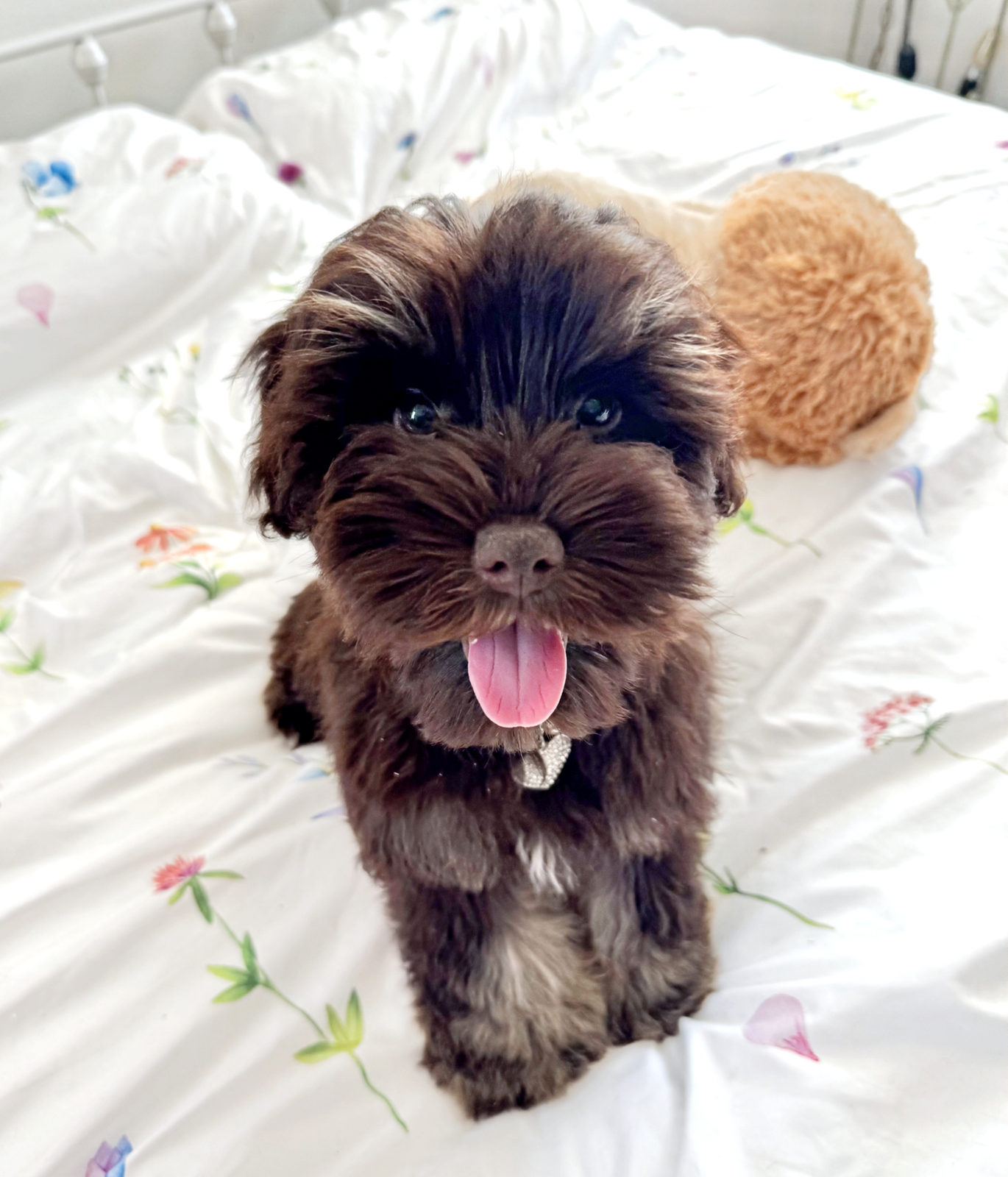
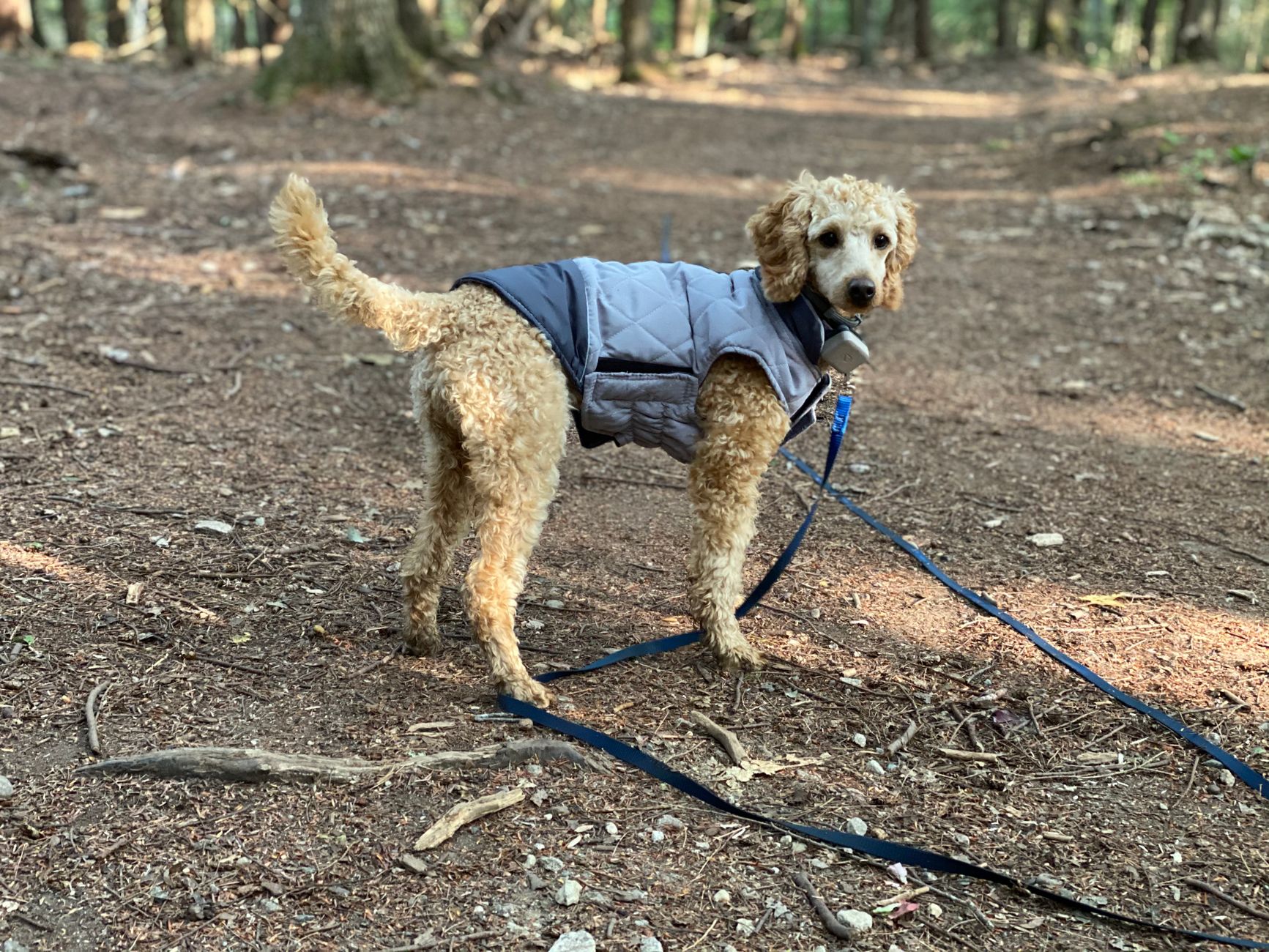
The Poodle side of a Sheepadoodle’s ancestry is what drives its lower-shedding coat.
How much of that Poodle coat a given puppy inherits depends on genetics — and that’s where “generation” comes in. According to VCA Animal Hospitals, breeds marketed as hypoallergenic tend to produce less airborne dander simply because they shed less hair to carry it — not because the dander itself is different.
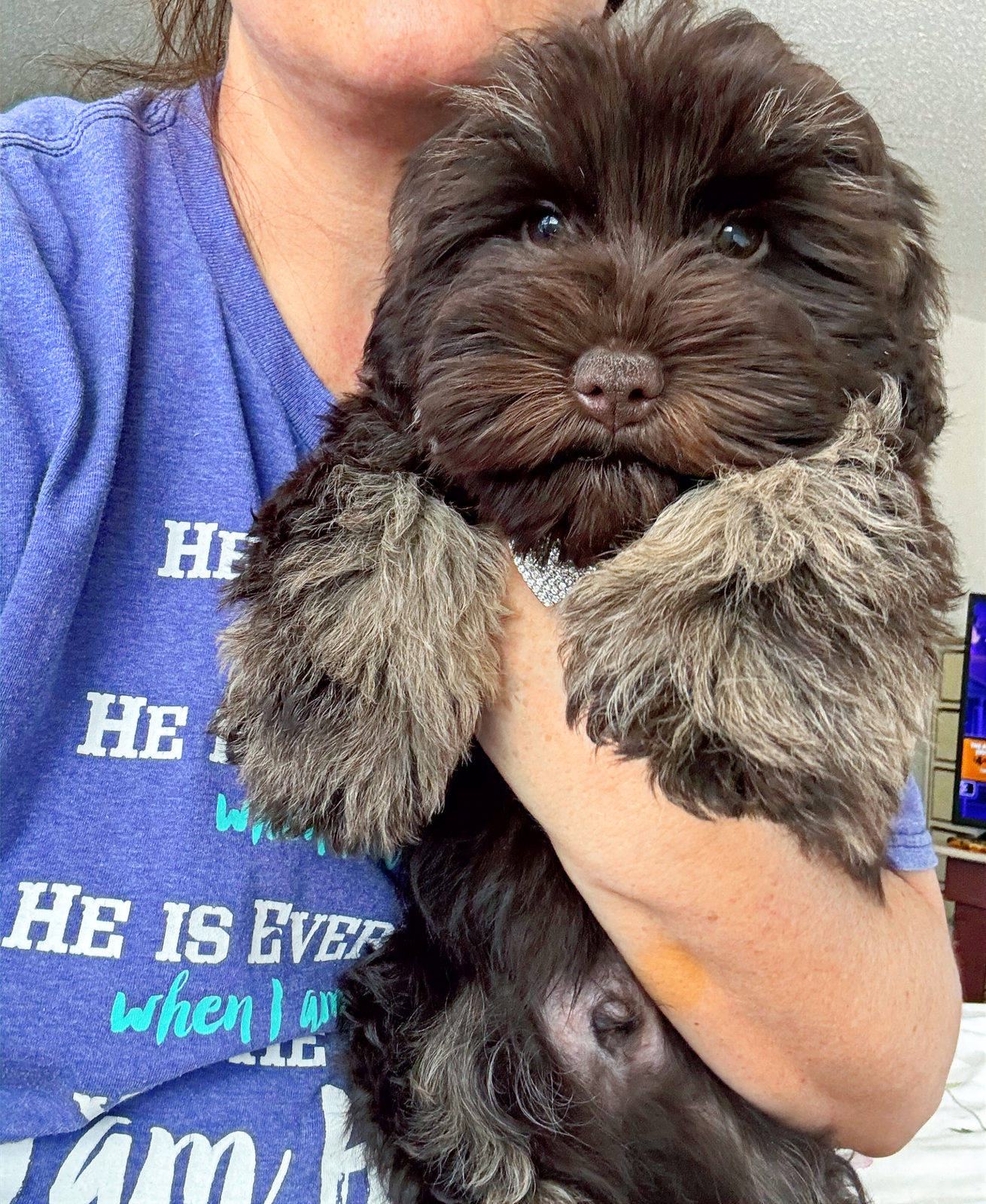
Coat curl and texture — more than color or size — is what determines how much a Sheepadoodle sheds.
F1 vs. F1B Sheepadoodles: Which Sheds Less?
An F1 Sheepadoodle is a first-generation cross — roughly half Old English Sheepdog, half Poodle. An F1B Sheepadoodle is an F1 bred back to a Poodle, making it about 75% Poodle. That extra Poodle percentage is the difference that matters most for allergy sufferers.
| Generation | Approx. Poodle % | Typical Coat | Shedding Level | Best For |
|---|---|---|---|---|
| F1 | ~50% | Wavy to flat, varies by litter | Low to moderate | Mild allergy sufferers |
| F1B | ~75% | Wavy to curly, more consistent | Very low | Moderate to severe allergy sufferers |
| F1BB | ~87.5% | Curly, Poodle-like | Minimal | Severe allergy sufferers |
| Multigen | Varies, often bred for consistency | Curly, stabilized across litters | Low to minimal | Buyers wanting predictable coat outcomes |
Within a single F1 litter, coat type can actually vary quite a bit — some puppies come out wavier, some flatter, some curlier — because that generation carries the widest genetic mix. F1B and later generations tend to be more consistent since they lean more heavily toward the Poodle side.
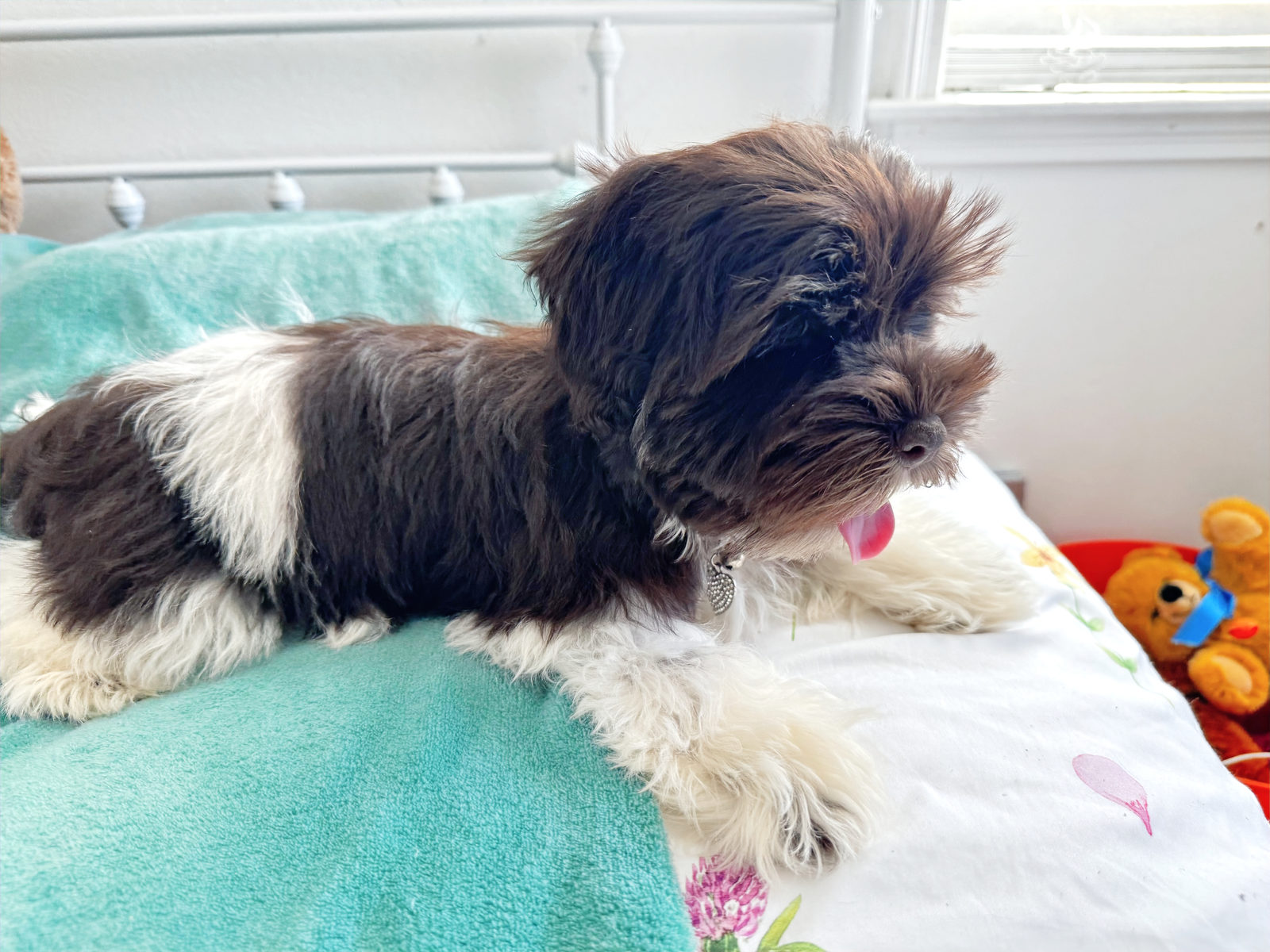
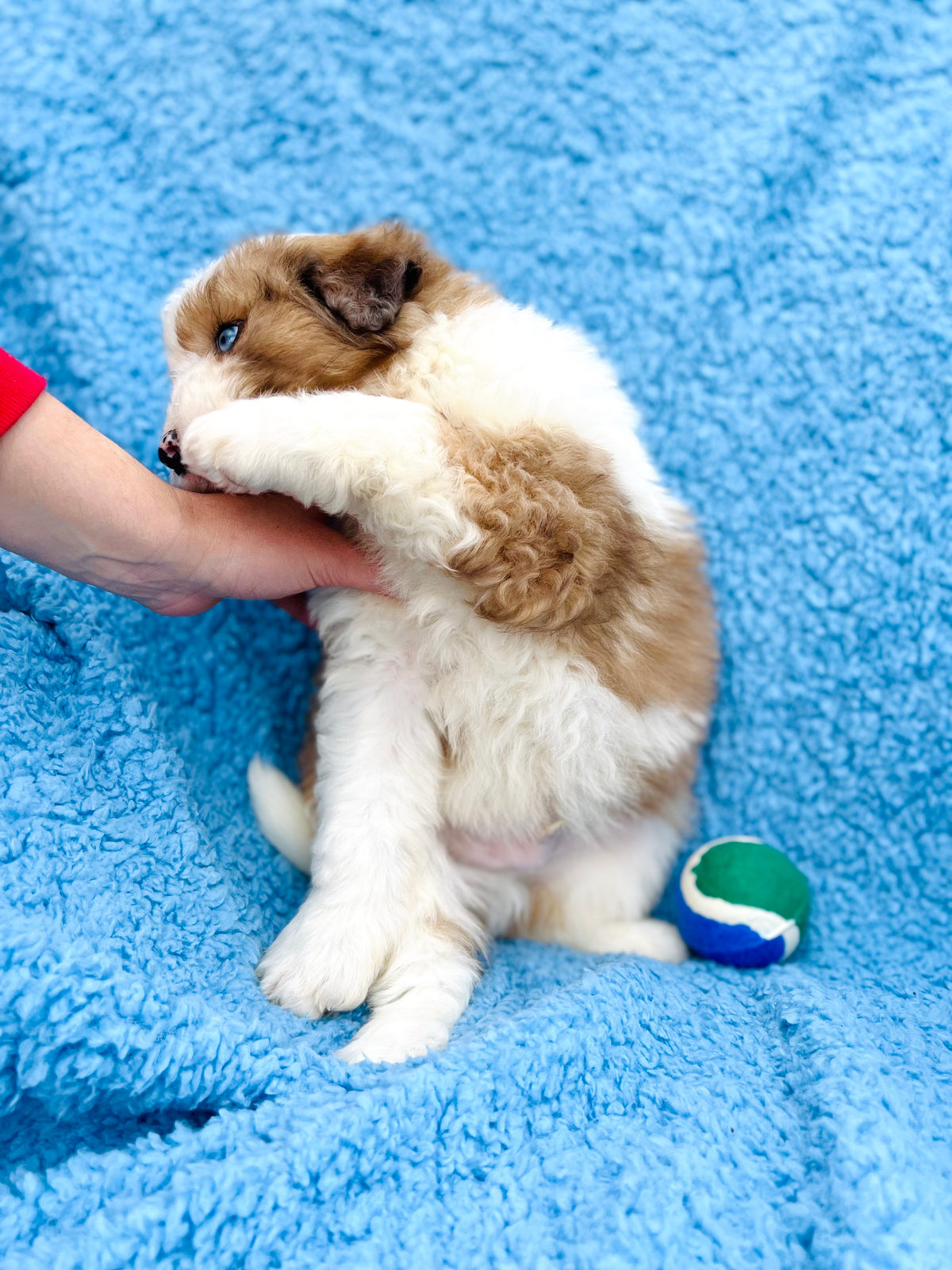
F1B and multigenerational Sheepadoodles carry a higher percentage of Poodle genetics, generally meaning less shedding.
Coat Type Matters More Than Labels Alone
Don’t rely on the F1/F1B label by itself. Two puppies from the same litter can still have noticeably different coats. If allergies are a serious concern, ask your breeder:
- What coat type did this specific puppy’s parents produce in past litters?
- Can you spend time with an adult dog from a similar pairing before committing?
- How often will this coat type need professional grooming?
As a general rule, curlier, denser coats shed less but require more frequent brushing and professional grooming (every 4–6 weeks) to prevent matting. Looser, wavier coats shed a bit more but are typically lower-maintenance day to day.
Living with a Sheepadoodle If You Have Allergies
Whether your Sheepadoodle is F1 or F1B, a few habits make a real difference in allergen exposure at home:
Helps Reduce Allergens
- Brushing 2–3x per week (outdoors if possible)
- Bathing on a regular schedule your groomer recommends
- HEPA air purifiers in bedrooms
- Keeping the dog off upholstered furniture and out of the bedroom
- Washing hands after petting, before touching your face
Can Make Allergies Worse
- Skipping regular grooming appointments
- Carpeted floors that trap dander
- Letting the coat mat (traps more dander and debris)
- Infrequent vacuuming/laundering of dog bedding
If you’re in Texas, it’s worth noting that cedar fever and ragweed season can compound pet-related symptoms in late winter and fall. If you already deal with seasonal allergies here, talk to your doctor about how pet dander exposure might layer on top before bringing a puppy home.
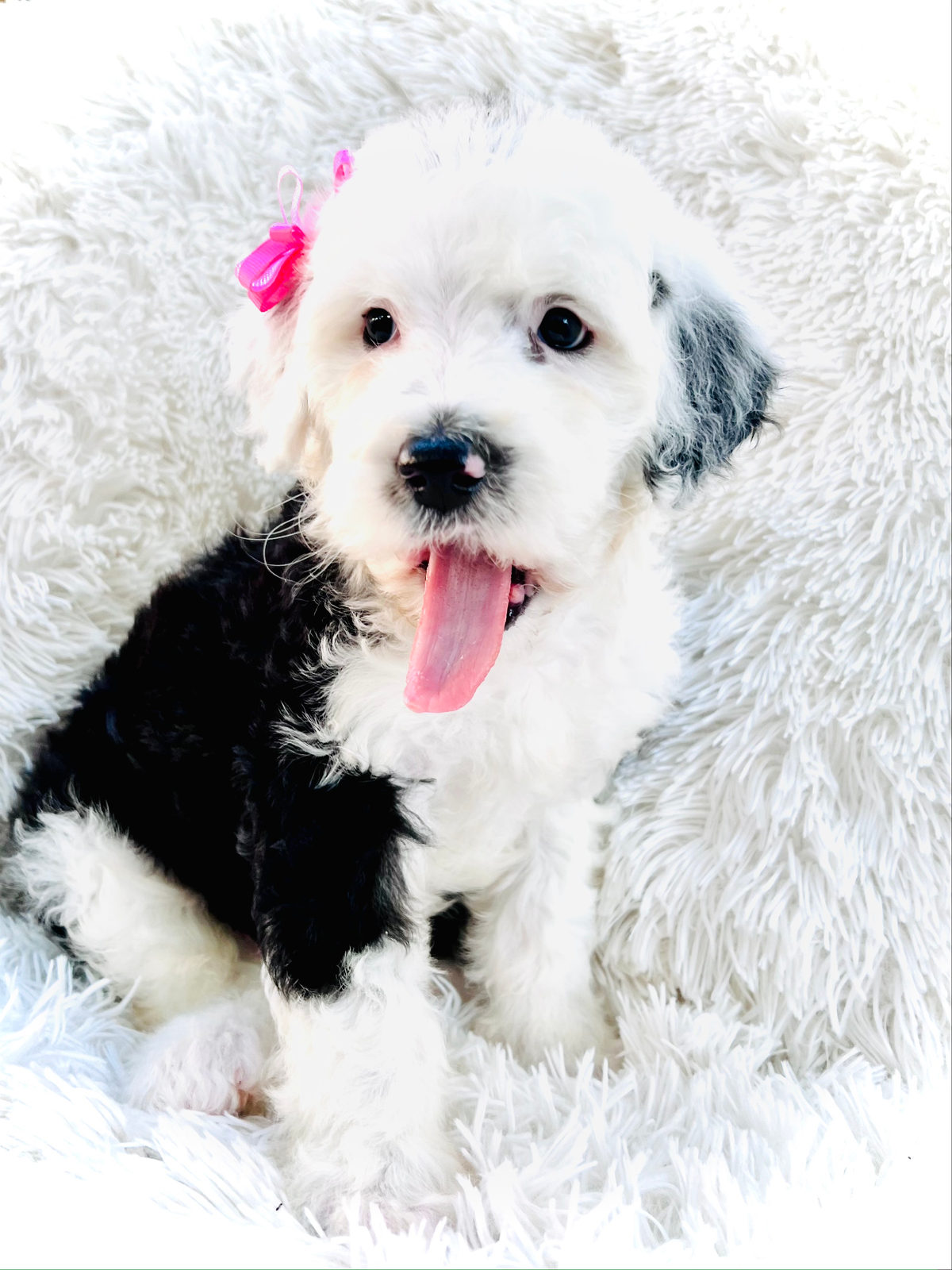
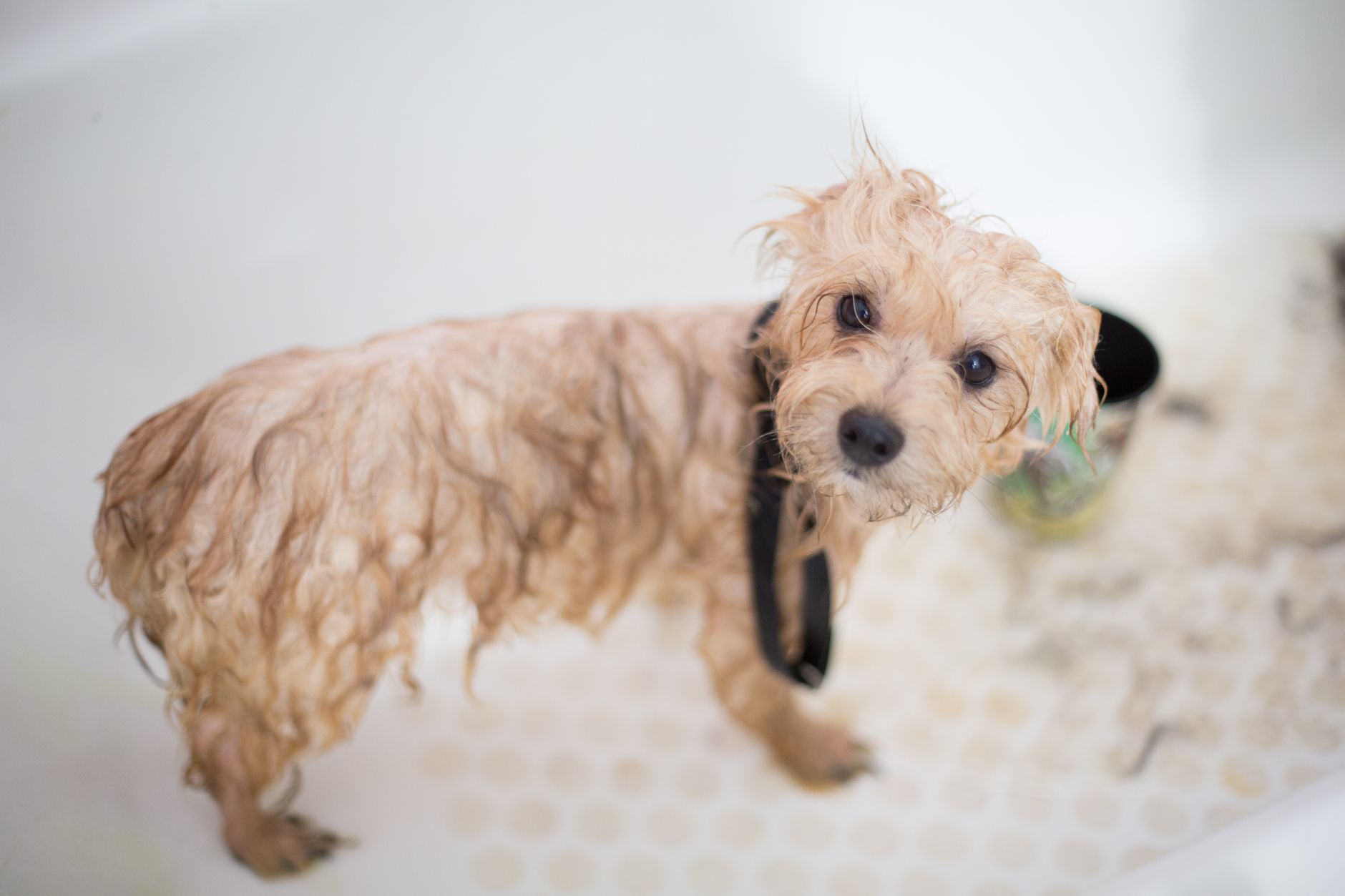
Regular grooming keeps a Sheepadoodle’s coat from matting and reduces how much dander accumulates around your home.
Test Your Reaction Before You Commit
Because individual reactions vary so much, the single best way to know how you’ll do with a specific dog is to spend real time with one before bringing a puppy home. A few practical ways to do that:
- Visit in person. Spend an hour or more with an adult dog from a similar pairing, ideally in an indoor space, before making a decision.
- Talk to your allergist. Some allergists can run a skin or blood test for dog dander sensitivity, which can help set expectations before you commit.
- Ask about the specific parents. A breeder who has produced multiple litters from the same pairing can tell you what coat type and shedding level to realistically expect.
- Start with short visits. If you can, arrange a few short visits over time rather than a single long one, since some reactions build with repeated or prolonged exposure.
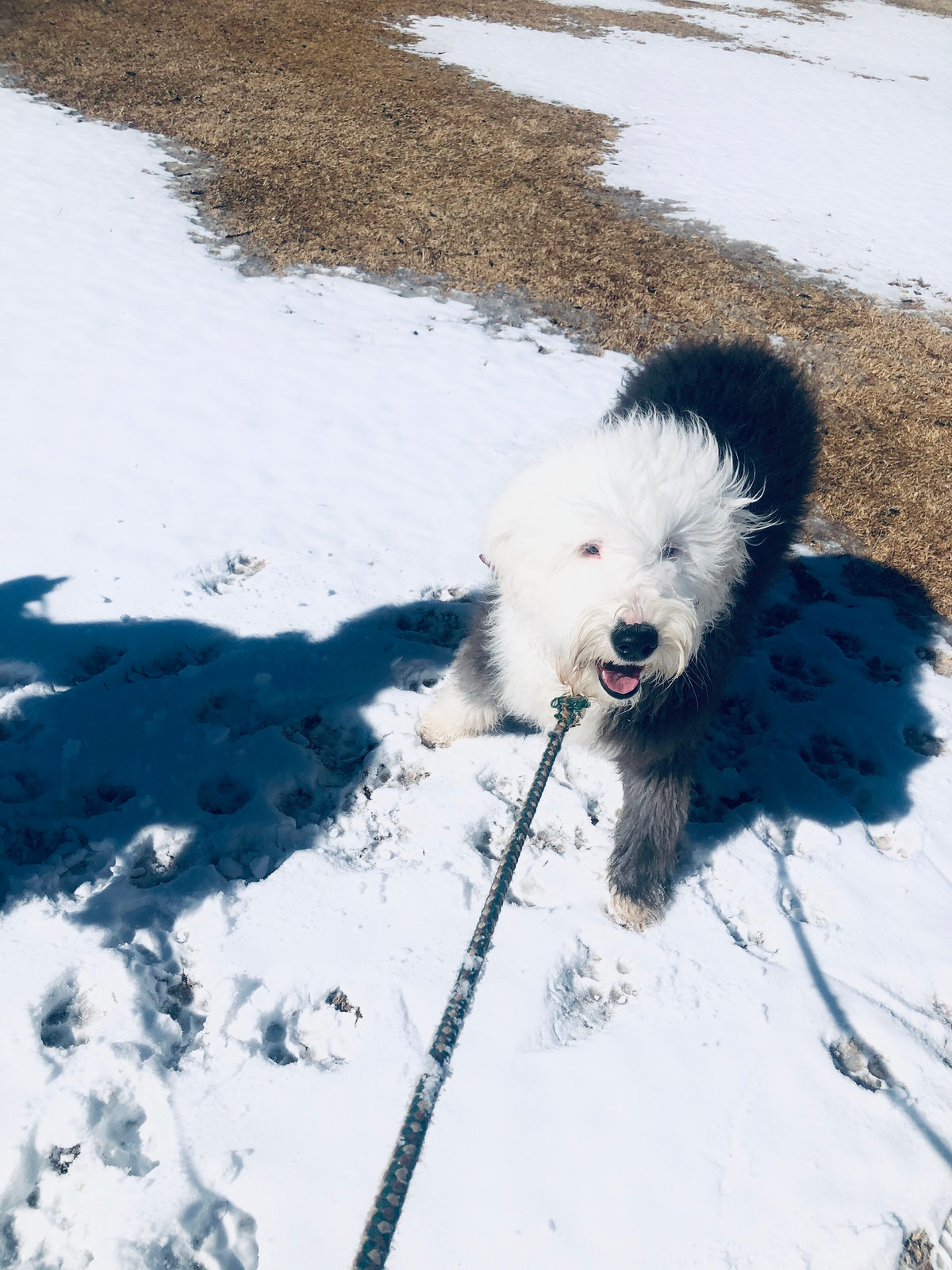
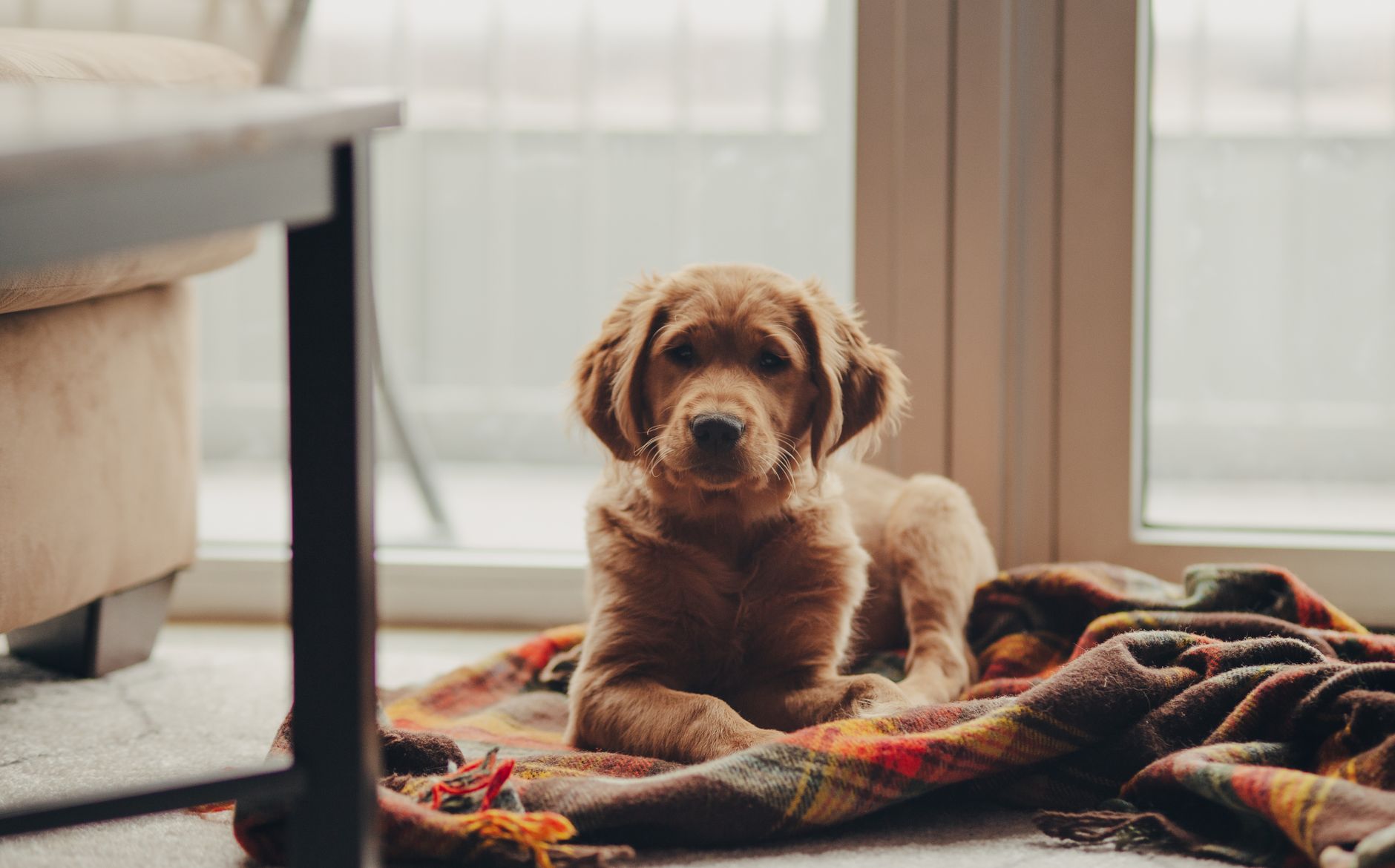
Spending time with a dog from a similar pairing before committing is the most reliable way to gauge your personal reaction.
Have Allergy Questions About a Specific Litter?
Coat type varies puppy to puppy. Reach out and we can talk through what a specific litter’s parents have historically produced.
Contact Sunshine SheepadoodlesFrequently Asked Questions
Are F1B Sheepadoodles completely non-shedding?
Not completely, but close. F1B Sheepadoodles, with roughly 75% Poodle genetics, shed very little compared to F1s or purebred Old English Sheepdogs. Some minimal shedding is still normal for any dog.
Can someone with severe dog allergies safely own a Sheepadoodle?
It depends on the severity of the allergy and the specific dog’s coat. According to allergy specialists, no dog is guaranteed safe for severe allergy sufferers. Spending time with an adult dog from a similar pairing before committing is the most reliable way to gauge your personal reaction.
Does shaving a Sheepadoodle’s coat reduce allergens?
Not significantly. Allergens come primarily from dander (skin cells) and saliva, not just hair length, so shaving doesn’t meaningfully reduce allergen exposure and can affect coat health.
How often should an allergy sufferer bathe their Sheepadoodle?
Follow your groomer’s or veterinarian’s specific recommendation for your dog’s coat type, since over-bathing can dry out skin and actually increase dander production.
Curious how coat type connects to overall size and grooming needs? Our Sheepadoodle size guide covers how coat and build vary across micro, mini, and standard sizes, and our available puppies page lists current litters if you’re ready to start a conversation about a specific coat type. Generation plays a role here too — see how F1 and F1B Sheepadoodle generations differ in shedding before choosing a puppy.