Finding a Sheepadoodle is the easy part — a quick search turns up dozens of listings and “available now” litters. Finding a breeder who deserves your trust takes more work. This guide covers the red flags to avoid, the questions worth asking, and the paperwork a responsible breeder should hand you without hesitation.
Why the Breeder You Choose Matters
A puppy’s temperament, health, and lifespan are shaped long before you meet them, by genetics, the mother’s care, and how a litter is raised. Choosing well up front is far easier than dealing with a preventable health problem years later.
Rising doodle demand has drawn in sellers who see a trend, not a breed they’re invested in. Some are backyard breeders working with dogs that were never health tested; a smaller number are outright puppy mills, and neither is easy to spot from a cute photo online.
Red Flags to Watch For
Puppy mills and backyard breeders rarely announce themselves, but they tend to share a cluster of smaller warning signs.
Red Flags
- Puppies available immediately, with no waitlist
- Refuses visits or video calls showing where puppies are raised
- Won’t show you the mother
- Multiple breeds or “designer” mixes always in stock
- No health testing paperwork, just “vet checked”
- Pressure to pay a deposit or wire funds immediately
- Puppies offered younger than 8 weeks old
Green Flags
- A waitlist with realistic timelines
- Willing to host visits or video calls
- You can see the mother with her litter
- Focuses on one or two breeds they know deeply
- Documented health clearances for both parents
- Asks about your home and experience, too
- Puppies go home at 8 weeks or later, already socialized
A waitlist can feel inconvenient, but it’s usually a sign of a program breeding a manageable number of litters rather than churning them out. Our own guide to reserving a Sheepadoodle puppy walks through what a structured, waitlist-based process looks like in practice.
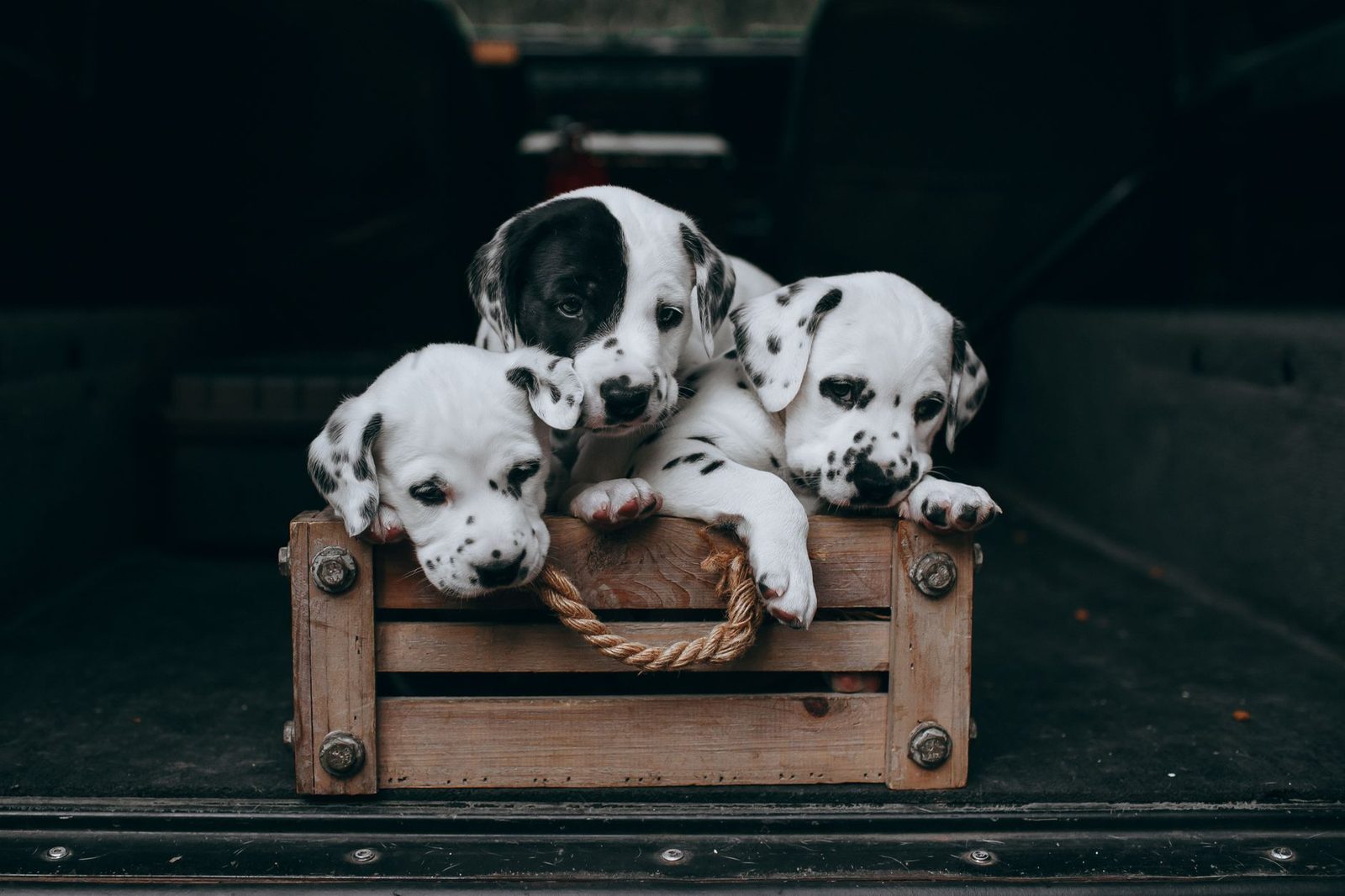
Clean, spacious living conditions are one of the clearest signs of a responsible breeding program.
Reputable Breeder vs. Puppy Mill or Backyard Breeder
Side by side, the differences are usually clear once you know what to compare.
| Factor | Reputable Breeder | Puppy Mill / Backyard Breeder |
|---|---|---|
| Health testing | Documented screening on both parents | Little to none, unverifiable |
| Living conditions | Clean, spacious whelping area | Crowded or never shown |
| Parent visitation | Mother available to meet | Parents unavailable |
| Litters per year | Limited, spaced for the mother’s health | Frequent, back-to-back |
| Contract & guarantee | Written, with health guarantee | No contract, bill of sale only |
| Vet records | Complete vaccine and deworming records | Incomplete or missing |
| Support after pickup | Available for the dog’s lifetime | Little contact after the sale |
| Screening of buyers | Asks about your home and plans | Sells to anyone who can pay |
Health Testing and Screening to Look For
“Health testing” and a basic vet checkup aren’t the same thing. A wellness exam confirms a puppy looks healthy today; genetic screening on the parents shows whether inheritable conditions are being bred out over time.
For Sheepadoodles, ask about hip and elbow evaluations (commonly through OFA), eye clearances, and breed-relevant cardiac or genetic screening on both the Old English Sheepdog and Poodle sides. A breeder who can produce this paperwork is operating very differently from one who waves the question off. Care doesn’t stop at pickup, either — our puppy vaccination schedule and first vet visit guide covers what comes next.
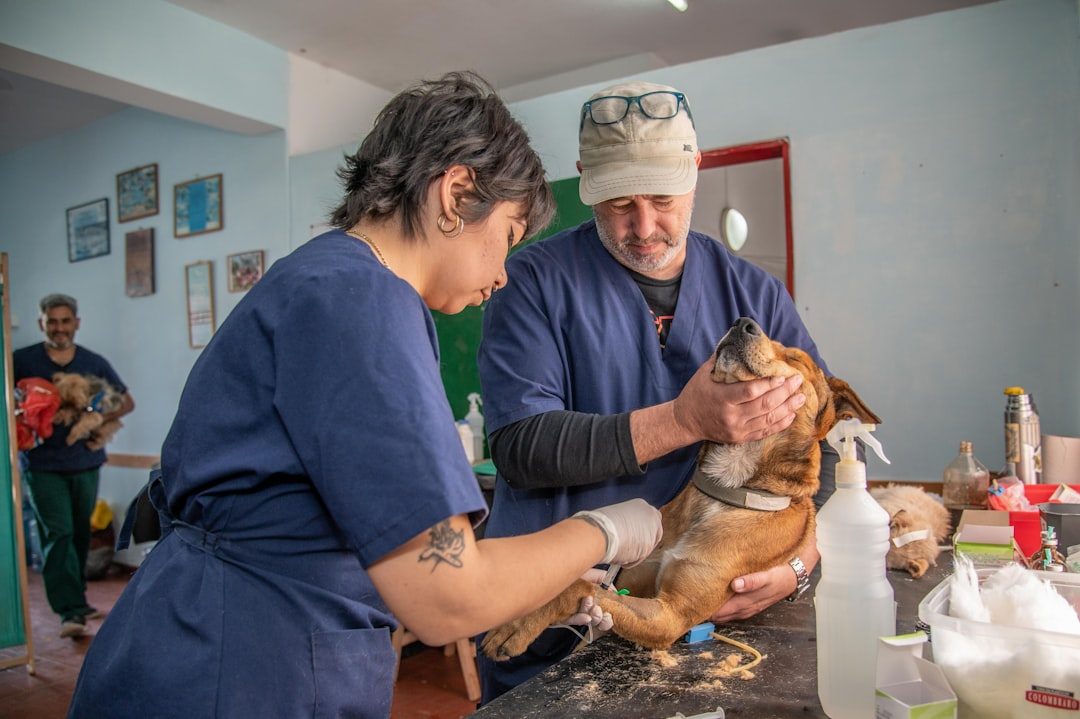
Genetic and health screening on both parents should come with paperwork you can actually see.
Questions to Ask Every Breeder
A short list of direct questions reveals more than an hour of browsing a website. Consider asking:
- What health testing have you done on both parents?
- Can I meet the mother and see where the puppies are raised?
- How many litters and breeds do you work with per year?
- What’s included in your contract and health guarantee?
- Can you connect me with past puppy families?
A responsible breeder welcomes all of this. Vague or defensive answers, especially about testing and visits, are worth taking seriously.
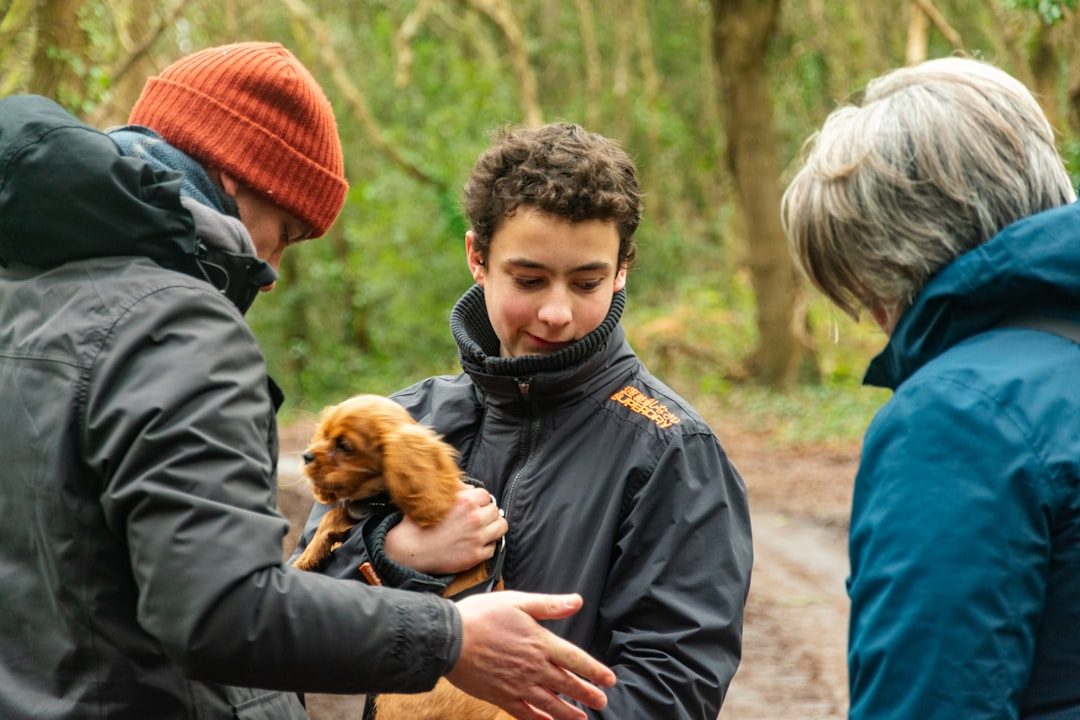
A breeder who welcomes questions and in-person visits is showing you exactly how they operate.
Contracts, Guarantees, and Paperwork
A written contract protects both sides. At minimum, look for a health guarantee outlining what’s covered and for how long, a spay/neuter policy if applicable, and a return or take-back clause committing the breeder to accept the dog back at any point in its life.
Expect complete paperwork at pickup, too: vaccination and deworming records, copies of the health clearances discussed earlier, and ongoing contact information. A breeder unwilling to put any of this in writing is asking you to take a lot on faith — a point the American Kennel Club echoes as a core sign of a responsible breeder.

A written contract with a health guarantee and return policy protects both you and your puppy.
What a Responsible Breeder Does Differently
Beyond testing and paperwork, the day-to-day habits of a responsible program show up in the puppy itself. Early, structured socialization — exposure to new sounds, textures, people, and gentle handling before 8 weeks — makes a measurable difference in how a puppy adjusts to a new home. Our own puppy socialization checklist outlines that exposure.
Responsible breeders also have a visible track record: an established program, references from past families, and openness about their dogs’ lines. That’s been our approach as a Texas-based program since 2004, and our about us page shares that history as one example.
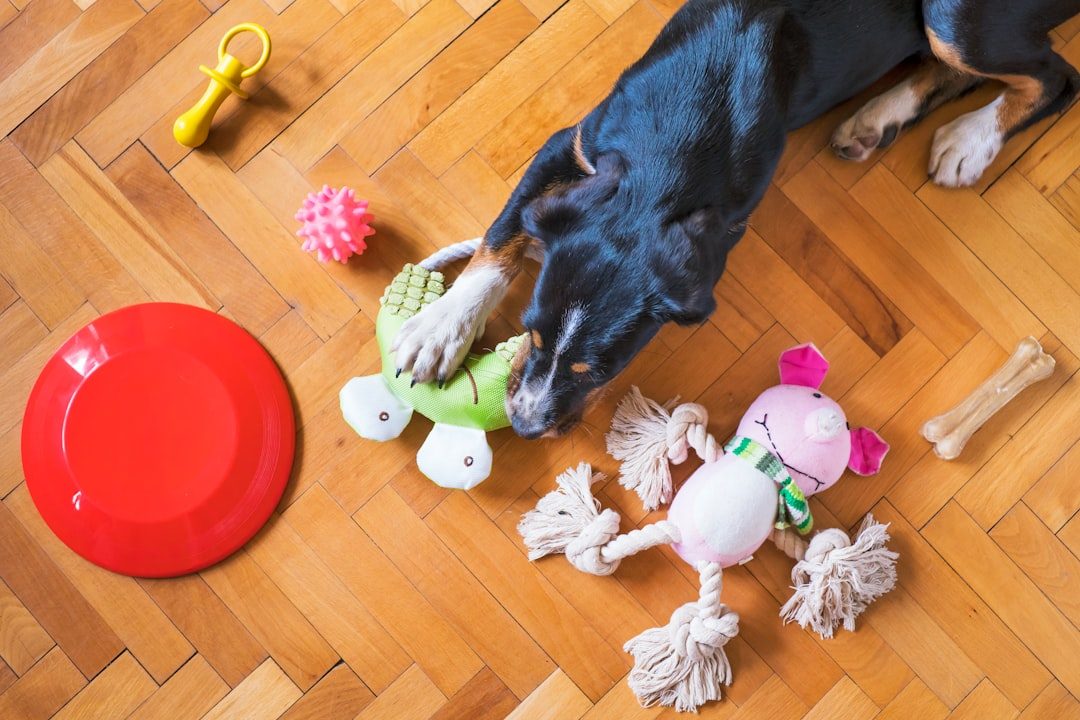
Early exposure to new sounds, textures, and experiences should start well before pickup day.
Price Isn’t the Whole Story
The cheapest puppy on the list is rarely the best value once health testing, veterinary care, and socialization are factored in. A price dramatically below market is a red flag itself, since it often means those costs were skipped. Our Sheepadoodle puppy cost guide breaks down what typically goes into pricing from a responsible program.
None of this is unique to Sheepadoodles. The Humane World for Animals points to the same core signs across every breed, and if a breeder falls short on the basics, it’s worth continuing your search.
Have Questions About Choosing the Right Breeder?
We’re happy to talk through our health testing, contract, and process, or point you toward good questions to ask anywhere you’re considering.
Contact Sunshine SheepadoodlesFrequently Asked Questions
What’s the difference between a reputable breeder and a backyard breeder?
A reputable breeder health-tests their dogs, limits their litters, and provides a written contract with support after the sale. A backyard breeder typically skips health testing and breeds more casually, without documented genetics or a plan for the puppies’ long-term care.
What health testing should a Sheepadoodle’s parents have?
Look for hip and elbow evaluations (often through OFA), eye clearances, and relevant cardiac or genetic screening on the Old English Sheepdog and Poodle lines. A breeder should show documentation, not just describe it verbally.
Is a long waitlist actually a good sign?
Generally, yes. A waitlist usually means a breeder is limiting their litters to properly care for each one, rather than producing puppies as fast as possible.
Should I be able to visit the breeder in person?
You should at least see where puppies are raised, whether in person or by video call, and meet the mother. A breeder who refuses any visibility is a significant red flag.
What should be included in a puppy contract?
At minimum, a health guarantee with clear terms, a return or take-back policy, and complete vaccination records provided at pickup. Spay/neuter terms are common too, depending on the program.
Does a higher price always mean a more reputable breeder?
Not automatically, but a price far below the typical range is worth questioning, since health testing, vet care, and socialization all cost money that has to be reflected in the price.
Once you’ve found a breeder you trust, reserving a puppy should feel just as transparent. Our guide to reserving a Sheepadoodle puppy covers what that looks like with us, and our current available puppies page shows the process in action. If you want to understand what OFA, PennHIP, and DNA panel results actually mean before you ask, see our Sheepadoodle health testing and genetic screening guide. And if you’re still weighing rescue as an option, our guide to Sheepadoodle rescue and adoption covers that path honestly too.