Nails and paws are easy to overlook between grooming appointments, but neglecting either can genuinely affect how comfortably your Sheepadoodle walks. Here’s how often to trim, the technique that actually works, and how to protect paw pads once Texas pavement heats up.
Overgrown nails do more than click on the floor. They can alter how a dog’s foot naturally strikes the ground, putting uneven strain on joints over time, especially in a breed already carrying some hip dysplasia risk. Regular nail maintenance is a small habit with a genuinely outsized payoff for long-term comfort.
How Often to Trim Nails
| Activity Level | Recommended Frequency |
|---|---|
| Mostly indoor / soft surfaces | Every 3 weeks |
| Regular walks on pavement | Every 4–6 weeks |
| Very active, frequent hard-surface walking | May naturally file down; check monthly |
A simple practical test: if you can hear nails clicking on hard flooring, they’re due for a trim. Nails that touch the ground when your dog is standing normally are too long. Sheepadoodles who spend most of their time on grass or carpet tend to need more frequent trims than dogs who regularly walk on concrete or asphalt, since hard surfaces naturally file nails down between sessions.
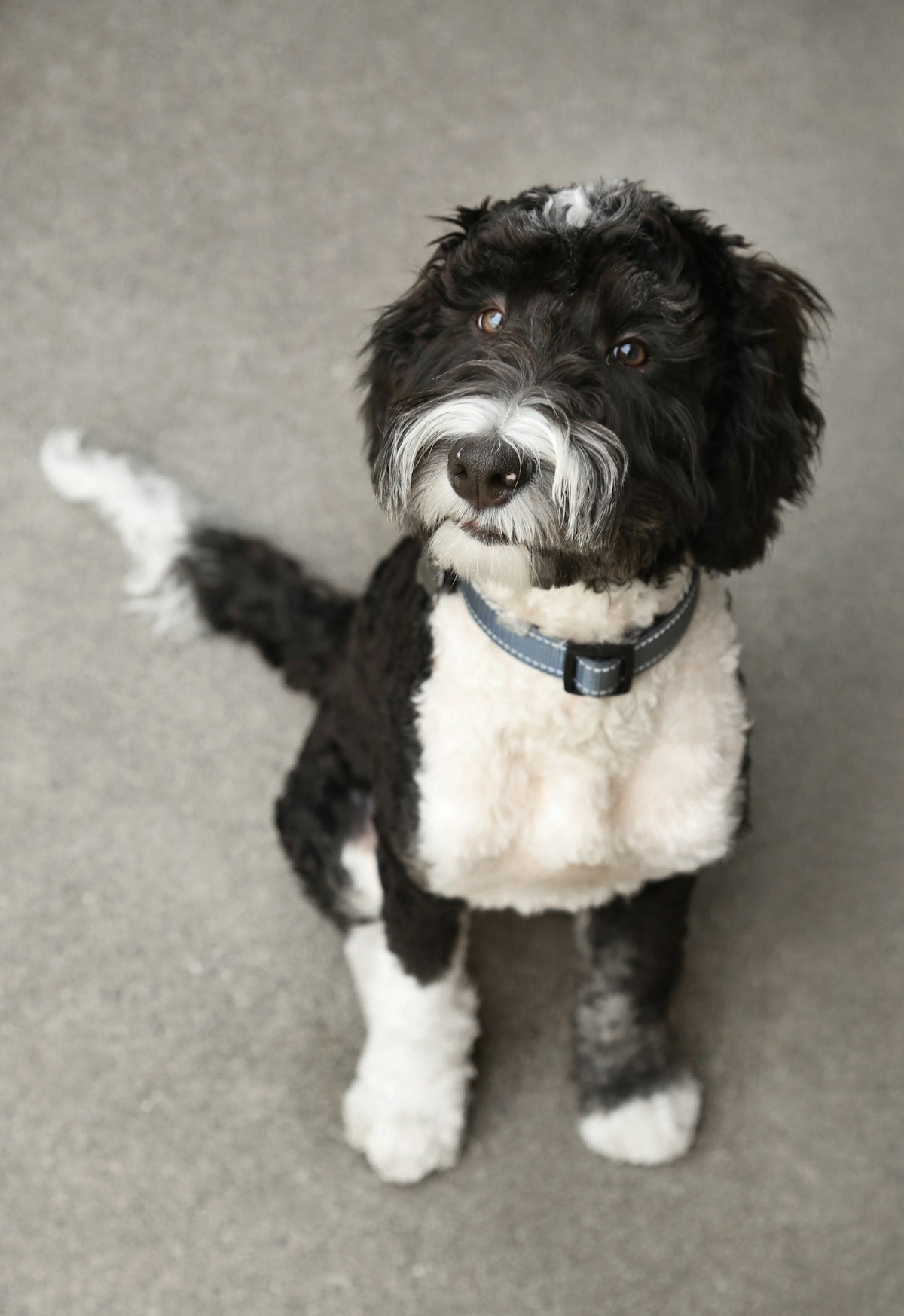
A simple listening test — nails clicking on hard flooring — is a reliable sign it’s time for a trim.
Step-by-Step Nail Trimming Technique
- Hold the paw gently but firmly, thumb on the pad and forefinger on top, pushing slightly to extend the nail.
- Clip only the tip, straight across, in small increments rather than one big cut.
- Watch the cross-section as you go. On light-colored nails, stop once you see a pink center starting to appear. On dark nails, stop at the first sign of a whitish, chalky ring.
- Take breaks if your dog gets anxious. Several short sessions beat one stressful long one, especially with puppies still learning the process.
According to the American Kennel Club, trimming a small amount at a time and backing off frequently is the safest approach, particularly for anyone still building confidence with the process.
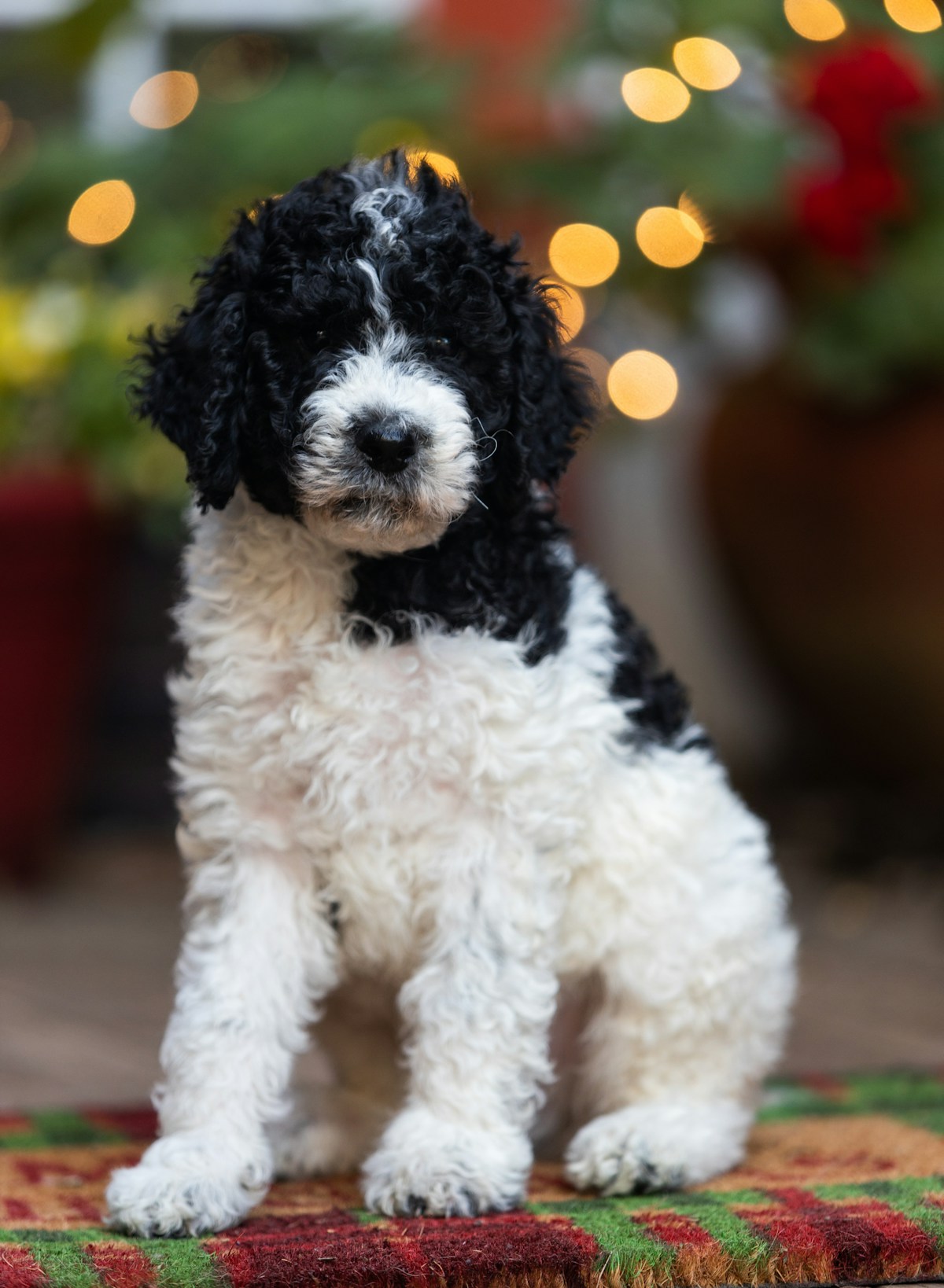
Short, low-stress sessions work better than one long trimming appointment, especially for puppies.
Avoiding the Quick (And What to Do If You Cut It)
The quick is the blood vessel running through the center of the nail. Cutting into it hurts and bleeds, though it isn’t a medical emergency. If it happens:
- Apply styptic powder directly to the tip to stop bleeding quickly.
- No styptic powder on hand? Cornstarch or flour pressed firmly against the nail works as a temporary substitute.
- Stay calm. Dogs pick up on handler stress, and a calm response helps prevent nail trims from becoming a dreaded event.
Protecting Paws from Hot Texas Pavement
This matters more here than in most climates. According to PetMD, asphalt can reach roughly 135°F when the air temperature is only 86°F — hot enough to burn paw pads in minutes.
| Test | Result |
|---|---|
| Hold the back of your hand on the pavement for 7 seconds | Comfortable the whole time → safe for paws |
| Same test | Too hot to hold → too hot for paw pads |
- Walk during cooler hours, early morning or evening, during Texas summers.
- Stick to grass or shade when pavement walking isn’t avoidable.
- Consider dog boots for consistently hot-weather walking, giving your dog time to adjust before relying on them.
- Use paw wax as an added layer of protection for regular pavement walkers.
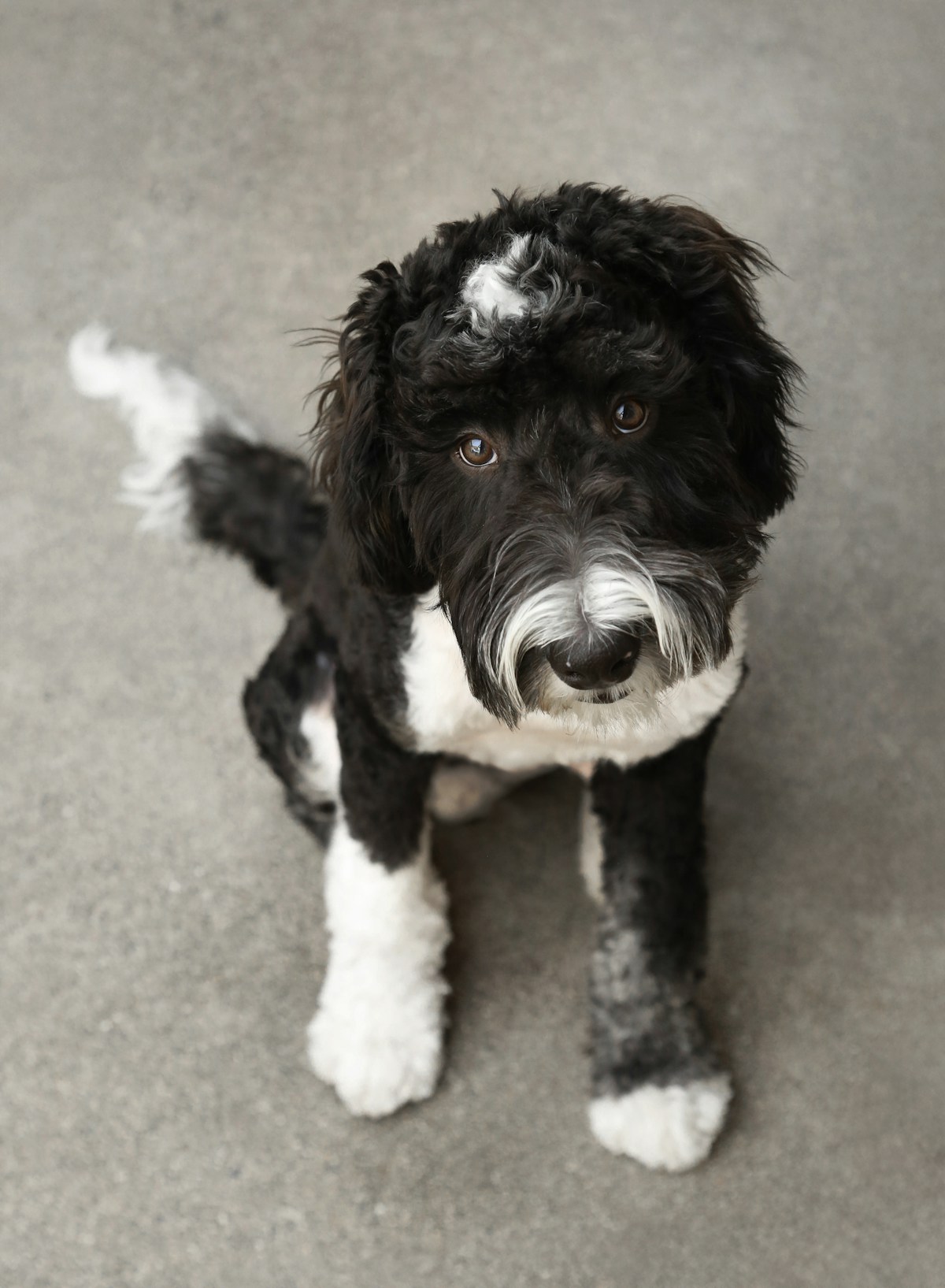
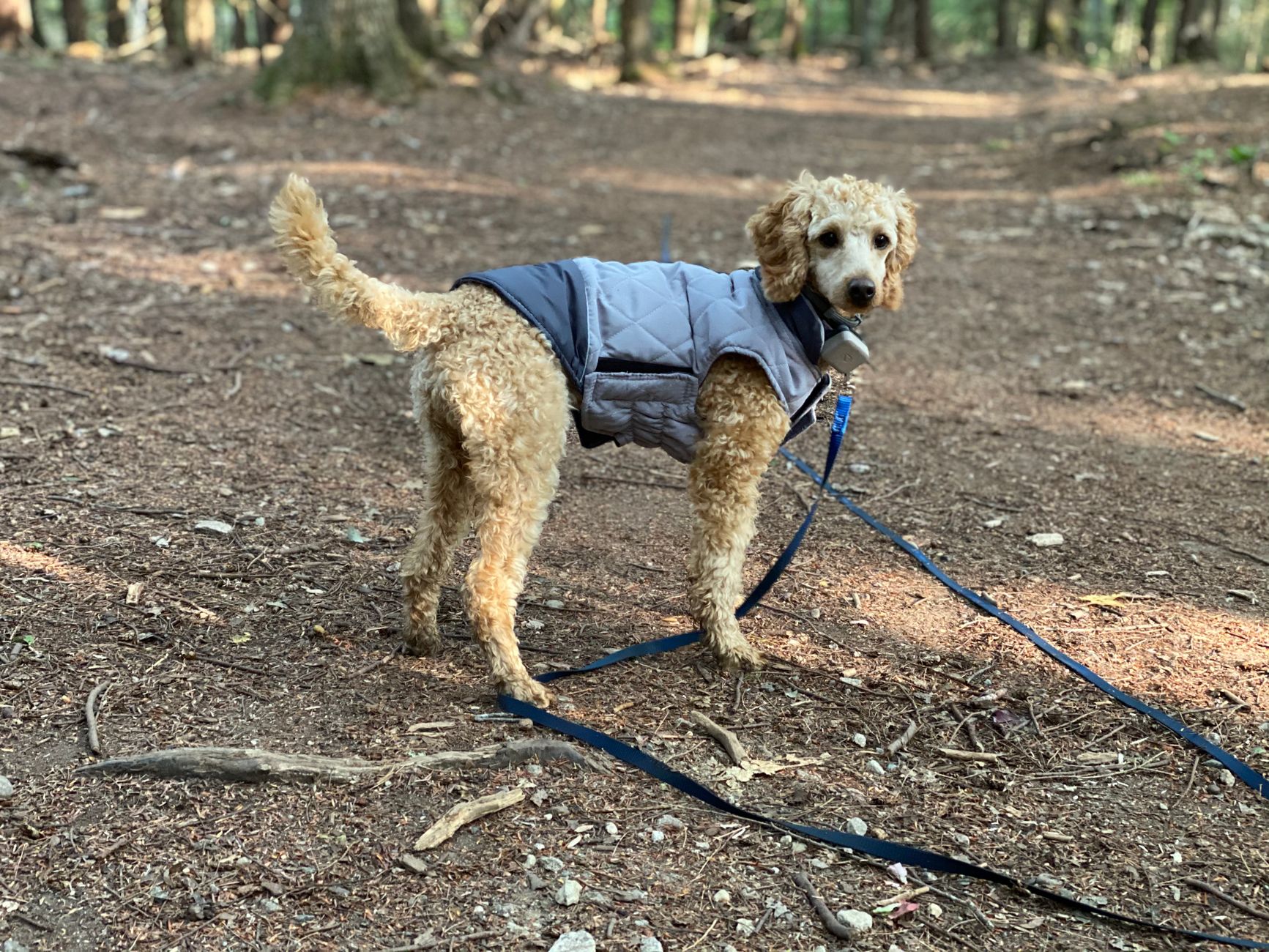
Early morning or evening walks help avoid the hottest pavement temperatures during Texas summers.
Signs of Paw Pad Damage
- Limping or reluctance to walk on a specific surface.
- Excessive licking or chewing at the paws.
- Visible blistering, redness, or darkened skin on the pad.
- Cracked or peeling pad surface.
Suspected burns warrant a same-day veterinary visit — they can become infected without proper cleaning and care. In the meantime, rinse the affected paw with cool (not cold) water and keep your dog off the injured foot as much as possible until you can be seen.
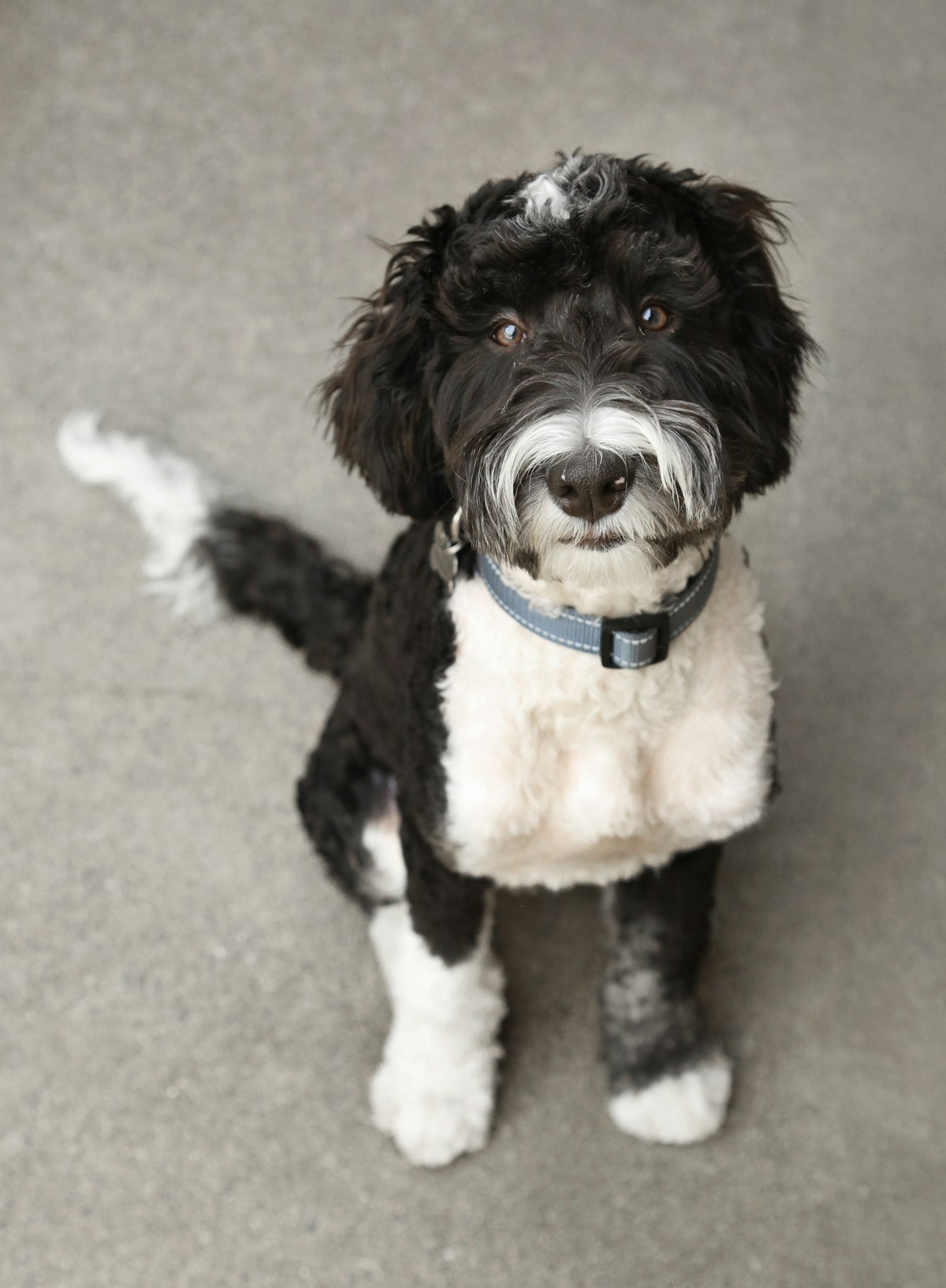
Healthy paw pads should be smooth and free of cracking, blistering, or discoloration.
Keeping Paws Healthy Between Trims
Moisturizing paw pads with a dog-safe balm keeps them pliable and more resistant to cracking, particularly useful before long walks. Gradual conditioning on rougher surfaces, starting with short walks and building up, can also naturally toughen pads over time for dogs that aren’t used to regular pavement exposure.
Trimming excess fur between the paw pads is worth folding into the same routine, since long hair there can trap debris, ice, or moisture and contribute to slipping on smooth floors. This is a quick addition to a regular grooming session rather than a separate task.
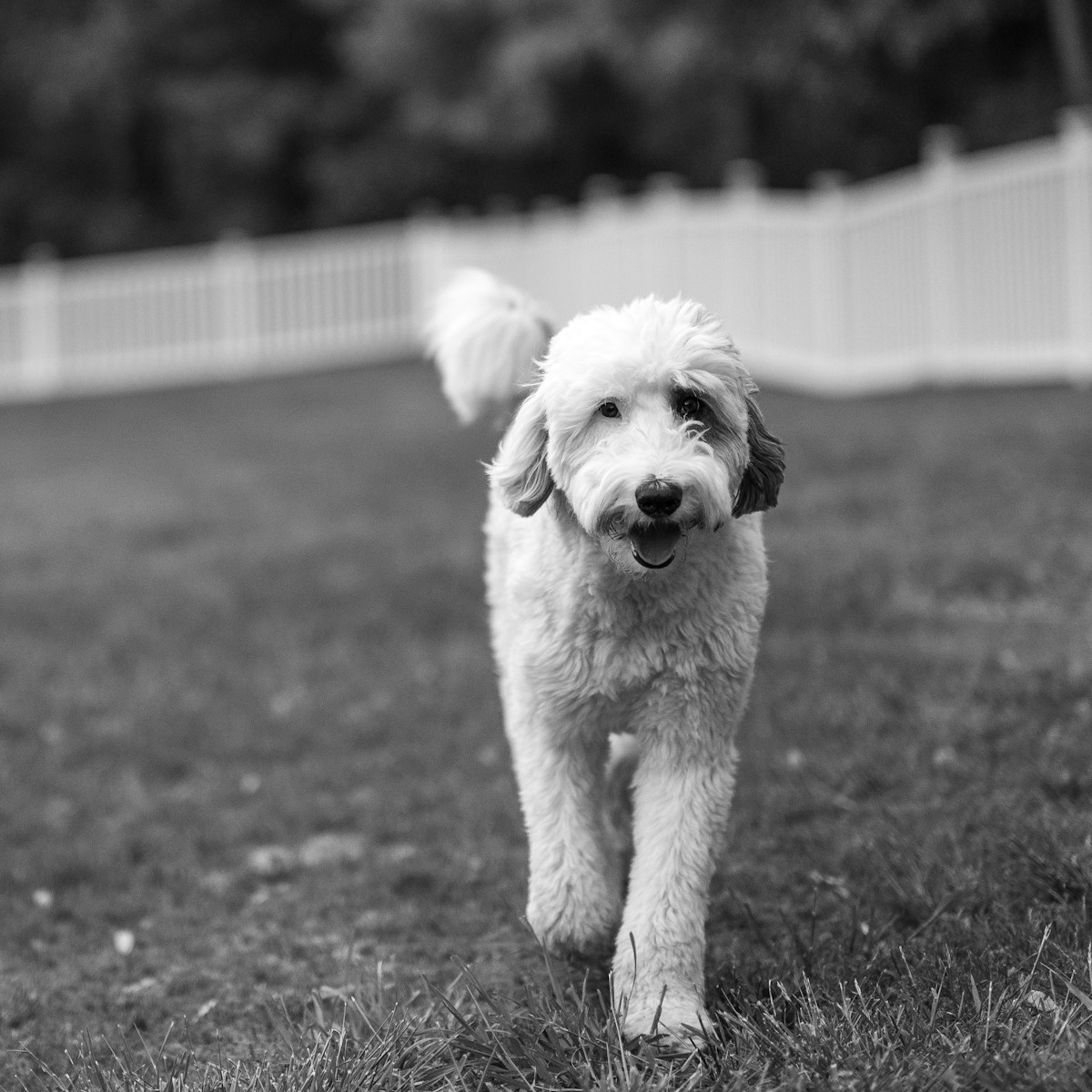
Gradual conditioning and regular moisturizing both help paw pads stay resilient over time.
Questions About Grooming or Paw Care?
We’re happy to talk through what to expect for your specific puppy.
Contact Sunshine SheepadoodlesFrequently Asked Questions
How do I know if my Sheepadoodle’s nails are too long?
If you can hear clicking on hard floors, or the nails touch the ground when your dog stands normally, they’re due for a trim.
What should I do if I cut the quick?
Apply styptic powder to stop the bleeding, or use cornstarch or flour as a temporary substitute. Stay calm to avoid making future trims stressful for your dog.
How hot does pavement need to be before it’s unsafe for dog paws?
Use the seven-second rule: if you can’t comfortably hold the back of your hand on the pavement for seven seconds, it’s too hot for your dog’s paw pads.
Do dog boots actually help protect paws?
Yes, when properly fitted and introduced gradually. Most dogs need time to adjust to wearing boots before they’re useful for consistent hot-weather protection.
For overall coat and grooming routine, see our Sheepadoodle grooming guide, and review our exercise and enrichment guide for more on exercising safely in Texas heat. Nails and teeth are both easiest when handled early, so pair this with our Sheepadoodle dental care guide.