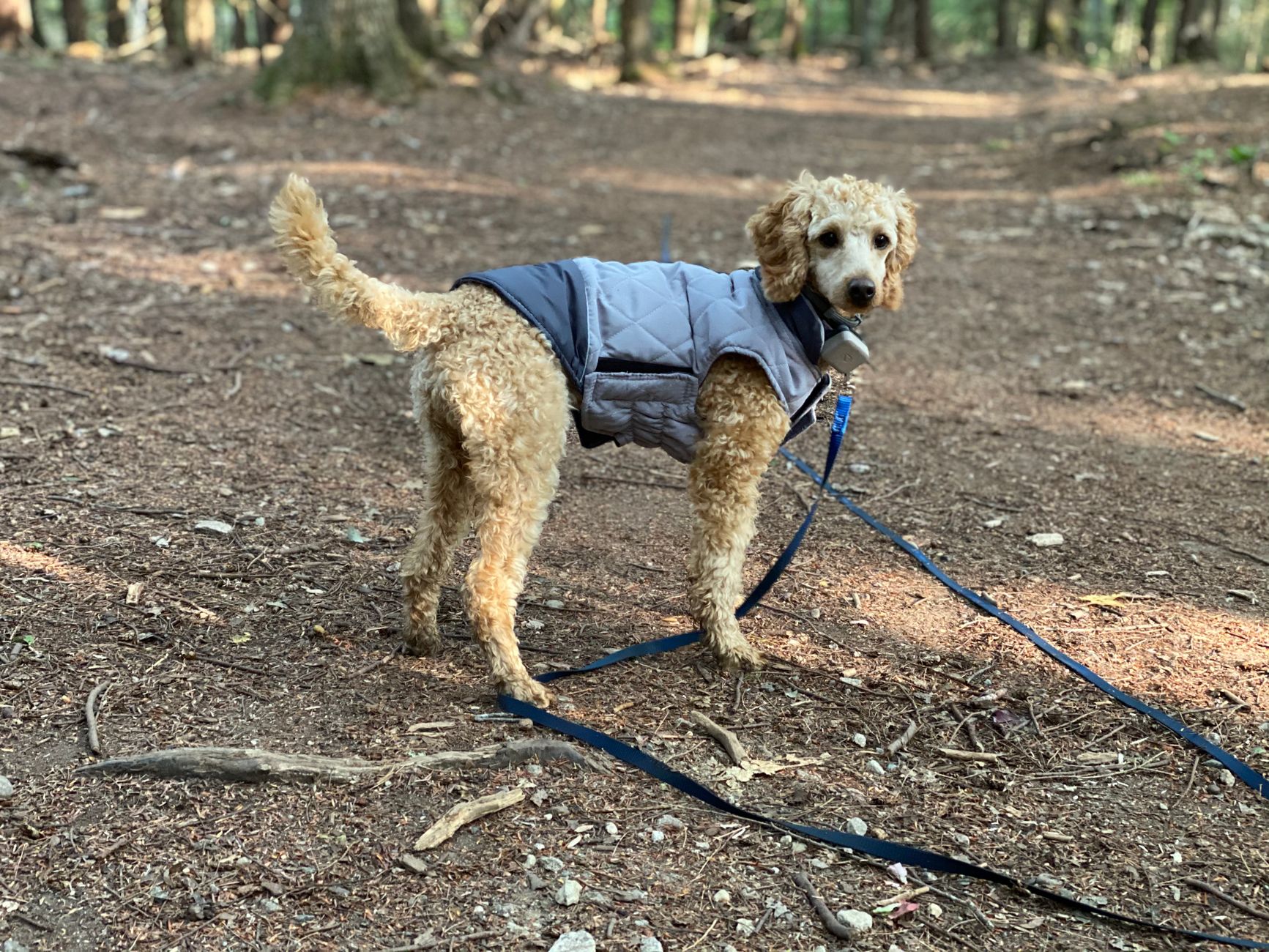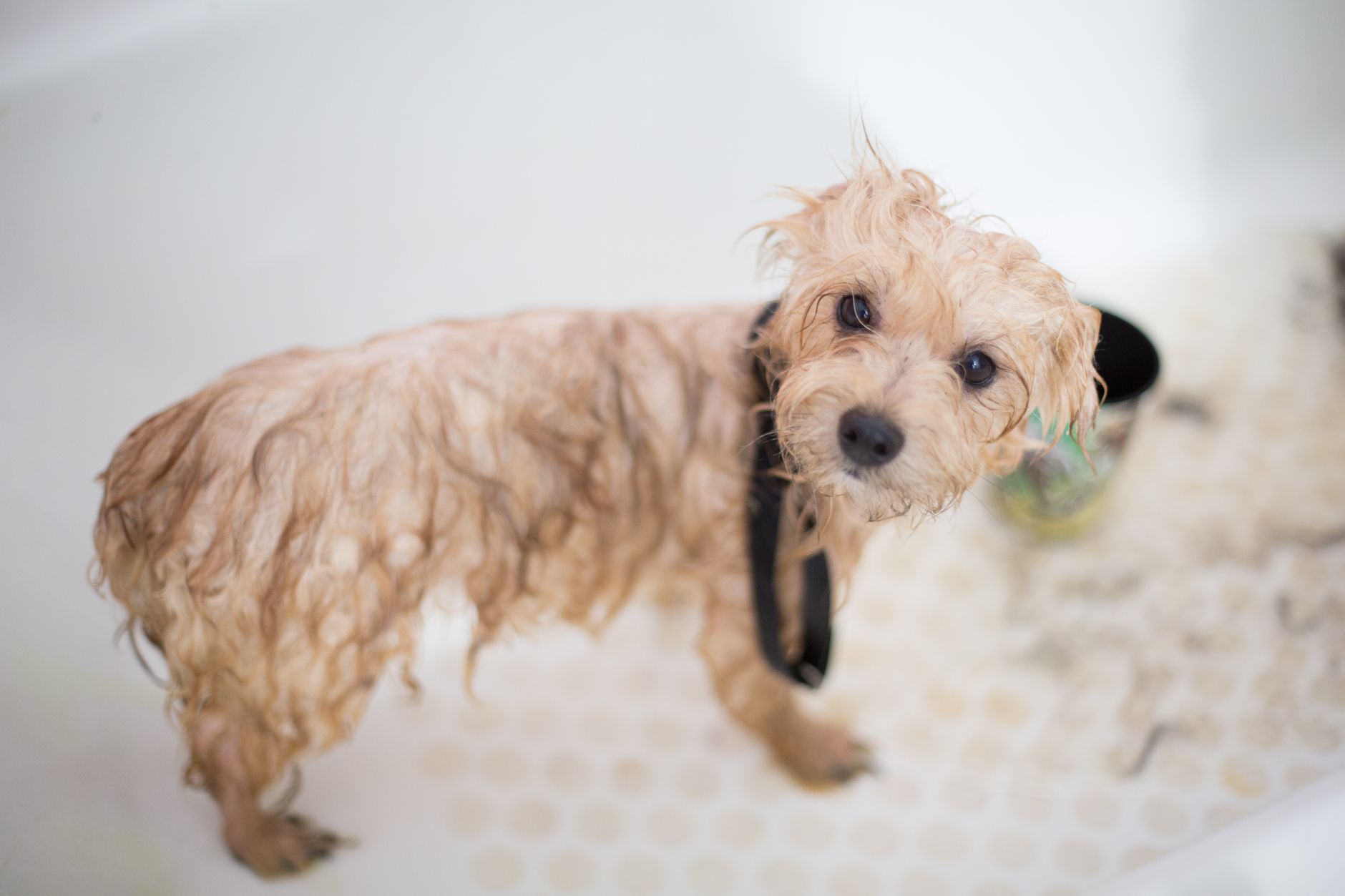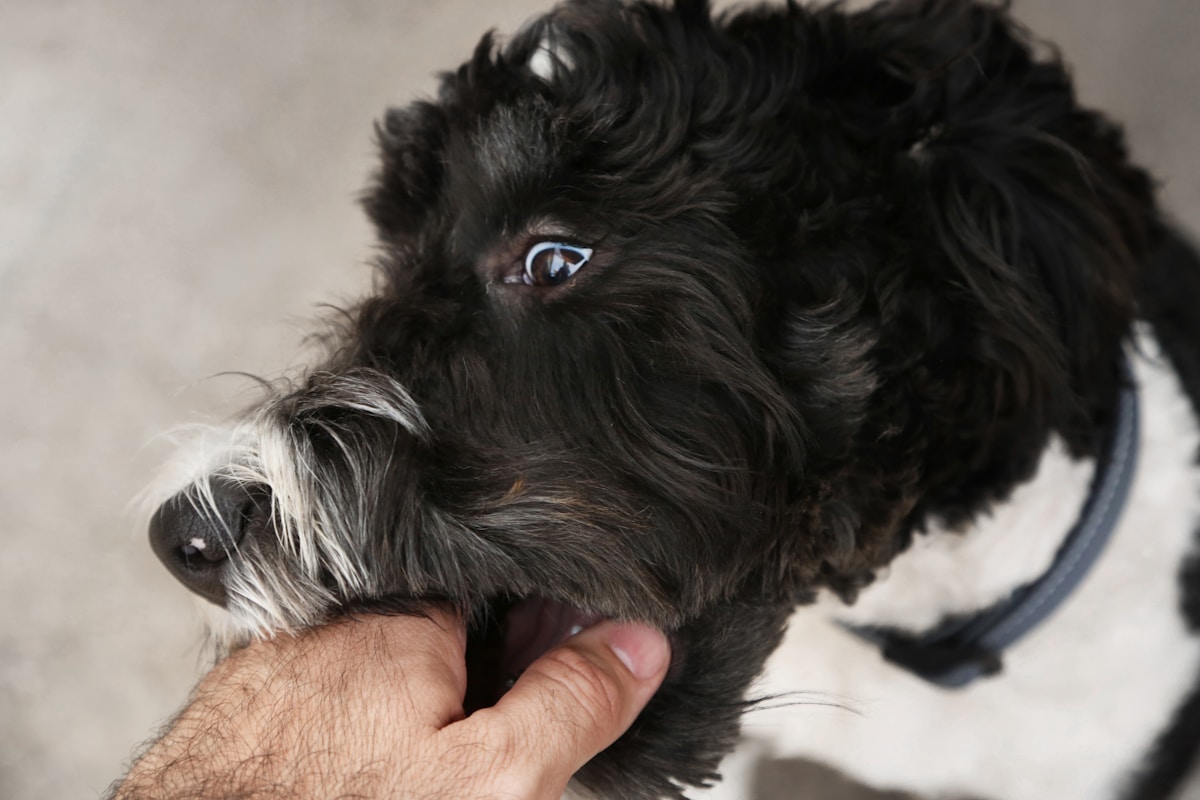
Persistent scratching, paw licking, or recurring skin irritation isn’t just an annoyance — it’s usually a sign of something specific worth identifying. Here’s how to tell food allergies apart from environmental ones, what actually causes most skin issues in this breed, and when it’s time for a vet.
Why Skin Issues Show Up in Doodle Mixes
A dense double coat, like the one Sheepadoodles inherit from the Old English Sheepdog side, traps moisture, debris, and allergens against the skin more than a short, single coat would. Combined with genuinely common allergy tendencies in both parent breeds, this makes proactive skin monitoring more relevant for this breed than for some others.
None of this means a Sheepadoodle is destined for skin problems. Most live comfortably with routine grooming and no chronic issues at all. It simply means catching early warning signs matters more here than in a short-coated, allergy-resistant breed.
Food Allergies vs. Food Sensitivities
| Category | Food Allergy | Food Sensitivity |
|---|---|---|
| Mechanism | True immune response | Slower digestive/skin reaction, not immune-driven |
| Common Signs | Hives, facial swelling, itchiness | Chronic ear/paw infections, GI upset, itchiness |
| Onset | Can appear quickly | Often gradual, harder to pinpoint |
| Common Triggers | Chicken, beef, dairy, wheat | Varies; often the same common proteins |
Both usually respond to the same diagnostic approach: an elimination diet under veterinary guidance, systematically removing and reintroducing ingredients to identify the actual trigger. This process typically takes 8 to 12 weeks to complete properly, so patience matters more than speed if you’re trying to pin down a food-related trigger.
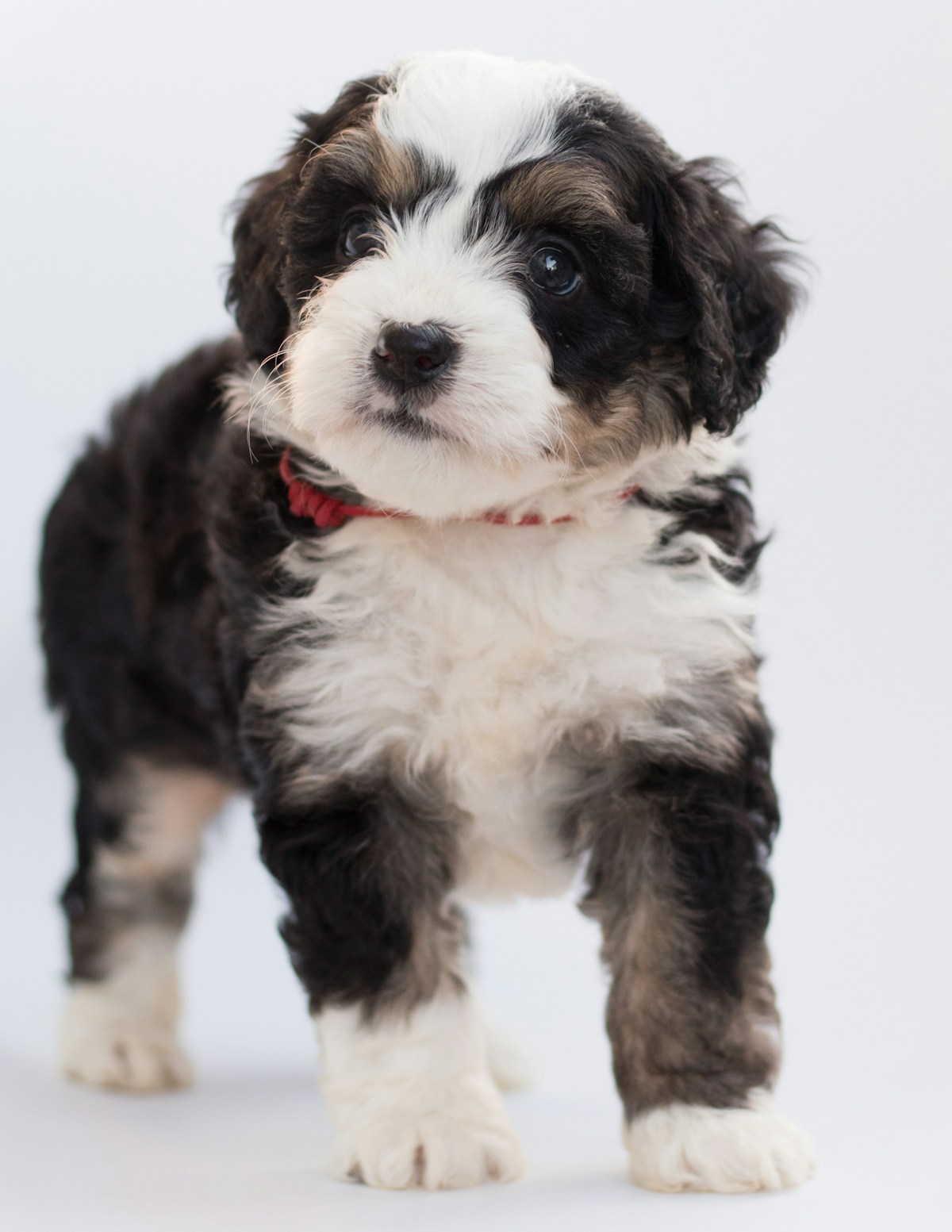
Paws and ears are the most commonly affected areas for both food allergies and sensitivities.
Environmental (Seasonal) Allergies
According to the Merck Veterinary Manual, atopic dermatitis — allergic reactions to environmental triggers like pollen, dust mites, and mold — affects roughly 30% of dogs in the U.S. Unlike food allergies, these often show a seasonal pattern, flaring during specific times of year tied to local pollen or mold cycles.
In Texas specifically, cedar season (typically December through February) and spring/fall pollen surges are common trigger windows worth watching for if your dog’s symptoms seem to follow a seasonal pattern. Keeping a simple symptom log noting when flare-ups happen can help you and your vet spot a seasonal pattern faster than relying on memory alone.

Environmental allergies often follow a seasonal pattern tied to local pollen and mold cycles.
Signs of a Skin Problem
- Persistent scratching, licking, or chewing, especially at paws, ears, or the belly.
- Redness, rashes, or hot spots anywhere on the body.
- Recurring ear infections that don’t fully resolve between treatments.
- Hair loss or thinning in specific areas.
- Head shaking combined with visible skin irritation.
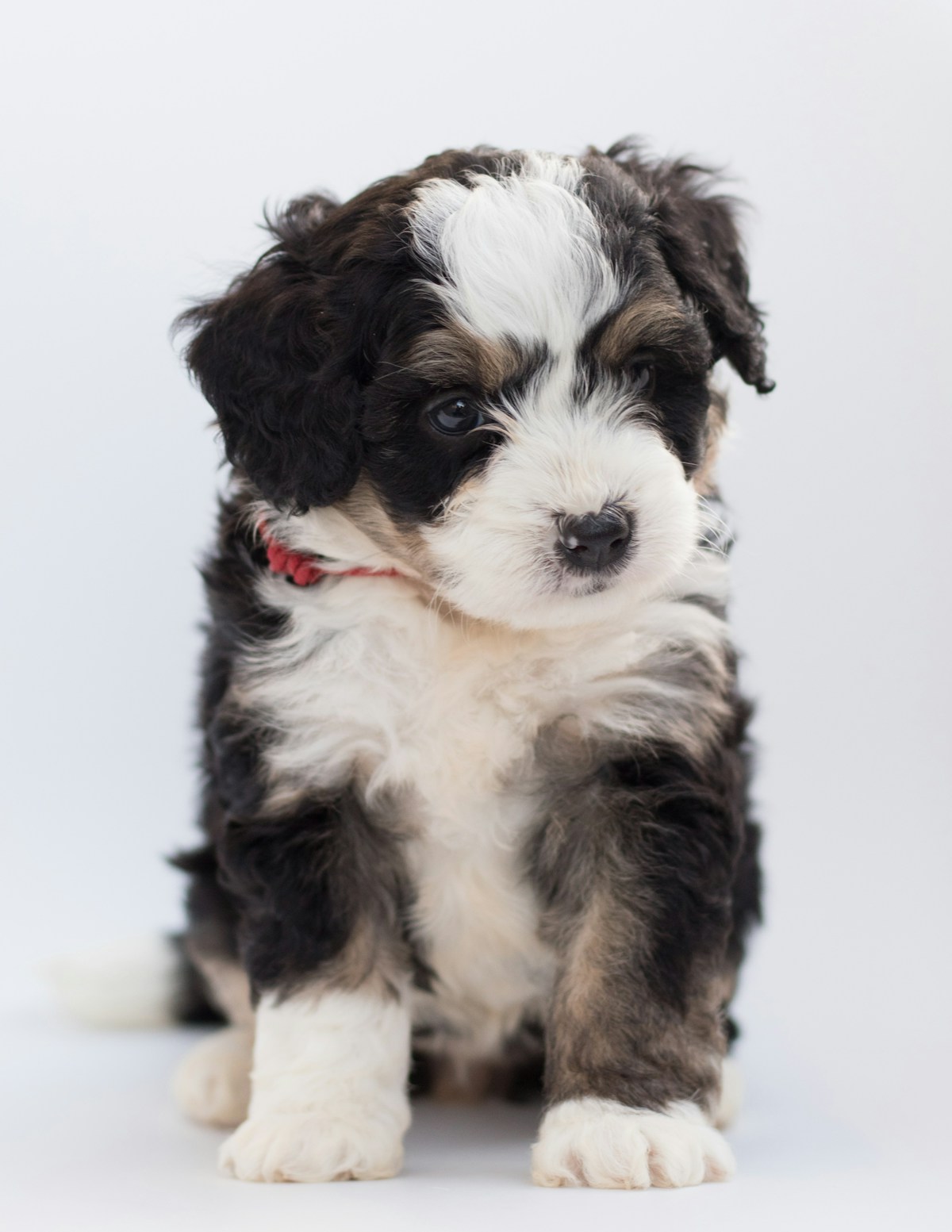
Catching subtle skin changes early makes treatment considerably simpler than waiting for symptoms to worsen.
Common Triggers
| Category | Common Triggers |
|---|---|
| Food | Chicken, beef, dairy, wheat, soy |
| Environmental | Pollen, dust mites, mold, grass |
| Contact | Certain shampoos, fabrics, cleaning products |
| Parasitic | Fleas (even a single bite can trigger reaction in sensitive dogs) |
Treatment Options
According to the American Kennel Club, most canine allergy treatment plans are multi-modal, combining several approaches rather than relying on one fix:
- Dietary changes, including limited-ingredient or novel-protein diets for suspected food triggers.
- Omega-3 fatty acid supplements, which can support skin barrier health.
- Medicated shampoos or topical treatments for localized irritation.
- Anti-itch medications, prescribed for more significant flare-ups.
- Allergen-specific immunotherapy, the only treatment that can meaningfully change the immune response over time, for chronic environmental allergies.

Most effective allergy treatment plans combine several approaches rather than relying on a single fix.
When to See a Vet vs. a Veterinary Dermatologist
Start with your regular veterinarian for any new or persistent skin issue. If symptoms don’t improve with standard treatment, recur frequently, or seem resistant to multiple approaches, ask for a referral to a veterinary dermatologist, who can run more specific allergy testing and offer treatments like immunotherapy that general practices don’t typically provide.
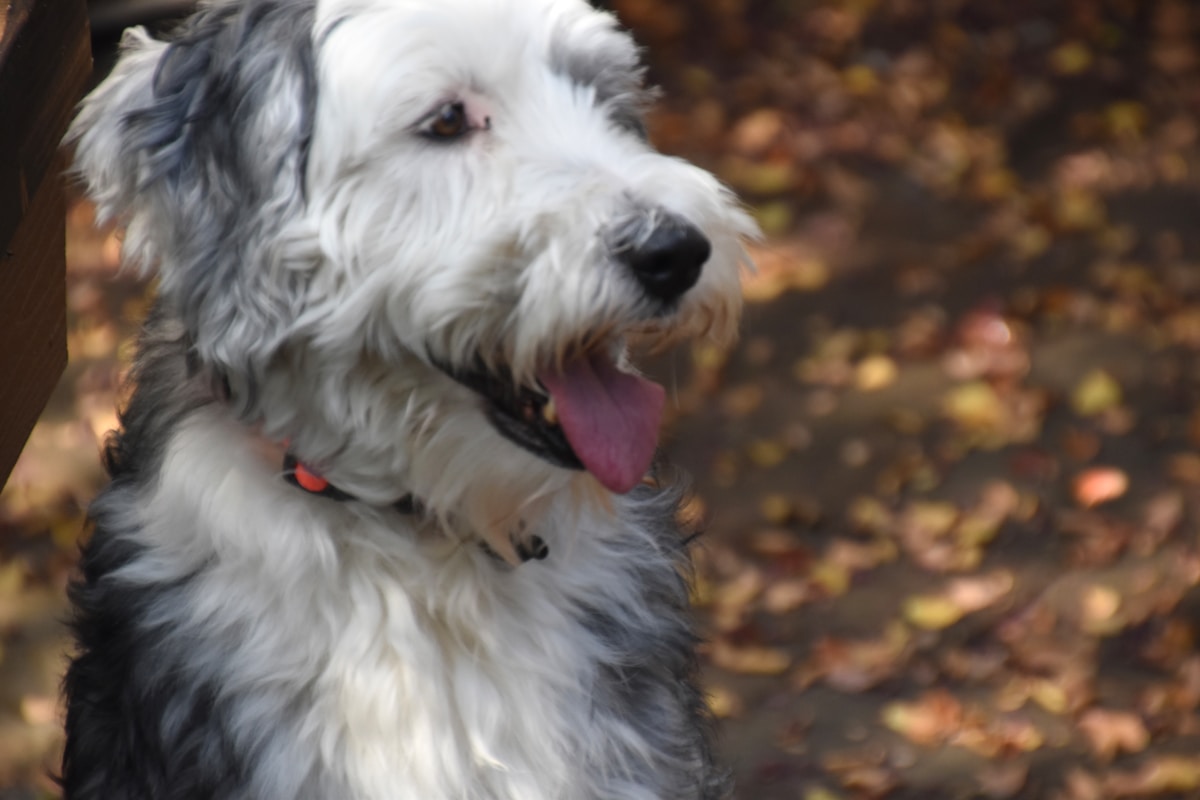
A referral to a veterinary dermatologist is worth pursuing when standard treatment isn’t resolving persistent symptoms.
Reducing Flare-Ups Between Treatments
Beyond active treatment, a few habits help minimize allergen exposure day to day. Regular bathing with a vet-recommended shampoo removes pollen and allergens that settle on the coat after outdoor time. Wiping paws after walks, especially during high-pollen seasons, keeps allergens from being tracked and licked off indoors.
Washing bedding frequently and vacuuming carpeted areas regularly also reduces the dust mite and dander buildup that can compound symptoms in a dog already dealing with skin sensitivity. None of these steps replace veterinary treatment, but they meaningfully reduce the overall allergen load your dog is managing.
Questions About Coat or Skin Health?
We’re happy to talk through what to expect for your specific puppy’s coat type.
Contact Sunshine SheepadoodlesFrequently Asked Questions
How do I know if my Sheepadoodle has a food allergy or environmental allergy?
Food allergies often come with GI symptoms and aren’t tied to a specific season, while environmental allergies frequently flare during particular times of year. An elimination diet trial can help distinguish between the two.
What’s the most common food allergen for dogs?
Chicken, beef, dairy, and wheat are among the most commonly reported triggers, though any protein source can potentially cause a reaction in an individual dog.
Can seasonal allergies be cured?
Not cured, but they can often be well managed. Allergen-specific immunotherapy is currently the only treatment that can meaningfully change the underlying immune response rather than just treating symptoms.
Is it normal for a Sheepadoodle to lick its paws sometimes?
Occasional licking is normal, but frequent, persistent paw licking is a common early sign of allergies and worth mentioning to your veterinarian if it becomes a regular pattern.
For related grooming and ear care, see our Sheepadoodle grooming guide and ear care guide, and review our feeding guide if you suspect a food-related trigger.