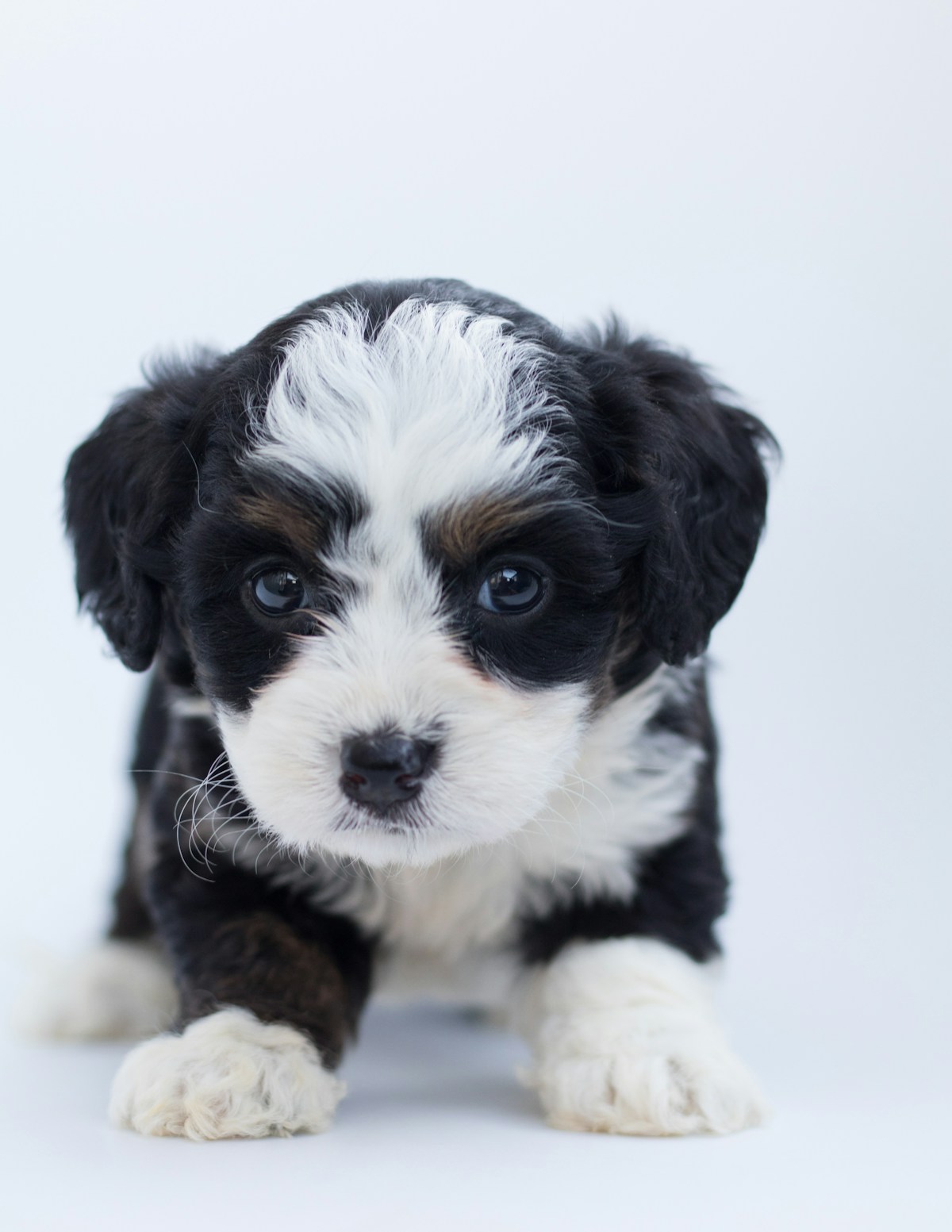
Sheepadoodles generally make great travel companions once they’re used to it — adaptable, people-focused, and happy wherever their family is. Getting there takes some preparation, though, especially for a breed that often lands on the larger side.
Whether you’re planning a weekend road trip or considering air travel, a little upfront planning makes the difference between a stressful ordeal and a genuinely smooth trip for everyone involved, dog included.
Getting Your Puppy Comfortable with Car Rides
Start small and build up gradually rather than jumping straight into a long drive. Take short trips around the block first, pairing car time with something positive like a treat or a favorite toy. Slowly extend the length of each ride as your puppy shows they’re relaxed, not stressed.
According to the ASPCA, prepping for a longer trip with a series of gradually longer drives makes a real difference in how well a dog handles an eventual road trip.
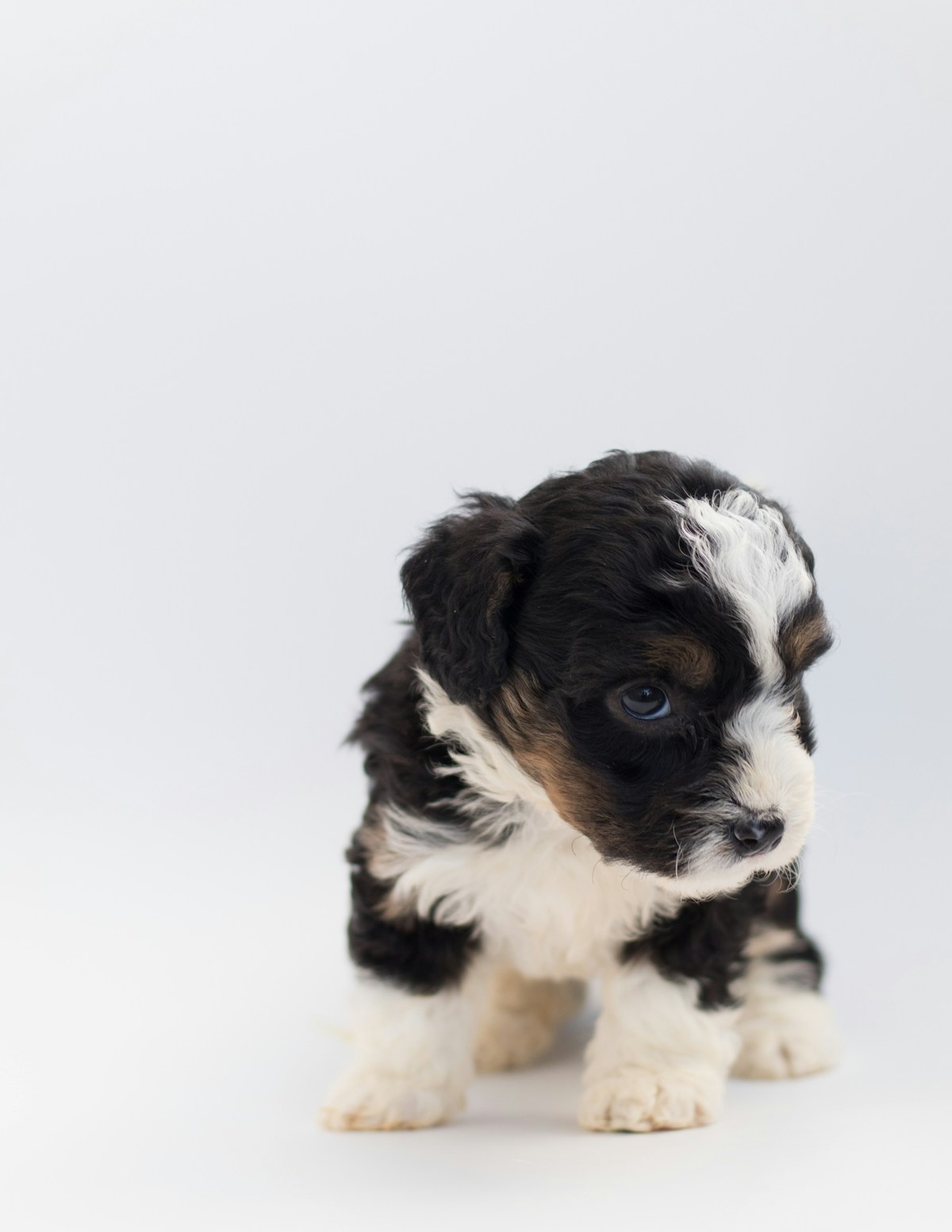
Short, positive car rides before a big trip help build genuine comfort rather than tolerance.
Car Safety: Crate vs. Harness
| Option | Pros | Cons |
|---|---|---|
| Crate | Most protective in a crash; familiar, secure space | Takes up significant space in standard-sized dogs |
| Seatbelt harness | Compact, allows dog to see out the window | Less crash protection than a secured crate |
| Booster seat | Good for smaller sizes; keeps dog visible and secure | Best suited to mini/micro sizes, not standard |
According to the American Kennel Club, a crate should be secured so it can’t slide or shift during sudden stops, and should be roomy enough for your dog to stand, turn around, and lie down comfortably — a real consideration for a standard-sized Sheepadoodle in a smaller vehicle.
Road Trip Essentials & Rest Stop Schedule
- Stop every 2 to 3 hours for a bathroom break, water, and a chance to stretch.
- Avoid feeding right before departure — wait at least an hour after eating before driving.
- Never leave your dog alone in a parked car, especially in Texas heat, even briefly.
- Bring a familiar blanket or bed to make rest stops and overnight stays feel more settled.
- Pack more water than you think you need, particularly for summer travel.
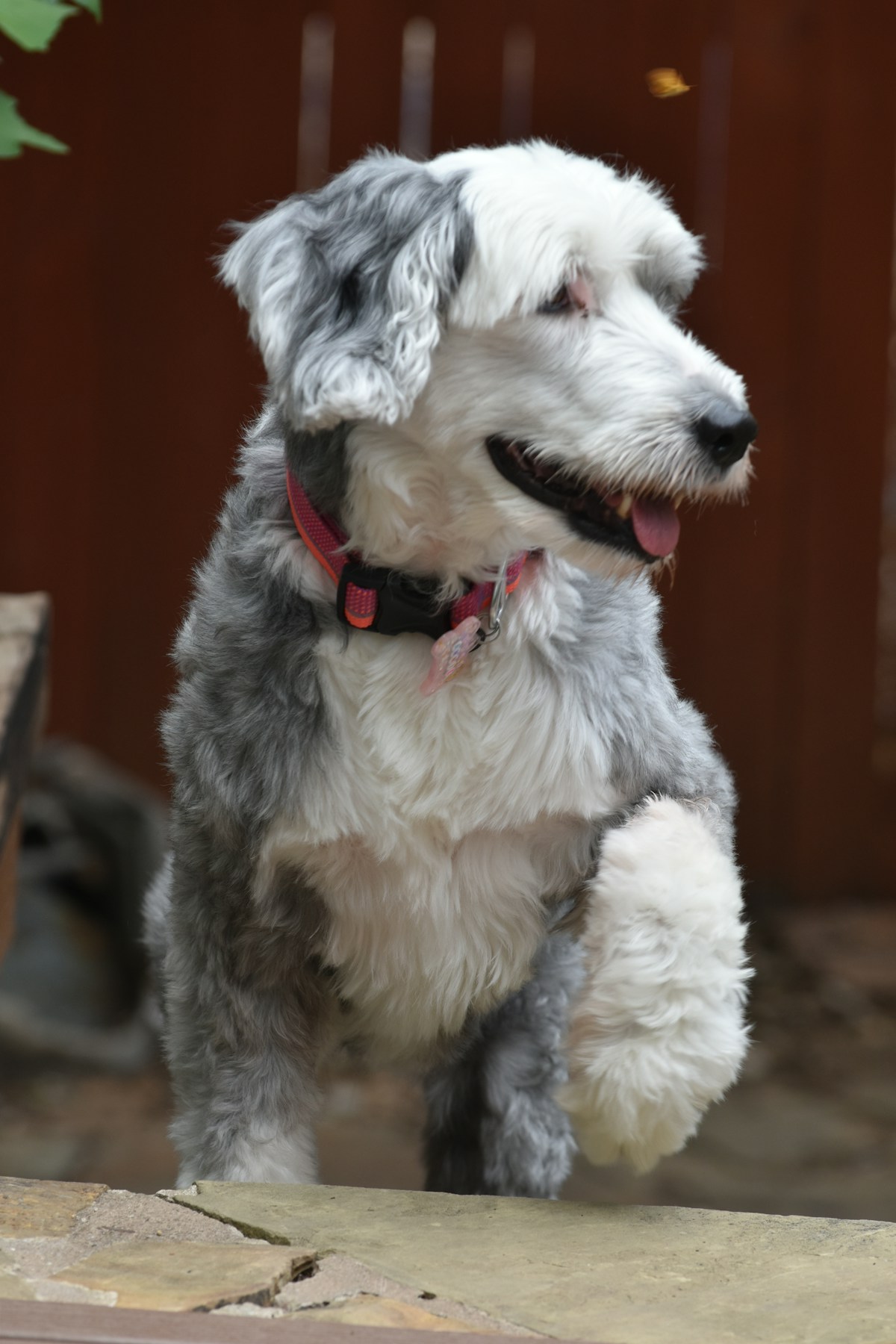
Regular rest stops every 2 to 3 hours keep a road trip comfortable for dogs of any size.
Motion Sickness: Prevention Tips
Car sickness is more common in puppies, partly because the inner ear structures responsible for balance aren’t fully developed yet. A few strategies that genuinely help:
- Position your dog to see out the window. Dogs who can visually track motion tend to feel less nauseated than ones who can’t.
- Keep the car calm and quiet, with soft music rather than loud noise or sudden stops.
- Ask your vet about ginger. Some evidence suggests a small amount can ease nausea similarly to over-the-counter motion sickness remedies, though it’s not appropriate for every dog, so check first.
- Avoid a full stomach before driving, without withholding water.
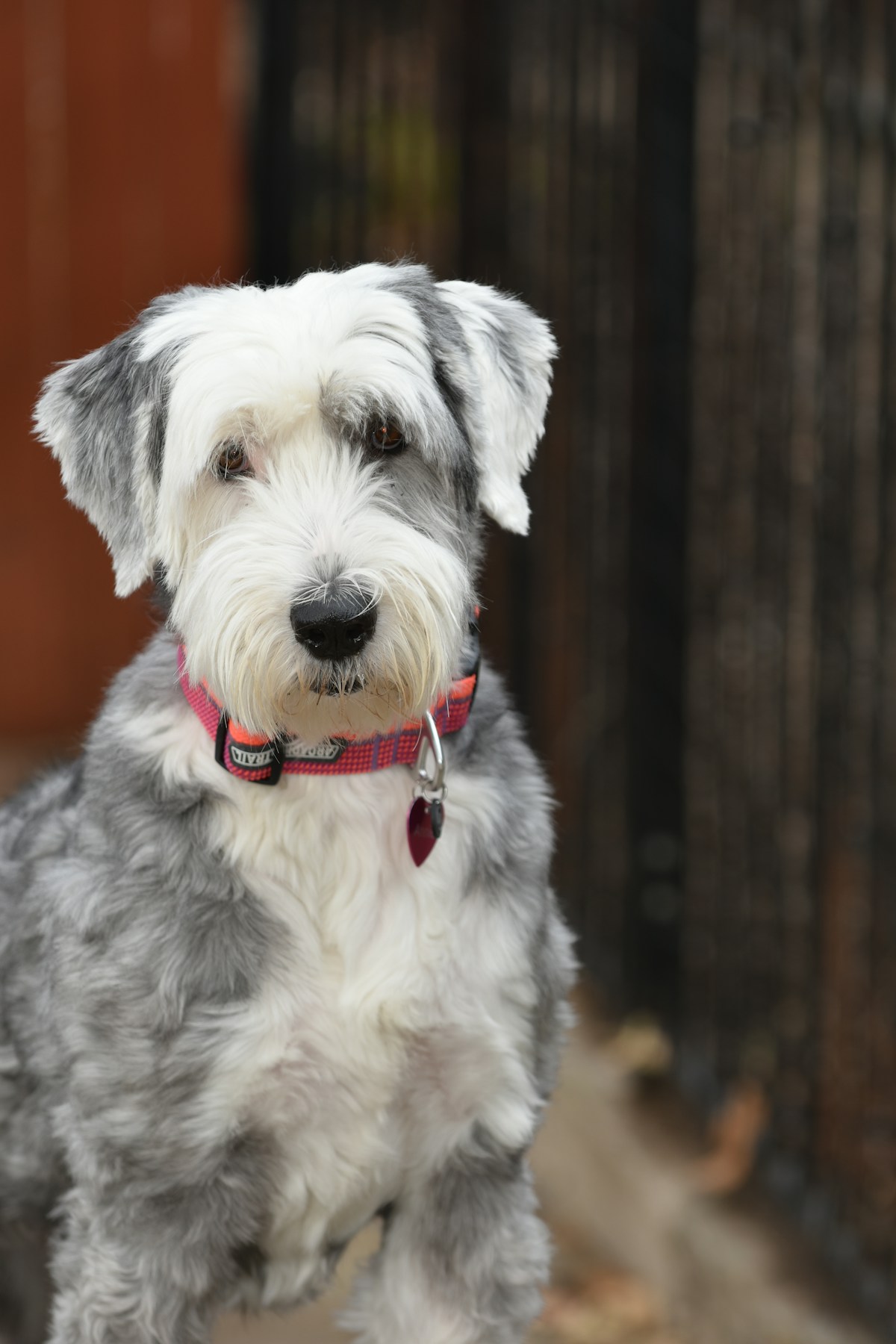
Positioning a dog to see out the window can meaningfully reduce motion sickness during car travel.
Flying with a Sheepadoodle: What to Know
This is worth knowing before you book a flight: most major airlines restrict in-cabin pets to roughly 15 pounds or less, which rules out standard and often even medium Sheepadoodles entirely unless traveling as a documented service animal. A mini or micro Sheepadoodle may fit under-seat size requirements depending on the specific airline, but it’s worth measuring your dog against exact carrier dimensions before assuming.
Standard-sized dogs typically need to fly as checked cargo (which carries real risks worth researching carefully) or through newer semi-private pet-focused charter services that have emerged specifically for larger dogs. Contact your airline directly to confirm current policy before booking, since requirements change and vary significantly by carrier.
If flying isn’t essential, driving remains the far more predictable and lower-stress option for a standard-sized Sheepadoodle, especially for trips under 12 to 15 hours. It also avoids the temperature and handling risks that can come with cargo transport, which matters more for a breed carrying the dense double coat this one does.
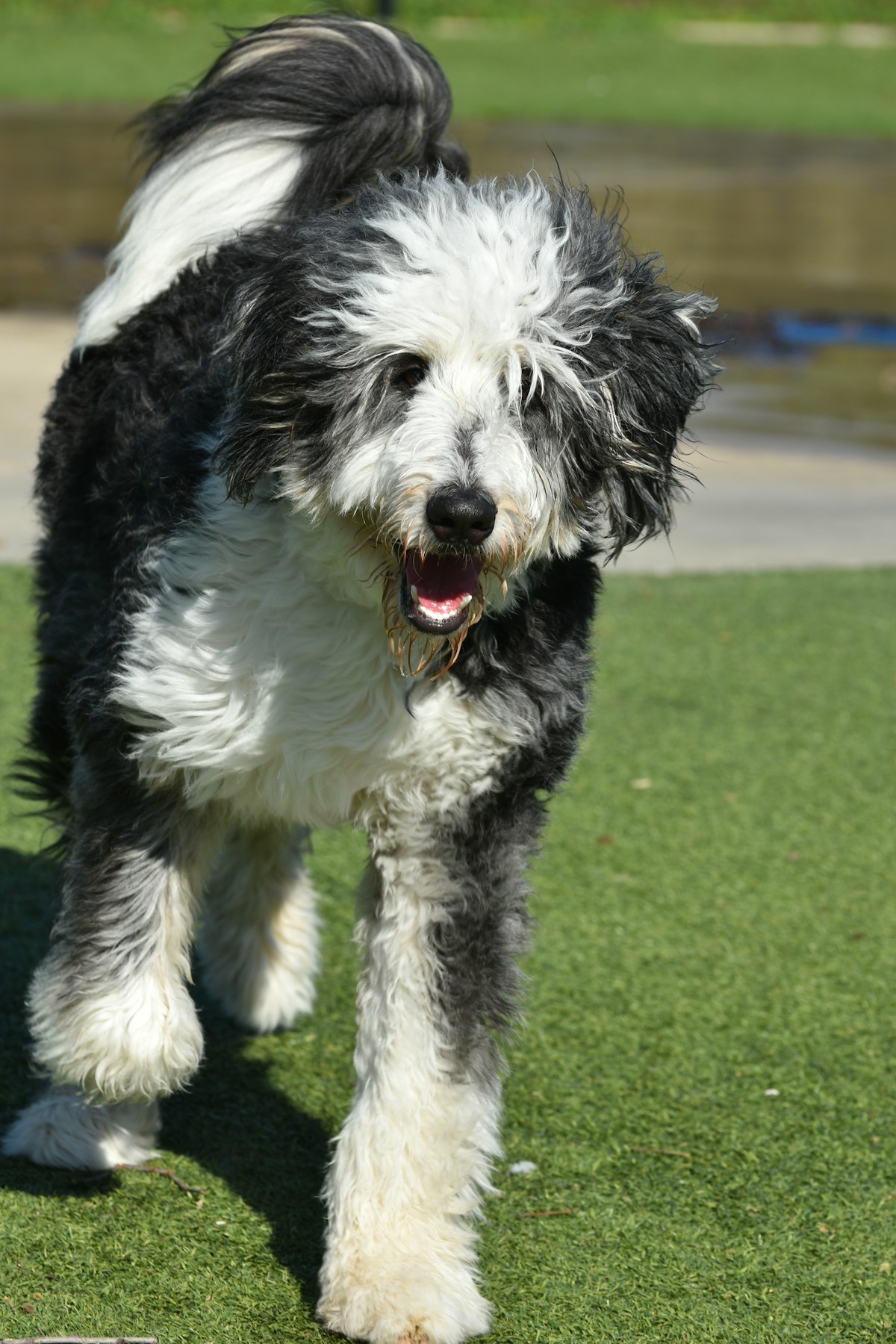
Standard-sized Sheepadoodles typically exceed in-cabin weight limits, making car travel the more practical option for most trips.
Packing Checklist for Travel
- Food and water bowls, plus enough food for the full trip (sudden diet changes can upset digestion)
- Leash, harness, and a backup collar with ID tags
- Copies of vaccination records, especially for interstate travel or boarding
- Familiar bedding or a favorite toy
- Waste bags and any grooming essentials for longer trips
- A basic pet first-aid kit
Pack a day or two before departure rather than the morning of, so you have time to notice anything missing without the added pressure of a departure deadline. A checklist you reuse for every trip makes this faster each time.
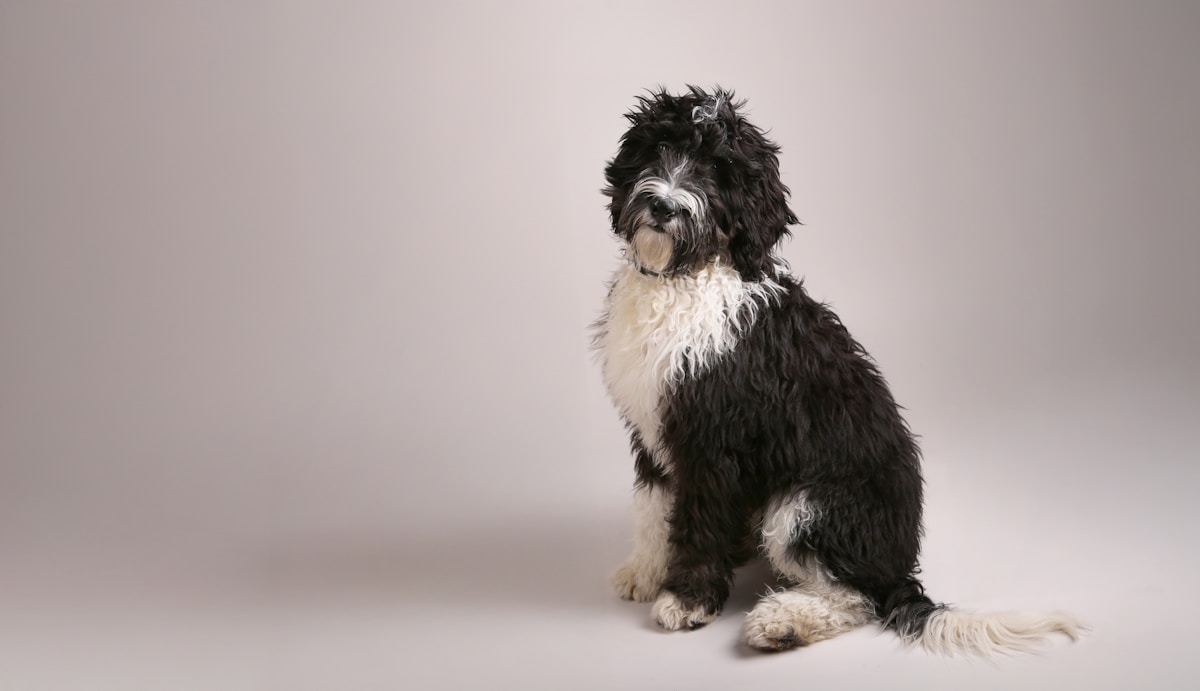
A little preparation before you leave makes travel days go far more smoothly for everyone.
Questions Before Your Next Trip?
We’re happy to talk through travel tips specific to your puppy’s age and temperament.
Contact Sunshine SheepadoodlesFrequently Asked Questions
Can a standard Sheepadoodle fly in the cabin?
Generally no. Most airlines cap in-cabin pets around 15 pounds, which excludes standard and most medium Sheepadoodles unless traveling as a documented service animal.
How do I stop my Sheepadoodle puppy from getting car sick?
Position them to see out the window, avoid feeding right before travel, keep the car calm, and ask your vet about ginger as a natural aid. Gradual exposure to car rides also helps over time.
Is a crate or harness safer for car travel?
A properly secured crate generally offers the most crash protection, though a quality seatbelt harness is a reasonable alternative when a crate isn’t practical for the vehicle or trip.
How often should I stop during a road trip with my dog?
Roughly every 2 to 3 hours for a bathroom break, water, and a chance to stretch, similar to recommendations for traveling with young children.
For more on getting your puppy comfortable away from home, see our separation anxiety guide, and review our exercise and enrichment guide for keeping your dog engaged on the road. Leaving your Sheepadoodle behind instead? Our guide to boarding and pet-sitting your Sheepadoodle covers that scenario.