Spay and neuter timing looks different for a Standard Sheepadoodle than it does for a 12-pound lapdog. At 55–85 pounds full grown, these dogs take longer to reach skeletal maturity, and the age you choose for surgery can affect joint health for the rest of their life. Here’s what actually matters when planning this decision.
Why Timing Matters More for a Dog This Size
Growth plates are the soft cartilage zones near the ends of a puppy’s long bones. They harden into solid bone once growth is complete, and that process is driven partly by sex hormones. Spay and neuter surgery removes the organs producing those hormones, which can delay growth plate closure if done too early.
In a small breed, that delay barely registers. In a large breed like a Standard Sheepadoodle, more time for hormones to regulate bone growth is linked to lower rates of hip dysplasia and cranial cruciate ligament (knee) injuries later on, and the American Veterinary Medical Association notes there’s no single “right” age for every dog, since breed size is one of the biggest variables. Our Sheepadoodle growth and weight chart shows Standard-size dogs reaching full adult size around 12.5 to 16 months, a useful reference point for this conversation with your vet.
When Should You Spay or Neuter a Sheepadoodle?
There is no single correct age for every dog, and your veterinarian should weigh in based on your Sheepadoodle’s individual growth and health. That said, three general timing approaches are commonly discussed.
| Timing | Typical Age | Why Owners Choose It | Key Consideration |
|---|---|---|---|
| Early | Before 6 months | Traditional shelter/rescue standard; done before any heat cycle | More time for growth plates to be affected by hormone loss |
| Traditional | 6–9 months | Common default recommendation from many general practice vets | May still fall before large-breed skeletal maturity |
| Delayed (large-breed) | 12–18 months | Aligns with when Standard Sheepadoodles finish growing | Requires extra management of an intact adolescent dog |
Many veterinary orthopedic specialists now suggest waiting until close to 12 months, sometimes up to 18 months, for large and giant breed dogs specifically. Texas A&M’s veterinary school notes that surgery before six months tends to involve less bleeding and a faster initial recovery, but that has to be weighed against the orthopedic considerations that come with a dog this size.
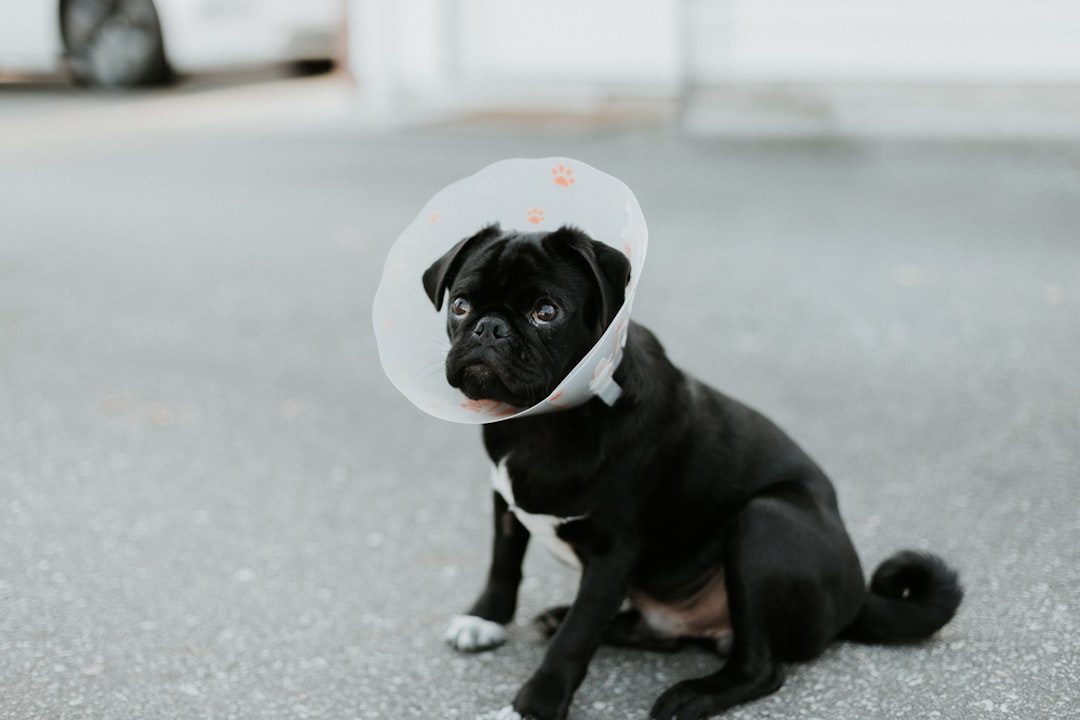
A recovery cone (or an alternative like a soft cone) is standard for the first one to two weeks.
What Happens During the Surgery
A neuter (male) removes both testicles through a small incision and is typically the shorter, simpler procedure. A spay (female) is abdominal surgery that removes the ovaries and usually the uterus, so it takes longer and involves a bigger incision.
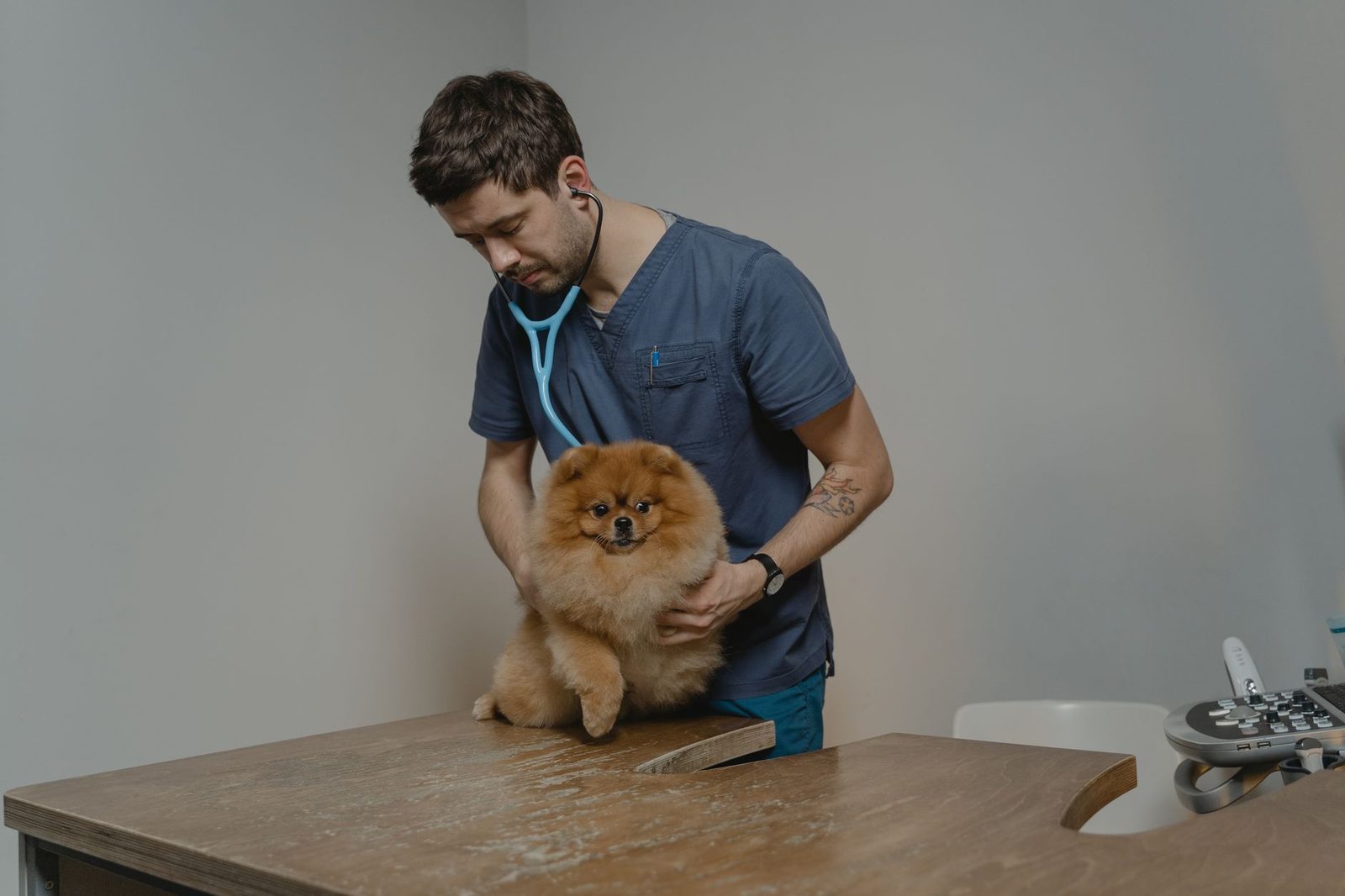
Both are done under general anesthesia at a licensed veterinary clinic, usually as an outpatient procedure. Your vet will run pre-surgical bloodwork first to confirm your dog is a safe anesthesia candidate, especially for a larger-bodied breed.
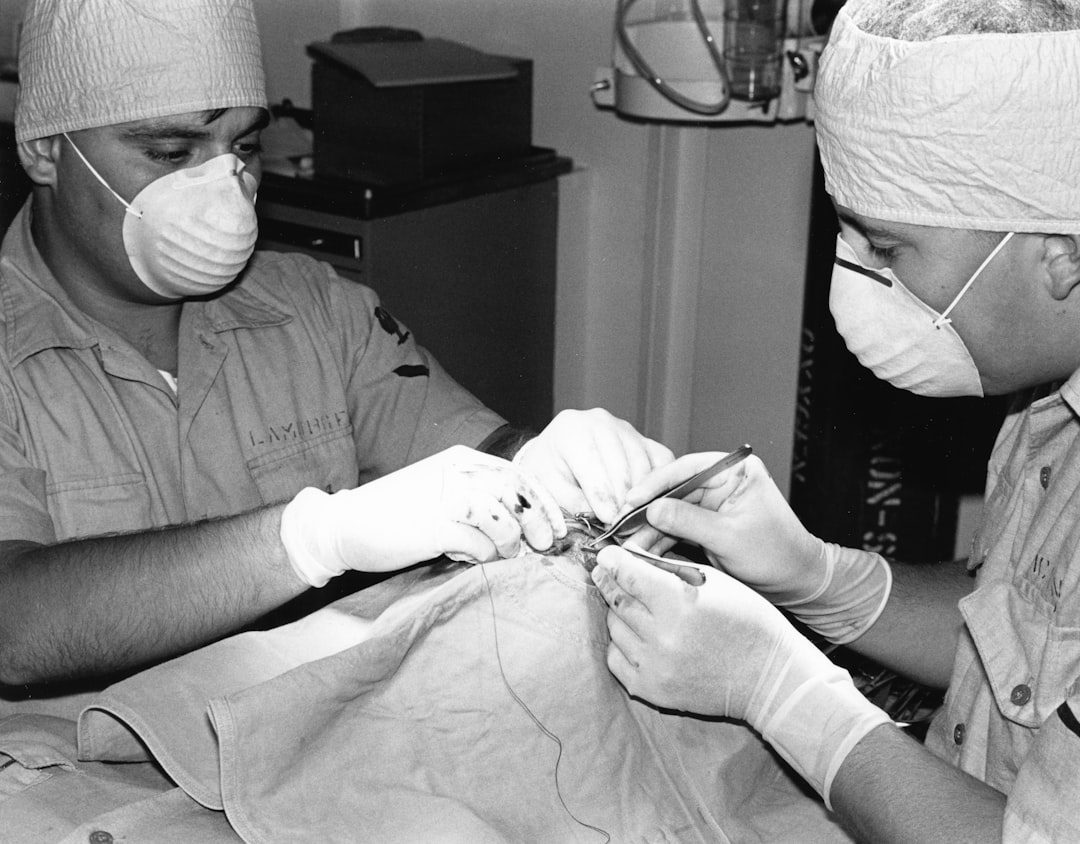
Both procedures are done under general anesthesia at a licensed veterinary clinic.
Recovery: What to Expect
Recovery length depends on which procedure your dog had, but the general pattern is similar. Here’s a rough timeline most Sheepadoodle owners can expect.
| Timeframe | What to Expect |
|---|---|
| Day 0 (surgery day) | Grogginess from anesthesia; limited food that evening; quiet, confined space to rest |
| Days 1–3 | Return of appetite and energy; incision checks; leash walks only, no running or jumping |
| Days 4–7 | Neutered males often feel back to normal; spayed females still need activity restriction |
| Days 8–10 | Suture or staple removal (if non-dissolving); incision should look clean and closed |
| Days 10–14 | Cone typically comes off once the incision is fully healed and cleared by your vet |
The cone (or a soft alternative) is not optional; licking is one of the top causes of incision infections and reopened wounds. Keeping a big, active breed calm for a week and a half is a common owner frustration. Once your vet clears your dog, ease back into normal routines using our Sheepadoodle exercise and enrichment guide for age-appropriate activity levels.
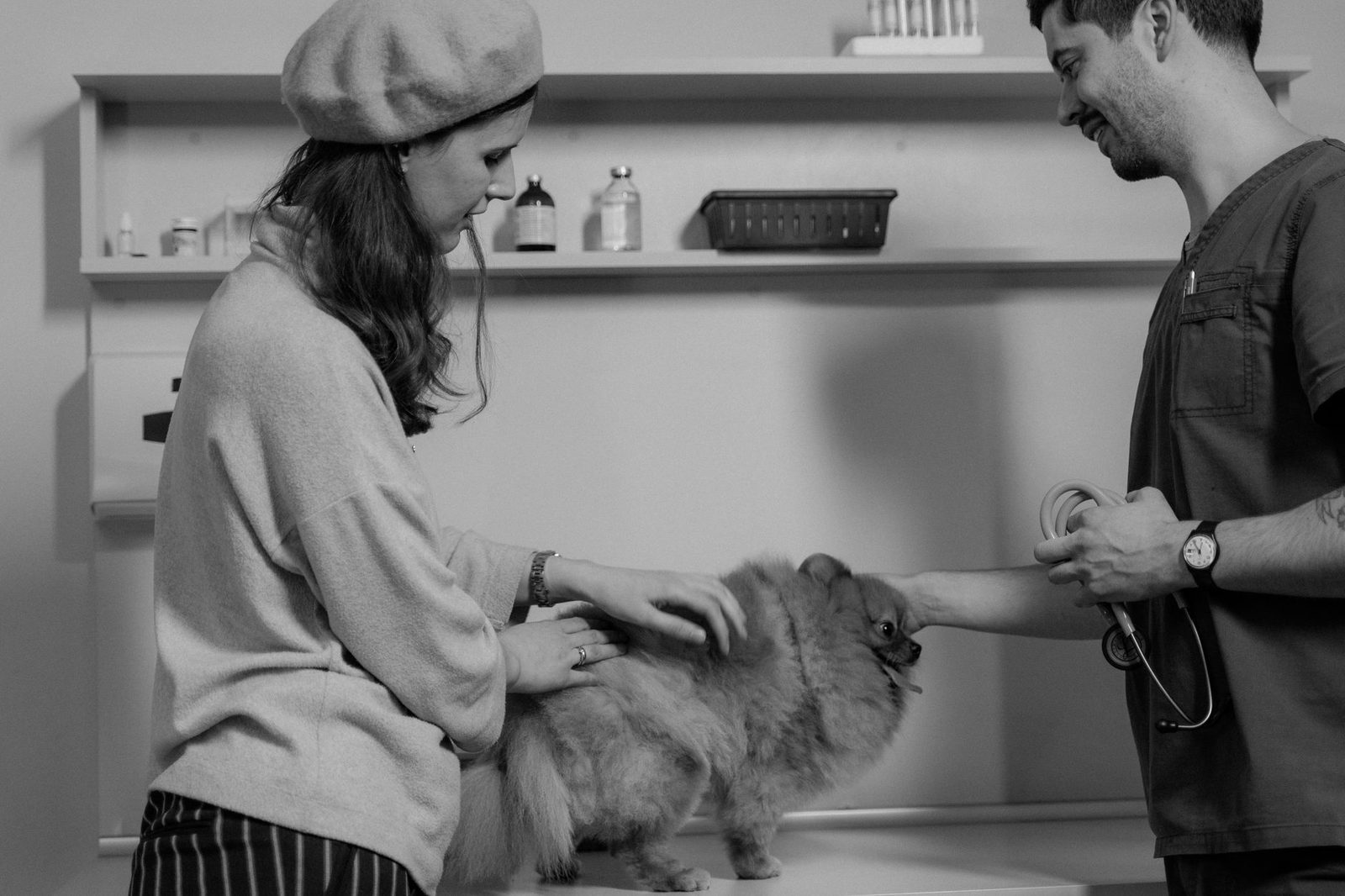
A pre-surgical consultation is a good time to ask about timing, cost, and your dog’s specific risk factors.
What It Costs
Spay and neuter pricing varies by clinic, location, and your dog’s size, since larger dogs need more anesthesia and suture material. General practice clinics typically charge more than nonprofit or low-cost clinics, and a spay costs more than a neuter because it’s the more involved surgery.
Ask for a written estimate up front covering pre-surgical bloodwork, anesthesia, pain medication, and the recovery cone. If cost is a concern, ask whether your vet offers package pricing or whether a local low-cost clinic is a safe option for your dog.
Pros of Waiting Until Growth Plates Close
- Lower reported risk of hip dysplasia and cruciate ligament injury in large breeds
- Full hormone exposure during the critical growth window
- More time to assess individual health and temperament before surgery
Cons of Waiting Until Growth Plates Close
- Females will likely go through at least one heat cycle to manage
- Intact males may roam, mark, or react to hormones in adolescence
- Requires diligent supervision to prevent accidental breeding
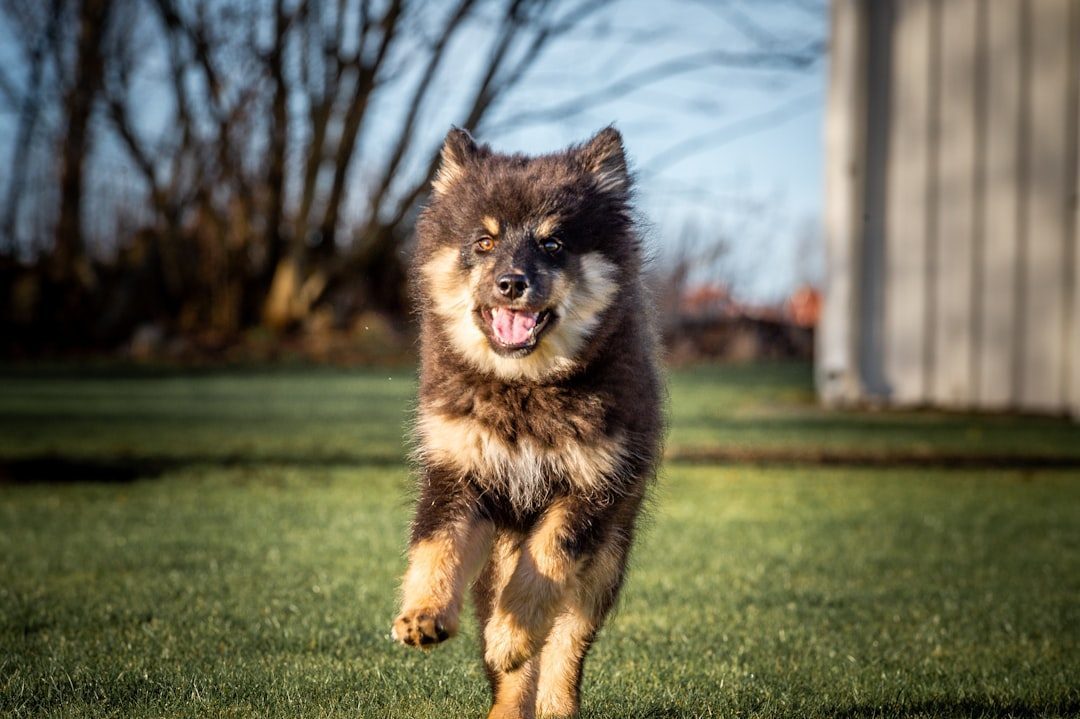
Standard Sheepadoodles keep growing well past six months, which is central to the timing decision.
Talking to Your Vet (and Your Breeder) About Timing
Bring up spay/neuter timing at your Sheepadoodle’s routine wellness visits, not just as a one-time decision. Your vet can track growth plate development and adjust the recommended age based on how your individual dog is maturing, which pairs naturally with the checkups outlined in our Sheepadoodle vaccination schedule and first vet visits guide.
If you’re working with a breeder, ask what timing they recommend or require in the puppy contract. Buyers going through our Sheepadoodle puppy reservation process can raise this directly with us, and it’s worth factoring into your overall Sheepadoodle puppy cost planning alongside food, grooming, and routine vet care.
Have Questions About Raising a Healthy Sheepadoodle?
We’re happy to talk through spay/neuter timing, growth expectations, and everything else that comes with bringing home a puppy.
Contact Sunshine SheepadoodlesFrequently Asked Questions
What is the best age to spay or neuter a Sheepadoodle?
There’s no universal answer, but many veterinary sources recommend waiting until closer to 12–18 months for large breeds like the Standard Sheepadoodle, since that gives growth plates more time to close naturally. Smaller Mini Sheepadoodles may be cleared somewhat earlier. Always confirm timing with your own veterinarian based on your dog’s growth.
Why does growth plate closure matter so much for a large breed?
Growth plates are regulated partly by sex hormones, and removing those hormones too early can delay bone growth completion. In large-bodied dogs, that delay is associated with a higher risk of orthopedic issues like hip dysplasia and cruciate ligament tears, since bigger dogs put more stress on joints that grew out of proportion.
How long does recovery take after a spay or neuter?
Most dogs need about 10 to 14 days of restricted activity and cone use. Neutered males tend to feel normal again within a few days, while spayed females need the fuller two weeks since it’s abdominal surgery. Always follow your vet’s specific discharge instructions.
How much does it cost to spay or neuter a Sheepadoodle?
Cost varies by clinic, region, and your dog’s size, with spays generally costing more than neuters due to the more involved surgery. Ask your vet for a written estimate that covers pre-surgical bloodwork, anesthesia, pain medication, and aftercare supplies before scheduling.
Will spaying or neutering change my Sheepadoodle’s temperament?
It can reduce hormone-driven behaviors like roaming, marking, or reactivity to dogs in heat, but it won’t fix training or socialization issues on its own. Most personality traits stay consistent; the biggest behavior shifts tend to be hormone-related rather than a full personality change.
Does Sunshine Sheepadoodles require spay or neuter as part of the puppy contract?
Spay/neuter expectations can be part of a puppy contract, and specifics vary by breeder and by pet-versus-breeding-rights placement. Reach out to us directly or review our puppy reservation process for the terms that apply to your specific puppy.
Getting the timing right is one piece of raising a healthy, long-lived Sheepadoodle. For the bigger picture on joint health, weight management, and aging well, see our Sheepadoodle lifespan and health guide, and pair it with our Sheepadoodle growth and weight chart to track your puppy against typical milestones.