
Booking a trip is exciting until you reach the line on the checklist that says “figure out the dog.” For a Sheepadoodle, that line deserves extra thought: a coat that mats fast in a communal setting and a people-oriented temperament both change the calculus.
This guide covers your three main care options, what a good boarding facility should require, how to prep your dog’s coat before drop-off, and what to know about this breed’s tendency to miss you. Bringing your Sheepadoodle along instead? Our Sheepadoodle travel guide covers car rides, road trips, and flying together.
Boarding Kennel, Pet Sitter, or Trusted Family: Comparing Your Options
There’s no universally “best” choice; it depends on your dog’s personality, trip length, and budget. Here’s how the three most common options stack up.
| Option | Typical Cost | Stress Level | Supervision | Best Fit |
|---|---|---|---|---|
| Boarding kennel/resort | $$ (often lowest per night) | Moderate to high for anxious dogs; lower for social dogs | Staff on-site, shared oversight of multiple dogs | Confident, social dogs; longer trips needing structure |
| In-home pet sitter | $$$ (often highest per night) | Low; dog stays in familiar territory | One-on-one, but not usually round-the-clock | Anxious dogs, seniors, dogs on strict medical routines |
| Trusted friend/family | $ (often free or low-cost) | Low to moderate, depending on the home | Varies widely by household | Dogs who already know and love that person’s home |
Costs vary by region and season, so treat the table as a general guide, not a quote. A short weekend often favors whichever option keeps your dog’s routine most intact; a week or longer may favor a boarding facility’s structure.
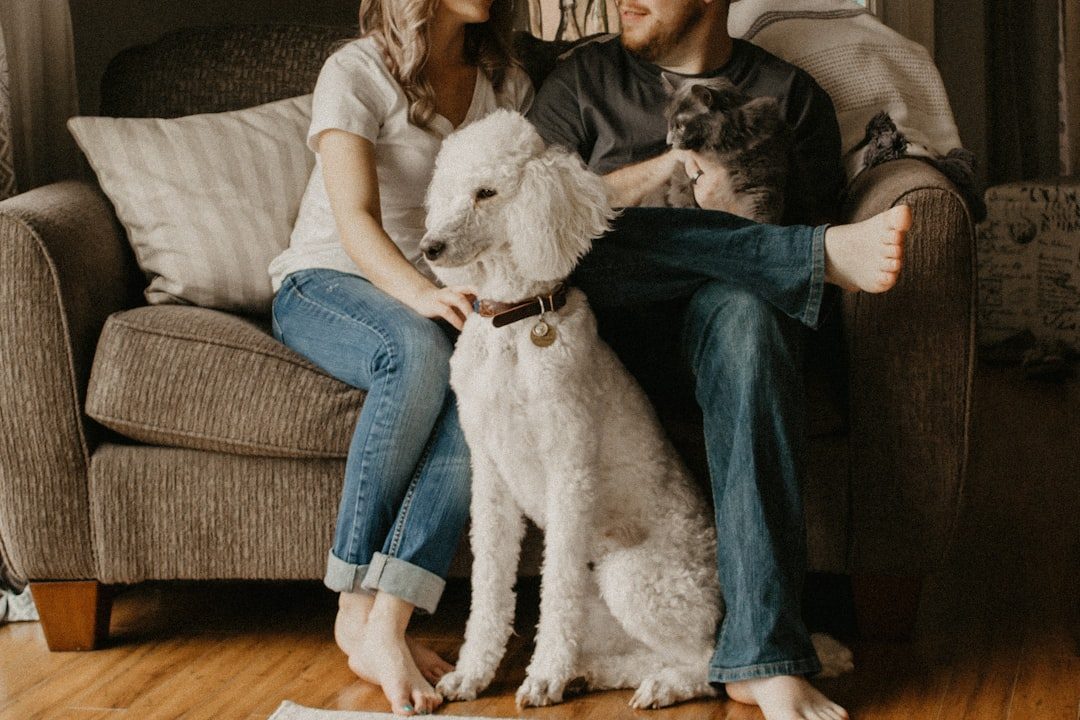
An in-home sitter lets your dog stay in familiar territory while you travel.
Why This Breed’s Personality Matters Here
Sheepadoodles are bred from two people-focused parent breeds, and that attachment is part of what makes them such devoted companions at home. It also means a care arrangement that ignores your dog’s need for connection is more likely to cause stress than it would with a more independent breed. This isn’t a reason to avoid boarding, but it’s worth matching the option to your individual dog rather than defaulting to whatever’s cheapest.
A dog who already shows signs of separation anxiety at home will likely need extra preparation before a boarding stay; see our Sheepadoodle separation anxiety guide for symptoms and desensitization training. A dog already comfortable in a crate also tends to settle into an unfamiliar kennel run more easily, since the crate itself feels familiar. Our crate training guide walks through building that comfort from puppyhood.
Groom Before You Go: Coat Prep for a Boarding Stay
This is the step generic boarding advice almost always skips, and it matters more for a Sheepadoodle than a short-coated breed. A coat that’s already borderline on brushing can mat within days of extra activity and less individualized attention than it gets at home. Once a mat sets in against the skin, it tends to get worse in a kennel environment, since staff caring for many dogs generally aren’t doing the line-brushing routine you would at home.
Do before drop-off
- Schedule a full brush-out or professional groom the week before boarding
- Ask your groomer to check problem spots: behind the ears, armpits, under the collar
- Trim nails so they don’t catch on kennel flooring or bedding
Avoid
- Booking right after a coat has gone weeks without brushing
- Assuming staff have time for the same detail-brushing you’d do at home
For brushing schedules by coat type, see our Sheepadoodle grooming guide, and if you’re weighing a shorter, lower-maintenance cut before a trip, our grooming styles guide can help.
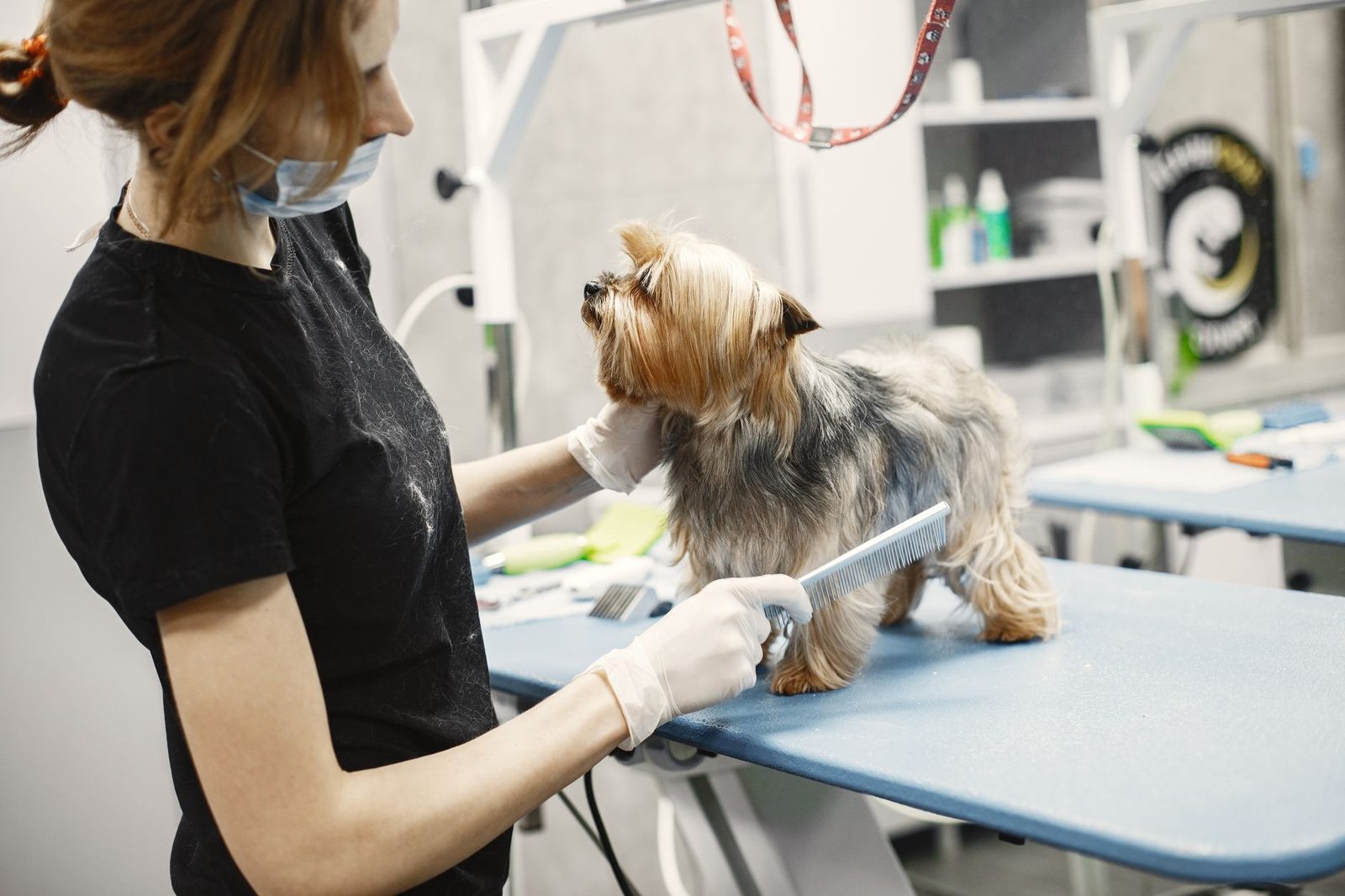
A thorough brush-out or professional groom before boarding helps prevent painful mats.
What a Good Boarding Facility Should Require and Offer
A reputable kennel asks you questions before it ever asks for payment. According to the American Kennel Club, a trustworthy facility should let you tour the space and answer questions willingly; refusal to show you around or a lack of interest in your dog’s temperament are both red flags. Most facilities require proof of core vaccines (rabies, distemper/parvo) plus a non-core “lifestyle” vaccine for bordetella, since kennel cough spreads easily where dogs share air space. Timing matters: some bordetella vaccines need roughly two weeks to take effect, so don’t wait until the day before drop-off. Our vaccination schedule guide covers the core puppy series; ask your vet which lifestyle vaccines fit your dog’s boarding exposure.
Questions to ask before booking
- What vaccines and records do you require, and how far in advance?
- What is your staff-to-dog ratio, and is someone on-site overnight?
- How do you handle a dog showing signs of stress or anxiety?
- Can I tour the kennel runs, play yards, and sleeping areas in person?
- Do you offer a trial half-day or overnight before a longer stay?
Red flags
- Facility won’t allow a walk-through of where dogs actually sleep
- No vaccine records requested at intake
- No accommodation offered for anxious or first-time boarders
Preparing for Drop-Off Day
Whichever option you choose, a little preparation goes a long way toward a calmer stay. Bring an item that smells like home, such as an unwashed T-shirt or your dog’s regular bed, and keep your goodbye short and upbeat. Dogs pick up on hesitation, and a calm, matter-of-fact departure helps them settle faster than a tearful one.
Write out feeding amounts, medication schedules, and your vet’s contact information, and leave a second emergency contact who can make decisions if you’re unreachable. The ASPCA also recommends confirming your sitter or caretaker knows your travel itinerary and has the Animal Poison Control Center number on hand. This applies whether you’re briefing a kennel’s intake staff, a pet sitter, or a family member.

A packed bag with bedding, food, and written care instructions smooths the drop-off.
Consider a Trial Run First
If your Sheepadoodle has never been boarded or left with a sitter, a short trial, such as a half-day of daycare or a single overnight, gives you real information before a week-long stay. Watch how your dog acts at pickup: tired and content is a good sign, while withdrawn or unusually clingy behavior suggests adjusting your plan. Evaluate an in-home sitter the same way with a meet-and-greet or single overnight before your actual travel dates.
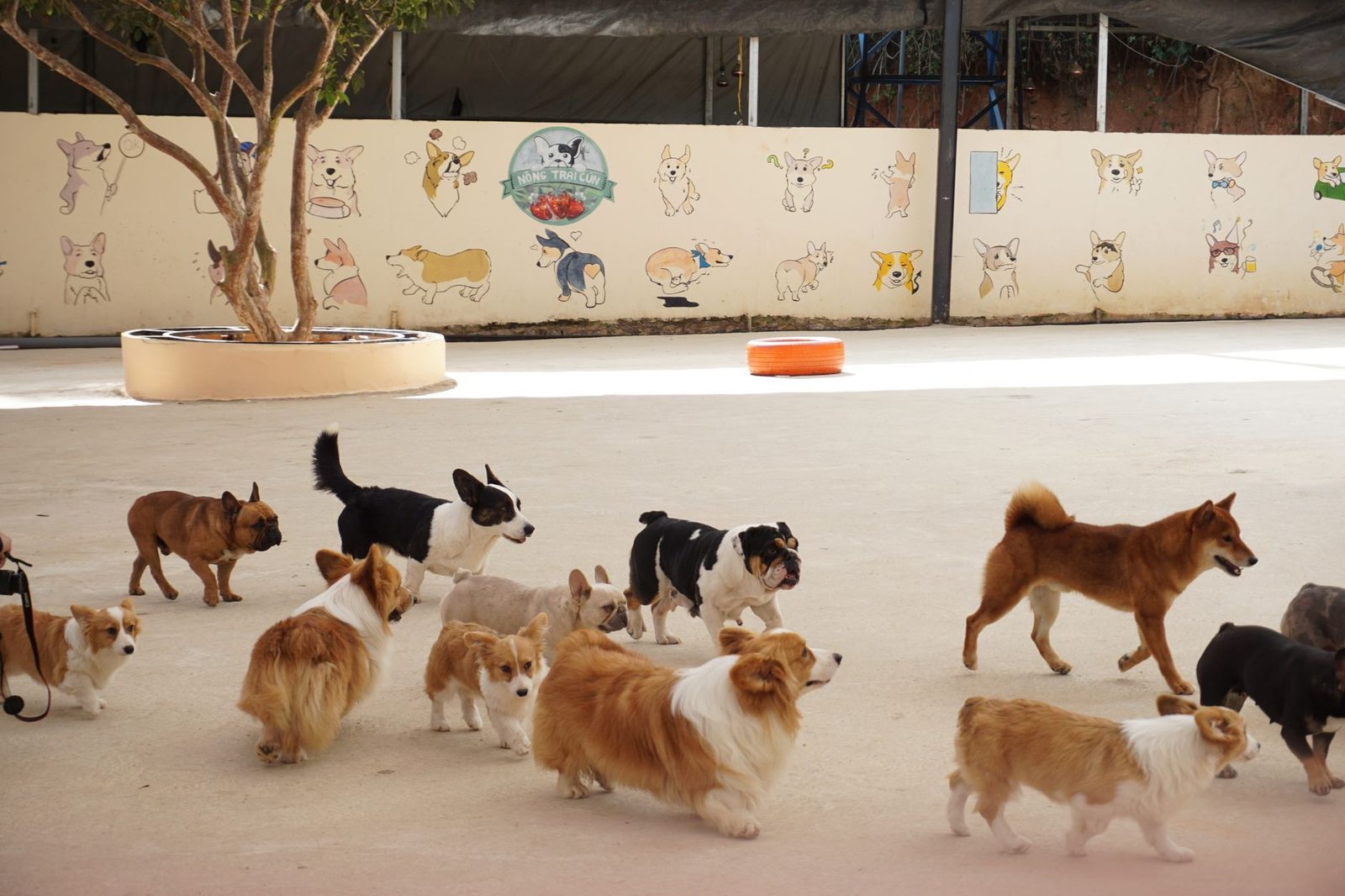
A trial daycare visit helps gauge how a social dog handles group settings before a longer boarding stay.
Questions About Raising a Well-Adjusted Sheepadoodle?
From crate training to travel planning, our team is happy to help you prepare for life with your puppy.
Contact Sunshine SheepadoodlesFrequently Asked Questions
Should I board my Sheepadoodle or hire a pet sitter?
It depends on your dog’s temperament and trip length. Social, confident dogs often do well at a good boarding facility, while dogs who are anxious, elderly, or on a strict medical routine usually do better with an in-home sitter.
How far before boarding should I get my Sheepadoodle groomed?
Aim for a full brush-out or professional groom within a week of drop-off. Starting a boarding stay with an already mat-prone coat makes matting far more likely by pickup day.
What vaccines does a boarding kennel usually require?
Most facilities require current core vaccines (rabies, distemper/parvo) plus bordetella for kennel cough. Ask about timing, since some bordetella vaccines need about two weeks to become effective.
Will my Sheepadoodle be stressed at a boarding kennel?
Some stress is common for any dog in a new environment, and Sheepadoodles’ people-oriented nature can make separation harder for some individuals. A facility experienced with anxious dogs, plus a trial stay beforehand, can make a real difference.
Is a trusted friend or family member a good boarding alternative?
It can be, especially if your dog already knows and is comfortable in that person’s home. Just make sure they have your feeding schedule, vet contact information, and emergency plan in writing.
Should I do a trial stay before a long boarding trip?
Yes, a short trial such as a single overnight or a half-day of daycare gives you a good read on how your dog will handle a longer stay before you commit to one.
Deciding how your Sheepadoodle will spend your time away is as much a part of trip planning as booking your own flight. For more on keeping your dog’s coat healthy between boarding stays, see our Sheepadoodle grooming guide, and for the deeper training approach to separation-related stress, visit our separation anxiety guide.