Ask five Sheepadoodle owners what haircut their dog is wearing and you’ll get five different answers — teddy bear, puppy cut, lamb cut, summer cut, or “whatever the groomer felt like that day.” Haircut style is a choice you actively make every six to eight weeks, and the words you use in the grooming chair determine how your dog looks until the next visit.
This guide walks through the main Sheepadoodle haircut styles, how they hold up against a Texas summer, and what to say to a groomer to get the look you pictured. For the tools, brushing schedule, and matting-prevention side of coat care, see our separate Sheepadoodle grooming guide — this article is only about the cut itself.
Why the Cut Matters More on a Sheepadoodle
A Sheepadoodle’s coat blends the Old English Sheepdog’s dense double coat with the Poodle’s single, curlier coat. Depending on generation (F1, F1B, multigen), that mix produces anything from a loose wave to a tight curl, so the same clip can look different from one littermate to the next. Naming a length in inches and showing a photo works better than relying on a style name alone.
The Main Sheepadoodle Haircut Styles, Compared
These are the styles you’ll most commonly hear discussed for Sheepadoodles and other doodle breeds. Lengths are approximate — every groomer’s clipper guard numbering runs slightly differently, so bring a reference photo.
| Style | Approx. Length | Maintenance | Best For |
|---|---|---|---|
| Teddy Bear Cut | 1–2 in., rounded face and legs | Moderate-high | Owners who want the classic “plush toy” look and brush often |
| Puppy Cut | 1/2–3/4 in., even all over | Moderate | Owners who want a tidy, low-fuss everyday look |
| Lamb Cut | Short body, fuller rounded legs | Moderate | A softer silhouette without full-length maintenance |
| Summer/Kennel Cut | 1/4–1/2 in. overall | Low | Hot climates, active dogs, minimal at-home upkeep |
| Natural/Show-Length Coat | 2+ in., untrimmed or lightly shaped | Very high | Owners committed to daily brushing who want the shaggy sheepdog look |
Teddy Bear Cut
The teddy bear cut is the style most people picture when they search for Sheepadoodle photos. The body is trimmed to a uniform one to two inches, while the face is left slightly longer and rounded around the muzzle, cheeks, and eyebrows so the dog reads as a stuffed animal rather than a shaved dog.
Because it relies on precise scissor-rounding rather than a single clipper pass, it’s one of the harder styles to execute at home and is best left to a professional groomer. This rounded, sculpted approach traces back to traditional Poodle clip styles, the side of a Sheepadoodle’s ancestry where most doodle grooming terms originated.
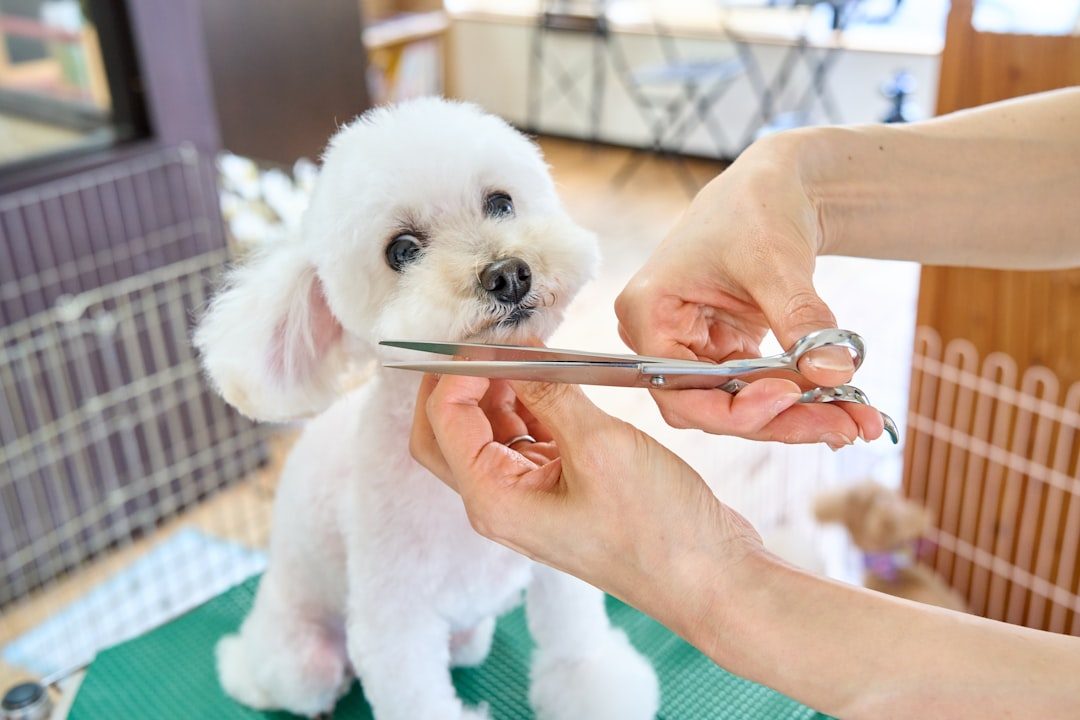
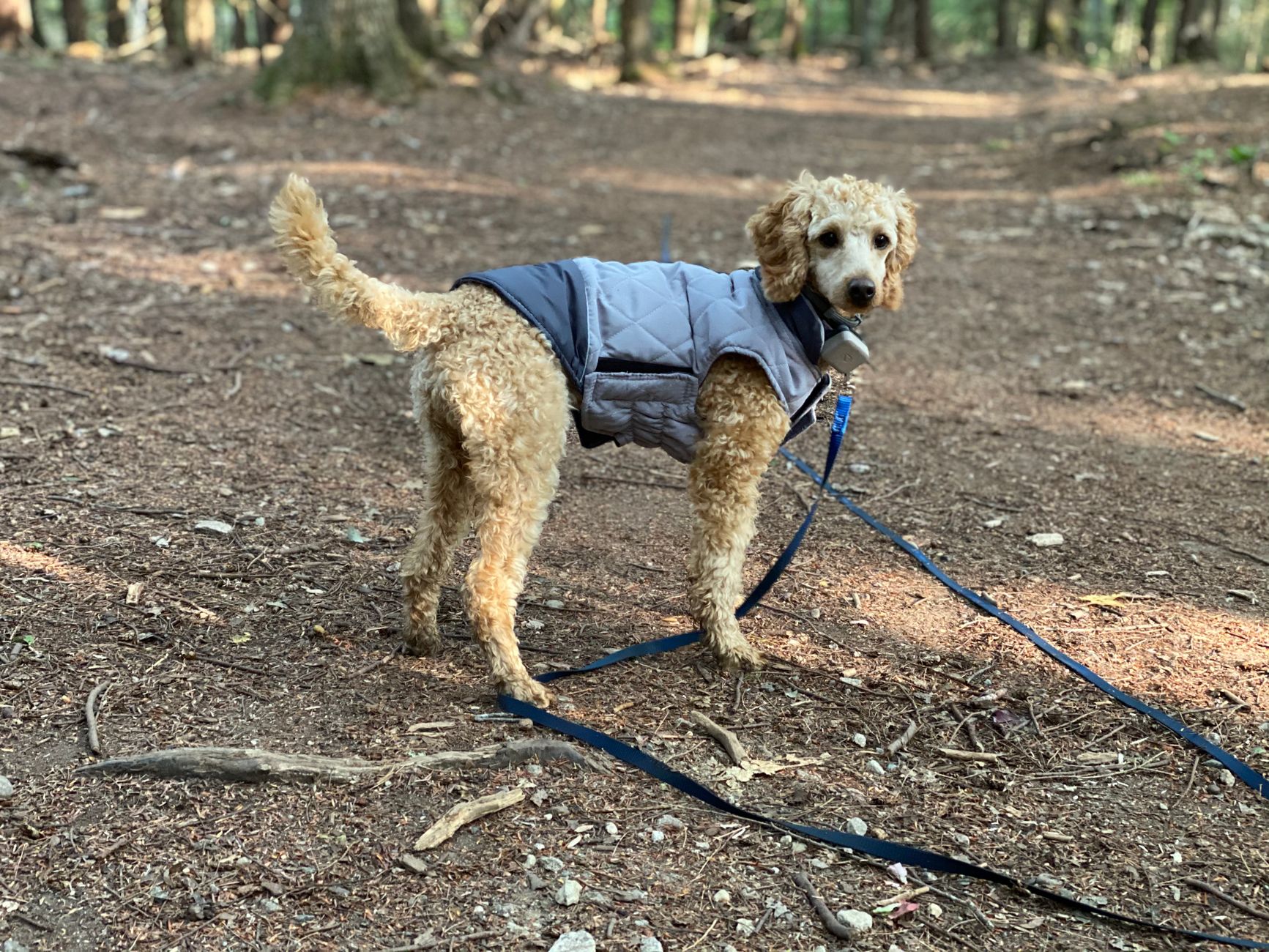
A teddy bear cut relies on hand-scissored rounding around the face, not just a clipper guard.
Puppy Cut
The puppy cut trims the coat evenly to about half an inch to three-quarters of an inch across the whole body, including the face, with no dramatic rounding or shaping — mimicking how young puppies naturally look before their adult coat comes in. It’s the style most owners settle into for daily life: forgiving between appointments, cooler than longer cuts, and easy to describe to a new groomer.
Lamb Cut
The lamb cut keeps the body trimmed short while leaving the legs noticeably fuller and rounded, similar to the leg pom-poms seen in some Poodle trims. It gives a softer, more sculpted silhouette than a straight puppy cut without the full commitment of a longer coat, though the extra scissor work at the leg transitions usually means a longer appointment and a slightly higher price.
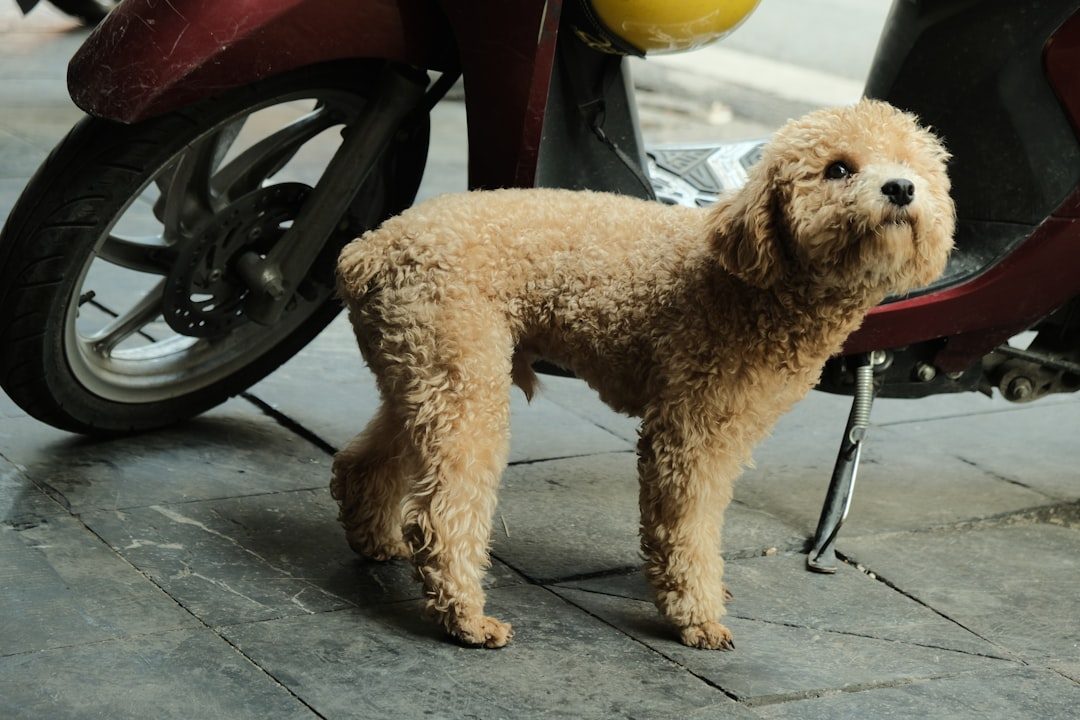
A lamb cut pairs a short body trim with fuller, rounded leg fur.
Summer/Kennel Cut
The summer cut — sometimes called a kennel cut — takes the whole coat down to around a quarter to half an inch, including the face and ears. It’s the lowest-maintenance option and the one most owners in hot climates request going into summer.
One caution: skin under white or lightly pigmented patches can sunburn once the insulating coat is removed, so a short summer cut still calls for shade and pet-safe sunscreen during peak Texas heat.
Natural / Show-Length Coat
Some owners skip haircuts almost entirely, letting the coat grow into the long, shaggy, sheepdog-influenced look the breed is named for, with only light trimming around the eyes, paws, and sanitary areas. It’s the most striking option and the most demanding — daily brushing is close to mandatory, since a coat this long mats quickly at the ears, armpits, and behind the legs.
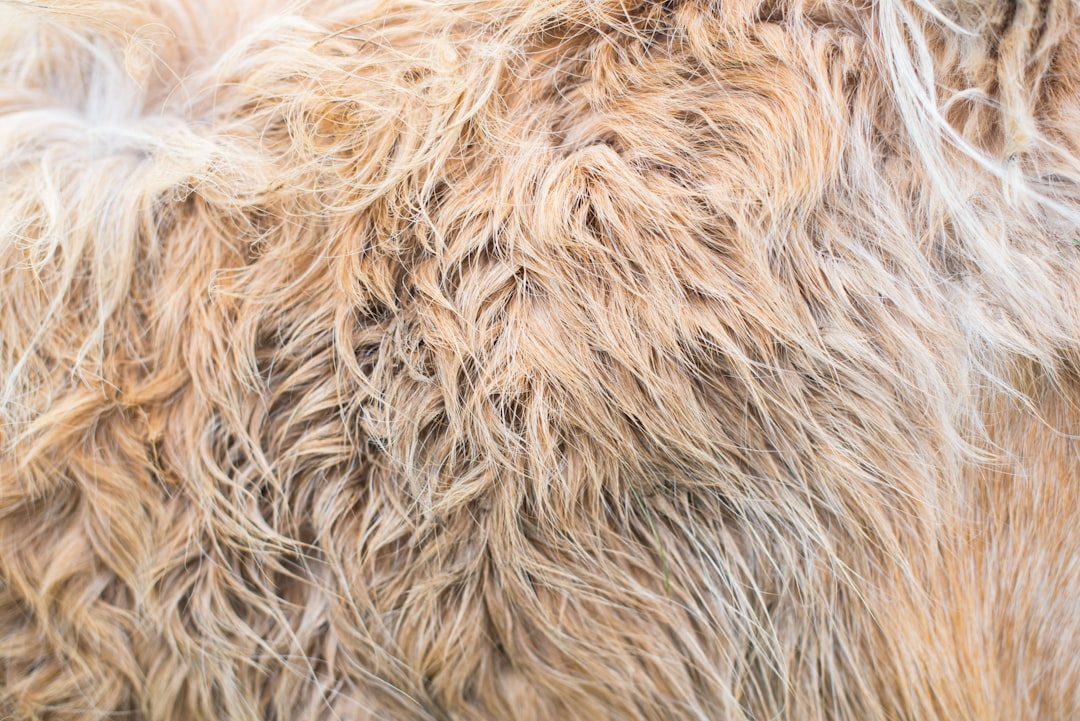
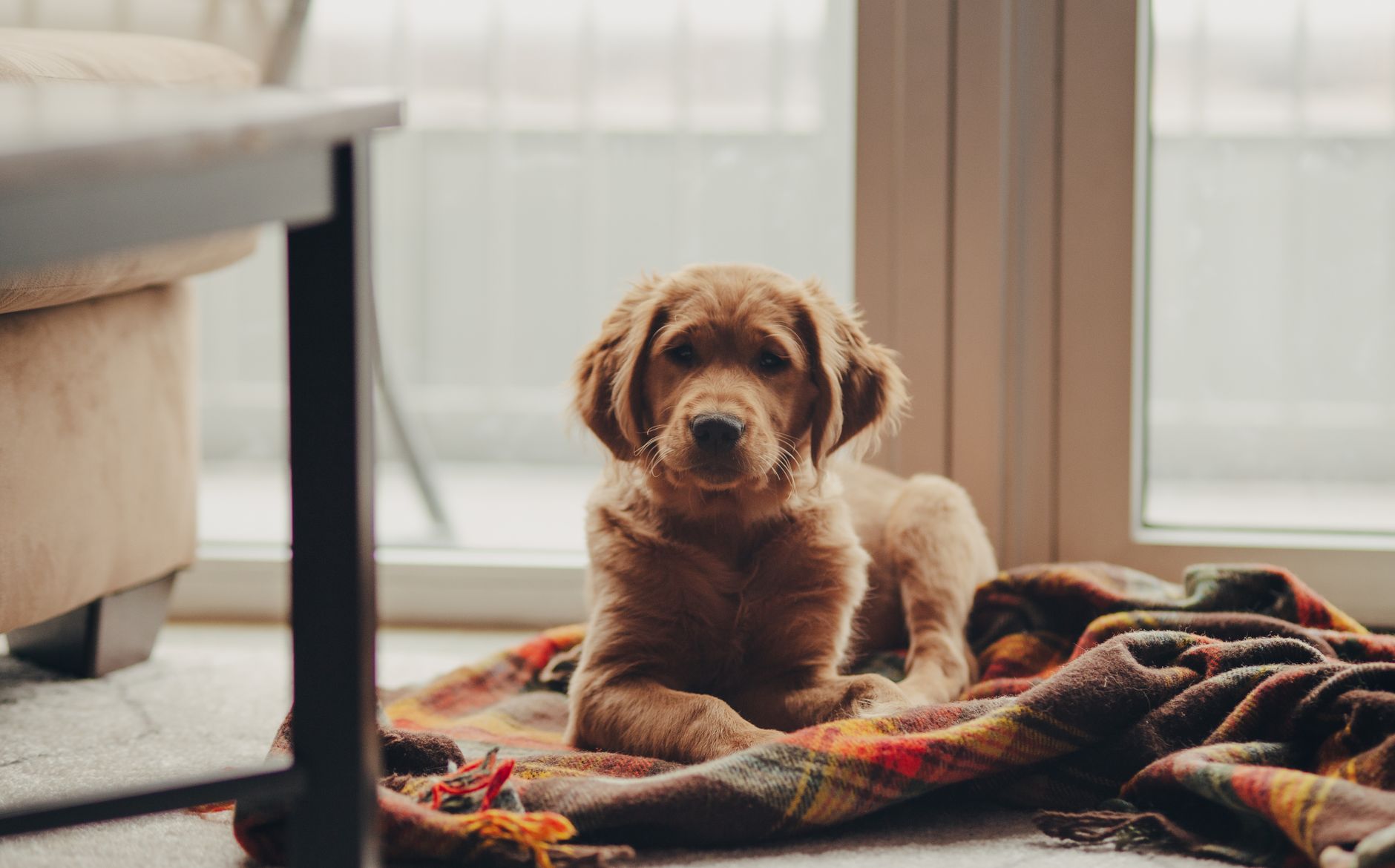
A natural, show-length coat keeps the breed’s signature shaggy look but demands daily brushing.
Short Cuts (Summer/Puppy) — Pros
- More comfortable in Texas heat
- Far less daily brushing
- Mats are less likely to form
Longer Cuts (Natural/Teddy Bear) — Cons
- Near-daily brushing required
- Retains more heat in summer
- Longer, pricier grooming visits
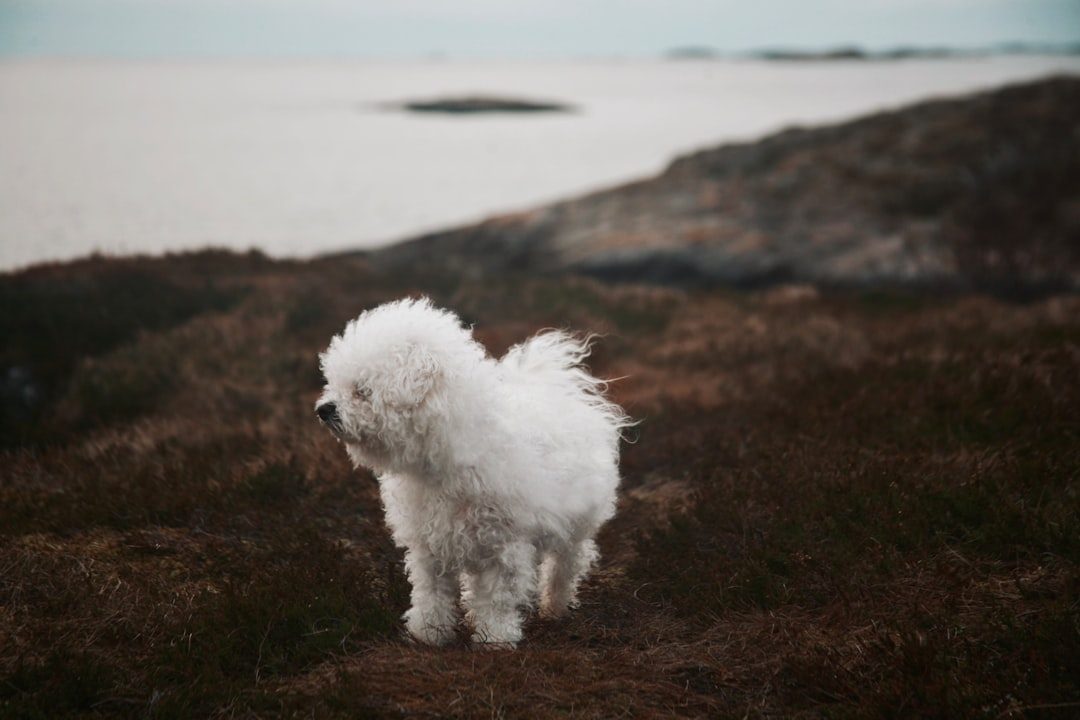
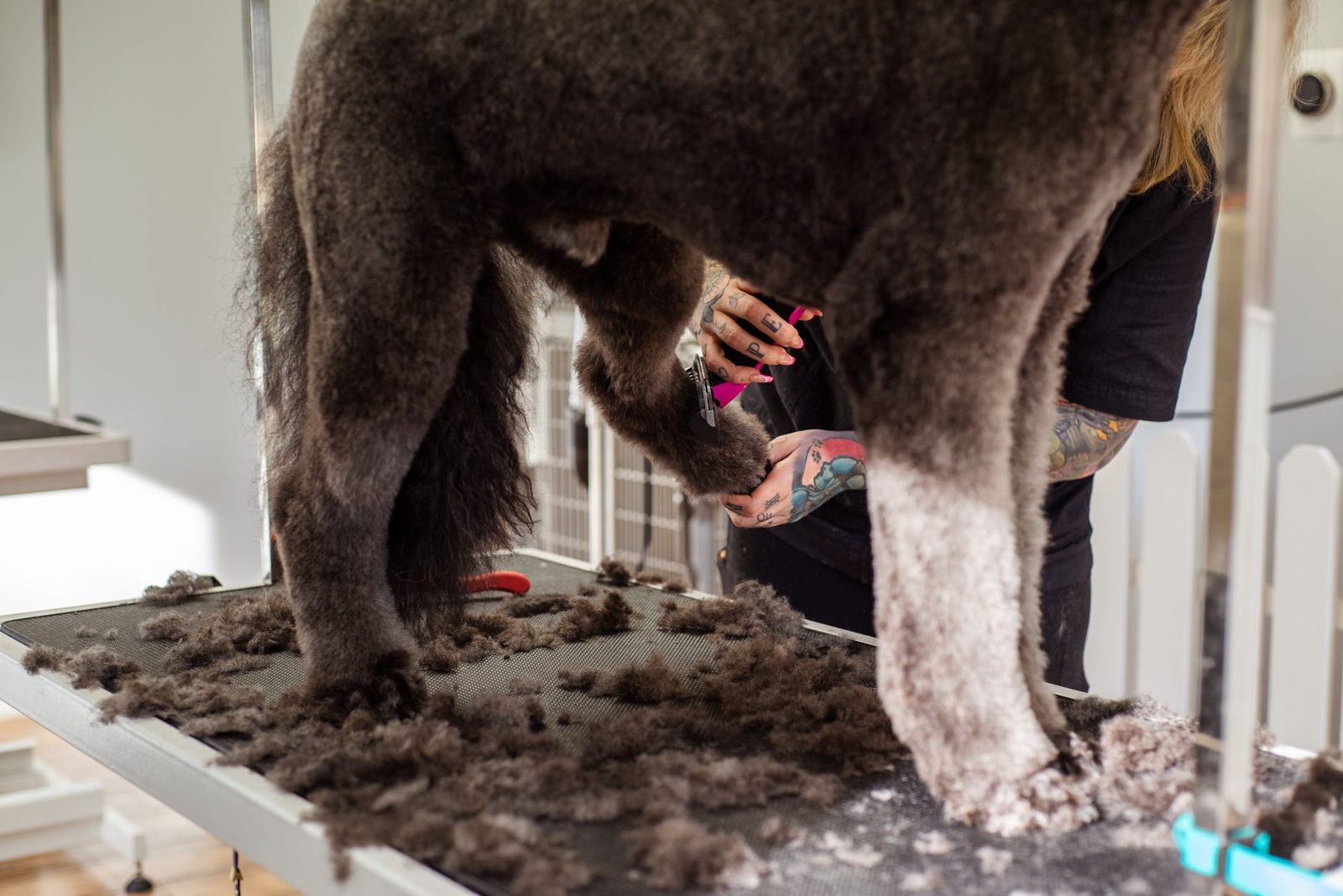
A short summer cut sheds heat better, but exposed skin still needs sun protection.
How to Communicate the Style You Want
Style names alone are unreliable — “teddy bear” means something slightly different to every groomer. Pair a reference photo with specific, measurable instructions instead:
- Bring 2–3 photos of the look you want, ideally on a doodle-type dog with similar coat texture.
- Specify a length in inches or a clipper guard number, since “short” and “long” mean different things to different groomers.
- Say how much you brush at home so the groomer can suggest a realistic length.
- Flag sensitive areas — ears, paws, tail, and face — where tolerance for scissor work varies.
- Ask about coat texture so the groomer knows how your dog’s curl-to-wave ratio behaves under a clipper.
The National Dog Groomers Association of America certifies professional groomers, and choosing one familiar with doodle coats is one of the more reliable ways to avoid a haircut that doesn’t match what you described. Most appointments also include nail trimming and paw pad clean-up — see our Sheepadoodle nail and paw care guide for what to handle between visits.
Texas Heat and Cut Choice
Climate is a legitimate factor in choosing a style, not just an aesthetic one. Dogs cool mainly through panting rather than sweating, and a heavy or matted coat traps heat and blocks airflow to the skin. A shorter cut — puppy, lamb, or summer — is generally the more comfortable choice for dogs spending real time outdoors in Texas, and many owners who love the natural or teddy bear look simply shorten it for the hottest months and let it grow back out.
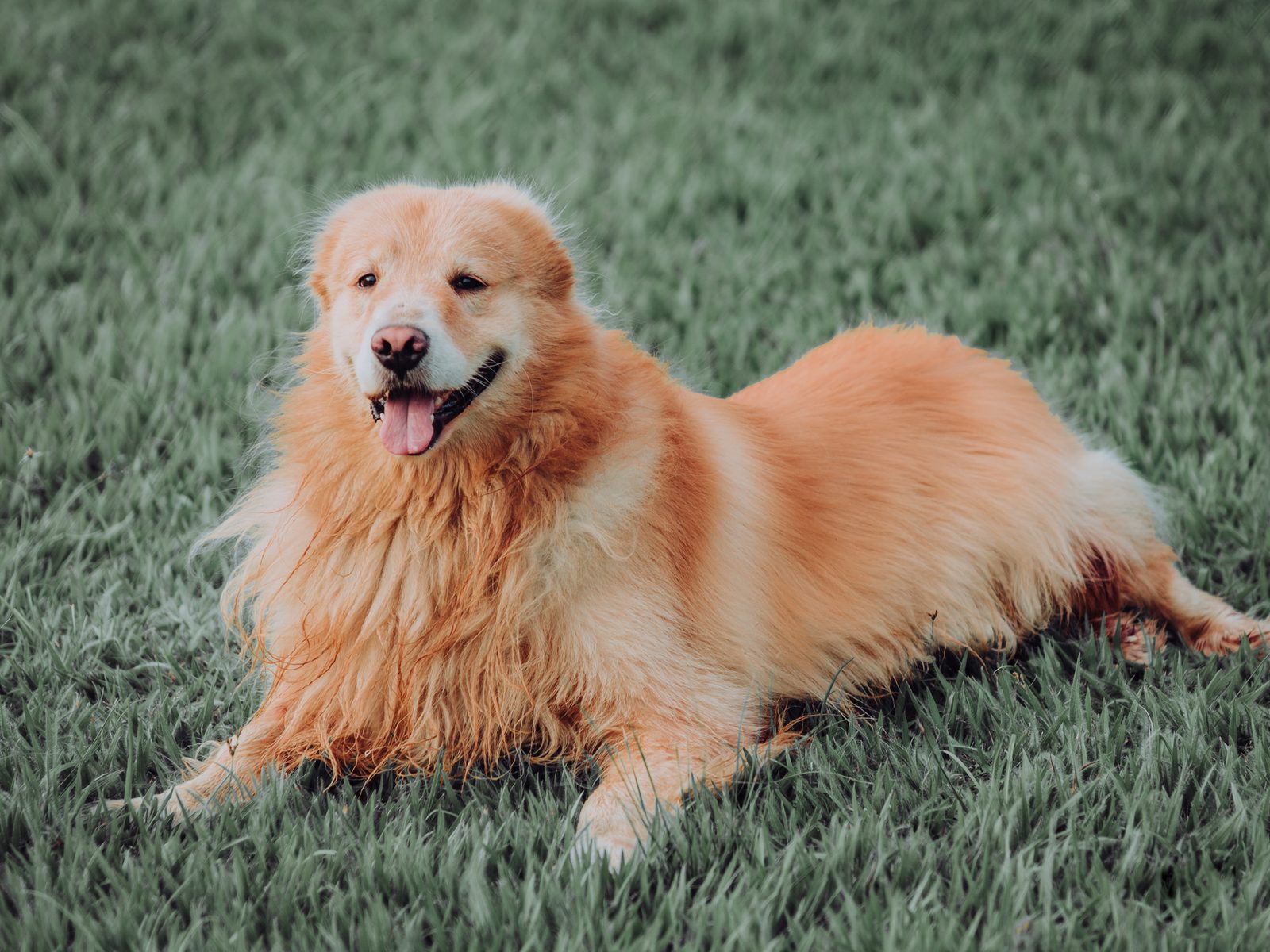
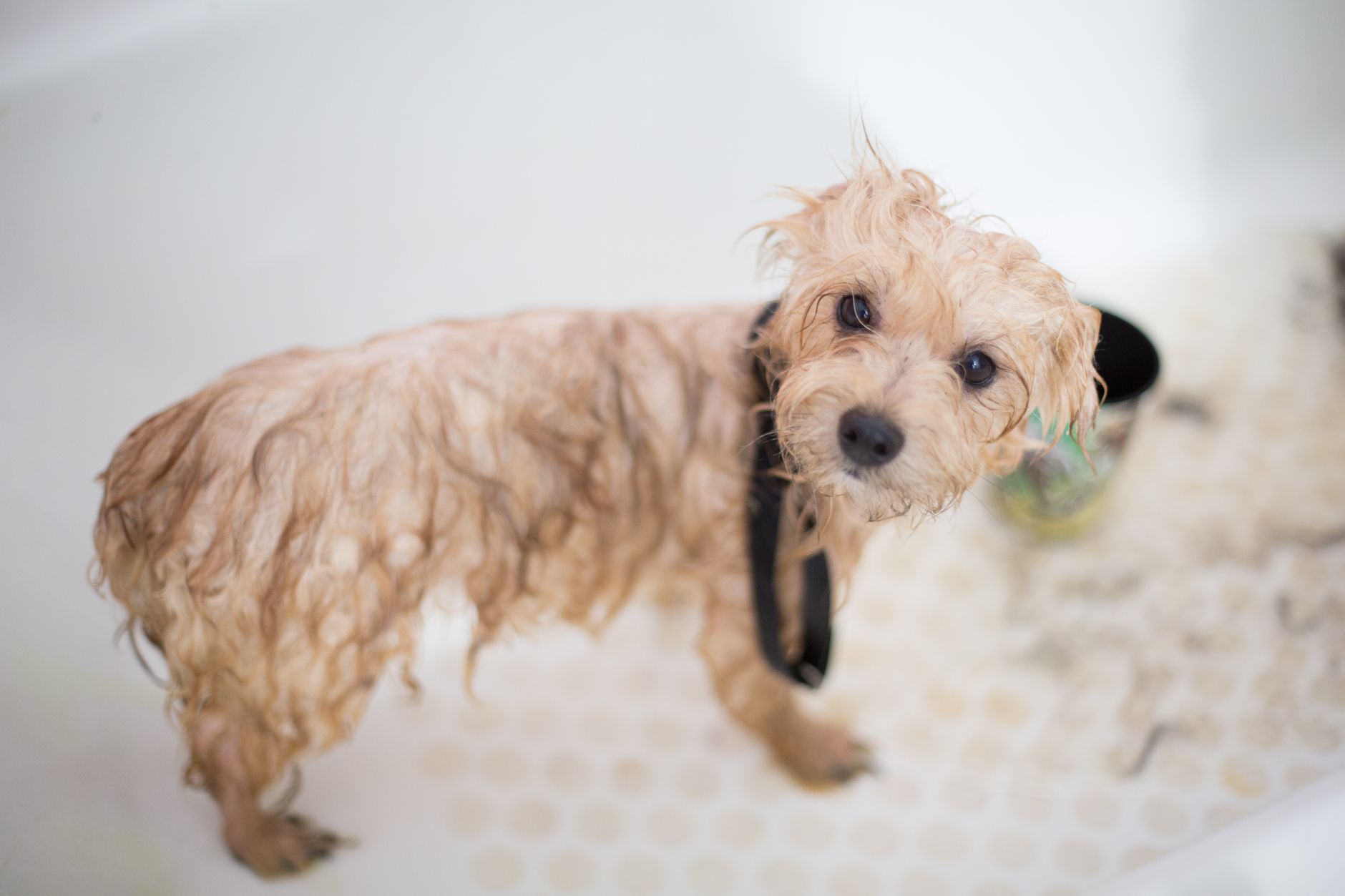
Coat length affects how easily a dog sheds heat during hot Texas months.
Have Questions About Sheepadoodle Coat Care?
Our team has been raising and coaching new Sheepadoodle owners since 2004 and is happy to talk through what to expect from your puppy’s adult coat.
Contact Sunshine SheepadoodlesFrequently Asked Questions
What’s the difference between a teddy bear cut and a puppy cut on a Sheepadoodle?
A teddy bear cut leaves the face longer and hand-scissored into a rounded shape, while a puppy cut trims the face to the same even length as the body. Some groomers use the terms interchangeably, so a reference photo matters more than the label.
How often does a Sheepadoodle need a haircut?
Most owners schedule a professional trim every six to eight weeks. Longer, natural-length styles need more brushing between visits, while short summer or kennel cuts can stretch a bit longer.
Can I keep my Sheepadoodle’s coat long and shaggy year-round?
Yes, but it requires close to daily brushing, and the coat will hold more heat in warm weather. Many owners shorten it for summer and let it grow back out in cooler months.
Will a short summer cut change my Sheepadoodle’s coat color or texture?
Cut length doesn’t change color, though freshly cut fur can look a shade lighter or darker than weathered tips until it grows out. See our Sheepadoodle coat colors and patterns guide for how coats shift with age and sun exposure.
How much does a professional Sheepadoodle haircut typically cost?
Sheepadoodles generally cost more to groom than single-coated breeds because of the time needed to fully brush out, dry, and scissor-shape the coat. Longer or more detailed styles like the teddy bear cut take more chair time — and cost more — than a straightforward puppy or summer cut.
Is it safe to shave a Sheepadoodle down to the skin?
A close shave is sometimes necessary for severe matting, but isn’t recommended as a routine choice. The coat offers some sun and insect protection, and lightly pigmented skin underneath can sunburn once fully exposed.
Choosing a haircut style really comes down to how much brushing you’re willing to do between visits, balanced against Texas heat. For the tools and schedule behind any of these cuts, see our Sheepadoodle grooming guide, and pair it with our shedding guide to see how coat maintenance and shedding connect.