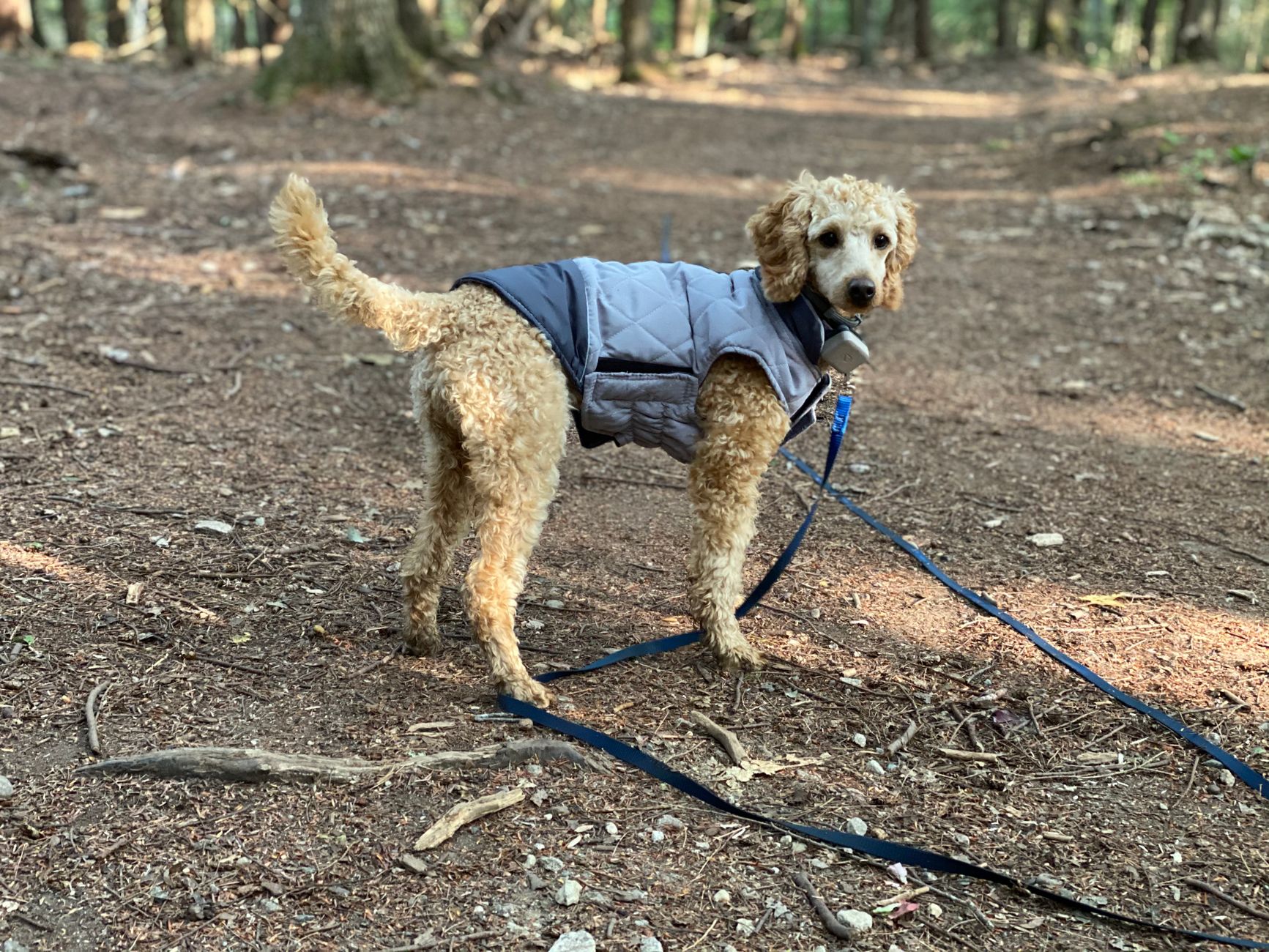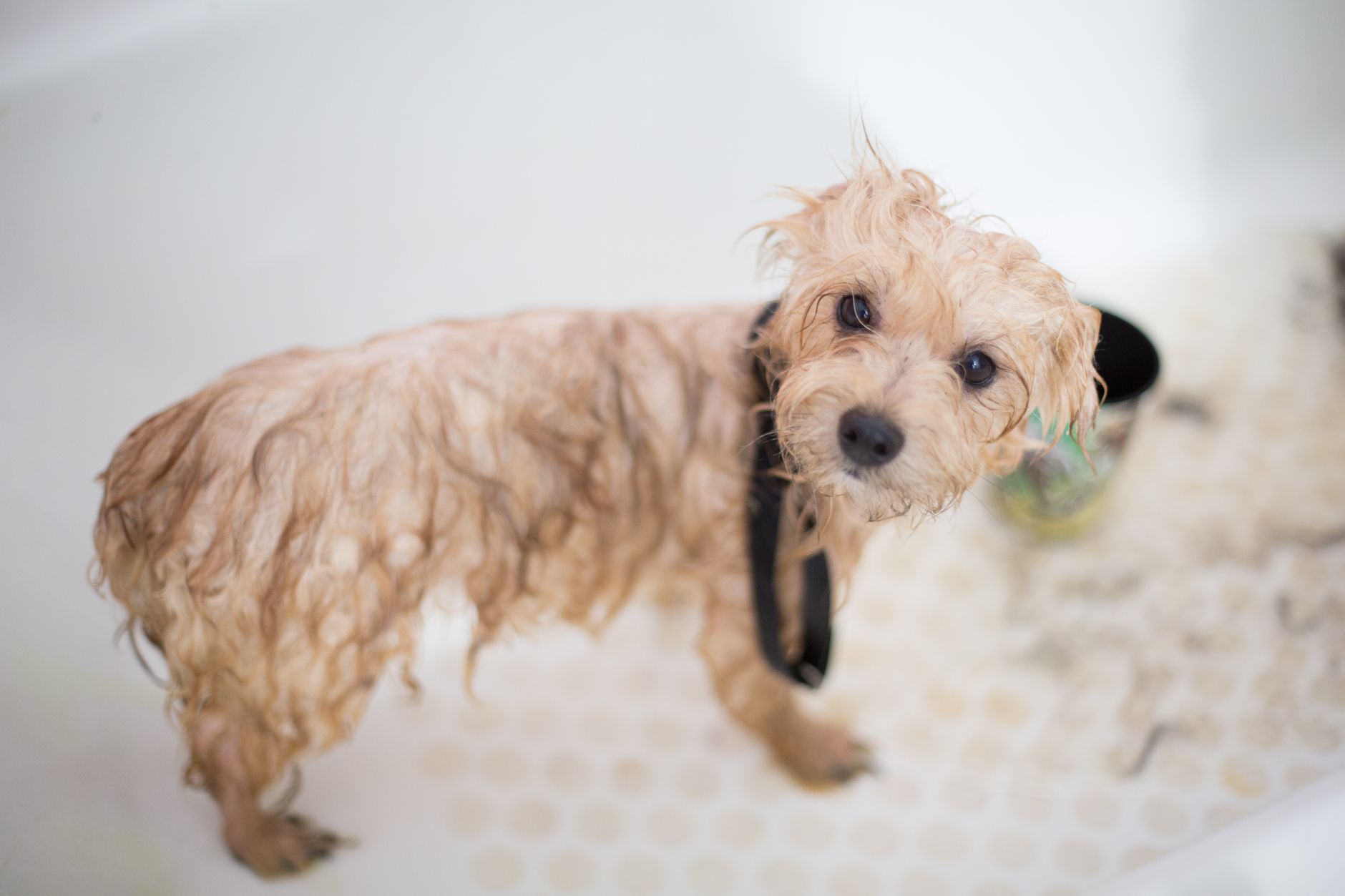
A Sheepadoodle’s thick, curly double coat is one of the breed’s best-loved traits — and one of the sneakiest ways an owner can miss creeping weight gain. With a short-coated breed, you can often eyeball a thickening waist. With a Sheepadoodle, several extra pounds can hide completely under all that fur until a vet puts hands on the dog and says the word “overweight.” This guide explains how to assess your Sheepadoodle’s body condition by feel rather than sight, what a healthy weight range looks like by size line, why the pounds creep on, and what to do if your vet flags a weight problem.
Why You Can’t Just Look at a Sheepadoodle to Judge Its Weight
Most “is my dog overweight” advice online assumes you can see a waistline from above or a tucked-up belly from the side. That works reasonably well on a Labrador or a Vizsla. It does not work reliably on a Sheepadoodle.
A dense double coat adds visual bulk evenly over the whole body, smooths out the waist tuck, and can make a lean dog look stocky or a heavy dog look merely “fluffy.” Groomers and vets who work with heavily coated breeds routinely note that touch, not sight, is the reliable method for these dogs — you have to put your hands on the dog to know what’s really underneath.
Body Condition Scoring by Feel
Veterinary professionals use a standardized body condition score (BCS) instead of relying on breed-average weight charts alone, because two dogs of the same weight can carry it very differently. The most common version uses a 9-point scale. Run your hands firmly along your Sheepadoodle’s rib cage, waist, and belly and compare what you feel to the chart below.
| Score | Category | What you feel | Action |
|---|---|---|---|
| 1–3 | Underweight | Ribs, spine, and hip bones are prominent with little to no fat cover; minimal waist definition because there’s no soft tissue, not because of fat. | Discuss with your vet; rule out parasites, illness, or underfeeding. |
| 4–5 | Ideal | Ribs are easily felt under a thin, even layer of fat, without pressing hard. A waist is felt behind the ribs, and the belly slopes upward toward the hips. | Maintain current feeding and activity level. |
| 6–7 | Overweight | Ribs are felt only with firm pressure, under a noticeable fat layer. Waist and belly tuck are faint or absent when you run your hands down the sides. | Reduce calories, increase activity, recheck in a few weeks. |
| 8–9 | Obese | Ribs are very hard or impossible to feel through a thick fat pad. Fat deposits may be felt over the spine, at the base of the tail, and around the neck. | Veterinary weight-loss plan recommended. |
According to VCA Animal Hospitals, ideal-condition ribs should feel roughly like the back of your hand where the knuckles sit — easy to locate without digging. The Association for Pet Obesity Prevention makes the same point specifically for heavily coated dogs: touch matters more than appearance once a coat is involved, because a thick coat can visually mask both an ideal waist and a thickening one.
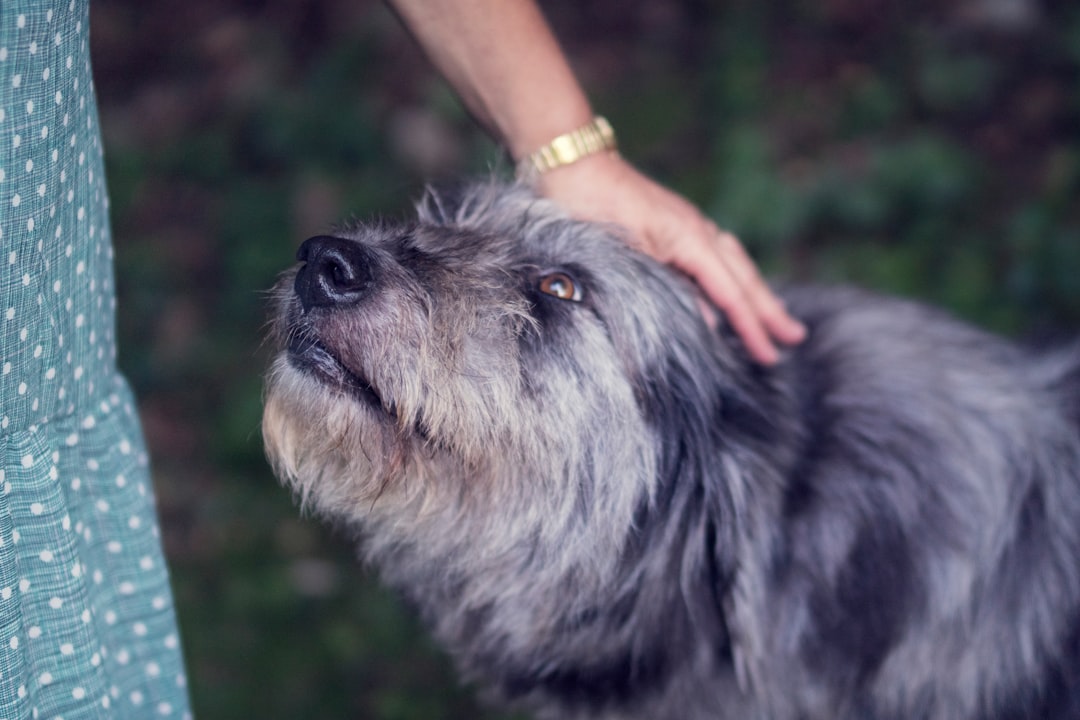
Run your hands firmly along the ribs, waist, and belly rather than relying on how the coat looks.
A Simple Three-Point Feel Check
If the full BCS chart feels like a lot to remember, use this shorter version as a monthly habit.
Signs of a Healthy Weight
- Ribs are easy to feel with light, flat-palm pressure — you shouldn’t have to press hard or search for them
- A waist is noticeable when you run your hands from the ribs toward the hips
- The belly slopes upward from chest to hindquarters rather than hanging level or sagging
- Your dog tires at a normal, age-appropriate point on walks or play sessions
Signs to Discuss With Your Vet
- You need firm pressure, or can’t feel ribs at all, through the coat
- No waist is felt behind the ribs; the sides feel straight or rounded
- The belly feels flat, saggy, or level rather than tucked
- Noticeably lower energy, slower on walks, or reluctance to jump onto furniture
Healthy Weight Ranges by Size Line
Weight alone doesn’t tell you whether a dog is overweight, since Sheepadoodles come in several size lines. Use the ranges below as a starting reference point, then confirm with body condition scoring since individual frames vary. For a full growth timeline by month, see our Sheepadoodle growth and weight chart.
| Size line | Typical adult weight |
|---|---|
| Mini | 25–45 lbs |
| Medium (Moyen) | 35–55 lbs |
| Standard | 55–85+ lbs |
These are population averages, not targets for every individual dog. A well-proportioned Standard Sheepadoodle at 90 lbs with a strong waist and easily felt ribs can be perfectly healthy, while a 60 lb Standard with no palpable waist may already be carrying too much. Body condition, confirmed on the vet’s scale at routine visits, is the more reliable measure. Our Sheepadoodle size guide has more detail on how the different size lines are determined.
Why Sheepadoodles Gain Weight
A few causes come up again and again with this breed.
Overfeeding and Portion Drift
Feeding guides on food bags are starting points, not prescriptions, and treats, training rewards, and “just a little” table scraps add up faster than most owners realize. Our Sheepadoodle feeding guide covers exact portion amounts by age and size.
Under-Exercise
Sheepadoodles are moderately active dogs, and a schedule that was enough as a bouncy adolescent may be too little once the dog settles into calmer adulthood. See our Sheepadoodle exercise and enrichment guide for activity guidance by life stage.
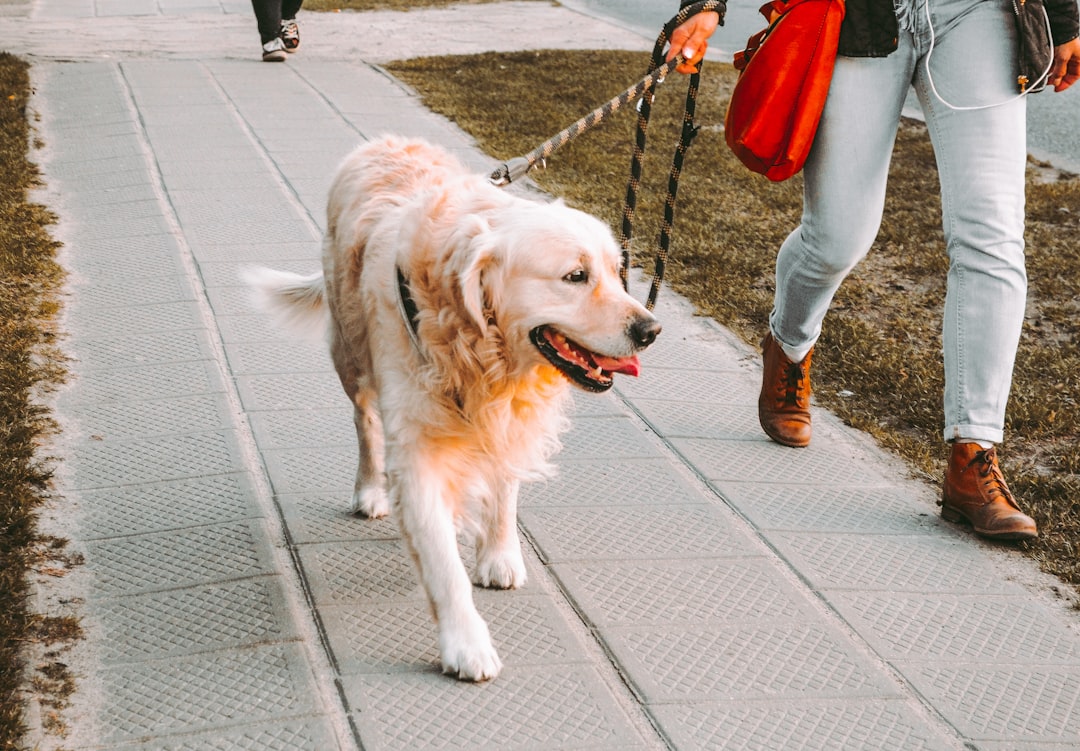
Regular daily activity, not just occasional play, is what keeps weight steady between vet visits.
Post-Spay/Neuter Metabolism Changes
Spaying or neutering lowers a dog’s resting energy needs, often noticeably, because the sex hormones that were removed also influenced metabolism and appetite regulation. Many dogs need a modest calorie reduction in the months and years after surgery to avoid slow weight gain even with an unchanged diet. Our Sheepadoodle spay and neuter guide covers the procedure and recovery in detail.
Aging and Slowing Metabolism
Metabolism continues to slow with age well beyond the post-surgery adjustment period, and older dogs are often less active day to day. Our senior Sheepadoodle care guide covers diet adjustments as your dog ages.
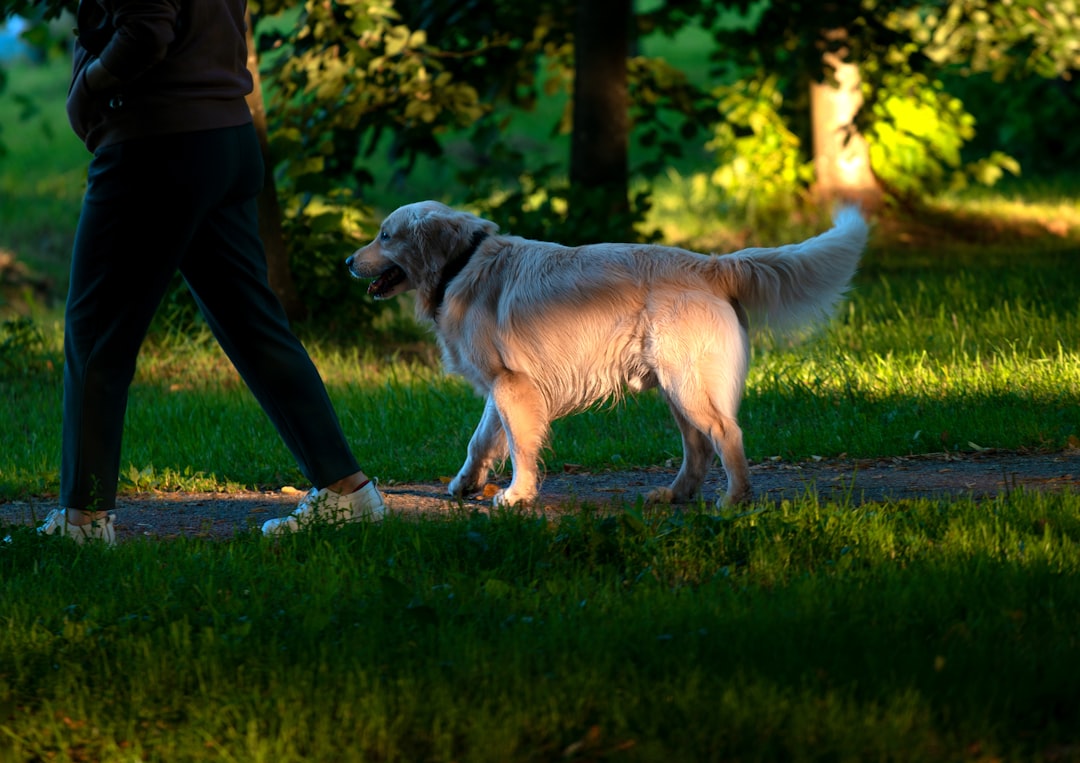
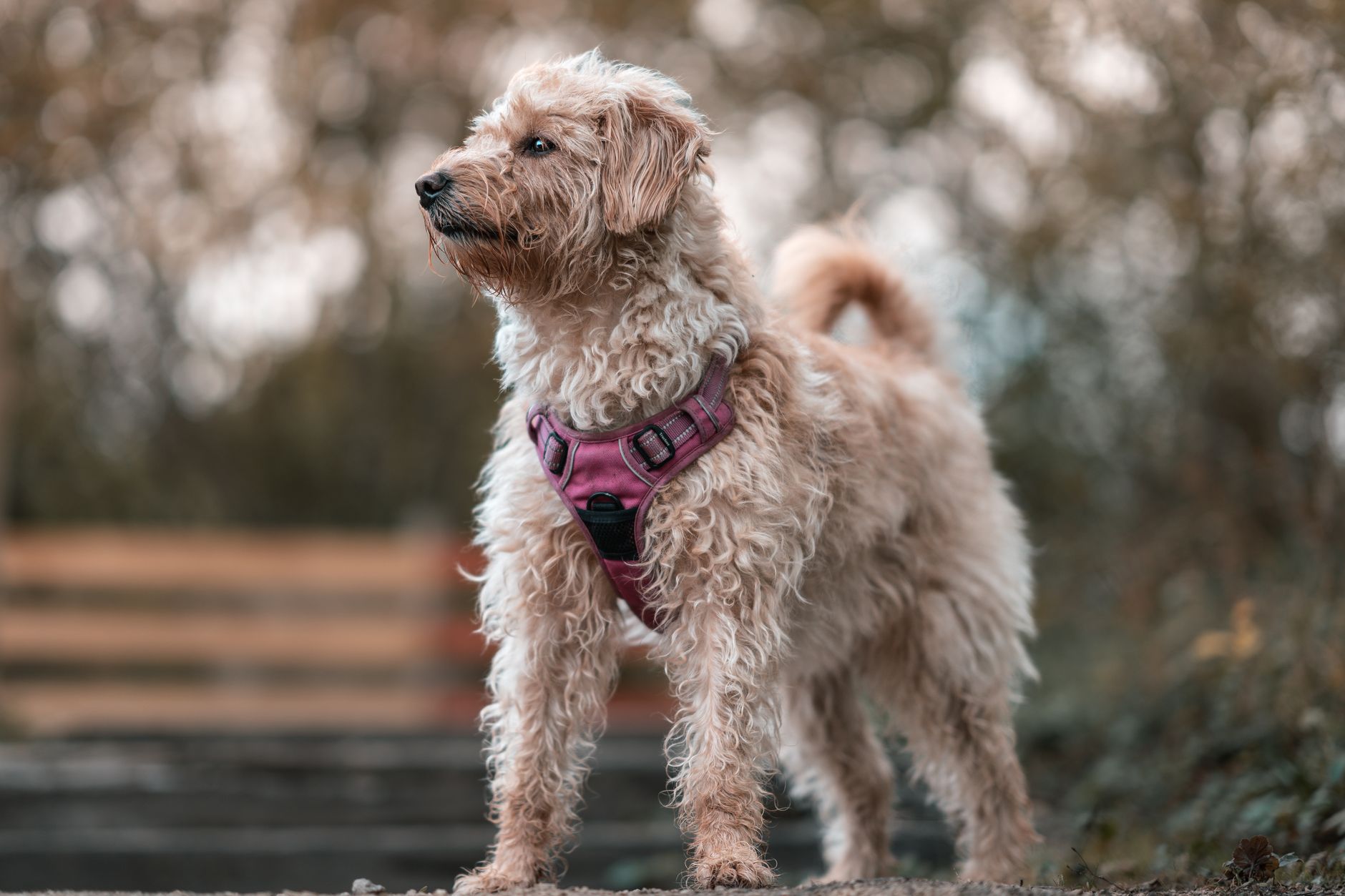
A side-on view is a useful starting point, but coat volume can mask or exaggerate a waistline.
If Your Vet Flags Your Sheepadoodle as Overweight
A veterinary weigh-in and BCS assessment at a routine visit is the most reliable way to catch weight gain early, since it happens on a scale rather than by guesswork through a coat. If your vet flags a problem, the approach is usually straightforward rather than drastic.
- Get a target weight and calorie range. Ask your vet for a specific goal weight and a daily calorie target rather than just “feed less.”
- Measure food, don’t eyeball it. A kitchen scale or measuring cup used consistently prevents the slow portion creep that causes gain in the first place.
- Cut treat calories, not just meal size. Treats and chews can be a surprisingly large share of daily intake; swap some for a portion of the dog’s actual kibble ration or low-calorie options.
- Increase activity gradually. Add a few extra minutes of walking or a second short walk rather than jumping straight into intense exercise, especially for a dog that’s been sedentary.
- Recheck body condition monthly. Progress on a weight-loss plan should be slow and steady; rapid loss isn’t the goal, and a monthly hands-on check plus an occasional scale weigh-in tracks it better than the calendar alone.
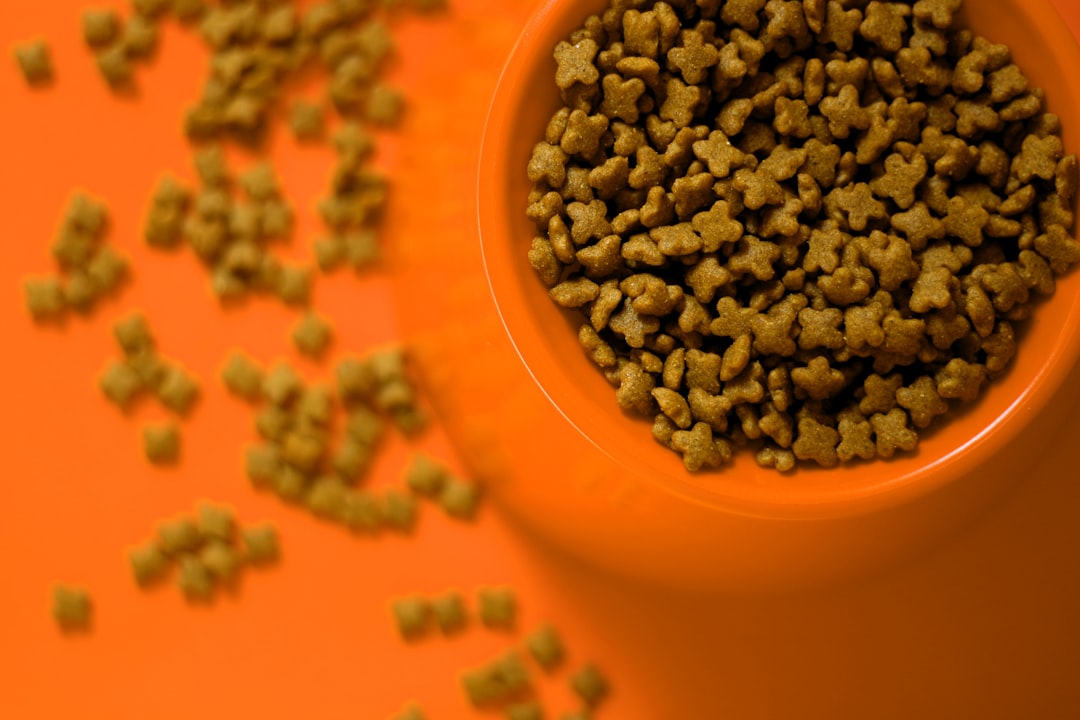
Measuring meals with a cup or kitchen scale prevents the slow portion creep that drives weight gain.
Have Questions About Your Sheepadoodle’s Health?
Our team is happy to talk through weight, coat care, and general wellness for Sheepadoodles of any age.
Contact Sunshine SheepadoodlesFrequently Asked Questions
Can I tell if my Sheepadoodle is overweight just by looking at them?
Not reliably. The thick double coat hides both a waist and early fat gain, so a hands-on rib and waist check is far more accurate than a visual look.
How often should I body-condition-score my Sheepadoodle?
Once a month is a good habit, along with checking at every grooming appointment when the coat is shorter and easier to feel through.
Do Sheepadoodles gain weight after being spayed or neutered?
Many do, because the surgery lowers resting energy needs. A modest reduction in food or an increase in activity afterward usually prevents it.
What’s the fastest way to check body condition without a vet visit?
Run flat hands firmly along the ribs and waist. You should feel ribs without pressing hard and notice a waist behind the rib cage when viewed and felt from above.
Is a heavier weight always a problem if my Sheepadoodle is a large Standard?
No. Body condition matters more than the number on the scale, since frame size varies. A large-framed dog with a felt waist and rib outline can be healthy well above breed averages.
Should I change my Sheepadoodle’s diet myself if I think they’re overweight?
Get your vet’s input first so you have an accurate target weight and calorie range rather than guessing, especially since sudden calorie cuts can cause other problems.
For more on how growth and weight typically progress by month, see our Sheepadoodle growth and weight chart, and for a broader look at health and longevity, see our Sheepadoodle lifespan and health guide.