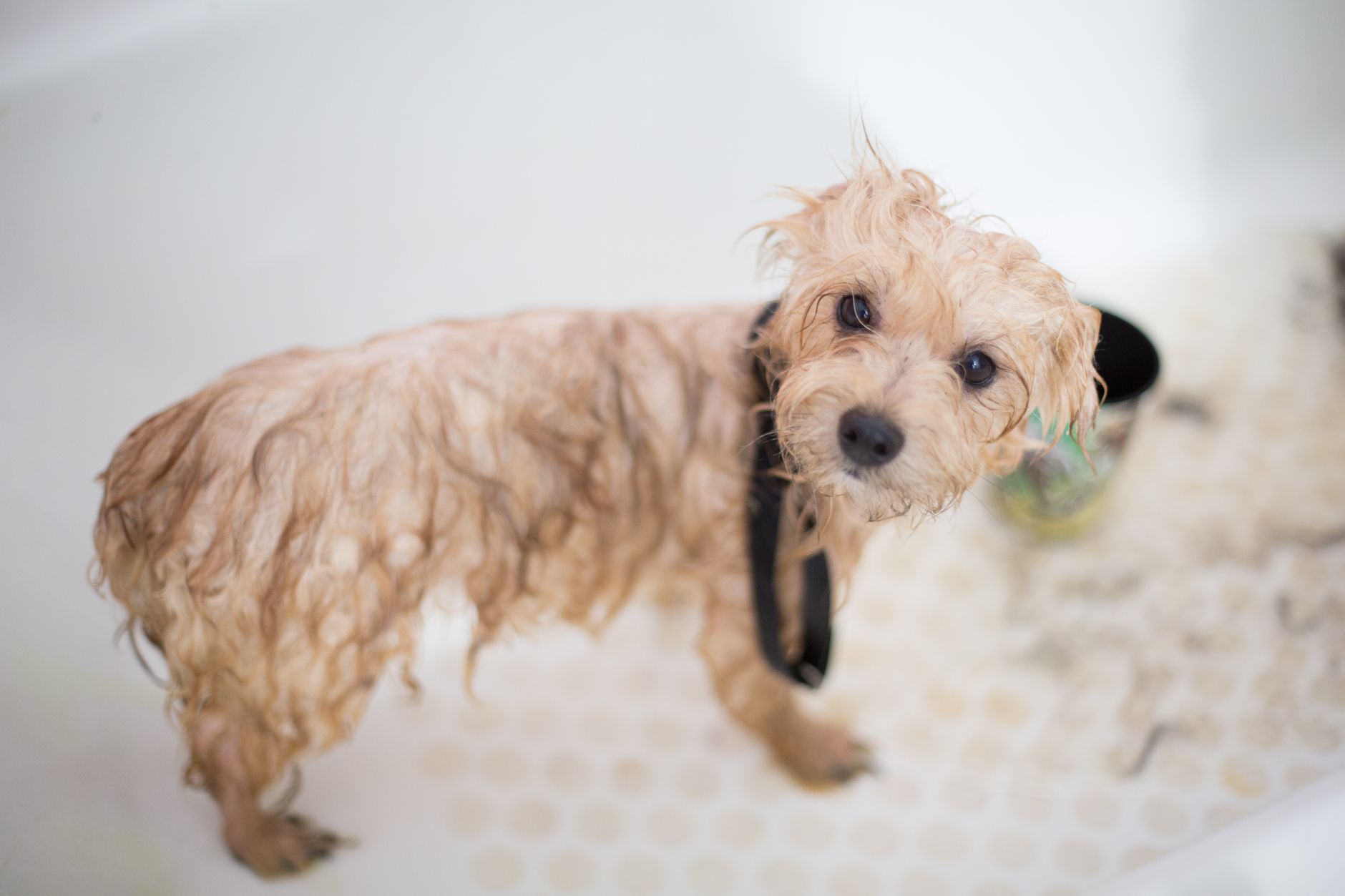
A Sheepadoodle puppy arrives weighing 8 to 12 pounds and can be nose-height with your kitchen counter within a few months. Most puppy-proofing advice is written for dogs that stay small, which means it misses the hazards that grow along with your puppy. This room-by-room checklist is built specifically for a breed that starts out pocket-sized and ends up 50 to 80+ pounds of counter-surfing, trash-raiding curiosity.
If you haven’t already secured your yard, start with our Sheepadoodle escape-proofing and fence guide before moving inside. Once the outside is handled, use this checklist to get every room ready before puppy day.
Kitchen: Plan for the Dog Your Puppy Will Become
A 10-pound puppy can’t reach the counter. A 65-pound adult Sheepadoodle can, often without even standing on hind legs. Set up your kitchen for the grown dog now rather than redoing it in six months.
- Keep counters and stovetops completely clear of food, even “for a minute” — adult Sheepadoodles can counter-surf standing flat-footed.
- Switch to a trash can with a locking lid or store it inside a latched cabinet; standard swing-top cans won’t hold up to a curious doodle nose.
- Install childproof latches on lower cabinets holding cleaning supplies, foil, or plastic wrap.
- Store xylitol-sweetened gum, candy, and baking supplies (chocolate, raisins) in closed cabinets, not on open shelves.
- Push chairs and step stools away from counters so an adolescent dog can’t use them as a launch pad.
Common Toxic Foods and Plants: Quick Reference
This is a representative sample, not the full list. For a complete, searchable database, use the ASPCA Animal Poison Control Center resources on toxic plants and foods.
| Category | Common Examples |
|---|---|
| Foods | Chocolate, grapes/raisins, onions, garlic, xylitol (sugar-free gum/candy), macadamia nuts, alcohol |
| Houseplants | Sago palm, lilies, philodendron, pothos, dieffenbachia (dumb cane) |
| Medications | Ibuprofen, acetaminophen, prescription pills, vitamins with iron |
| Chemicals | Antifreeze, rat poison, fertilizer, cleaning concentrates |

Move toxic houseplants, like lilies and sago palm, out of nose and paw reach.
Living Room: Cords, Small Objects, and Furniture
Puppies explore with their mouths, and a Sheepadoodle’s growing jaw strength makes cords and small objects genuinely dangerous rather than just an annoyance.
- Bundle or conceal electrical and charging cords with cord covers or furniture placement.
- Pick up remote controls, batteries, coins, hair ties, and kids’ small toys after every play session.
- Anchor bookshelves and tall furniture to the wall — an adult Sheepadoodle leaning on a shelf can tip it.
- Tuck away phone charging cables and earbuds, common chew targets that pose choking and electrocution risk.
- Redirect chewing onto appropriate options from our Sheepadoodle toys and enrichment guide instead of relying on cord covers alone.
Heavy teething periods make this room the highest-risk zone for object ingestion. Our guide to Sheepadoodle teething and puppy biting covers what’s normal and when a chew habit needs more structured redirection.
Bathroom: Medications and Cleaning Supplies
Bathrooms concentrate several of the most dangerous items in the house into a small, easily-accessible space.
- Store all medications, supplements, and vitamins in a closed cabinet, never on a counter or in an open shower caddy.
- Keep the toilet lid closed to prevent drinking water treated with cleaning chemicals or bowl drop-ins.
- Move razors, dental floss, cotton swabs, and hair ties out of reach — all are choking or intestinal blockage risks.
- Store cleaning products (bleach, drain cleaner) in a latched cabinet, not under the sink unsecured.
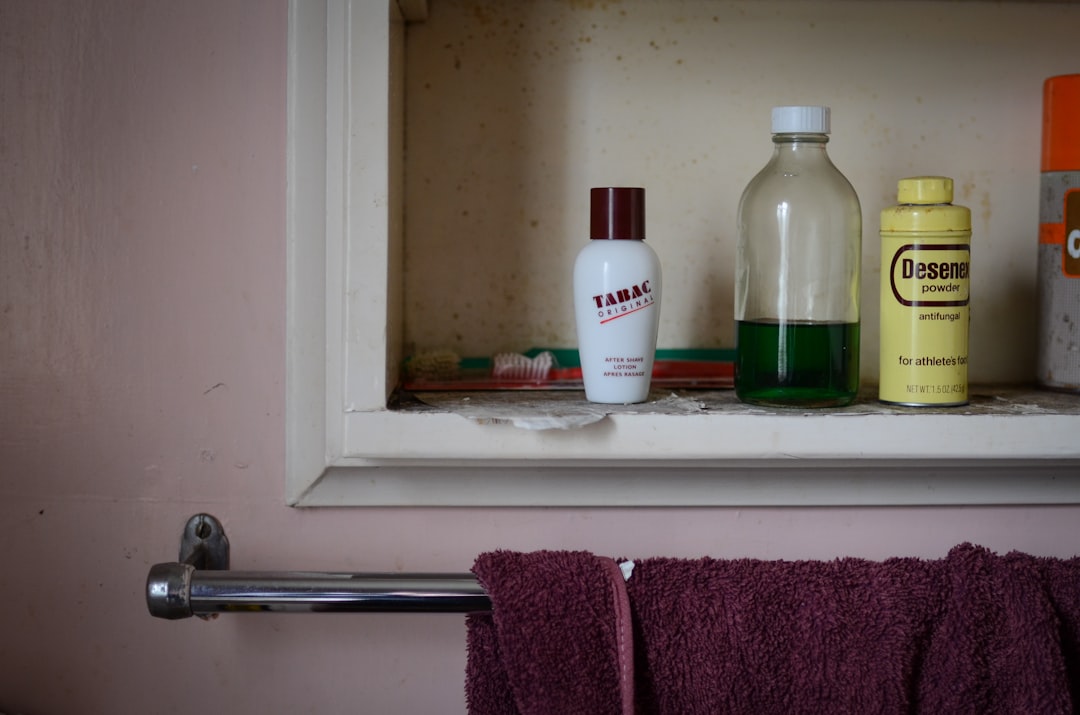
Medications and cleaning supplies belong behind a latched cabinet door, not on an open sill or counter.
Garage and Laundry: The Most Overlooked Danger Zone
These rooms get skipped in most generic puppy-proofing checklists, but they hold some of the most acutely toxic substances in the home.
| Room | Hazard | Why It’s Dangerous |
|---|---|---|
| Garage | Antifreeze | Sweet taste attracts dogs; even small amounts can be fatal |
| Garage | Fertilizer, rodent bait | Often stored at floor level, within nose reach |
| Laundry | Detergent pods | Chewing releases concentrated chemicals |
| Laundry | Fabric softener sheets | Attractive scent, cause GI irritation or blockage if swallowed |
Store antifreeze, fertilizer, and pesticides on a high shelf, never on the garage floor where a nose can find them. Keep the laundry room door closed or gated, and store detergent pods and dryer sheets in a latched cabinet rather than on top of the machine.
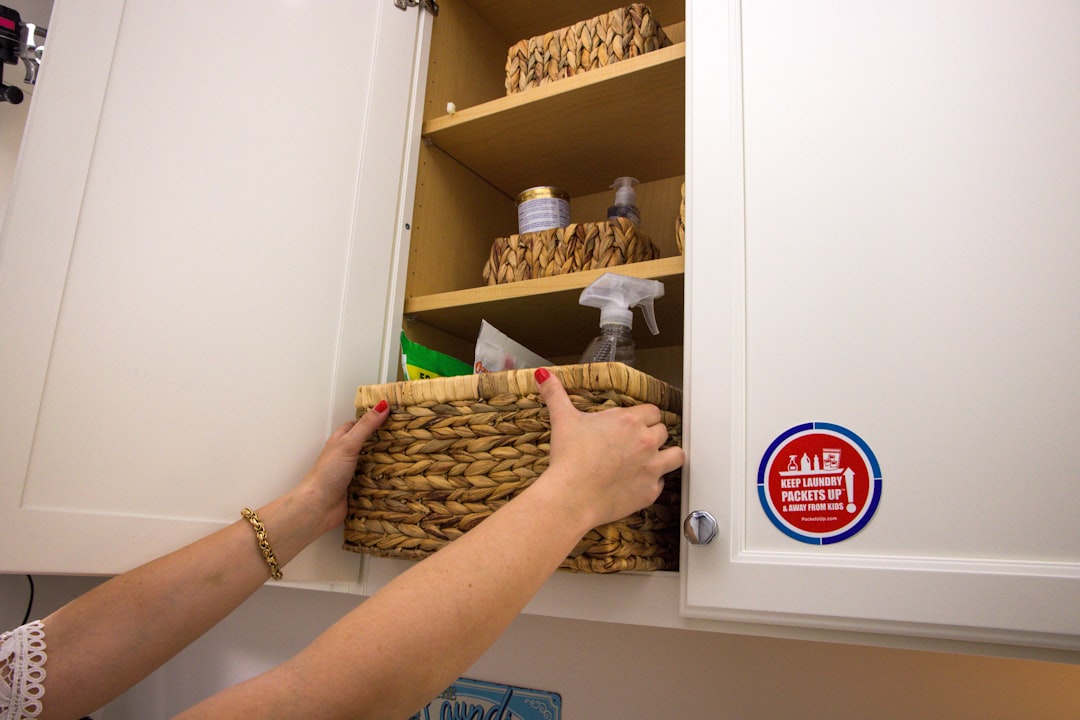
Laundry rooms are an easy hazard to overlook during puppy-proofing.
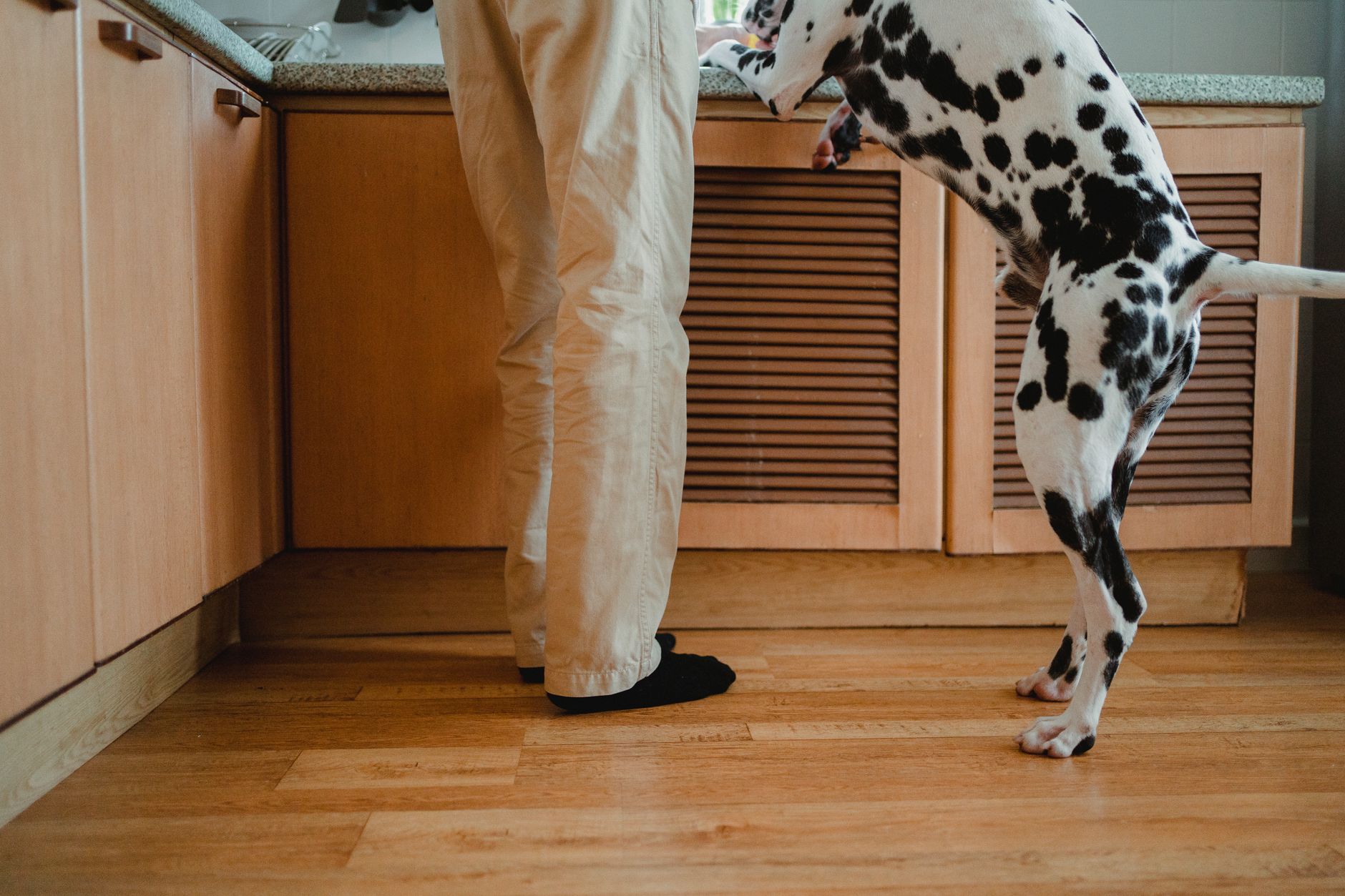
Plan your kitchen setup for the dog your puppy will grow into, not just the puppy in front of you.
Puppy-Proofing That Grows With Your Dog
The biggest mistake owners make is puppy-proofing once, for the dog in front of them, and never revisiting it. Reassess your setup at three points: the day you bring your puppy home, around 4-5 months when they hit an adolescent growth spurt, and again once they reach adult height and can reach counters and shelves they couldn’t before.
Do
- Get down at puppy eye level to spot hazards you’d otherwise miss.
- Use baby gates to limit access to unproofed rooms while you work through the checklist.
- Re-check counter and shelf heights every few weeks during the growth phase.
Don’t
- Assume a cabinet latch that stopped an 8-week-old puppy will stop a 6-month-old adolescent.
- Leave trash cans, even “puppy-proof” ones, unsecured once your dog is tall enough to nose the lid open.
- Forget the garage and laundry room — they’re the most commonly skipped spaces.
A structured start to house rules also supports the training habits covered in our Sheepadoodle puppy training guide and pairs well with a solid crate training routine for the moments you can’t actively supervise.
Bringing Home a Sunshine Sheepadoodle Puppy?
We’re happy to walk you through what to expect as your puppy grows, room by room.
Contact Sunshine SheepadoodlesFrequently Asked Questions
At what age do Sheepadoodles start counter surfing?
Many Sheepadoodles can reach low counters by 4-6 months old, during their adolescent growth spurt. Proof your kitchen for the adult size early rather than waiting until it becomes a problem.
What household items cause the most emergency vet visits for puppies?
Chocolate, xylitol-sweetened products, medications, and swallowed foreign objects like socks or small toys are among the most common causes. Toxic plants and cleaning chemicals also send puppies to the emergency vet regularly.
Do I need to puppy-proof the garage if my Sheepadoodle mostly stays inside?
Yes. Garages are a common walk-through space, and antifreeze and fertilizer are among the most acutely toxic substances a dog can encounter, even from brief access.
Is it safe to use standard baby-proofing products for a Sheepadoodle puppy?
Most cabinet latches and outlet covers work fine, but choose sturdier, larger-breed-rated trash cans and gates since Sheepadoodles quickly outgrow small-breed or toddler-scaled products.
How often should I re-check my home for new hazards?
Walk through each room again around 4-5 months and once more at full adult height, since new heights and reach change what counts as “out of reach.”
Once your indoor spaces are secure, revisit the checklist in our Sheepadoodle first 24 hours home guide to prepare for arrival day itself.