
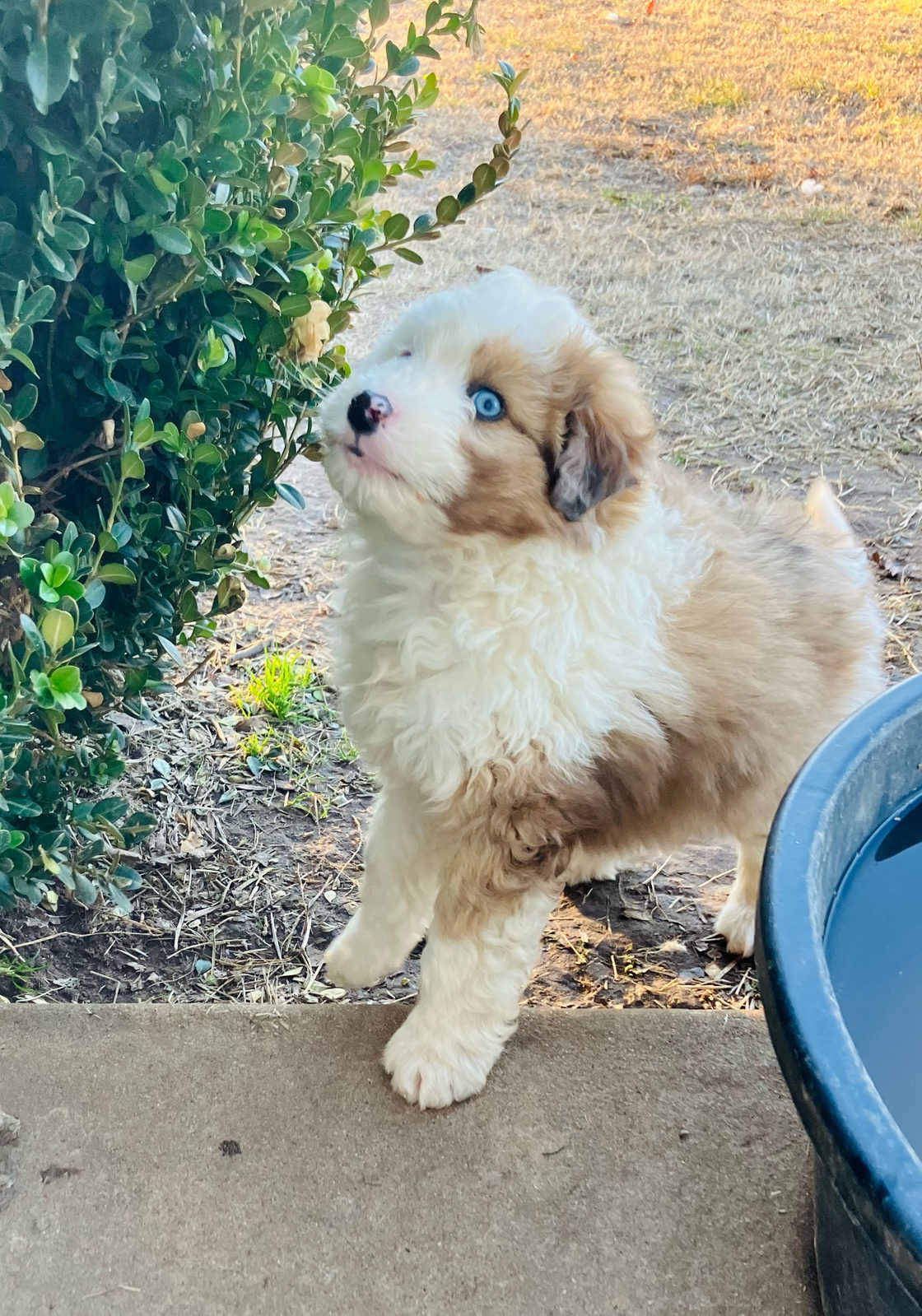
Those needle-sharp puppy teeth aren’t a training failure on your part — they’re a normal, temporary phase every puppy goes through. Here’s the actual teething timeline, how to tell teething apart from other biting behavior, and what genuinely helps.
Most owners find this stage more manageable once they understand it has a clear beginning, middle, and end — unlike some behavior issues, teething genuinely resolves on its own with time and the right support.
Puppy Teething Timeline
| Age | What’s Happening |
|---|---|
| 2–3 weeks | Sharp baby (deciduous) teeth begin coming in |
| 6–8 weeks | All 28 baby teeth typically in place |
| 12 weeks | Baby teeth start falling out, usually in the order they emerged |
| 4–6 months | Adult incisors, canines, and premolars erupt |
| 5–7 months | Adult molars come in last |
| 6–7 months | All 42 adult teeth typically in place; teething complete |
According to the American Kennel Club, the full teething process takes about four months from start to finish, though exact timing varies by individual puppy and can shift slightly with size. Larger-boned puppies, including standard-sized Sheepadoodles, sometimes teethe a touch later than mini or micro littermates.

Adult teeth typically finish coming in by 6 to 7 months, completing the full teething process.
Signs Your Puppy Is Teething
- Increased chewing on furniture, shoes, or anything within reach.
- Excessive drooling, more than usual for your puppy.
- Small blood spots on toys from loose or falling baby teeth (usually harmless).
- Reduced appetite or reluctance to eat hard kibble during especially sore periods.
- Visible missing teeth or loose teeth around 3 to 4 months old.
Why Puppies Bite
Biting during this stage isn’t misbehavior — it’s how puppies explore the world and, critically, how they learn bite inhibition: controlling how hard they use their mouth. Puppies practice this with littermates before you ever bring them home, and continuing that lesson with appropriate feedback is part of normal development, not a sign something’s wrong.
Puppies raised with their littermates through at least 8 weeks generally arrive with a head start on this skill, since play with siblings naturally teaches early bite pressure limits. That said, the lesson isn’t complete at that point — it continues well into the following months as adult teeth come in and jaw strength increases.

Biting and mouthing during puppyhood is how dogs naturally learn bite inhibition, not a behavior problem.
Teething vs. Herding Nips: Telling Them Apart
It’s worth distinguishing teething-driven mouthing from the herding-instinct nipping covered in our puppy training guide. Teething biting tends to focus on objects — anything chewable within reach — and eases once adult teeth are fully in. Herding nips tend to target moving people or other pets, especially at the heels, and are driven by instinct rather than tooth discomfort. Many puppies show both at once, which is exactly why it can feel confusing to sort out.
How to Manage Teething Pain
- Frozen chew toys or a wet washcloth twisted and frozen provide numbing relief for sore gums.
- Rubber teething toys designed specifically for puppies hold up better than adult chew toys during this phase.
- Soften kibble temporarily with warm water if your puppy seems reluctant to eat during especially sore stretches.
- Avoid very hard chews like real bones or antlers during peak teething, which can damage sensitive emerging teeth.

Frozen chew toys provide genuine numbing relief for sore gums during peak teething weeks.
Bite Inhibition Training Techniques
According to the ASPCA, a few consistent techniques work well for teaching bite inhibition:
- The “ouch” method. A sharp, high-pitched “ouch” when a bite is too hard mimics the yelp a littermate would give, helping your puppy learn how much pressure is too much.
- Redirect to a toy. The moment teeth touch skin, offer an appropriate chew toy instead, so the correct target becomes the automatic response.
- End play for a brief pause. If biting continues, calmly stop the interaction for a short moment, teaching that biting ends the fun rather than escalating it.
- Stay consistent across the household. Everyone interacting with the puppy should use the same response, or the lesson takes longer to stick.

Consistent redirection to an appropriate toy is one of the most effective bite inhibition techniques.
What to Avoid During Teething
What Helps
- Consistent redirection to appropriate chew toys
- A calm, predictable response every time
- Frozen or specially designed teething toys
- Patience — this phase is temporary
What Makes It Harder
- Yelling or physically punishing normal mouthing
- Using your hands as play toys, which confuses the message
- Inconsistent rules between family members
- Very hard chews that can damage emerging adult teeth
Physical punishment in particular tends to backfire, sometimes teaching a puppy to hide warning signs rather than actually reducing the biting itself. Consistency and redirection reliably outperform punishment-based approaches for this developmental stage.

Calm, consistent redirection outperforms punishment for teaching bite inhibition during this developmental stage.
Questions About Your Puppy’s Teething Stage?
We’re happy to talk through what to expect as your puppy grows and their adult teeth come in.
Contact Sunshine SheepadoodlesFrequently Asked Questions
At what age do Sheepadoodle puppies stop teething?
Most puppies finish teething by 6 to 7 months old, once all 42 adult teeth are fully in place. The most intense chewing phase typically eases noticeably by 5 to 6 months.
Is it normal to find blood spots on my puppy’s toys?
Yes, small amounts of blood from loose or falling baby teeth are normal during teething. Persistent bleeding or visible mouth pain beyond normal chewing discomfort warrants a veterinary check.
How do I know if biting is teething or aggression?
Teething and normal puppy mouthing are exploratory and playful, not aggressive. True aggression is rare in puppies and typically comes with other clear warning signs; when in doubt, consult a professional trainer.
Can I give my teething puppy a frozen carrot?
Many owners do, and it can provide relief, but check with your veterinarian first and supervise closely to prevent choking on any pieces that break off.
For herding-instinct nipping specifically, see our puppy training guide, and learn more about overall temperament in our Sheepadoodle temperament guide.
Leave a Reply