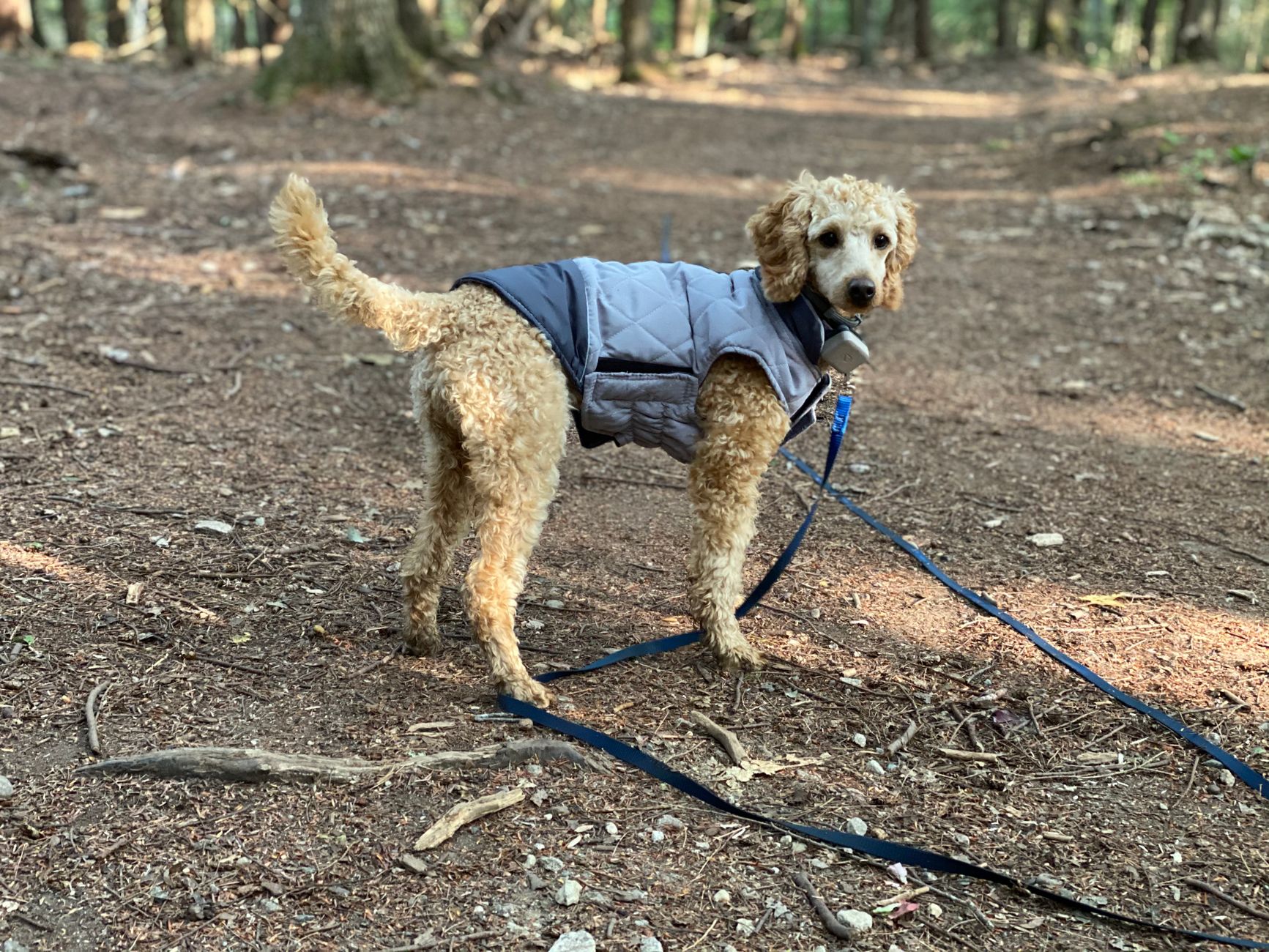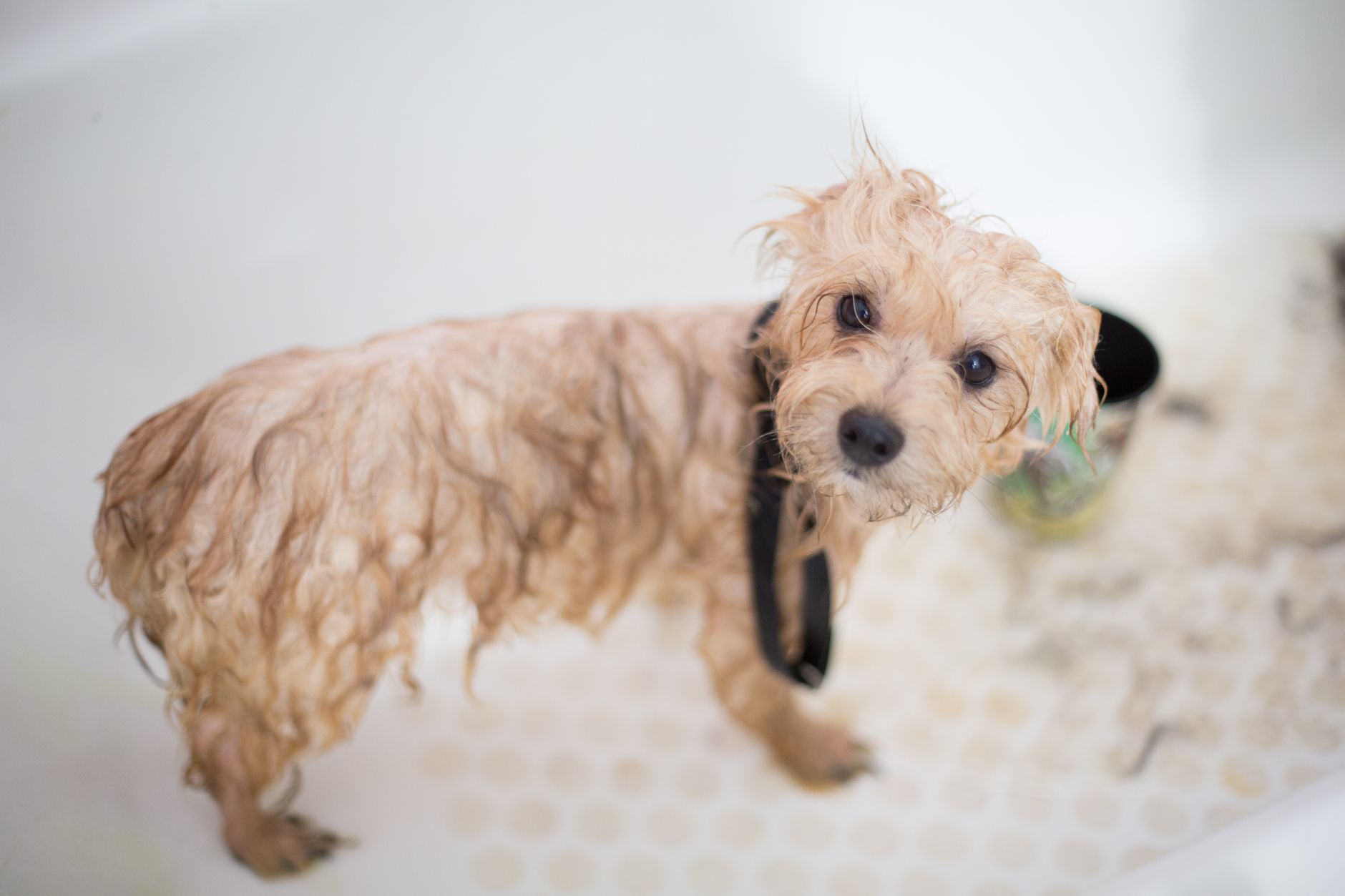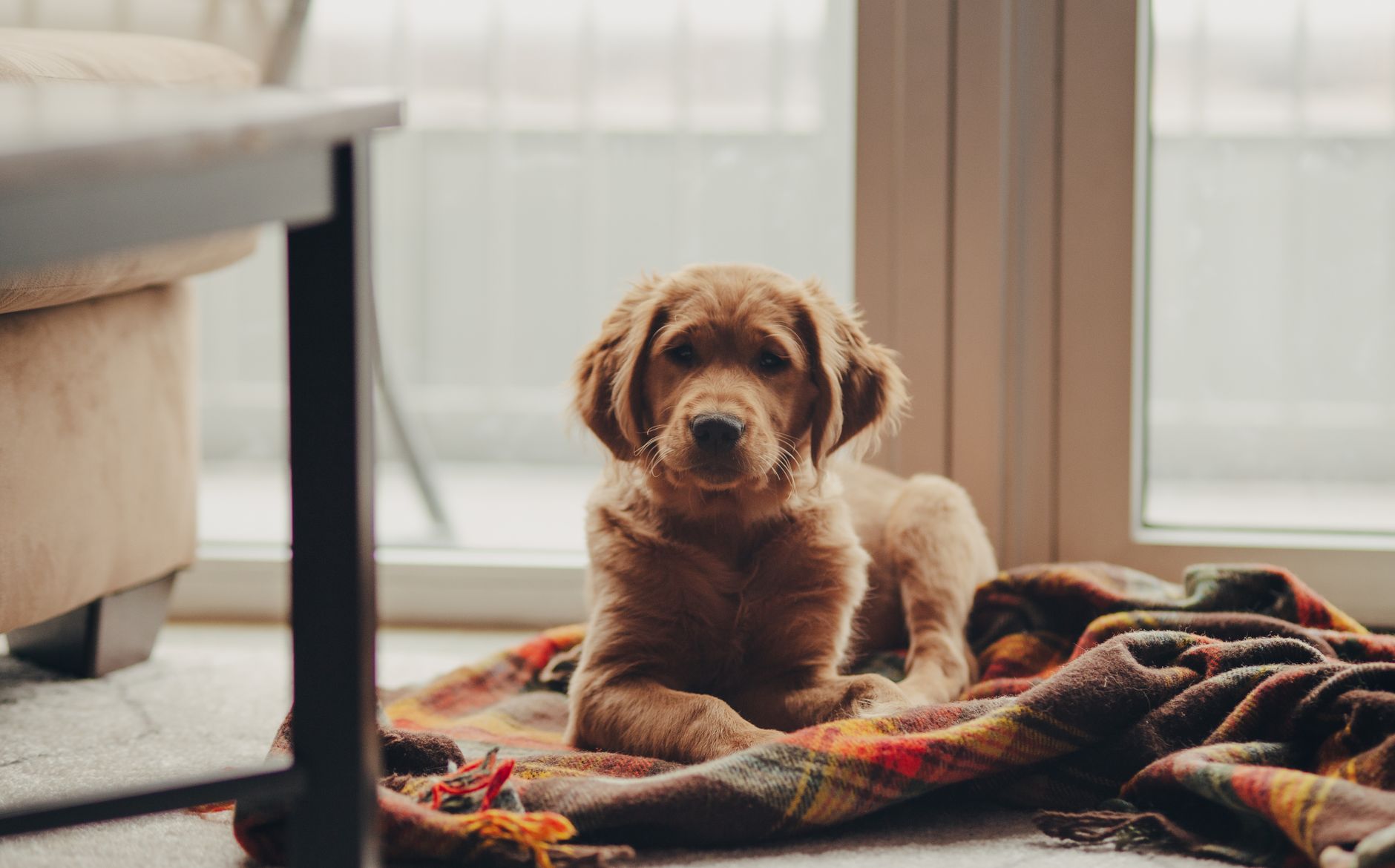
The first 24 hours with a new Sheepadoodle puppy set the tone for the weeks that follow, but they don’t need to be complicated. Here’s a straightforward, hour-by-hour checklist covering what actually matters on day one, and what can safely wait.
Before Your Puppy Arrives
Most of the real preparation happens before your puppy is even in the car. Puppy-proof the areas your puppy will access first: tuck away cords and cables, move shoes and small chewable objects out of reach, secure trash cans, and store cleaning products and medications behind a closed door. If you have houseplants at puppy height, double-check they’re non-toxic, or move them temporarily.
Set up a designated space before you leave to pick up your puppy, not after. A crate with a soft blanket, a water bowl, and a couple of chew-safe toys gives your puppy an immediate, secure home base rather than an unfamiliar house to figure out from scratch.
| Category | What to Have Ready |
|---|---|
| Sleeping | Crate, soft bedding, a quiet corner away from heavy foot traffic |
| Feeding | Food and water bowls, the same puppy food your puppy has been eating |
| Safety | Puppy-proofed main living area, secured trash and cords |
| Comfort | A couple of chew-safe toys, a blanket with familiar scent if available |
| Basics | Collar, leash, ID tag, poop bags |
The First Few Hours
- Keep the ride home calm, ideally with your puppy secured in a carrier or held by a passenger, not loose in the car.
- Offer a potty break immediately upon arrival, before heading inside, and praise calmly when your puppy goes.
- Let your puppy explore a limited space at their own pace, rather than the whole house at once.
- Offer fresh water right away, and stick to your puppy’s regular mealtime and regular food for at least the first few days.
- Skip the welcome party. Limit visitors and excitement on day one, giving your puppy time to decompress in a quiet environment.

A quiet, limited space to explore at their own pace beats an overwhelming welcome party on day one.
According to Preventive Vet, a puppy’s first exploration of a new space should always be supervised rather than assumed safe, since even a home that looks puppy-proofed can have hazards, like a low cabinet left ajar, that aren’t obvious until your puppy finds them first.
Starting Potty Training on Day One
The first 24 hours are actually a good time to start building potty habits, not something to put off until your puppy “settles in” first. Take your puppy out immediately after waking, after eating, after play, and roughly every hour or two in between. Since our puppies come home already familiar with pine pellet litter training, many families choose to keep a litter box option available during this transition, alongside outdoor trips, rather than switching methods abruptly on day one. Our litter box training guide covers exactly how that transition works.
Surviving the First Night
What Tends to Help
- A crate in or near your bedroom for the first several nights
- A consistent, calm bedtime routine
- A worn t-shirt with your scent placed in the crate
- One last potty break right before lights out
What Tends to Backfire
- Letting your puppy sleep in your bed on night one out of guilt
- Ignoring crying without checking if it’s a potty need
- Isolating the crate far from any family member overnight
- Skipping the pre-bed potty break
Some whining or restlessness the first night is normal and doesn’t necessarily mean something is wrong. Per PDSA, a new puppy adjusting to an unfamiliar home can take a day or two to fully relax, and a quieter, more subdued puppy on day one is common and typically resolves as they settle in.
Feeding on Day One
Stick with the exact food your puppy has already been eating for at least the first several days, even if you’re planning to eventually switch brands or formulas. A new environment is already a lot of change for a young puppy to process at once, and adding a diet change on top of it is one of the more common, and most avoidable, causes of first-week digestive upset. If a switch is part of your plan, introduce the new food gradually over a week or two, mixing in a little more each day, once your puppy has had time to settle into the new routine.
It’s also worth not being alarmed by a lighter appetite than usual on day one. Between the car ride, new smells, and an unfamiliar space, some puppies eat less than normal for the first day or two. Offer meals on the regular schedule, but don’t be surprised if the bowl isn’t fully finished right away.
Scheduling the First Vet Visit
You don’t need to rush to the vet within the first 24 hours unless something seems genuinely wrong, but it’s worth scheduling a first wellness visit within the first few days to a week of coming home. This gives your veterinarian a baseline check, a chance to review whatever vaccine and deworming records came with your puppy, and an opportunity to map out the rest of the vaccine series together. Bring any paperwork from your breeder with you, since a continuous, documented health record makes this first visit far more useful than starting from scratch.
What Can Wait Past Day One
- Introducing your puppy to every friend and neighbor — give it at least a few days before expanding visitors.
- Long car trips or errands beyond the essentials.
- Formal training sessions — day one is about decompression, not lessons.
- A full grooming session — a first bath or trim can wait until your puppy is more settled.
Trying to accomplish everything on day one is one of the more common new-owner mistakes. A calm, low-key first day, focused on the basics above, sets a far better foundation than an eventful one.
Getting Ready to Bring Your Puppy Home?
We’re happy to walk you through exactly what to expect for the first day and first week.
Contact Sunshine SheepadoodlesFrequently Asked Questions
Should I let my puppy sleep in bed with me the first night?
Most trainers recommend a crate near your bed instead, since starting in your bed can create a habit that’s harder to change later if you don’t want it to continue long-term.
Is it normal for a puppy to not eat much on the first day?
Yes, a nervous or subdued appetite on day one is common and usually resolves within a day or two as your puppy adjusts to the new environment.
How often should I take my puppy out to potty on the first day?
Roughly every hour or two, plus immediately after waking, eating, and play. Frequent, predictable trips build the habit faster than waiting for signs of needing to go.
Should I start training commands on day one?
Formal training can wait a few days. Day one is better spent helping your puppy decompress and feel secure in their new environment.
Once your puppy is settled in, our puppy training guide covers the next steps, and our socialization checklist is worth starting within the first week or two.