
If you’ve picked up on the term “litter trained” while researching our puppies, you’re probably wondering what that actually means for a dog this size. It’s a genuinely useful head start, not a permanent replacement for going outside — here’s how it works and what to expect once your puppy comes home.
What Is Pine Pellet Litter Training?
Rather than newspaper or puppy pads, many breeders use natural pine pellets (the same type sold for horse stall bedding) in a low-sided container as an early bathroom area for puppies still too young to go outside safely. Pine pellets are highly absorbent, naturally odor-controlling, and break down into sawdust when wet, making cleanup considerably simpler than pads.
Our puppies are litter trained to pine pellets before they go home, alongside crate and potty training, giving new owners a real foundation to build on rather than starting from zero.
Why Breeders Start This Early
Puppies begin developing bathroom habits remarkably early, often as soon as they’re eating solid food around 3 to 4 weeks old. Introducing pine pellets at this stage, well before puppies are ready for outdoor exposure or fully vaccinated, gives them a consistent, appropriate place to go rather than defaulting to random spots in their living space.
Starting this young matters. Pellet training introduced later, after a puppy has already gone home, tends to be far less effective — the habit forms best during that early developmental window, which is exactly why it happens at the breeder level rather than something you’d typically start fresh yourself.
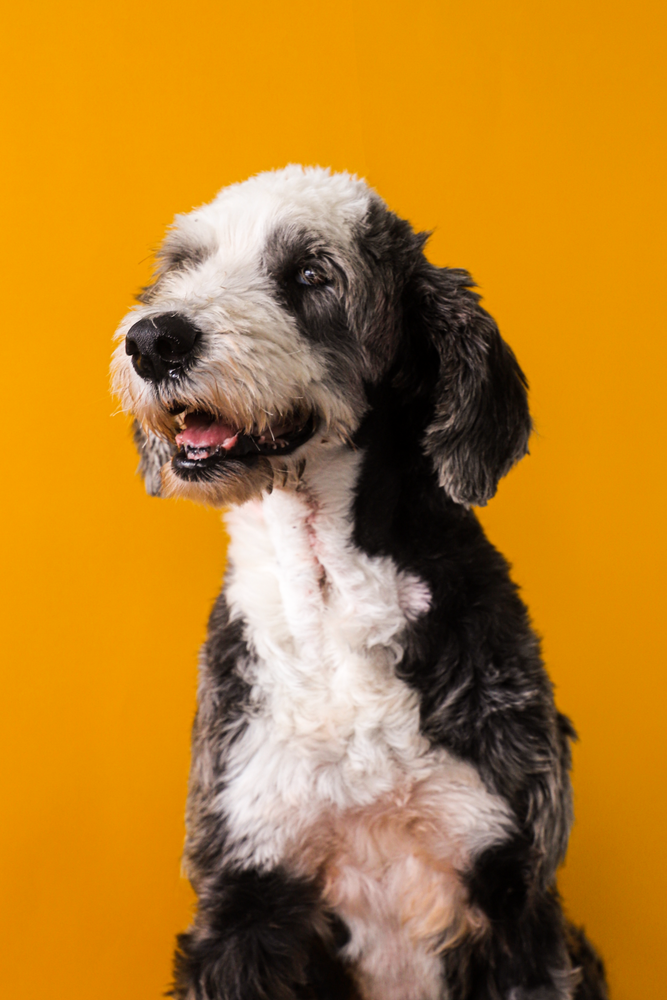
Early exposure to pine pellets, often starting around 3 to 4 weeks old, is what makes this method effective.
Setting Up a Litter Box at Home
If you’d like to continue the habit after bringing your puppy home, or use it as a bridge while outdoor training is underway, a simple setup works well:
| Item | Why It Matters |
|---|---|
| Low-sided container or tray | Easy for a puppy to step in and out of comfortably |
| Natural pine pellets | Absorbent, low-odor, and familiar from their time with us |
| Consistent location | Puppies rely on location memory more than scent alone |
| Easy-clean flooring nearby | Accidents near the box happen during the learning phase |
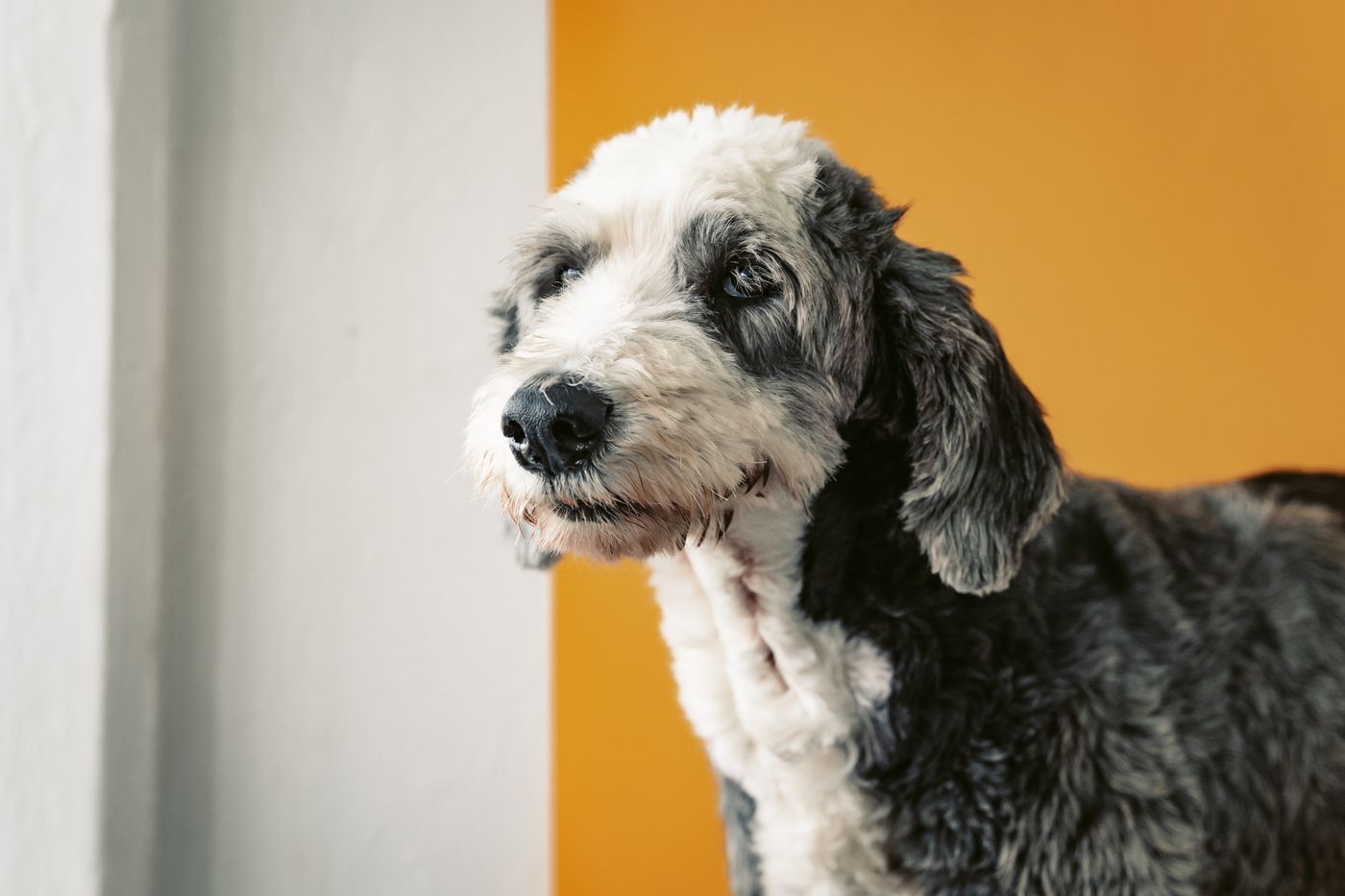
A consistent location matters more than almost anything else in the early training period.
Transitioning from Litter Box to Outdoor Potty Training
According to the American Kennel Club, moving a puppy from an indoor bathroom setup to outdoor training works best as a gradual process rather than a sudden switch:
- Keep the litter box available while introducing regular outdoor trips, especially after meals, naps, and play.
- Gradually move the box closer to the door over several days or weeks, helping your puppy associate elimination with the exit route.
- Bring a few used pellets outside to the spot you want your puppy to use, giving them a familiar scent cue in the new location.
- Reward every successful outdoor trip immediately, reinforcing the new location as the better option.
- Reduce, then remove the indoor box once outdoor success is consistent, typically after your puppy is fully vaccinated and cleared for outdoor exposure.
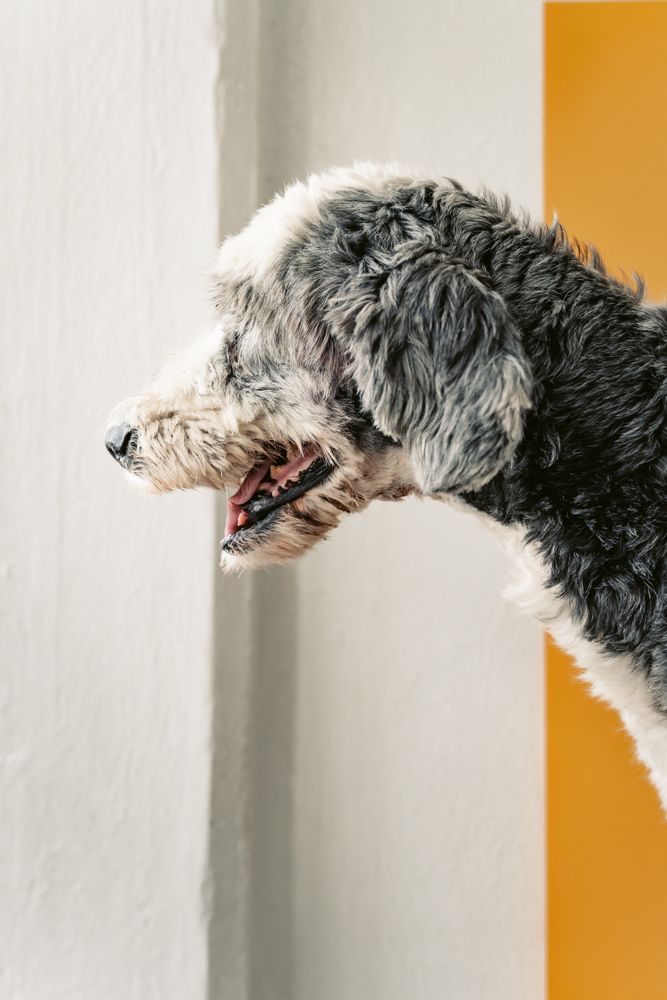
Bringing a familiar scent cue outside helps bridge the transition from indoor to outdoor training.
Pine Pellets vs. Other Indoor Options
| Option | Pros | Cons |
|---|---|---|
| Pine pellets | Absorbent, low odor, biodegradable, breaks down cleanly | Requires a dedicated container |
| Puppy pads | Widely available, simple to place anywhere | Can encourage pad-seeking behavior on other soft surfaces (like rugs) |
| Artificial grass mats | Mimics outdoor texture, reusable | Requires regular cleaning to control odor |
| Newspaper | Cheap, easy to find | Less absorbent, doesn’t control odor well |
Since your puppy is already familiar with pine pellets specifically, sticking with the same material at home tends to produce the smoothest transition, even if you ultimately plan to move to fully outdoor training. Switching materials cold, especially in the first few days in a new home, adds an extra layer of unfamiliarity on top of everything else your puppy is already adjusting to.

Sticking with a familiar material during the transition tends to produce smoother results than switching cold.
Common Questions New Owners Have
Many new owners worry that litter training will confuse a puppy or delay outdoor training. In practice, it tends to do the opposite — a puppy that already understands “this is where I go” adapts to a new designated spot (indoors or out) faster than one with no established habit at all. The skill transfers; only the location changes.
Another common question is whether litter training makes a dog “less housebroken” as an adult. It doesn’t. Litter training is simply an early bathroom habit appropriate for a puppy too young for outdoor exposure, not a substitute for the fuller house training that continues as your dog grows. Most adult Sheepadoodles raised this way go on to be reliably outdoor-trained, just like puppies who started outdoor training a bit later.

An established bathroom habit transfers to a new location far more easily than starting from scratch.
Questions About Your Puppy’s Training So Far?
We’re happy to talk through exactly what’s been established before your puppy comes home.
Contact Sunshine SheepadoodlesFrequently Asked Questions
Do Sunshine Sheepadoodles puppies come litter trained?
Yes, our puppies are litter trained to pine pellets, along with crate and potty training, before they go home to their new families.
Will litter training delay outdoor potty training?
Generally not. An established bathroom habit tends to transfer to a new location more easily than starting training from zero, since the underlying skill is already in place.
Can I keep using a litter box permanently instead of outdoor training?
Some owners do, especially in apartments, though most transition fully outdoors over time as the dog grows into an adult that needs more regular outdoor exercise anyway.
What if my puppy won’t use pine pellets after coming home?
Keep the setup consistent with what they’re used to and be patient during the adjustment period to a new home. Reach out if you have concerns specific to your puppy’s transition.
For the rest of the first-month routine, see our puppy training guide, and review how to reserve a puppy to see what else is done before pickup day.
Leave a Reply