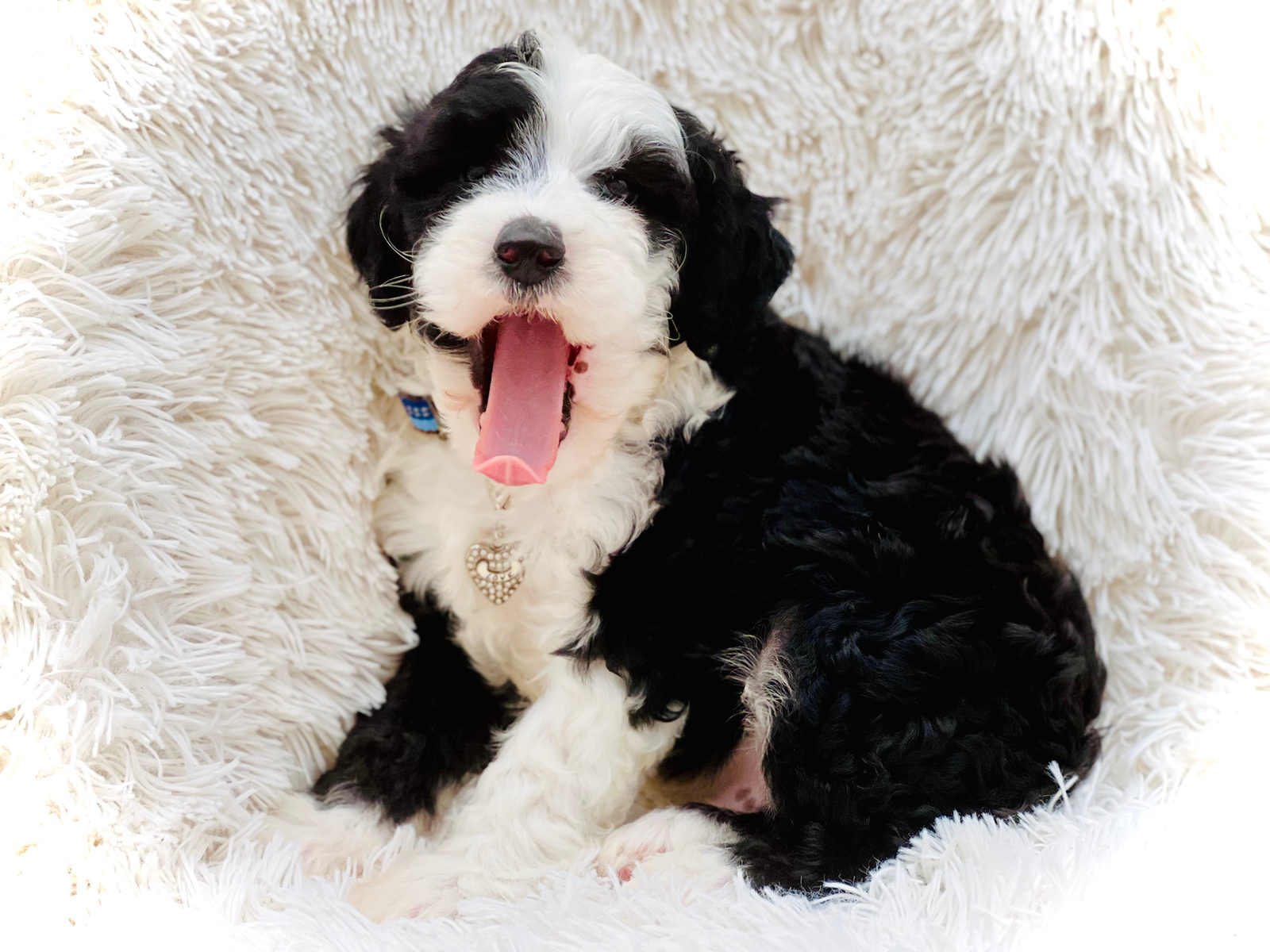
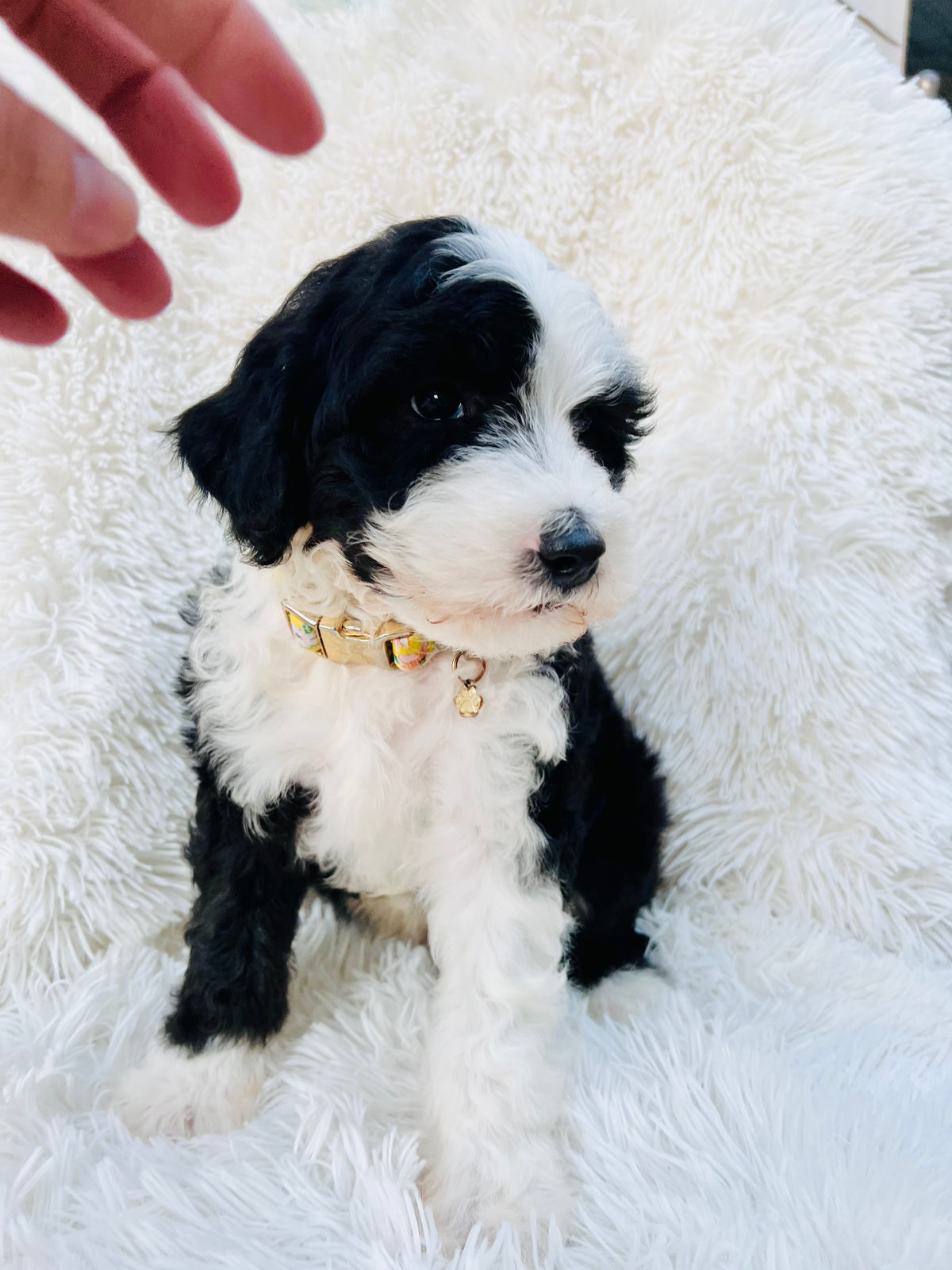
Sheepadoodle ears are adorable and, unfortunately, exactly the shape and texture that veterinarians associate with higher infection risk. Floppy, hair-covered, and prone to trapping moisture — here’s how to actually keep them healthy, including a grooming debate that’s shifted in recent years.
Why Sheepadoodles Are Prone to Ear Infections
Several factors stack up against this breed’s ears specifically. Floppy ear flaps block airflow into the canal. Poodle-influenced ear hair adds another layer trapping moisture and debris. And a naturally warm, dark ear canal is exactly the environment yeast and bacteria thrive in.
None of this means infections are inevitable — it means a proactive routine matters more for this breed than for a prick-eared, short-haired dog. Puppies with mostly hairless ear canals at a young age often develop more hair coverage as their adult coat comes in, so ear care needs can genuinely increase as your Sheepadoodle matures.
Signs of an Ear Infection
- Head shaking or scratching at the ears more than usual.
- Redness or swelling visible inside the ear flap.
- Foul odor coming from the ear.
- Dark discharge or visible debris in the canal.
- Sensitivity to touch around the ear area, or tilting the head to one side.
Any of these signs warrant a veterinary check rather than waiting to see if it resolves on its own — untreated ear infections can become painful and considerably harder to treat.
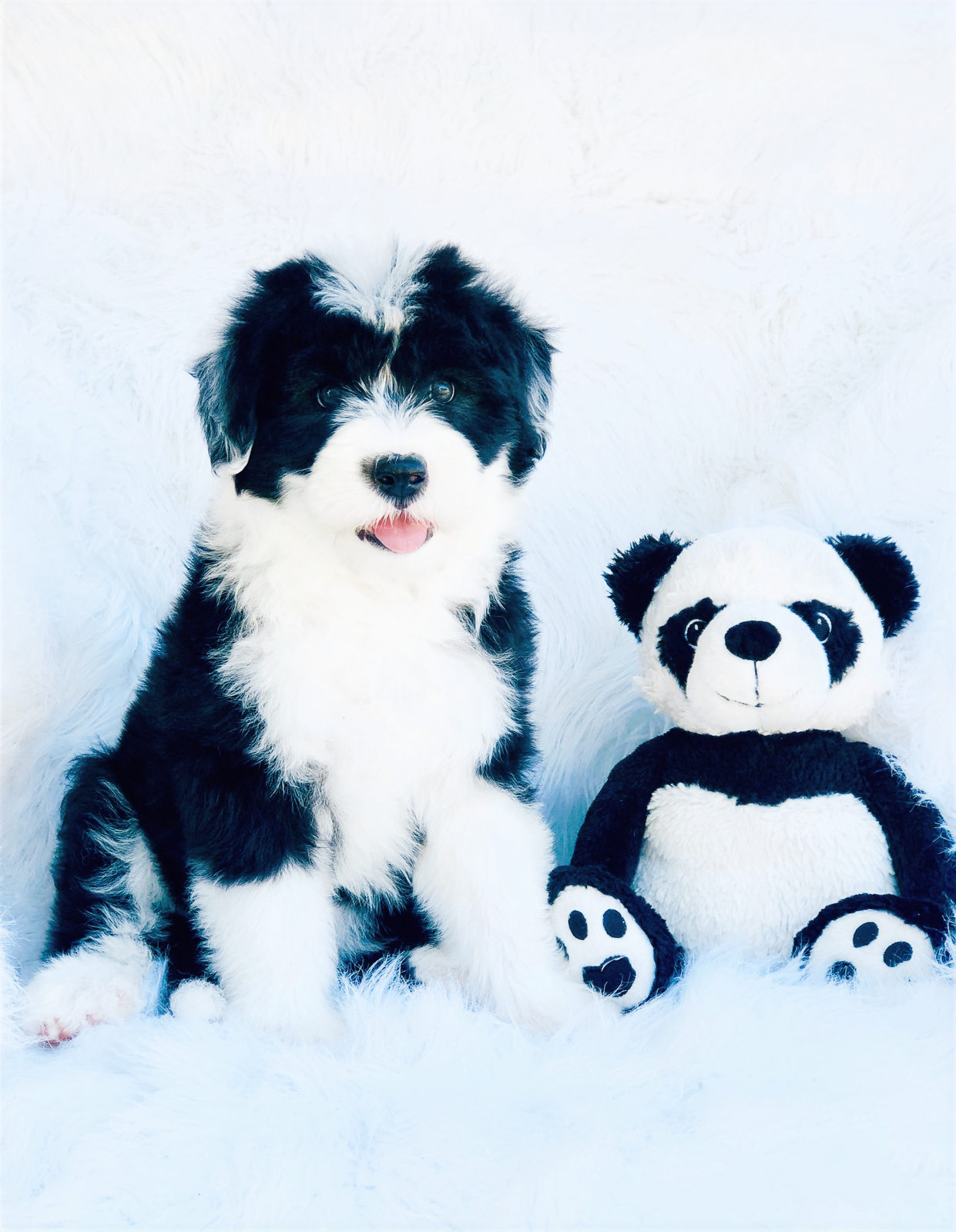
Head shaking, redness, or odor are all signs worth a veterinary check rather than waiting it out.
How to Clean Your Sheepadoodle’s Ears
According to Cornell University’s College of Veterinary Medicine, proper ear cleaning technique matters as much as frequency:
- Use a veterinarian-approved ear cleaner, never water, alcohol, or hydrogen peroxide, which can irritate sensitive tissue.
- Fill the ear canal gently per the product’s instructions, then massage the base of the ear to help the solution work through debris.
- Let your dog shake their head — this helps bring loosened debris up and out.
- Wipe the visible ear canal with gauze or a soft cloth, never a cotton swab, which can push debris deeper.
- Dry thoroughly after cleaning, baths, or swimming, since moisture left behind is a primary driver of infection.
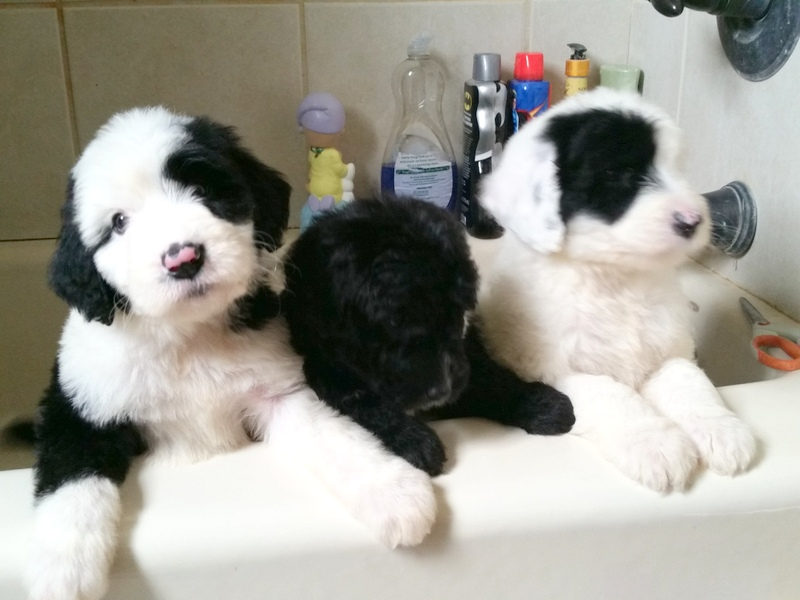
Gentle technique with the right tools matters as much as how often you clean.
The Ear Hair Plucking Debate: What’s Changed
For years, plucking ear canal hair was standard practice for Poodle-mix grooming. That advice has genuinely shifted. Many veterinarians and groomers now advise against routine plucking, since pulling hair from the canal can cause microscopic tears in delicate tissue — giving bacteria an easy entry point and, counterintuitively, increasing infection risk rather than preventing it.
The current, more evidence-based approach favors trimming visible hair rather than plucking from inside the canal, keeping airflow open without the tissue trauma. Full removal is now generally reserved for cases where a veterinarian identifies a specific medical reason.
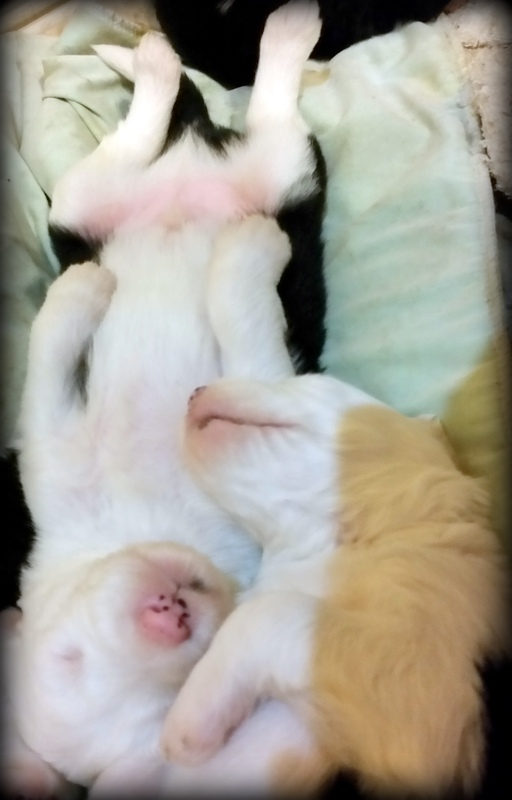
Trimming rather than plucking ear hair is the more current, evidence-based recommendation from many veterinarians.
If your groomer routinely plucks ear hair, it’s worth asking about their approach and whether trimming instead might be a better fit — particularly for a dog with any history of ear sensitivity or infection. This is exactly the kind of question a good groomer should welcome, not one that puts them on the defensive.
Cleaning Frequency Guide
| Situation | Recommended Frequency |
|---|---|
| General maintenance, no history of issues | Every 2–4 weeks |
| Frequent swimmer | After every swim |
| History of ear infections | Weekly, or as directed by your vet |
| After every bath | Always dry ears thoroughly |
According to the American Kennel Club, over-cleaning can actually disrupt the ear’s natural balance and cause irritation, so more isn’t always better — match frequency to your individual dog’s needs rather than defaulting to daily cleaning.
Common Ear Care Mistakes
What Helps
- Consistent, gentle cleaning on a schedule matched to your dog
- Thorough drying after baths and swimming
- Trimming rather than plucking canal hair
- Prompt vet visits at the first sign of infection
What Backfires
- Cotton swabs, which push debris deeper into the canal
- Over-cleaning, which can irritate healthy ear tissue
- Ignoring mild symptoms until they become severe
- Using human ear care products not formulated for dogs
Most ear care mistakes come from good intentions taken too far — either avoiding cleaning altogether out of fear of hurting your dog, or over-cleaning in an effort to prevent every possible issue. A consistent, moderate routine beats both extremes.
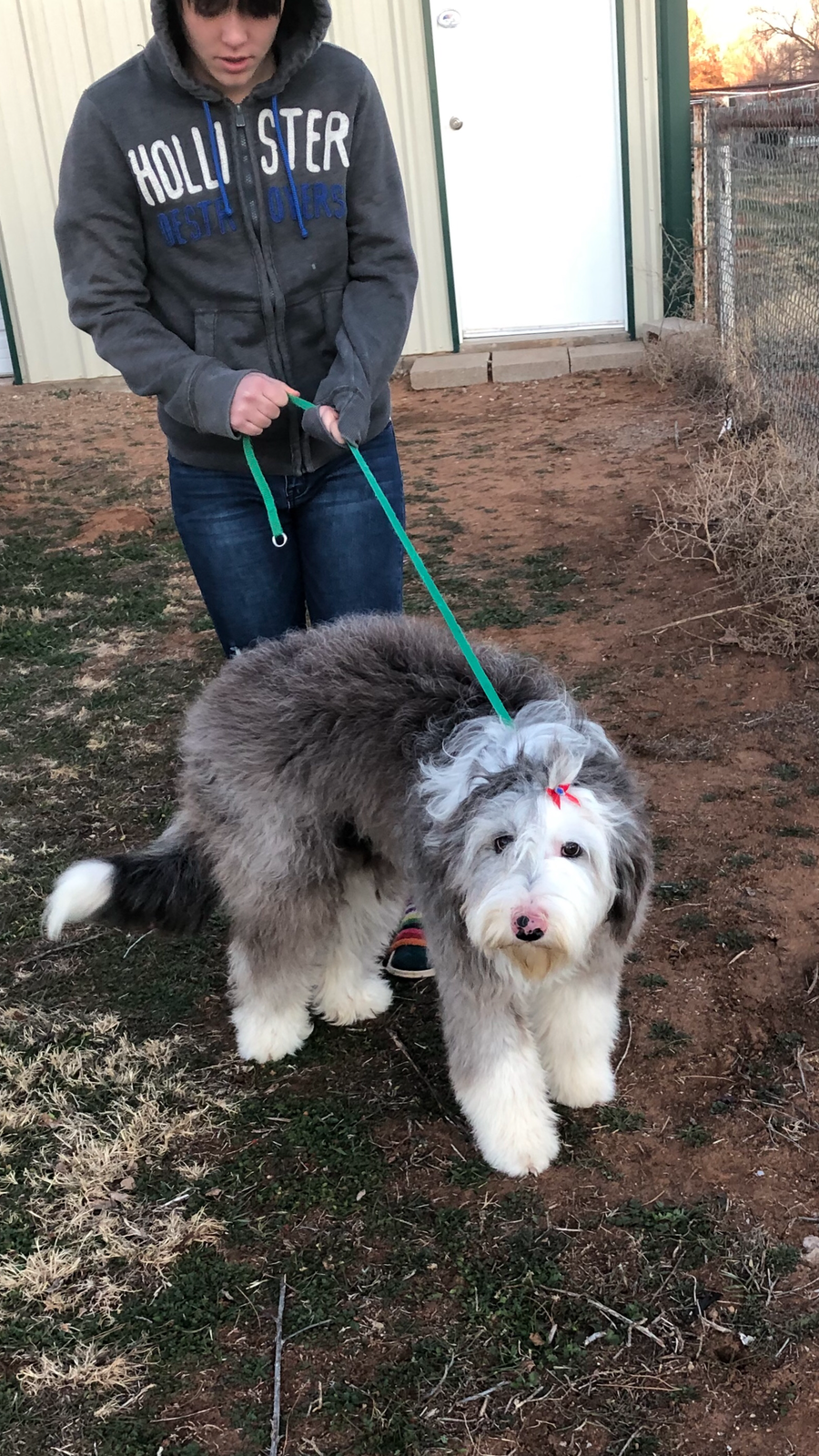
A consistent, moderate cleaning routine beats both neglect and over-cleaning for long-term ear health.
Building Ear Checks Into Your Routine
The easiest way to stay ahead of ear issues is folding a quick check into grooming sessions you’re already doing. While brushing your dog’s coat, take thirty seconds to glance inside each ear for redness, odor, or excess debris. Catching a problem early, before head shaking or scratching starts, often means a simpler and less expensive treatment.
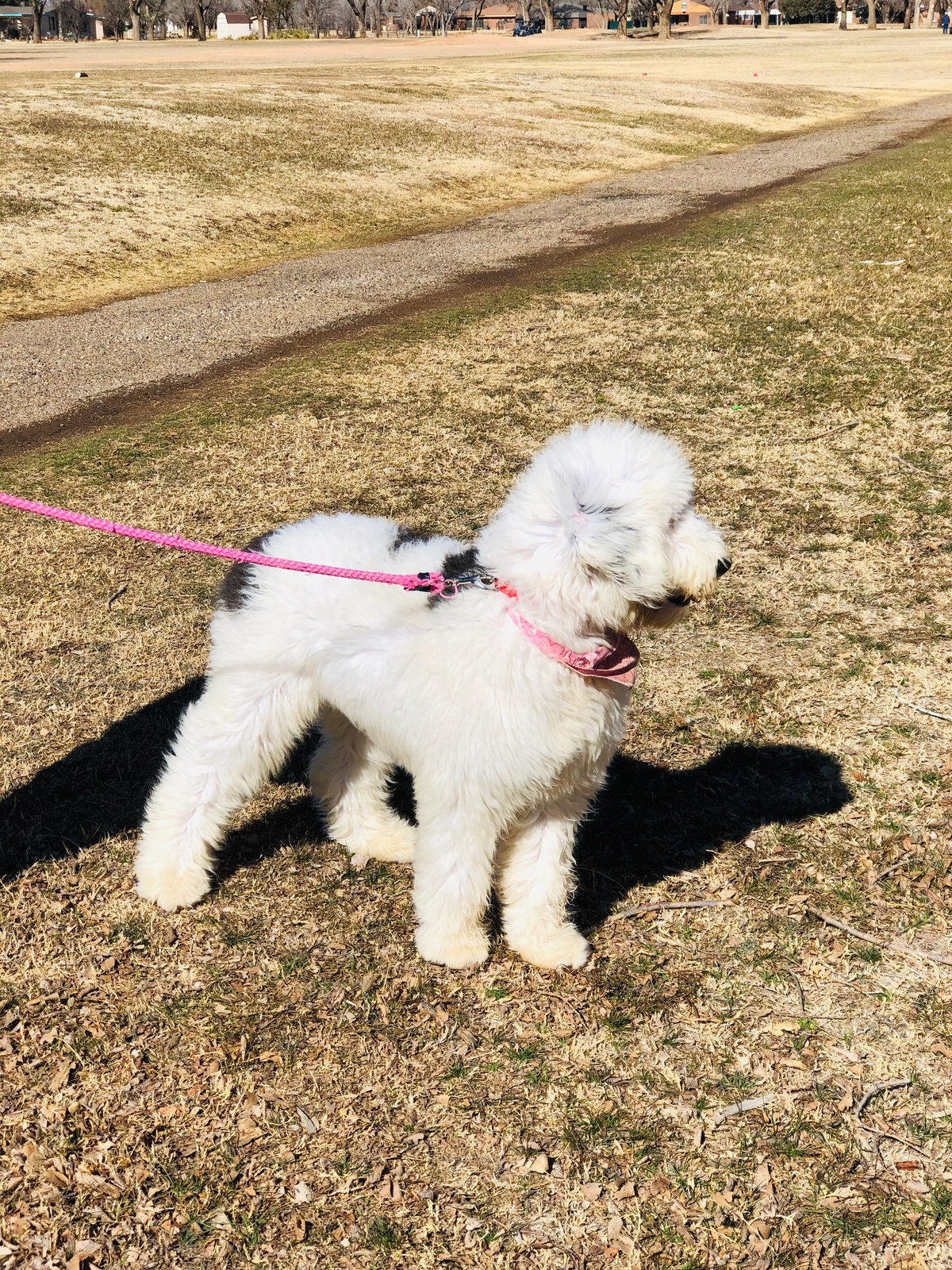
A quick ear check during regular grooming sessions helps catch problems early, before they become painful.
Have Ear Care Questions?
We’re happy to talk through what to expect for your specific puppy’s coat and ear type.
Contact Sunshine SheepadoodlesFrequently Asked Questions
Should I pluck my Sheepadoodle’s ear hair?
Current veterinary opinion generally favors trimming over plucking, since plucking can cause microscopic tissue damage that increases infection risk rather than preventing it. Discuss your dog’s specific needs with your groomer or vet.
How often should I clean my Sheepadoodle’s ears?
Every 2 to 4 weeks for general maintenance, more often for frequent swimmers or dogs with a history of ear infections. Over-cleaning can also cause irritation, so match frequency to your dog’s actual needs.
What household products are safe for cleaning dog ears?
None are recommended as substitutes for a veterinarian-approved ear cleaner. Water, alcohol, and hydrogen peroxide can all irritate sensitive ear tissue and shouldn’t be used for routine cleaning.
Can ear infections cause permanent damage if untreated?
Yes, chronic or severe untreated ear infections can potentially affect hearing and balance. Prompt veterinary treatment at the first signs of infection helps prevent more serious complications.
For overall coat and grooming routine, see our Sheepadoodle grooming guide, and review our lifespan and health guide for other breed-common considerations.