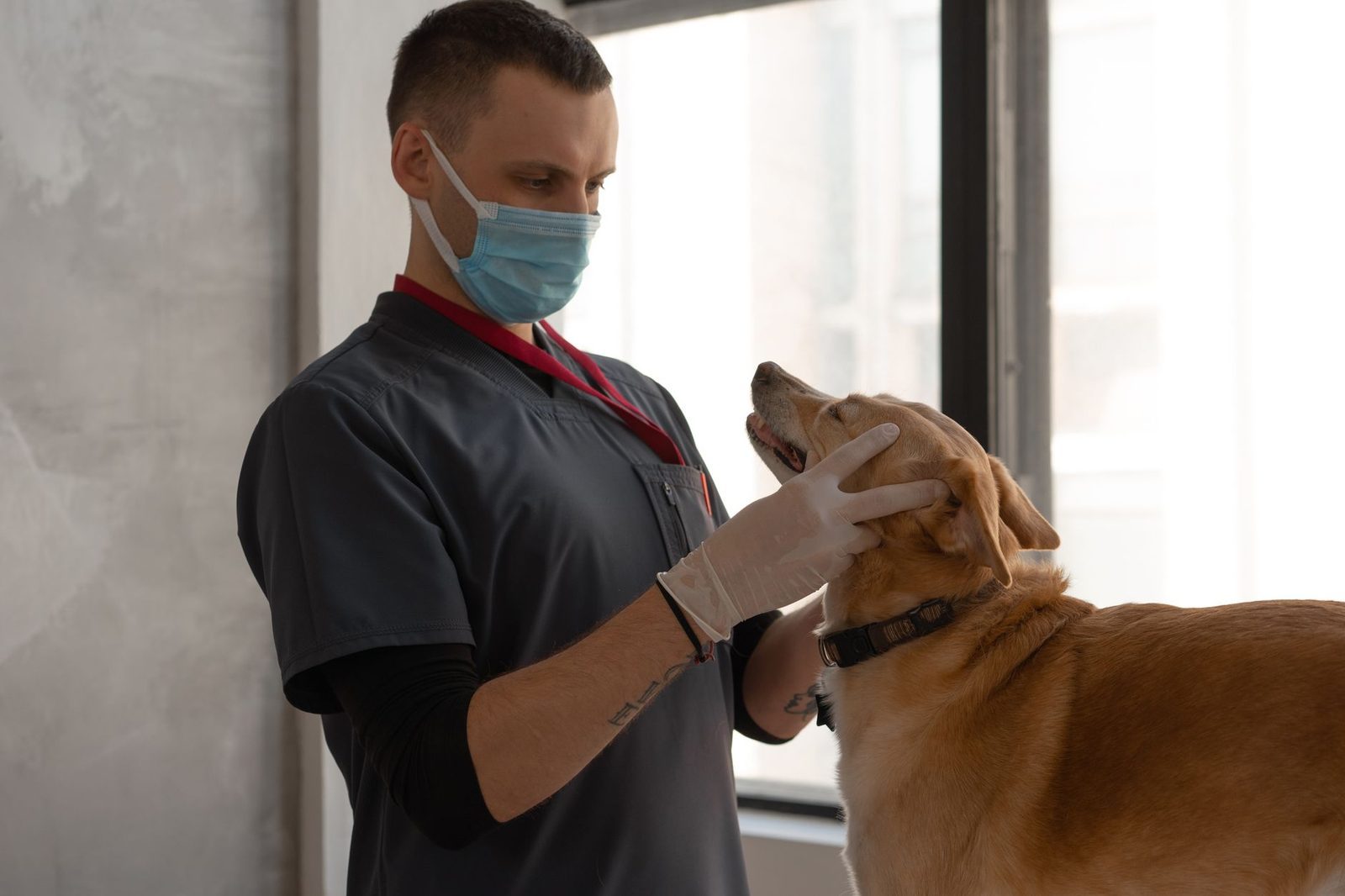
If you’ve priced out a Sheepadoodle puppy, you’ve likely seen a pet insurance offer show up at checkout or in your first vet visit paperwork. It’s worth pausing before you sign anything. Pet insurance can be a smart hedge against a five-figure emergency bill, or a monthly expense that never pays for itself — which one it turns out to be depends on specifics most ads gloss over.
This guide covers how pet insurance actually works, what a policy typically covers and excludes, and a framework for deciding whether it makes sense for a Sheepadoodle specifically, given the breed’s size and orthopedic risk. We’re not pointing you toward a specific company; that decision should be based on your own quotes.
How Pet Insurance Actually Works
Nearly all pet insurance in the US runs on a reimbursement model, not direct-pay like human health insurance. You pay your vet bill in full, submit a claim with the itemized invoice, and the insurer reimburses a percentage after your deductible is met. According to the American Veterinary Medical Association, it’s worth asking any provider upfront how claims are processed and how long reimbursement takes.
Three numbers determine what you pay and get back: the annual deductible, the reimbursement percentage (commonly 70–90%), and the annual payout cap. A lower deductible and higher reimbursement mean a higher premium, so the “cheapest” plan on paper isn’t always the best value.
The Three Coverage Tiers
Nearly every provider sells some version of three tiers. Knowing the difference before you request quotes will save you from comparing plans that aren’t actually equivalent.
| Tier | Typically Covers | Typically Excludes | Rough Premium Range |
|---|---|---|---|
| Accident-only | Broken bones, swallowed objects, car accidents, bite wounds | Illness, chronic and hereditary conditions, wellness care | Lowest tier; often under $20–$30/month for a large dog |
| Accident + Illness | The above, plus infections, cancer, allergies, and hereditary or congenital conditions (including orthopedic issues) if enrolled before symptoms appear | Pre-existing conditions, elective procedures, routine/preventive care | Most common tier; nationally averages around $62/month for dogs |
| Accident + Illness + Wellness add-on | Everything above, plus a fixed reimbursement toward annual exams, vaccines, and dental cleanings | Still excludes pre-existing conditions; wellness portion is a budgeting tool, not true risk coverage | Adds roughly $10–$30/month on top of the base plan |
Comprehensive accident-and-illness premiums for a Sheepadoodle-sized dog typically range from roughly $30 to well over $100 a month, depending on the provider, the dog’s age, your zip code, and the deductible and reimbursement percentage you choose. Get quotes at matching terms before comparing prices.
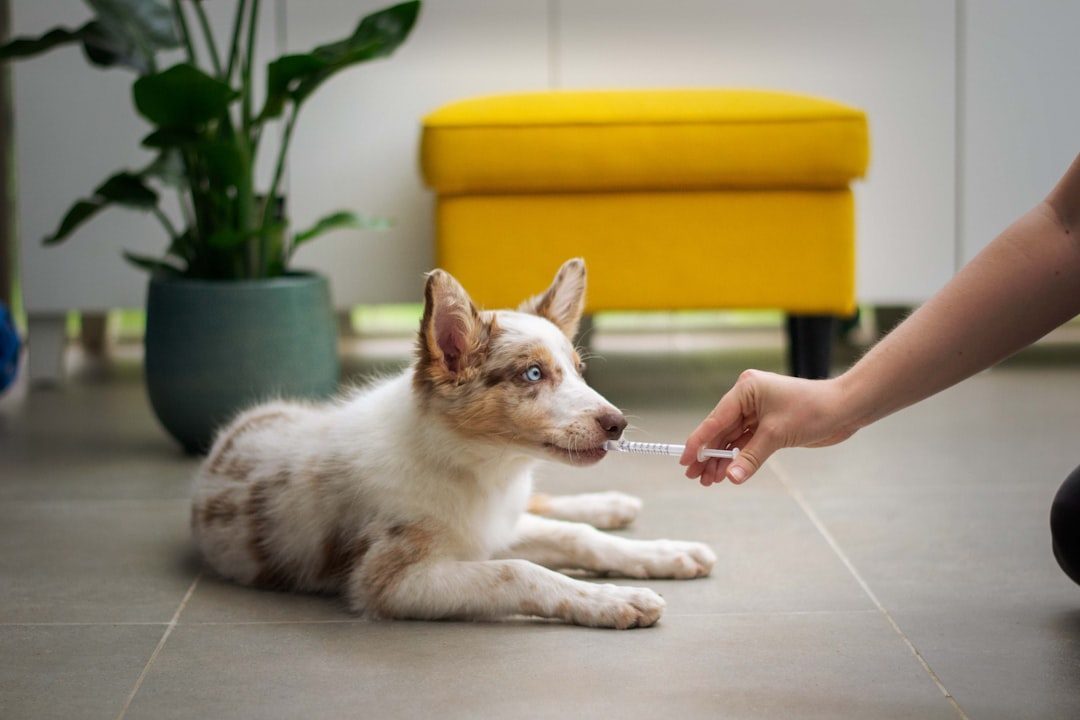
Wellness add-ons cover routine visits, but accident-and-illness coverage is what protects against a major unplanned bill.
What’s Typically Covered vs. Excluded
Coverage details vary by provider, but most accident-and-illness policies follow a similar pattern.
Usually Covered
- Diagnostic tests: X-rays, bloodwork, ultrasounds, MRIs
- Surgery and hospitalization for a covered accident or illness
- Prescription medications tied to a covered condition
- Specialist and emergency/ER visits
- Cancer treatment and chronic illness management, once enrolled
Usually Excluded
- Pre-existing conditions (diagnosed or symptomatic before enrollment)
- Elective or cosmetic procedures
- Routine/preventive care, unless a wellness add-on is purchased
- Breeding, pregnancy, and whelping-related costs
- In some policies, the “other side” of a paired-organ issue already claimed (for example, the opposite knee or hip)
Pre-Existing Conditions: The Fine Print That Matters Most
A pre-existing condition is any injury or illness your dog was diagnosed with, or showed symptoms of, before coverage started, including during the waiting period. It doesn’t need a formal diagnosis; a vet note about a limp or recurring ear issue can be enough for an insurer to exclude that condition later.
Most policies include a short waiting period, typically a few days for accidents and roughly two weeks for illness, during which any new symptom is treated as pre-existing. Some providers reconsider a fully resolved “curable” condition as insurable again after a symptom-free stretch, though this rarely applies to chronic conditions like joint disease.
Because a Sheepadoodle’s orthopedic risk is inherited from both sides of the pedigree, it’s worth understanding what your puppy’s parents were actually screened for. Our guide to Sheepadoodle health testing and genetic screening explains what OFA and PennHIP evaluations measure, a useful reference before a joint issue shows up in your dog’s own vet records.

A joint issue documented in vet records before you enroll will typically be excluded going forward as pre-existing.
Why This Matters More for a Large, Orthopedic-Risk Breed
Standard Sheepadoodles typically mature to the 50–90 lb range, and larger dogs carry higher lifetime odds of orthopedic issues and accident-type injuries than small breeds. Hip and elbow dysplasia are documented concerns on the Old English Sheepdog side, and treatment isn’t cheap: cost guides for procedures like TPLO knee surgery or hip replacement commonly cite $1,200–$3,000 for less invasive procedures, up to $3,500–$7,000 or more per joint for more involved surgery. That gap between a possible bill and a monthly premium is the actual math behind the “worth it” question. For a deeper look at what shapes a Sheepadoodle’s health outlook overall, see our Sheepadoodle lifespan and health guide.
Insurance Is Often Worth It If…
- You’re enrolling a young puppy with no documented symptoms yet
- A surprise $3,000–$10,000 bill would strain your finances or force a hard medical decision
- You want predictable monthly costs instead of an unknown future bill
- You’d rather not gamble on a large, active breed’s orthopedic odds
You Might Skip It If…
- You’ve already built a dedicated $8,000–$10,000+ pet emergency fund
- You’re adopting an older dog with existing conditions that would largely be excluded anyway
- You’d genuinely rather self-insure and are disciplined about setting the premium amount aside monthly
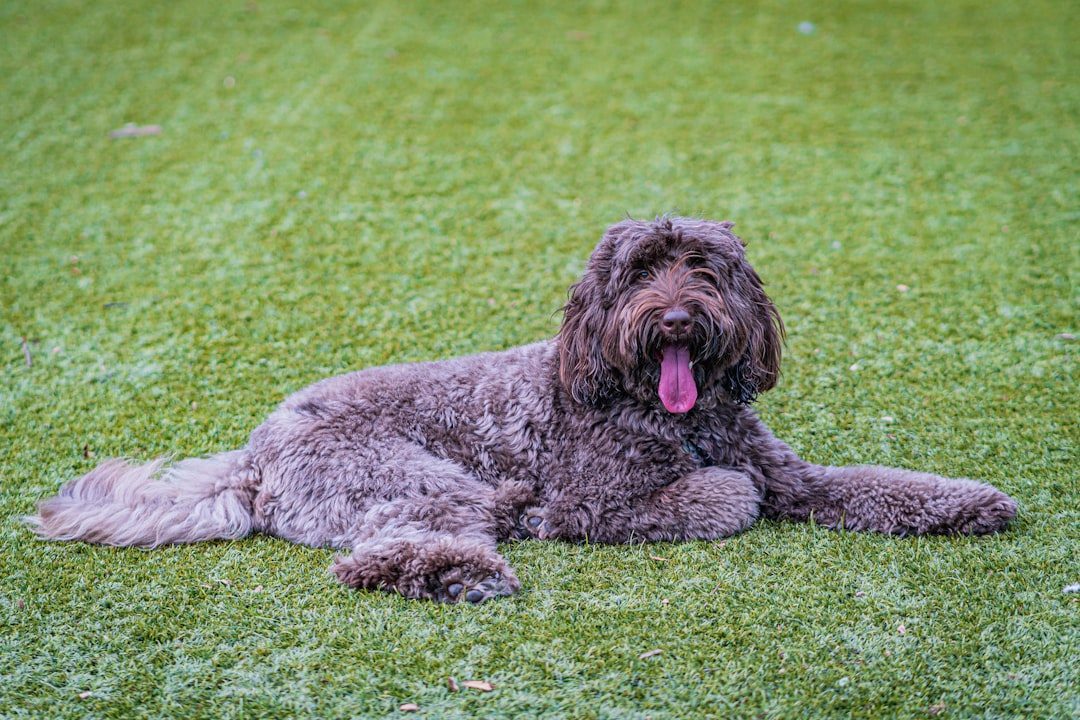
Larger, active dogs carry higher lifetime odds of an orthopedic or accident-related claim.
What Premiums Actually Look Like Nationally
Industry-wide numbers help set expectations before you request your own quotes. According to the North American Pet Health Insurance Association (NAPHIA), the average US accident-and-illness premium for dogs was $749.29 per year, or about $62.44 per month, based on year-end 2024 policy data across all breeds and ages. A young, healthy dog can land well under that; an older or larger dog can land above it. NAPHIA also reported that only about 7 million pets were insured across the US and Canada by year-end 2024, meaning most owners are still self-insuring by default, whether deliberate or not.

Comparing quotes at the same deductible and reimbursement percentage makes premiums genuinely apples-to-apples.
A Simple Framework for Deciding
First, get quotes while your puppy is young and completely healthy, ideally within the first few weeks home. Enrolling before any vet visit documents a symptom is the single biggest factor in whether future orthopedic or chronic issues get covered.
Second, compare quotes from a couple of providers at matching deductible, reimbursement percentage, and annual limit, so you’re comparing real prices instead of different coverage in disguise. Third, weigh the annual premium (monthly cost × 12) against what a single major claim, or several claim-free years, would actually cost you either way.
Insurance is one line item in a much bigger budget that includes food, grooming, routine vet care, and training. Our Sheepadoodle annual cost of ownership guide breaks down how a monthly premium fits alongside those other recurring costs, and our Sheepadoodle puppy cost guide covers what to budget before your dog even comes home.
Thinking Through the Full Cost of a Sheepadoodle Puppy?
We’re happy to talk through health testing, expected size, and what to budget for beyond the purchase price.
Contact Sunshine SheepadoodlesFrequently Asked Questions
Is pet insurance worth it for a Sheepadoodle?
Given the breed’s size and the orthopedic risk inherited from the Old English Sheepdog side, accident-and-illness coverage purchased while your puppy is young and symptom-free is often worth it if a $3,000–$10,000 unexpected bill would be a real financial strain.
Does pet insurance cover hip dysplasia in Sheepadoodles?
Only if your dog was enrolled before any symptoms or diagnosis appeared in vet records. Once hip or elbow dysplasia is documented, it becomes a pre-existing condition and is typically excluded from that point forward.
What does pet insurance typically cost for a large breed dog?
NAPHIA reported a national average of about $749 per year, or roughly $62 per month, for dog accident-and-illness coverage in its most recent data. Larger and older dogs often land at or above that average.
Does pet insurance cover spay or neuter surgery?
No, routine spay or neuter is elective preventive care and isn’t covered by accident-and-illness plans, though some wellness add-ons partially reimburse it. See our Sheepadoodle spay and neuter guide for timing and cost expectations.
When’s the best time to enroll a Sheepadoodle puppy in pet insurance?
As early as possible, ideally right after you bring your puppy home and before any vet visit records a symptom that could later be classified as pre-existing.
Pet insurance is one piece of preparing for a large, active breed. For the bigger financial picture, see our annual cost of Sheepadoodle ownership guide, and for what shapes long-term health beyond insurance, our Sheepadoodle lifespan and health guide.