
Bringing a new baby home is a big adjustment for your whole household, including your Sheepadoodle. This breed is affectionate and eager to be near its people, but it also carries real herding instinct from its Old English Sheepdog side — the same instinct behind heel-nipping or “gathering” behavior with kids and other pets. That doesn’t make a Sheepadoodle unsafe around infants, but it does mean baby introductions need more structure than “let them meet and see how it goes.”
Whether you already have a Sheepadoodle and a baby is on the way, or you’re timing a new puppy around your baby’s arrival, here’s what to do beforehand, how to handle the introduction itself, and what ongoing supervision should look like once baby is home.
Why the Herding Instinct Matters Here
A Sheepadoodle’s herding-nip is usually about movement and noise, not aggression — a crawling, shrieking, fast-moving baby can trigger the same instinct as a fleeing sheep. We cover this trait in general detail in our Sheepadoodle temperament guide, but around infants it deserves specific attention, since babies can’t signal discomfort the way an adult or older child can.
The goal isn’t to suppress the instinct; it’s to redirect it with training and manage it with supervision, so a curious nudge or nip never happens near an unprotected face or hands.
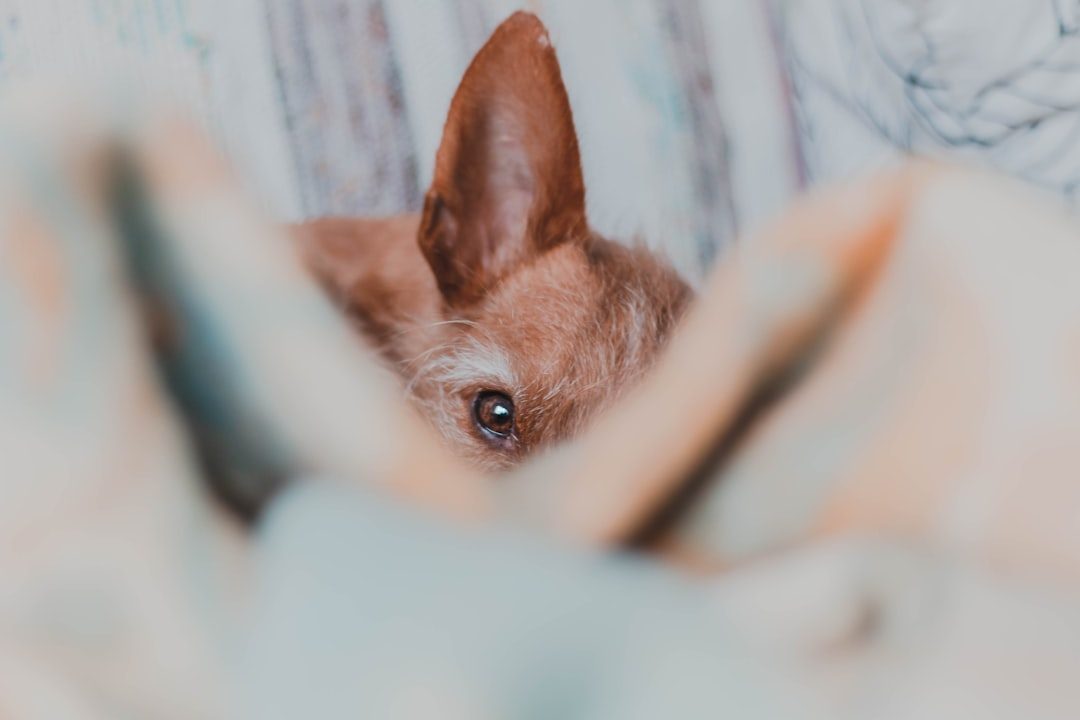
Letting your dog investigate baby-scented items before the baby arrives builds familiarity.
Preparing Your Sheepadoodle Before Baby Arrives
Start well before the due date. Sheepadoodles are routine-oriented, and sudden change tends to trigger more stress than the baby itself.
Scent introduction: A few weeks out, let your dog sniff baby lotion, powder, and a blanket or outfit from the hospital before the baby comes home. Pair the new scent with calm praise or a treat so it becomes a positive association rather than a novelty to investigate later.
Routine changes, early: If feeding times, walks, or sleeping arrangements will shift once the baby arrives, change them gradually now rather than all at once on day one. A dog already adjusted to a new routine has one less stressor to absorb during an already chaotic week.
Training priorities: A solid “sit,” “stay,” “leave it,” and a reliable place command matter more here than any trick. Our Sheepadoodle puppy training guide covers the foundational cues worth prioritizing, and our puppy socialization checklist helps if you’re raising a young puppy alongside a newborn’s timeline.
| Timeframe | What to focus on |
|---|---|
| 3+ months before | Brush up on obedience cues; begin gradually shifting routines and sleeping arrangements |
| 6–8 weeks before | Introduce baby scents (lotion, powder); practice with a stroller and baby-sized doll |
| 2 weeks before | Play recorded baby sounds at low volume; set up gates and a dedicated dog-only space |
| First 2 weeks home | Short, calm, leashed introductions only; no unsupervised time in the same room |
| Weeks 3–8 home | Gradually increase supervised proximity; reinforce calm behavior near the baby |
Getting a Puppy Around the Same Time as a Baby
Some families plan a Sheepadoodle puppy’s arrival to coincide with a new baby, figuring the two will “grow up together.” That can work, but it means taking on two demanding jobs at once: newborn care and puppy raising.
If you’re set on this timing, aim to bring the puppy home at least a few months before the due date, not after. That gives you time to get through crate training, potty training, and basic obedience before you’re also sleep-deprived and managing a newborn. Our crate training guide and guide to reserving a puppy can help with that timeline.
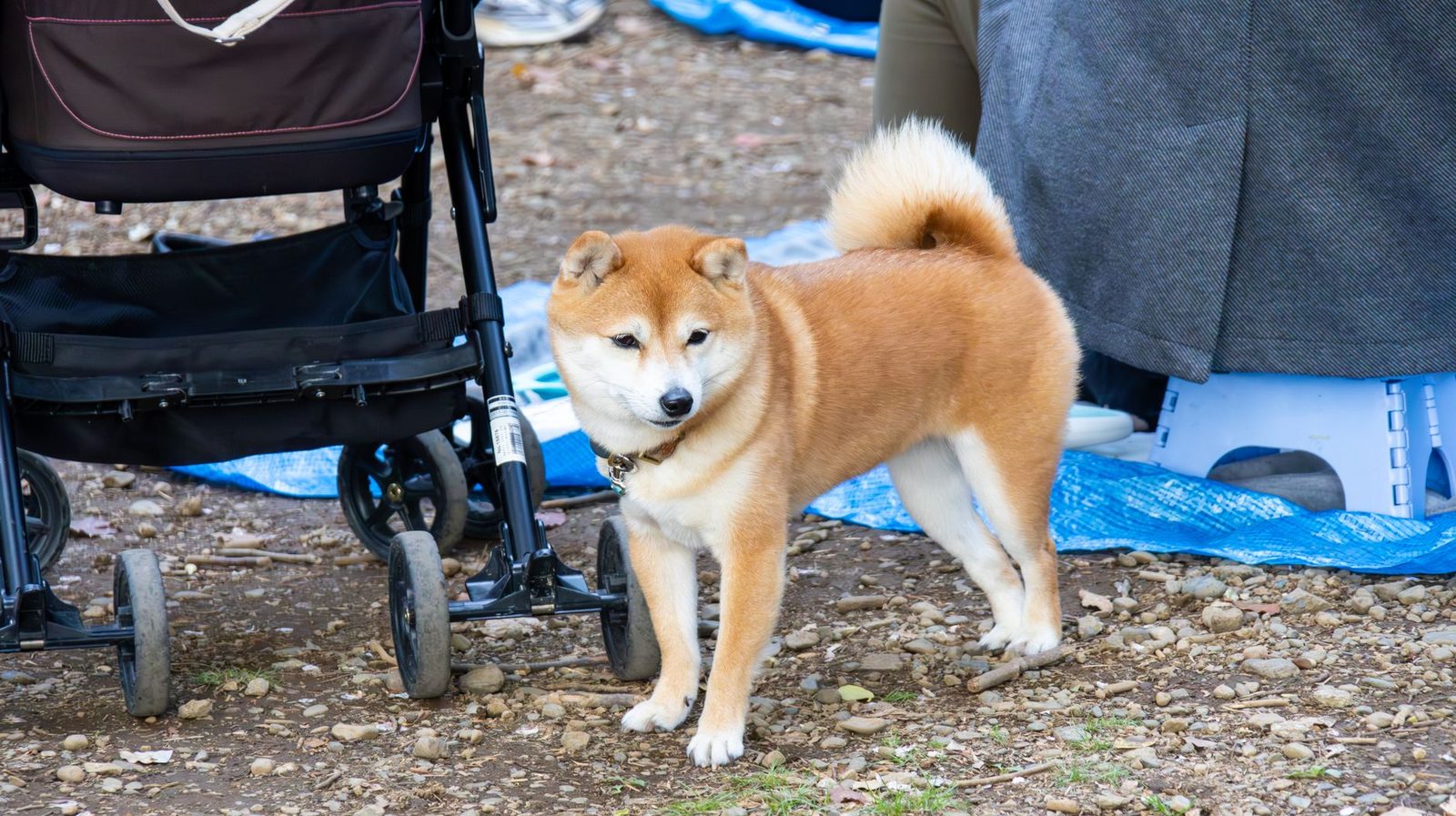
Practicing stroller walks before baby arrives helps a puppy adjust to a new routine element.
The First Introduction, Step by Step
Handle the homecoming meeting deliberately, not as an afterthought after a long hospital stay.
Have someone else hold the baby while you greet your dog first, calmly, so your dog isn’t overwhelmed the moment you walk in. Once settled, let your dog approach on a loose leash and sniff the baby’s feet or blanket from a comfortable distance, rather than holding the baby toward the dog’s face. Keep the first session short and end it before your dog gets overstimulated, rather than waiting for a reaction to tell you it’s time to stop.
Ongoing Supervision Rules
This is the part families relax too soon, and the part that matters most. A Sheepadoodle can be completely trustworthy in every other context and still need active supervision around an infant, simply because babies move unpredictably and can’t communicate distress the way a dog expects.
Signs Your Sheepadoodle Is Adjusting Well
- Sniffs and checks in on the baby, then loses interest and settles elsewhere
- Chooses to lie near the baby calmly during supervised time
- Responds normally to cues even when the baby is fussing
- Shows no stiffening, freezing, or fixed staring when the baby moves suddenly
Signs You Need Extra Support or a Trainer
- Guarding you, a chair, or a room when the baby is nearby
- Persistent circling, herding-nipping at feet, or “gathering” attempts toward the baby
- Avoiding the baby’s room entirely or excessive panting/pacing near the baby
- Any growling, snapping, or stiff body language directed at the baby
Never leave your Sheepadoodle and baby alone in a room together, even for a moment, even once things seem settled. Use baby gates, a crate, or a leash to maintain physical control during interactions, and give your dog a reliable retreat space of their own where the baby doesn’t follow. If your dog struggles being separated from the family during these transitions, our separation anxiety guide addresses keeping alone-time calm.

A baby gate or dedicated dog space gives everyone a clear physical boundary.
Warning Signs That Need Immediate Attention
Most Sheepadoodles adjust well with consistent structure, but don’t wait out concerning behavior hoping it resolves. Growling near the baby, stiff or frozen posture, resource guarding of you or a favorite spot, or repeated herding-nips that don’t respond to redirection all warrant an immediate call to a certified trainer or veterinary behaviorist.
According to the American Veterinary Medical Association, most dog bites involving children come from a familiar, generally well-behaved family dog, which is exactly why supervision matters even with a dog you trust completely. The American Academy of Pediatrics’ dog bite prevention guidance echoes this: never leave a small child alone with any dog, no matter how well-trained.
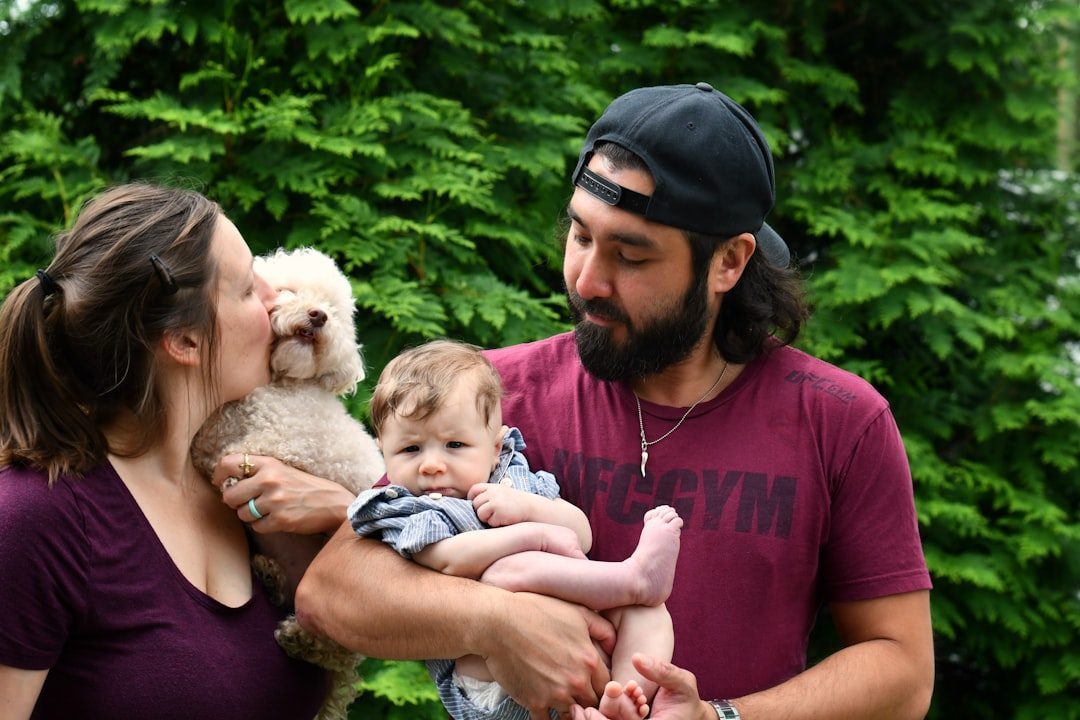
A controlled, calm approach lets your dog investigate without direct contact.
Planning a Puppy Around Your Baby’s Timeline?
We can help you think through timing, temperament, and what to expect from a Sheepadoodle puppy in a busy household with a newborn.
Contact Sunshine SheepadoodlesFrequently Asked Questions
At what age can I start preparing my Sheepadoodle for a new baby?
Start scent and routine preparation as soon as you know a baby is coming, ideally two to three months ahead. Adult dogs and puppies both benefit from a gradual runway rather than sudden change in the final weeks.
Should I get a Sheepadoodle puppy before or after the baby arrives?
Before is generally easier. Bringing a puppy home several months ahead lets you get through crate training, potty training, and basic obedience before you’re also managing a newborn’s schedule.
Why does my Sheepadoodle nip or circle when the baby cries or moves?
This is usually herding instinct inherited from the Old English Sheepdog side, triggered by sudden movement or noise rather than aggression. It should still be redirected through training and managed with supervision, since a nip near a baby’s face or hands is a real risk regardless of intent.
Is it safe to leave a Sheepadoodle alone in a room with a sleeping baby?
No. Veterinary and pediatric safety authorities consistently recommend never leaving any dog, including a calm and well-trained family dog, unsupervised with an infant or young child.
What if my Sheepadoodle seems anxious or won’t settle around the baby?
Give your dog a quiet retreat space away from the baby and keep interactions short and positive rather than forcing proximity. If avoidance, pacing, or stress signals continue past the first few weeks, involve a certified trainer or behaviorist.
How long does it typically take for a Sheepadoodle to adjust to a new baby?
Most dogs settle into a noticeably calmer routine within four to eight weeks of consistent, supervised exposure. Full comfort, especially once the baby starts crawling and moving unpredictably, can take a few months of continued management.
A calm, well-supervised introduction sets the tone for years of life together. For more on the temperament traits behind this breed’s herding instincts, see our Sheepadoodle temperament guide, and if you’re also integrating other pets during this transition, our guide to introducing a Sheepadoodle to other dogs and cats covers that process in detail.