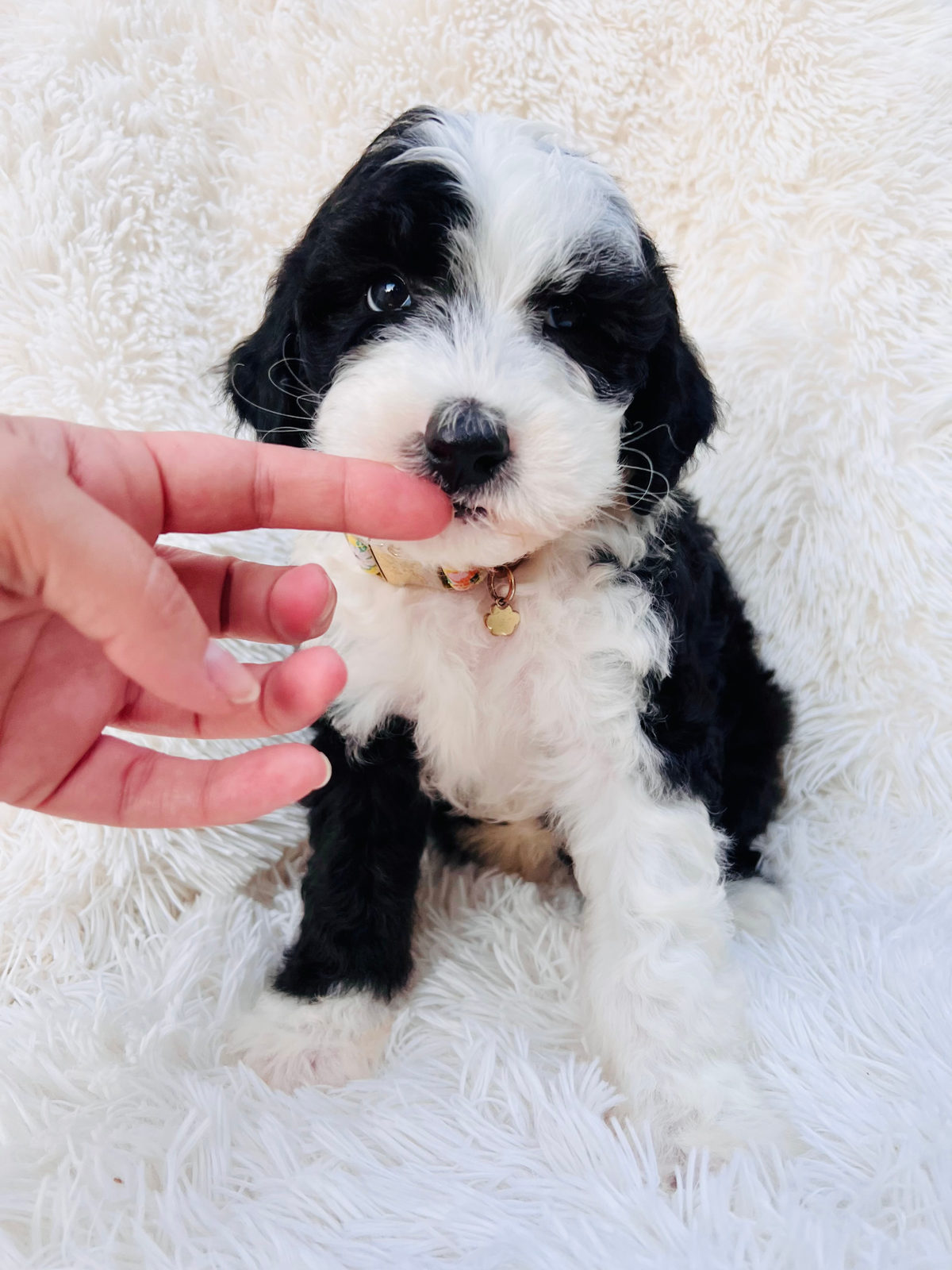
The same qualities that make Sheepadoodles such devoted companions — deep attachment, constant awareness of where you are, genuine distress at being left out of the action — are exactly what can tip into separation anxiety if it’s never actively addressed. Here’s how to prevent it, and what to do if it’s already showing up.
Why Sheepadoodles Are Prone to Separation Anxiety
Sheepadoodles are people-oriented by nature, inheriting that trait from both parent breeds. That same affectionate, in-your-space personality that makes them wonderful family dogs also means they don’t naturally default to comfortable independence the way some more aloof breeds do.
This isn’t a flaw to train out entirely — it’s a tendency to actively manage, starting as early as possible. The goal isn’t to make your dog indifferent to your absence, just comfortable enough that alone time doesn’t trigger genuine distress.
Signs to Watch For
| When | What You Might See |
|---|---|
| Before you leave | Pacing, whining, or trying to physically block the door |
| While you’re gone | Barking, howling, destructive chewing (often near doors/windows), house soiling in a trained dog |
| When you return | Exaggerated, prolonged excitement well beyond normal greeting behavior |
According to the ASPCA, destructive behavior during separation anxiety episodes is often directed specifically at exit points like doors and windows, or at items carrying your scent — a useful clue that distinguishes anxiety from ordinary boredom-driven chewing.

Destructive behavior near doors or windows is a distinguishing clue between separation anxiety and ordinary boredom.
Building Independence From Day One
Prevention is far easier than treatment. A few habits from the earliest weeks make a real difference:
- Crate train early, building positive associations with alone time in a safe, comfortable space rather than only using the crate at bedtime.
- Practice short separations immediately, even when you don’t need to leave — a few minutes in another room, daily, from the first week home.
- Avoid dramatic goodbyes and greetings. Keeping departures and returns low-key teaches your dog that your absence isn’t a big event.
- Establish a predictable daily rhythm around feeding, walks, and rest, so alone time becomes an expected part of the routine rather than a surprise.
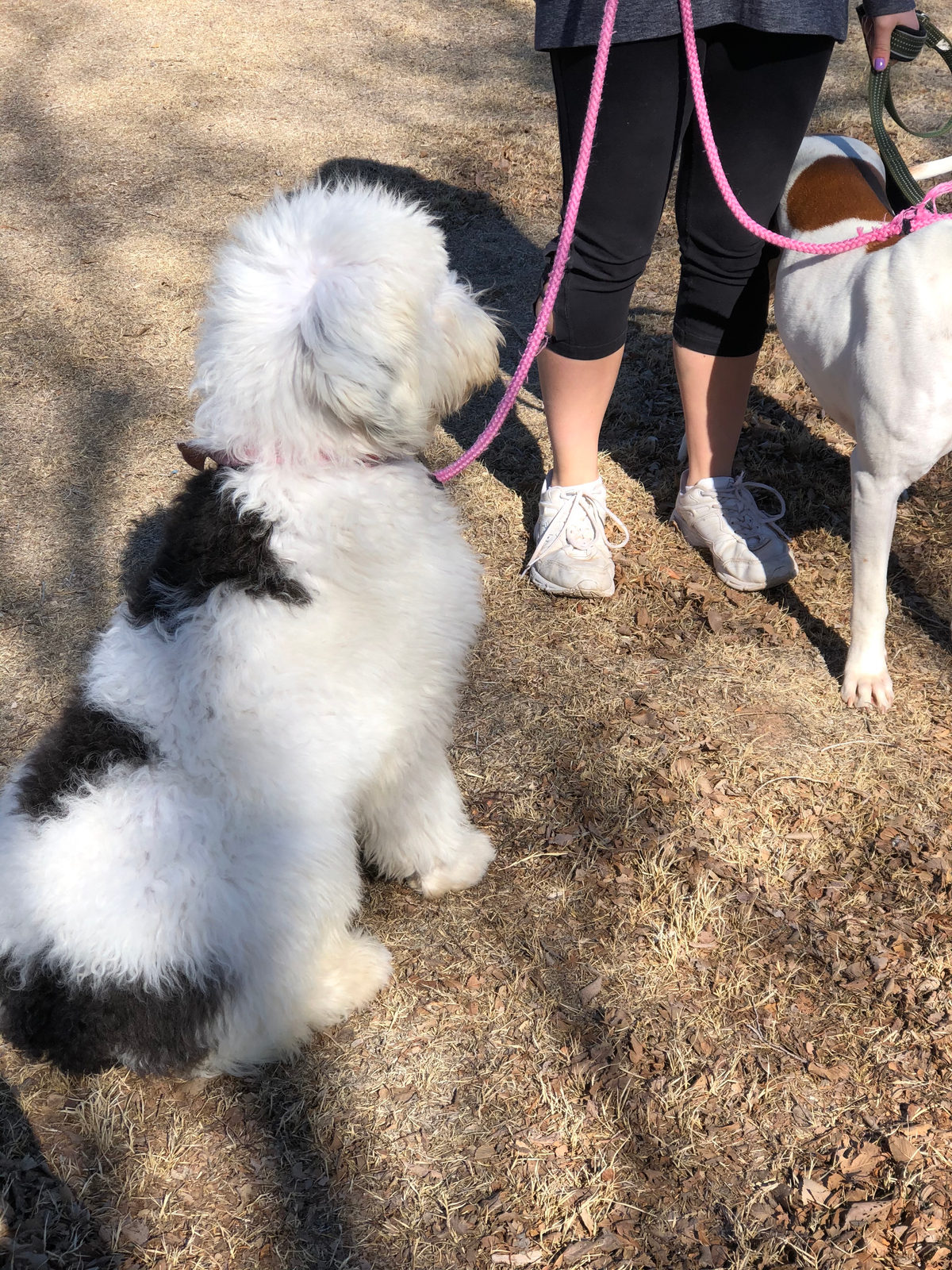
Positive, early crate associations are one of the most effective tools for preventing separation anxiety before it starts.
Step-by-Step Desensitization Training
If separation anxiety is already showing up, gradual desensitization is the most reliable approach:
- Practice “fake” departures. Put on your shoes, grab your keys, walk to the door — then don’t leave. Repeat until your dog stops reacting to these cues.
- Start with seconds, not minutes. Step outside and immediately return. Gradually increase the time only after your dog stays calm at the current duration.
- Keep departures and returns unremarkable. No excited goodbyes or big greetings — calm energy on both ends.
- Track progress with video if possible, so you can see actual behavior during your absence rather than guessing.
- Increase duration slowly, only once your dog is consistently relaxed at the current length — rushing this step is the most common reason training stalls.
According to the American Kennel Club, this kind of gradual, structured desensitization is the evidence-based standard for treating separation anxiety, and rushing the timeline typically sets progress back rather than speeding it up.
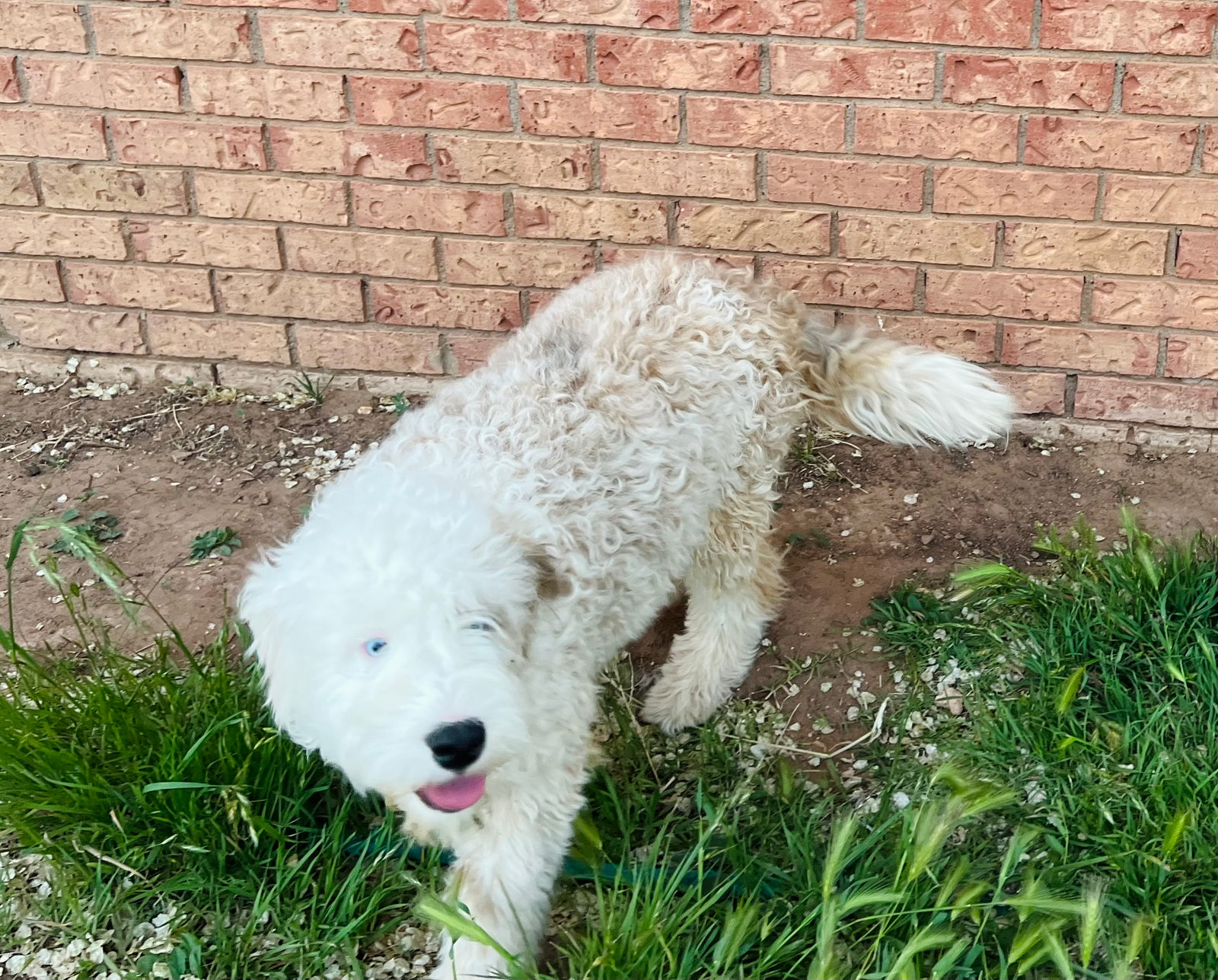
Gradual, patient desensitization — not rushing the timeline — is what actually resolves separation anxiety long-term.
What to Avoid
What Actually Helps
- Positive reinforcement for calm, independent behavior
- Consistent daily practice, even in small doses
- A predictable routine around departures
- Mental enrichment left available during alone time
What Makes It Worse
- Punishing anxiety-driven destruction after the fact
- Skipping straight to long absences without building up gradually
- Dramatic, prolonged goodbyes and hellos
- Inconsistent practice (a few days on, then weeks off)
When to Seek Professional Help
If signs are severe — self-injury, extreme distress, or no improvement after weeks of consistent gradual training — a certified professional dog trainer or veterinary behaviorist can help. Some cases benefit from a combined approach involving both behavioral training and, in more severe situations, veterinary guidance on anti-anxiety support.
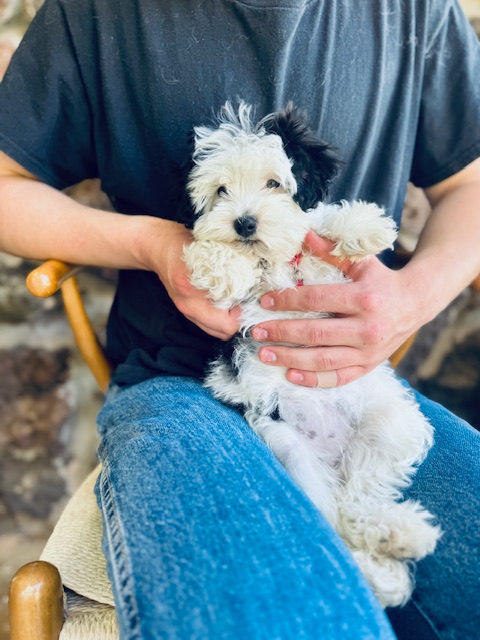
Professional support is worth seeking for severe cases that don’t respond to consistent home training.
Managing Alone Time in the Meantime
While working through a training protocol, a few environmental adjustments can reduce stress in the short term without undermining the training itself:
- Leave a puzzle feeder or long-lasting chew at departure time, giving your dog something engaging to associate with your absence.
- Use background noise, like a TV or radio at low volume, to soften the sudden quiet of an empty house.
- Consider a midday break from a dog walker, daycare, or trusted neighbor during longer workdays, especially during active training.
- Keep a consistent “safe zone” — the same crate or room each time — rather than varying the setup, which adds unpredictability.
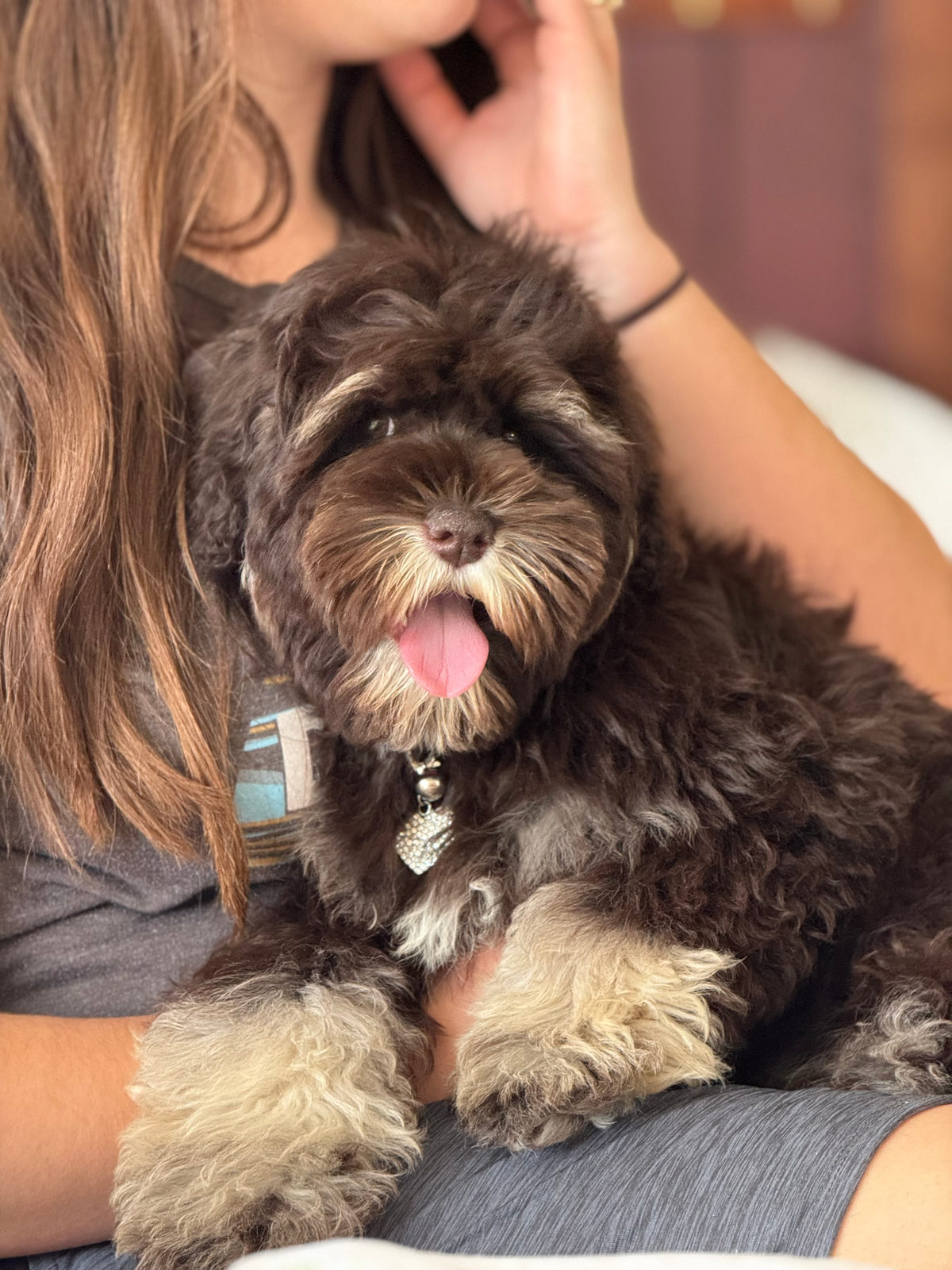
A puzzle feeder or long-lasting chew can meaningfully ease stress during alone time while training progresses.
Bringing Home a Puppy Soon?
We’re happy to talk through early independence habits that fit your household’s schedule before pickup day.
Contact Sunshine SheepadoodlesFrequently Asked Questions
How long can a Sheepadoodle be left alone?
With proper training, many adult Sheepadoodles can comfortably handle 4 to 6 hours alone, though this should be built up gradually and varies by individual dog. Puppies need much shorter stretches.
Is crate training helpful or harmful for separation anxiety?
When introduced positively and gradually, a crate can be genuinely helpful, giving a dog a secure space. It can backfire if used punitively or introduced too suddenly, so positive early association matters.
Can separation anxiety be fully cured?
Many dogs see significant improvement with consistent, gradual desensitization training, though timelines vary widely. Severe cases sometimes benefit from professional support alongside behavioral training.
Does getting a second dog help with separation anxiety?
Sometimes, but not reliably. Separation anxiety is often specifically about missing you rather than being alone in general, so a companion animal doesn’t always resolve it.
At what age should separation training start?
As early as possible, ideally from the first week home. Short, positive alone-time practice built into a puppy’s normal routine is far easier than addressing established anxiety later.
Curious how this connects to overall temperament? See our Sheepadoodle temperament guide, or review our puppy training guide for how crate training fits into the first month.
Leave a Reply