Bad breath is often the first sign owners notice, but by the time it’s obvious, dental disease may already be well underway. Here’s a realistic dental care routine for your Sheepadoodle, what plaque and tartar actually mean, and what professional cleanings involve.
Why Dental Care Matters Beyond Fresh Breath
Periodontal disease isn’t just a mouth problem. Left untreated, it can lead to tooth loss, chronic pain, and bacteria entering the bloodstream that may affect other organs over time. Most dogs show some degree of dental disease by age three without consistent home care, making this one of the most preventable, most commonly neglected areas of routine pet health.
Sheepadoodles don’t carry any specific breed predisposition to dental issues beyond what applies to dogs generally, which is actually good news: this is one health area almost entirely within your control through consistent home care, rather than something tied to genetics you can’t change.
How to Brush Your Sheepadoodle’s Teeth
- Use a dog-specific toothpaste and brush. Human toothpaste contains ingredients like xylitol that are unsafe for dogs.
- Start slow. Let your dog taste the toothpaste first, then gradually introduce touching the brush to their teeth over several sessions.
- Focus on the outer surfaces, where plaque accumulates most, using small circular motions.
- Keep sessions short and positive, ending with praise or a reward every time.
- Build up gradually to brushing the full mouth as your dog becomes more comfortable with the process.

Starting slow and building positive associations makes tooth brushing far easier long-term.
Brushing Frequency Guide
| Care Type | Ideal Frequency | Minimum Effective |
|---|---|---|
| Brushing | Daily | 3 times per week |
| Dental chews/treats | Daily, as a supplement | Several times weekly |
| Professional cleaning | Every 6–12 months | At first sign of tartar buildup |
Plaque vs. Tartar: What’s the Difference
| Category | Plaque | Tartar |
|---|---|---|
| What It Is | Soft bacterial film on teeth | Hardened, mineralized plaque |
| Formation Time | Forms continuously | Within about 24–48 hours of unremoved plaque |
| Removable By Brushing? | Yes | No — requires professional cleaning |
| Appearance | Often invisible or slightly filmy | Visible yellow-brown buildup |
This is exactly why consistent brushing matters more than occasional deep cleaning — once plaque hardens into tartar, home care alone can no longer remove it. Missing even a few days of brushing gives plaque enough time to begin mineralizing, which is why gaps in a routine matter more with dental care than with many other grooming tasks.
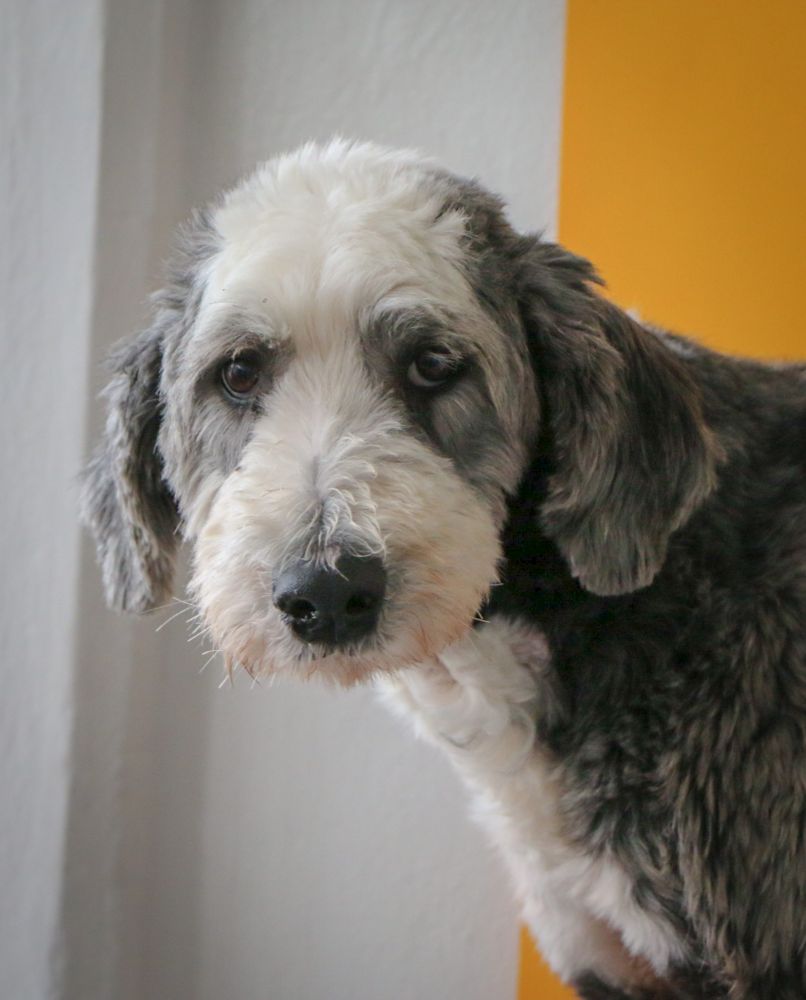
Regular brushing prevents plaque from ever hardening into tartar in the first place.
Dental Chews & Supplements: What Helps
Dental chews, water additives, and specially designed toys can meaningfully supplement a brushing routine, but none of them replace it. Look for products carrying the Veterinary Oral Health Council (VOHC) seal, which indicates the product has been tested and shown to reduce plaque or tartar in controlled studies.

Dental chews and additives work best as a supplement to brushing, not a replacement for it.
Dental Care at Different Life Stages
Dental needs shift as your Sheepadoodle grows. Puppies don’t need brushing during the teething phase covered in our teething guide, but introducing a toothbrush and toothpaste flavor early, even without much actual brushing, builds comfort for later. Once adult teeth are fully in around 6 to 7 months, that’s the ideal time to start a real daily or near-daily routine.
Adult dogs in their prime years benefit most from consistency, while senior dogs often need closer monitoring, since age-related dental disease can progress faster and sometimes hides behind reduced chewing enthusiasm that owners mistake for simple pickiness.
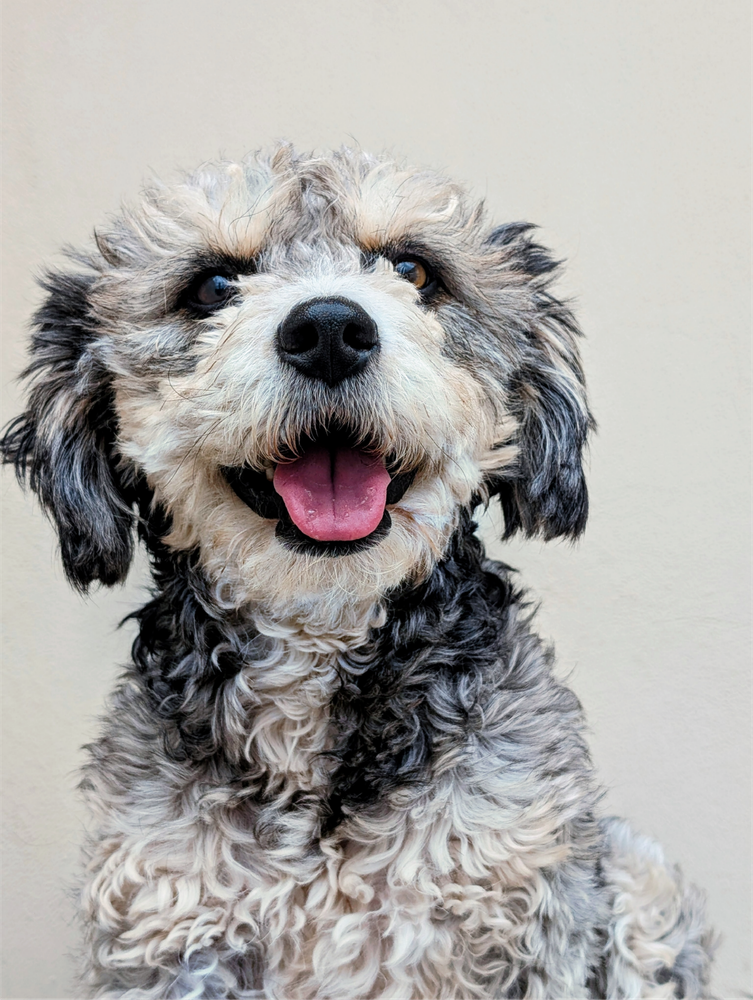
A consistent dental routine started early tends to make lifelong care far less stressful for both of you.
Signs of Periodontal Disease
- Persistent bad breath beyond normal “dog breath.”
- Red, swollen, or bleeding gums.
- Visible tartar buildup, especially along the gumline.
- Reluctance to chew favorite toys or harder food.
- Pawing at the mouth or excessive drooling.
Professional Cleanings Under Anesthesia: What to Expect
According to the American Animal Hospital Association, a proper professional cleaning includes a full evaluation, scaling above and below the gumline, and polishing — all of which require anesthesia to do thoroughly and safely, since dogs won’t hold still for the process otherwise.
Your vet will typically run pre-anesthetic bloodwork first to confirm your dog is a good anesthesia candidate, and many cleanings now include dental X-rays to catch issues hidden below the gumline that a visual exam alone would miss.
It’s worth being cautious of “anesthesia-free” dental cleanings sometimes marketed at grooming salons or pet stores. While the appeal of skipping anesthesia is understandable, these services typically only address visible tartar above the gumline and can’t evaluate or treat disease below it, where periodontal problems actually cause the most damage. Most veterinary organizations recommend anesthesia-based cleaning as the standard of care for this reason.

Professional cleanings under anesthesia allow for a thorough evaluation that home care alone can’t achieve.
Questions About Puppy Dental Development?
We’re happy to talk through what to expect as your puppy’s adult teeth come in.
Contact Sunshine SheepadoodlesFrequently Asked Questions
How often should I brush my Sheepadoodle’s teeth?
Daily is ideal, though brushing at least three times a week provides meaningful protection against plaque buildup and eventual tartar formation.
Is professional dental cleaning safe for older dogs?
Generally yes, when preceded by pre-anesthetic bloodwork to confirm your dog is a good candidate. Your veterinarian can assess individual risk factors before recommending the procedure.
Can dental chews replace brushing entirely?
No. Dental chews and additives are useful supplements, but brushing remains the most effective way to prevent plaque and tartar buildup on a daily basis.
What does the VOHC seal mean on dental products?
It indicates the product has been tested by the Veterinary Oral Health Council and shown in controlled studies to help reduce plaque or tartar buildup.
Curious about your puppy’s teething timeline first? See our teething and puppy biting guide, and review our lifespan and health guide for other breed-common considerations.