If you’ve browsed Sheepadoodle puppy listings, you’ve likely seen labels like F1, F1B, F2, and multigen and wondered what they mean for the dog you’d be bringing home. These aren’t marketing terms; they describe exactly how much Old English Sheepdog and Poodle ancestry a puppy carries, which has a real, measurable effect on coat texture, shedding, and how consistent a litter turns out to be. Here’s what each generation actually means and how to decide which one fits your household.
What Do F1, F1B, F2, and Multigen Actually Mean?
The “F” stands for “filial,” the genetics term for a generation that follows a cross. The number tracks how many generations separate a puppy from the original Poodle and Old English Sheepdog pairing, and a “B” means that generation was bred back, or backcrossed, to a purebred parent breed.
In practice, the labels break down like this:
- F1: One purebred Standard Poodle parent and one purebred Old English Sheepdog parent, roughly 50% of each breed.
- F1B: An F1 Sheepadoodle bred back to a purebred Poodle, roughly 75% Poodle and 25% Old English Sheepdog.
- F2: Two F1 Sheepadoodles bred together. Ancestry is still close to 50/50, but each puppy inherits a different, less predictable gene combination.
- Multigen: Often labeled F2B, F3, or simply “multigen,” several generations of Sheepadoodle-to-Poodle or Sheepadoodle-to-Sheepadoodle breeding, typically well above 85% Poodle depending on lineage.
The Genetics Behind the Coat: It’s Not Just Percentages
Coat type is controlled by specific genes, not simply how much Poodle ancestry a puppy has on paper. According to Embark Veterinary’s research on coat genetics, the RSPO2 gene produces “furnishings,” the wiry texture that makes a coat shed less, while KRT71 controls curl and FGF5 controls hair length.
Per the UC Davis Veterinary Genetics Laboratory, the furnishings variant is dominant, so a puppy needs only one copy to grow a furnished coat, but a Poodle parent with two copies is far more likely to pass furnishings to every puppy in a litter. That’s why backcrossing to a Poodle (the F1B move) raises the odds of a low-shedding coat rather than guaranteeing one by percentage alone. Generation also has nothing to do with color, which is governed by separate genes, covered in our Sheepadoodle coat colors and patterns guide.
| Generation | Typical Parentage | Typical Coat | Shedding | Coat Predictability | Best For |
|---|---|---|---|---|---|
| F1 | ~50% Old English Sheepdog, 50% Poodle | Wavy to shaggy, sometimes straighter | Low to moderate, varies by puppy | Lower — littermates can differ | Buyers who want maximum hybrid vigor and the classic shaggy look |
| F1B | ~75% Poodle, 25% Old English Sheepdog | Wavy-curly to curly | Low to non-shedding in most litters | Higher | Allergy-sensitive households wanting a predictable, low-shedding coat |
| F2 | ~50% Old English Sheepdog, 50% Poodle (from two F1 parents) | Wide range within one litter, straight to curly | Variable, hard to guarantee | Lowest of the four | Rarely offered by predictability-focused programs |
| Multigen | Commonly 85%+ Poodle, varies by lineage | Consistently wavy-curly, furnished | Low and consistent across the litter | Highest | Buyers who want the most litter-to-litter consistency |
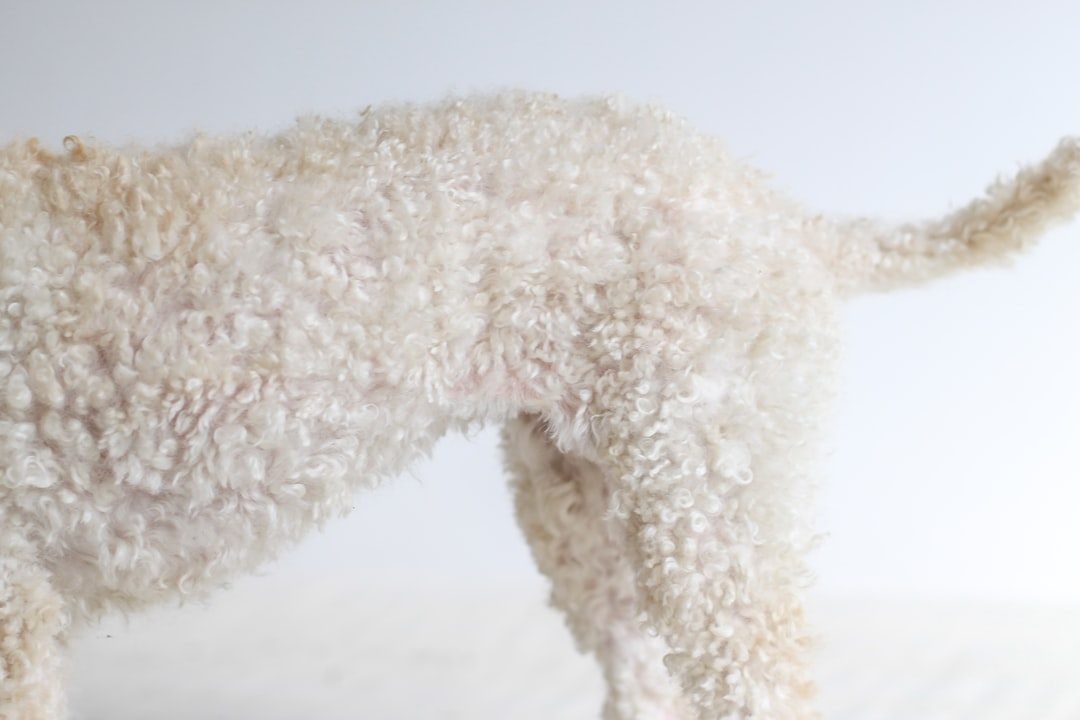
Furnishings and curl are controlled by specific genes, not just generation labels.
F1 Sheepadoodles: What to Expect
An F1 Sheepadoodle is the original cross: one purebred Standard Poodle parent and one purebred Old English Sheepdog parent. Because the genetics are drawn from two full purebred gene pools rather than a narrower backcrossed line, F1 puppies tend to show the most hybrid vigor and the widest range of coat outcomes in a single litter, from shaggy and sheepdog-like to curlier and lower-shedding.
F1 Pros
- Strongest hybrid vigor from two full purebred gene pools
- Classic shaggy, “teddy bear” appearance many buyers want
- Often the most physically robust puppies in a litter
F1 Cons
- Coat and shedding vary more puppy to puppy
- Less reliable for moderate to severe allergy sufferers
- Grooming needs can differ between littermates
F1B Sheepadoodles: The Allergy-Focused Choice
An F1B Sheepadoodle results from breeding an F1 Sheepadoodle back to a purebred Poodle. That extra Poodle ancestry raises the odds that every puppy inherits the dominant furnishings gene, which is why F1B litters tend to produce curlier, denser, lower-shedding coats more consistently than F1 litters.
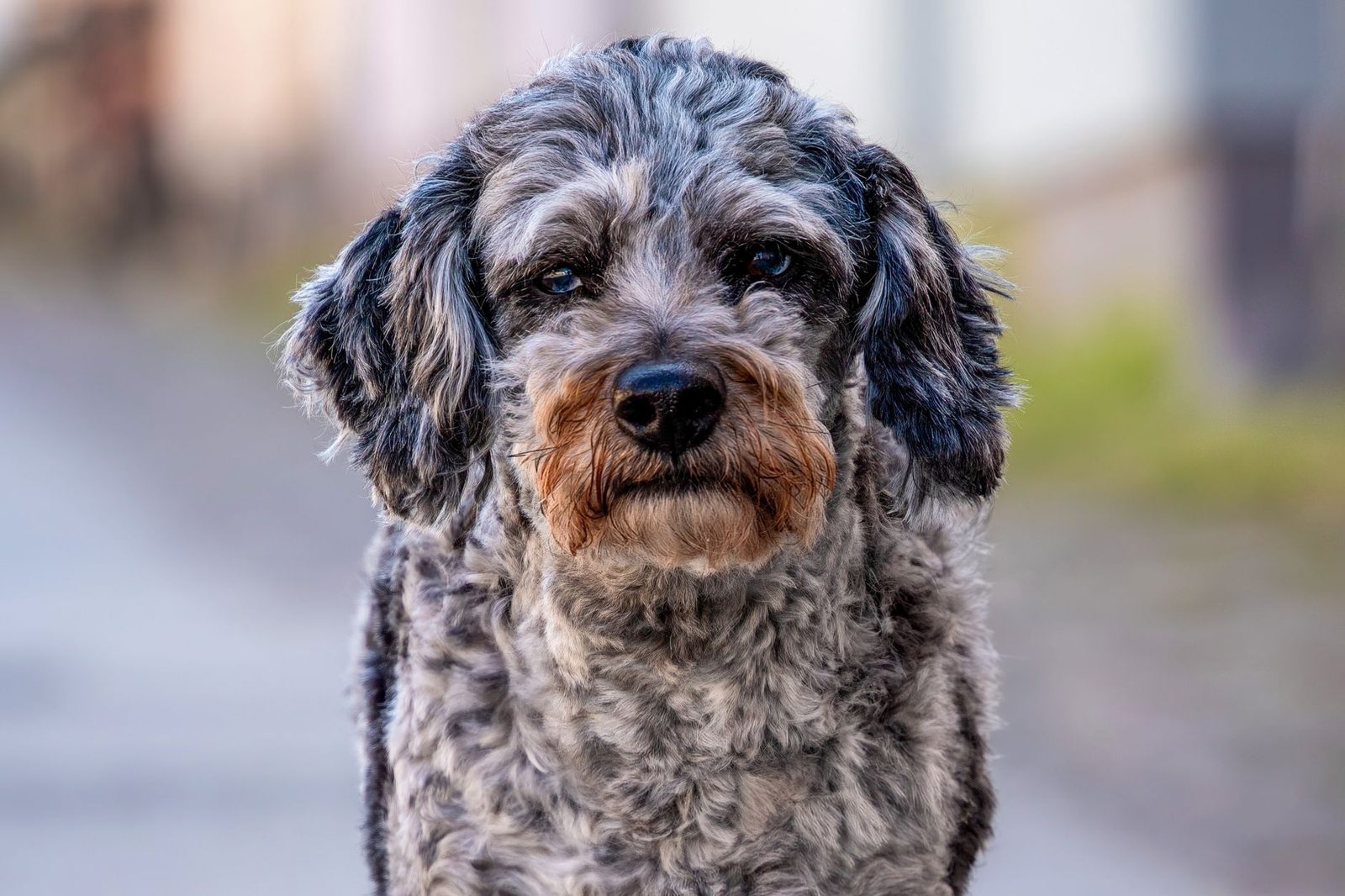
Higher Poodle percentage in F1B litters tends to produce denser, curlier coats like this.
F1B Pros
- Higher odds of a low-shedding, allergy-friendlier coat litter-wide
- Curlier, Poodle-forward texture many families specifically want
- More predictable outcome than F1 or F2 litters
F1B Cons
- Curlier coats mat more easily; see our Sheepadoodle grooming guide for a fitting routine
- Less Old English Sheepdog ancestry means slightly less genetic diversity
- Often priced higher due to demand; see our Sheepadoodle puppy cost guide
F2 and F2B Sheepadoodles: Why They’re Less Common
An F2 Sheepadoodle comes from breeding two F1 Sheepadoodles together. Because each F1 parent already carries a mixed set of coat genes, an F2 litter can produce puppies ranging from shaggy to tightly curled, sometimes within the same litter, giving it a “grab bag” reputation among doodle breeders generally. An F2B backcrosses an F2 to a Poodle to stabilize the coat somewhat, but most careful programs skip straight from F1 or F1B into multigenerational lines instead, since F2 offers no clear advantage over F1B for predictable, low-shedding coats.
Multigenerational Sheepadoodles: Consistency Through Repetition
A multigenerational, or “multigen,” Sheepadoodle comes from several generations of established breeding, usually a mix of Sheepadoodle-to-Poodle backcrosses and Sheepadoodle-to-Sheepadoodle pairings within a known line. Because breeders already know how a specific line’s dogs typically turn out, in coat and temperament, multigen litters tend to be the most consistent generation available.
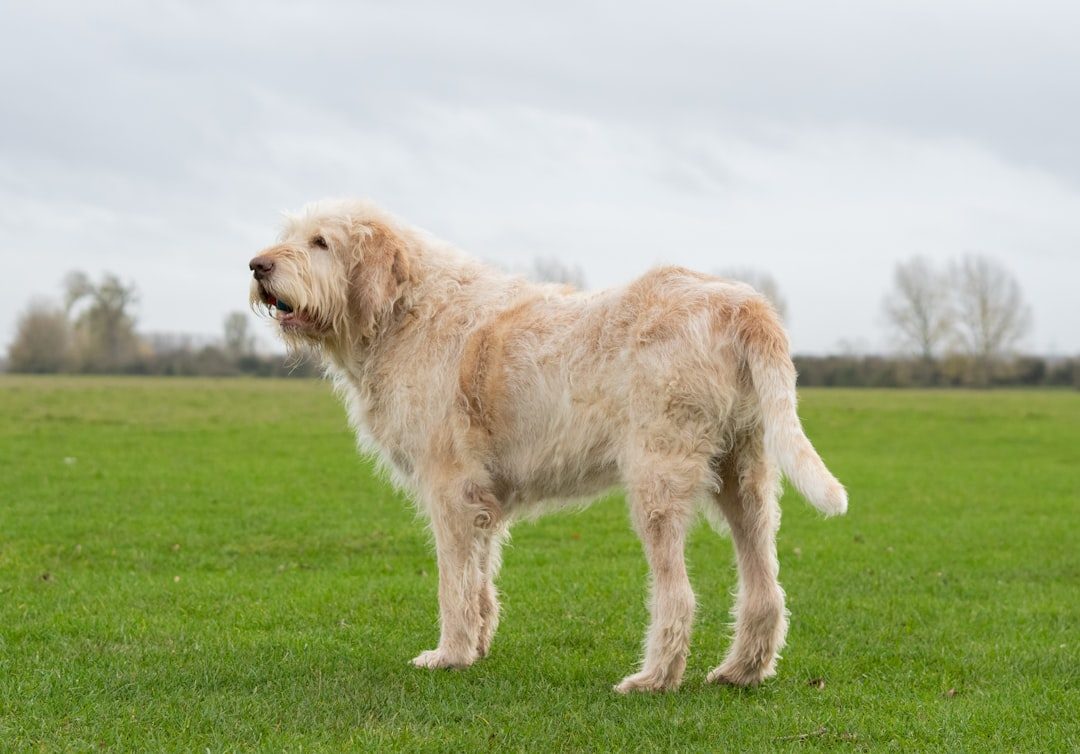
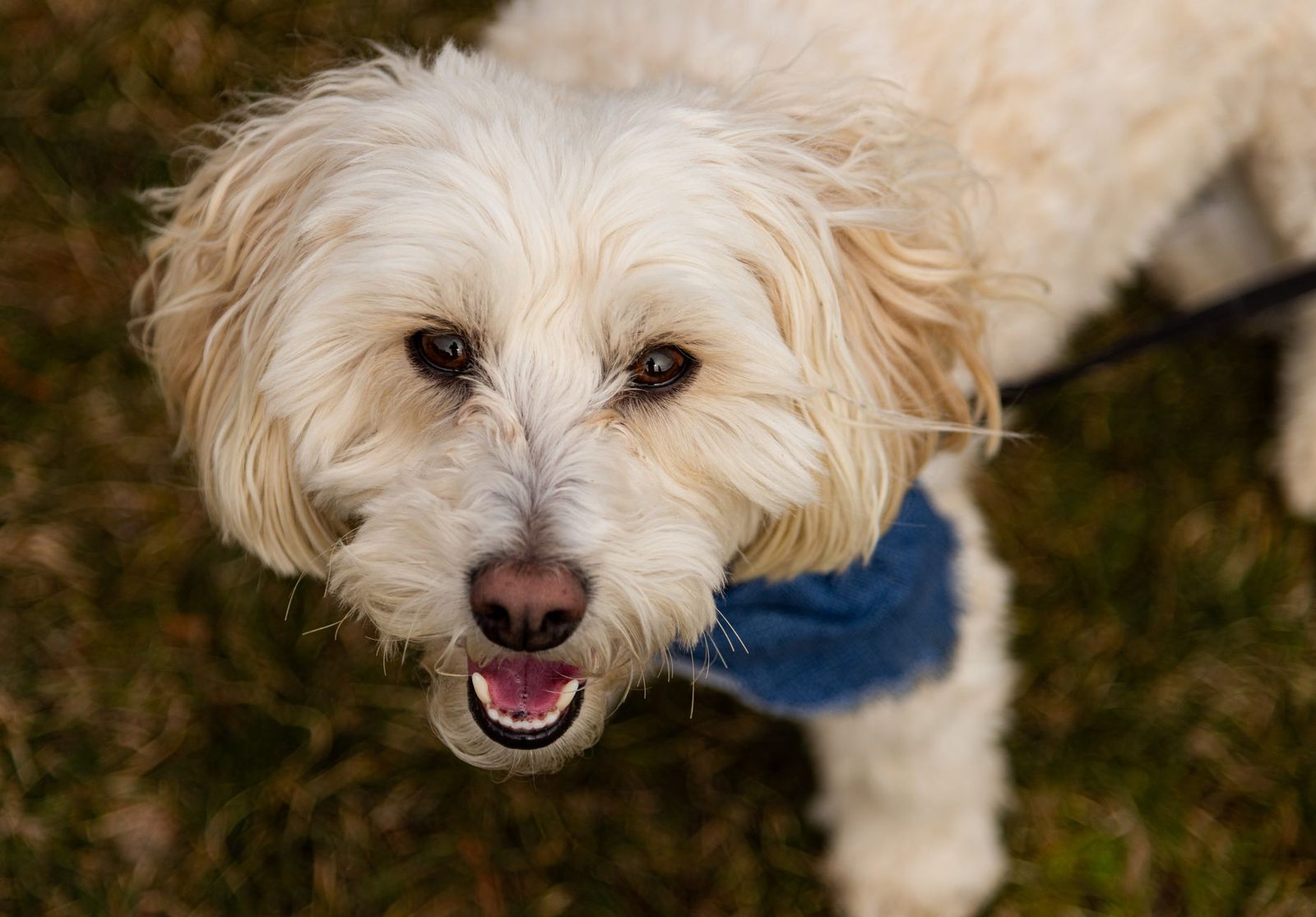
Established multigenerational lines tend to produce the most consistent adult coats.
Which Generation Should You Choose?
The right generation depends on what matters most to your household:
- Allergies are a serious concern: Lean toward F1B or multigen, and ask the breeder about the furnishings status of the parents. See our guide on whether Sheepadoodles are truly hypoallergenic for more.
- You want the classic shaggy sheepdog look: An F1 may appeal visually, but expect shedding and grooming needs to vary between littermates.
- Predictable temperament and size matter most: A multigen puppy from a program with known, health-tested parents gives the clearest picture of the adult dog.
- No generation is completely allergen-free: Even furnished, low-shedding coats don’t eliminate dander and saliva proteins entirely, so meeting the parents in person is always worthwhile.
Curious Which Generation Fits Your Family?
Reach out and we’ll walk you through the parentage, coat type, and expected shedding of our current and upcoming litters.
Contact Sunshine Sheepadoodles
Ask your breeder directly about a litter’s expected coat and generation before reserving a puppy.
Frequently Asked Questions
What does the “F” in F1 or F1B actually stand for?
“F” stands for “filial,” the genetics term for a generation following a parent cross. The number counts generations from the original Poodle and Old English Sheepdog pairing, and a “B” means that generation was bred back, or backcrossed, to a purebred parent breed.
Is an F1B Sheepadoodle guaranteed to be low-shedding?
No. Backcrossing to a Poodle raises the odds of a low-shedding, furnished coat by increasing the chance a puppy inherits the dominant furnishings gene, but it isn’t a guarantee for every puppy. Breeders can improve those odds by choosing Poodle parents with two copies of the gene.
Are F1 Sheepadoodles hypoallergenic?
Some F1 Sheepadoodles shed very little and others shed noticeably more, since they inherit a fairly even, unpredictable mix of Poodle and Old English Sheepdog coat genes. If allergies are a serious concern, an F1B or multigenerational puppy is statistically a safer bet than an F1.
What’s the difference between F2 and multigenerational Sheepadoodles?
F2 means two F1 Sheepadoodles were bred together, which can produce a wide range of coat types within one litter. Multigenerational Sheepadoodles come from several generations of established breeding, which generally produces far more consistent coats and temperaments litter after litter.
Does the generation label affect a Sheepadoodle’s temperament?
Generation affects predictability more than it dictates specific traits. F1 puppies draw from a wider genetic pool, so littermates can vary more in energy and independence, while multigenerational puppies from an established line tend to be more consistent because breeders already know how that line’s dogs behave.
How do I find out what generation a specific Sheepadoodle puppy is?
Any responsible breeder should tell you the generation and parentage of a litter before you reserve a puppy. If you’re exploring our current or upcoming litters, contact us directly and we’ll walk you through each parent dog’s background and expected coat type.
Generation labels are a useful starting point, but a puppy’s individual coat and shedding also depend on its specific parents, which is why we encourage buyers to ask direct questions before reserving. For more on how shedding changes over a puppy’s first two years, see our Sheepadoodle shedding guide, and when you’re ready, browse our available Sheepadoodle puppies or read how to reserve a Sheepadoodle puppy.