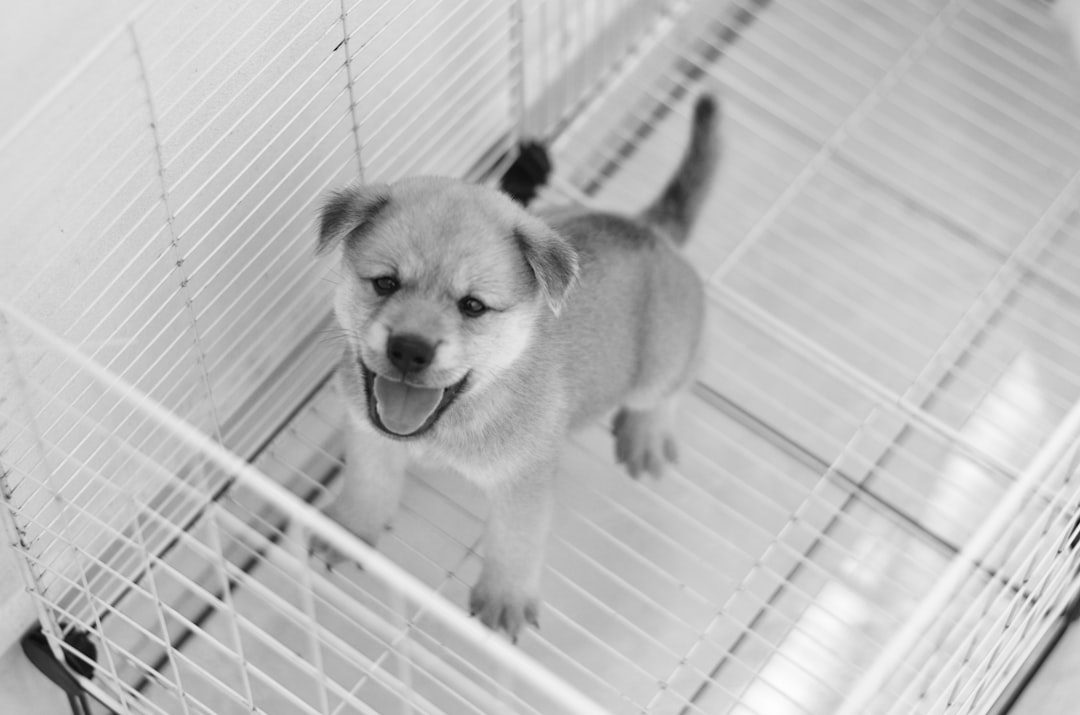
Crate training a Sheepadoodle differs from most breeds because the crate you buy on day one is rarely the crate your dog uses as an adult. A puppy that comes home at 10–15 pounds can grow into a Mini (25–45 lbs), Medium (35–55 lbs), or Standard (up to 85 lbs) adult, so sizing, schedule, and nighttime crying all need to account for that growth curve.
This guide covers the mechanics: crate sizing (and how to size up), a realistic week-by-week schedule, getting through the crying phase, and avoiding crate anxiety. For the broader first month — feeding, commands, socialization — see our Sheepadoodle puppy training guide, and for day one itself, the first 24 hours checklist.
Why Crate Training Works for a Growing Sheepadoodle
A crate gives a puppy a den-sized space that’s naturally hard to soil, speeding up potty training and preventing accidents when you can’t watch them closely. It also does double duty later for vet visits, grooming recovery, or travel — a crate introduced well as a puppy tends to become a lifelong resource, not something you retire at six months.
Choosing the Right Crate Size (and Sizing It Up as They Grow)
The rule of thumb: your Sheepadoodle should be able to stand up, turn around, and lie down flat without being cramped, but not so much extra room they can potty in one corner and sleep in the other. That’s why sizing matters here — a crate bought for a full-grown Standard Sheepadoodle is far too big for a 12-week-old puppy.
The practical fix is a single large wire crate with a removable divider panel: buy it sized for your puppy’s expected adult size once, then slide the divider back every few weeks as they grow, instead of buying three separate crates.
| Adult Size Category | Typical Adult Weight | Recommended Crate Size | Divider Starting Point (8–10 wks) |
|---|---|---|---|
| Mini Sheepadoodle | 25–45 lbs | 30-inch crate | Divided to roughly 18–20 inches |
| Medium Sheepadoodle | 35–55 lbs | 36-inch crate | Divided to roughly 20–24 inches |
| Standard Sheepadoodle | 55–85 lbs | 42- to 48-inch crate | Divided to roughly 24 inches |
Move the divider every 3–4 weeks during the fastest growth window (roughly months 3–6), then less often as growth slows. Our Sheepadoodle growth and weight chart shows when each size category reaches half and full adult weight, so you can plan adjustments instead of guessing.
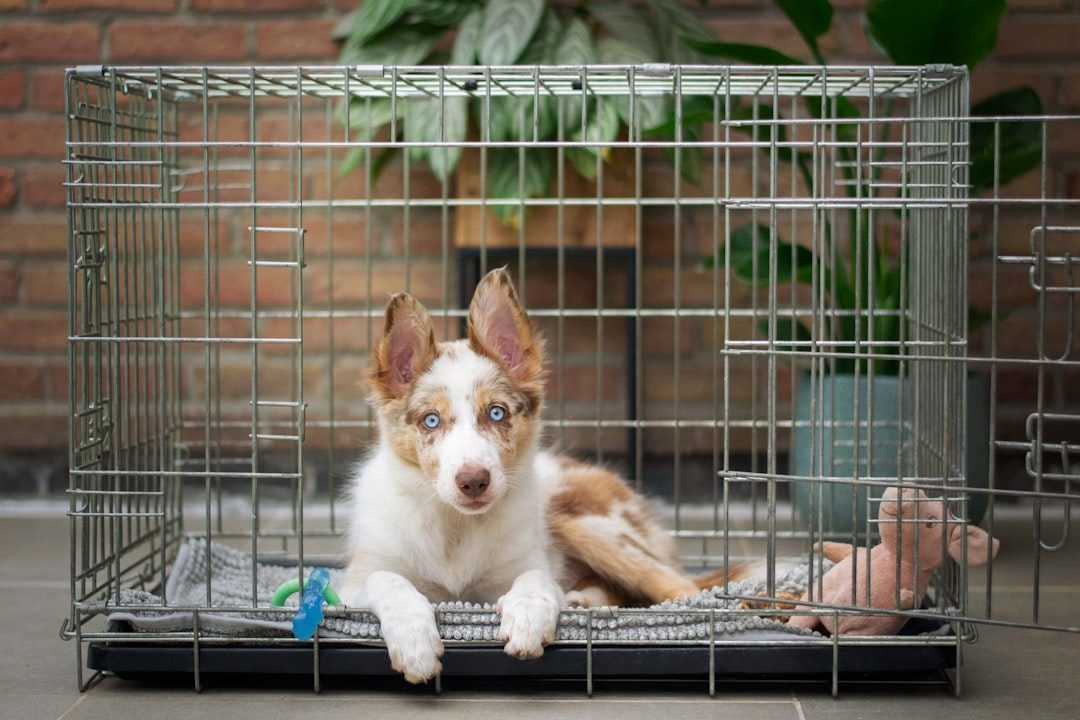
A well-outfitted crate with bedding and a favorite toy makes the adjustment period easier.
Wire Crate vs. Plastic (Travel) Crate
Most owners eventually own both — wire for the house, plastic or soft-sided for the car or flights — but here’s how they compare if you’re buying just one to start.
Wire Crate
- Comes with divider panels, ideal for a growing breed
- Better airflow, good for Texas heat
- Folds flat for storage; easy to see your puppy inside
- Widely available in the larger adult sizes a Standard Sheepadoodle needs
Plastic / Travel Crate
- Feels more den-like and enclosed, which some anxious puppies prefer
- Required or preferred for most airline travel
- Less airflow, so needs a well-ventilated room
- Doesn’t include a divider, so you’ll likely need to size up at least once

Many owners eventually own both: a wire crate at home and a travel crate for the car or flights.
Setting Up the Crate for Success
Placement matters as much as size. For the first several weeks, put the crate in or near your bedroom rather than a laundry room or garage — puppies separated from their litter for the first time settle faster when they can hear and smell their people at night.
Line the crate with a washable pad and skip the water bowl overnight to reduce mid-night potty needs. A partial cover over the back and sides can make the crate feel more den-like, but always leave the door end open for airflow, and skip covering entirely if your puppy panics rather than settles.
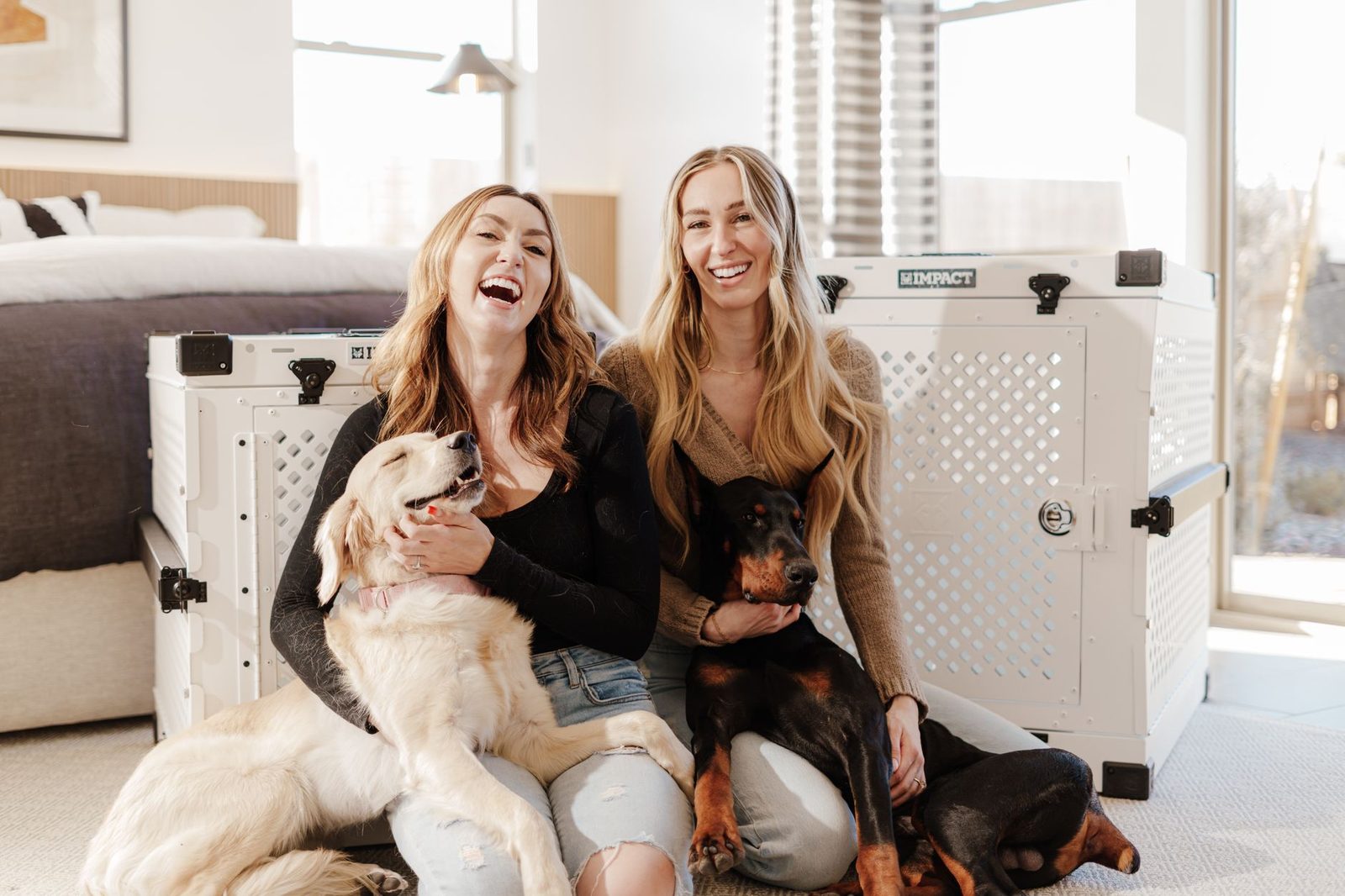
A crate near the bedroom helps a puppy settle faster during the first few weeks.
A Week-by-Week Crate Training Schedule
Every puppy moves at a slightly different pace, but this progression works for most Sheepadoodle puppies coming home at 8–10 weeks old.
| Timeframe | Goal | What to Do |
|---|---|---|
| Days 1–3 | Build positive association | Feed meals in the crate with the door open; toss treats inside; no forced closed-door time yet |
| Days 4–7 | First short closed-door sessions | Close the door for 5–10 minutes while you’re in the room, working up to leaving the room briefly |
| Weeks 2–3 | Extend daytime naps and short absences | Crate for naps and for errands under an hour; begin overnight crating next to the bed |
| Weeks 4–8 | Stretch duration in line with bladder control | Daytime stretches of 2–3 hours between potty breaks; nights start needing one wake-up around the middle |
| Months 3–4 | Push toward full nights | Most puppies can start holding 5–7 hours overnight; keep a tough, safe chew on hand for teething |
| Months 5–6 | Reliable overnight and daytime stretches | Full nights uninterrupted for most puppies; daytime max still capped at 4–5 hours |
Daytime duration should track age, not your schedule: roughly one hour of crate time per month of age, up to about 4 hours, aside from overnight sleep once they’re holding it reliably. For an indoor backup on long workdays, our pine pellet litter box training guide pairs well with this schedule.

Reward calm entries, not just the moment the door closes.
Handling Night Whining and Crying
Almost every Sheepadoodle puppy cries in the crate during the first one to two weeks — the single biggest reason owners give up too early. It’s usually a genuine potty need, protest at being separated from the litter, or an attempt to train you to open the door.
Rule out the potty need first: a last-call bathroom trip and no food or water in the hour beforehand removes most triggers. Otherwise, don’t let them out while actively crying, since that rewards the behavior — wait for a few seconds of quiet, then open the door. Most puppies settle within a couple of weeks once they learn that quiet, not noise, opens the door.
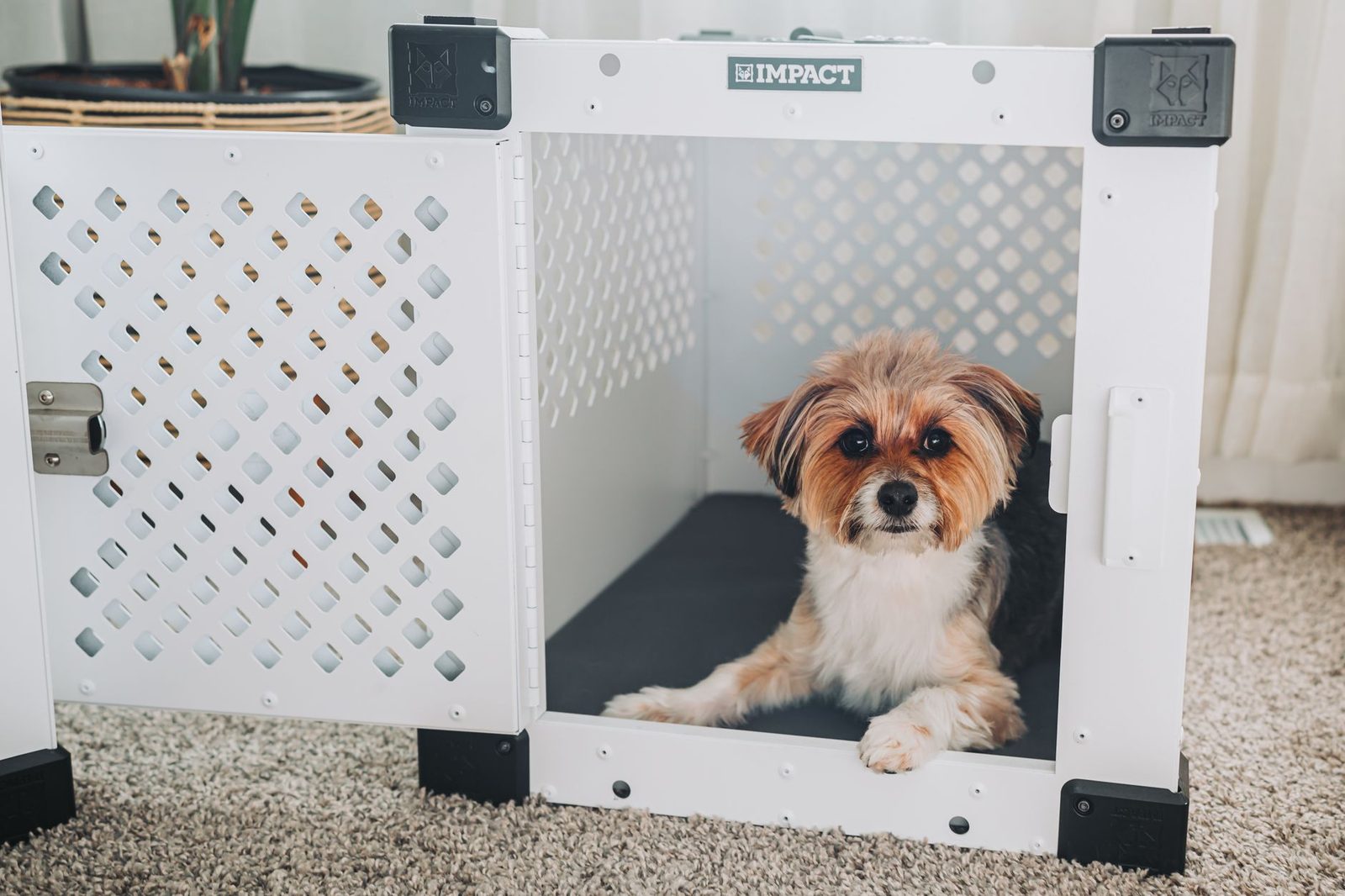
Ruling out a potty need first makes it much easier to tell true crate anxiety from ordinary settling-in crying.
Avoiding Crate Anxiety
Normal settling-in fussing differs from true crate anxiety. The ASPCA notes that heavy panting, excessive drooling, frantic escape attempts, or persistent howling indicate a dog is genuinely distressed by confinement rather than simply protesting, and that a gated, puppy-proofed room may serve that dog better than continued crating. (source)
Never use the crate as punishment, and make sure your puppy gets real exercise outside it. If your Sheepadoodle is distressed by being left alone rather than by the crate itself, that’s a separate issue — see our Sheepadoodle separation anxiety prevention and training guide.
Timeline: What to Expect Month by Month
Most owners see the crying phase ease within two weeks, reliable daytime crating by 8–10 weeks, and full uninterrupted nights between 3 and 5 months, though teething (see our teething and puppy biting guide) can bring a few restless nights back. Many adult Sheepadoodles eventually nap in the open crate voluntarily — the real sign the training worked.
Bringing Home a Sheepadoodle Puppy?
We’re happy to talk through crate sizing, schedules, and what’s worked for past Sunshine Sheepadoodles families.
Contact Sunshine SheepadoodlesFrequently Asked Questions
What size crate should I buy for a Sheepadoodle puppy?
Buy for their expected adult size and use a divider panel instead of buying multiple crates: Mini (25–45 lbs) in a 30-inch crate, Medium (35–55 lbs) in a 36-inch crate, Standard (55–85 lbs) in a 42- to 48-inch crate, divided much smaller at 8–10 weeks old.
How long can a Sheepadoodle puppy stay in a crate?
About one hour of daytime crate time per month of age, capped around 4 hours, until older. Overnight is the exception once they’re reliably holding their bladder, typically by 3–5 months.
How long does it take to crate train a Sheepadoodle puppy?
Most puppies stop protest-crying within one to two weeks and are reliably crate trained for daytime use within the first month. Full, uninterrupted overnight crating usually follows by 3–5 months.
Should I cover my Sheepadoodle puppy’s crate at night?
A partial cover over the back and sides can help, but leave the door side uncovered for airflow. Skip it entirely if your puppy panics rather than settles, or the room runs warm.
Should I let my puppy cry it out in the crate?
Not entirely. Rule out a real potty need first, then wait for a few seconds of quiet before letting them out — opening the door mid-cry teaches that crying works.
Will my Sheepadoodle need a bigger crate as an adult?
Not if you start with a crate sized for their adult weight and use a divider panel — just move the divider back every few weeks, tracking their pace against our Sheepadoodle growth and weight chart.
Crate training is one piece of a much bigger first-month picture. For the full routine — feeding, foundational commands, and socialization — revisit our Sheepadoodle puppy training guide, and if you’re still deciding on a puppy, browse our available Sheepadoodle puppies.