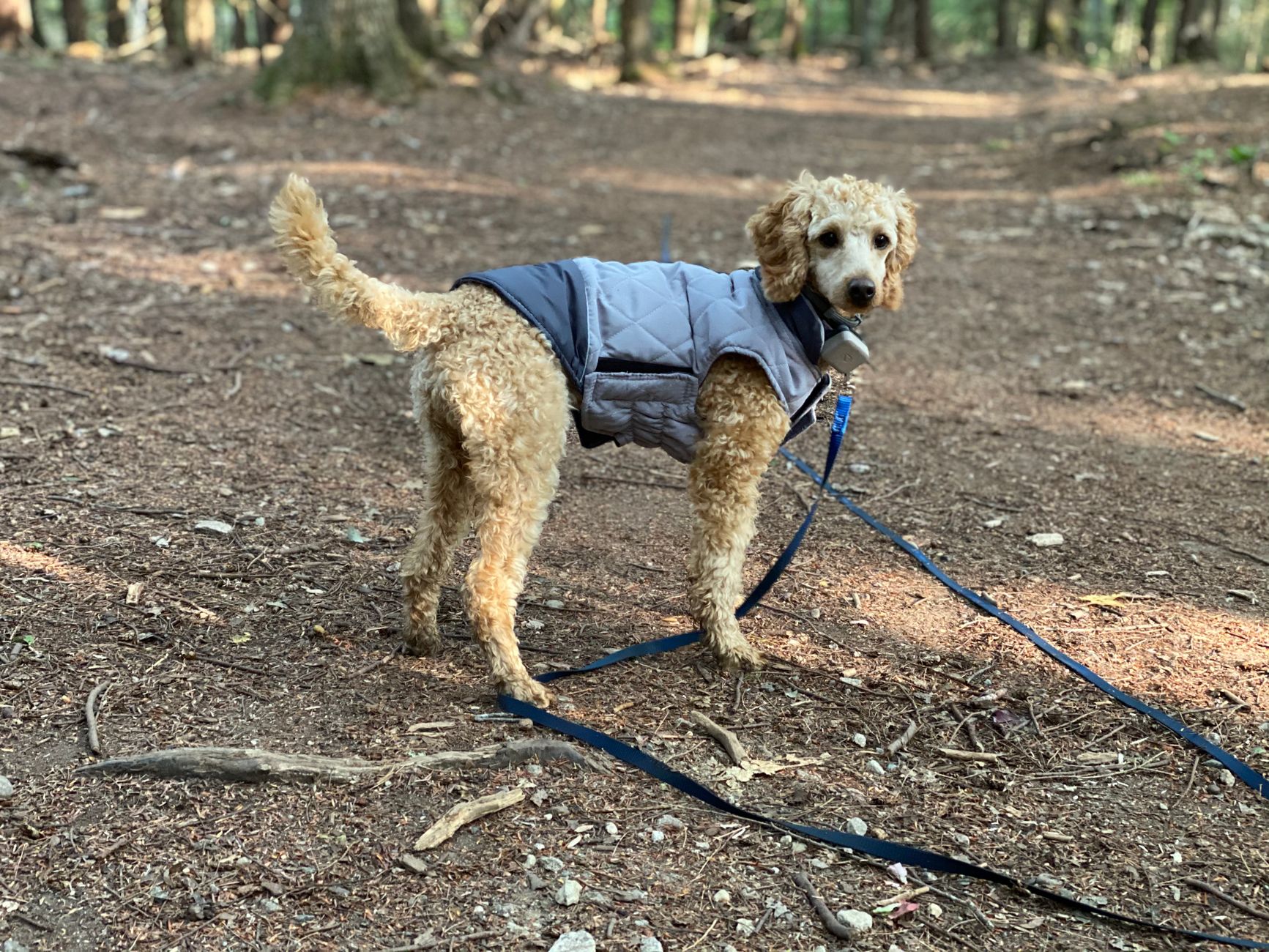
Almost every Sheepadoodle breeder’s website says their puppies come from “health tested parents.” That phrase means very little on its own — it’s the specific tests and scores that actually tell you whether a breeding pair is a sound genetic match. This guide walks through what OFA hip and elbow evaluations, PennHIP, CAER eye exams, cardiac screening, thyroid panels, and DNA panels measure, so you can read a health testing packet the way a breeder does.
If you haven’t yet, read our guide on how to choose a Sheepadoodle breeder first for contracts and red flags. This article goes one layer deeper into the science behind the paperwork.
Why Sheepadoodles Need Testing From Both Sides
A Sheepadoodle inherits health risks from two distinct gene pools: the Old English Sheepdog and the Poodle. Responsible breeders test parent dogs against conditions known in both lineages, since a hybrid litter can still receive a double dose of a recessive mutation if both parents happen to carry it.
That’s the purpose of pre-breeding screening: not a guarantee against every health issue, but avoiding pairing two dogs who are each quietly carrying the same problem gene or weak joint structure.
Sheepadoodles inherit health risks from both the Old English Sheepdog and Poodle sides of their pedigree.
OFA Hip and Elbow Evaluations
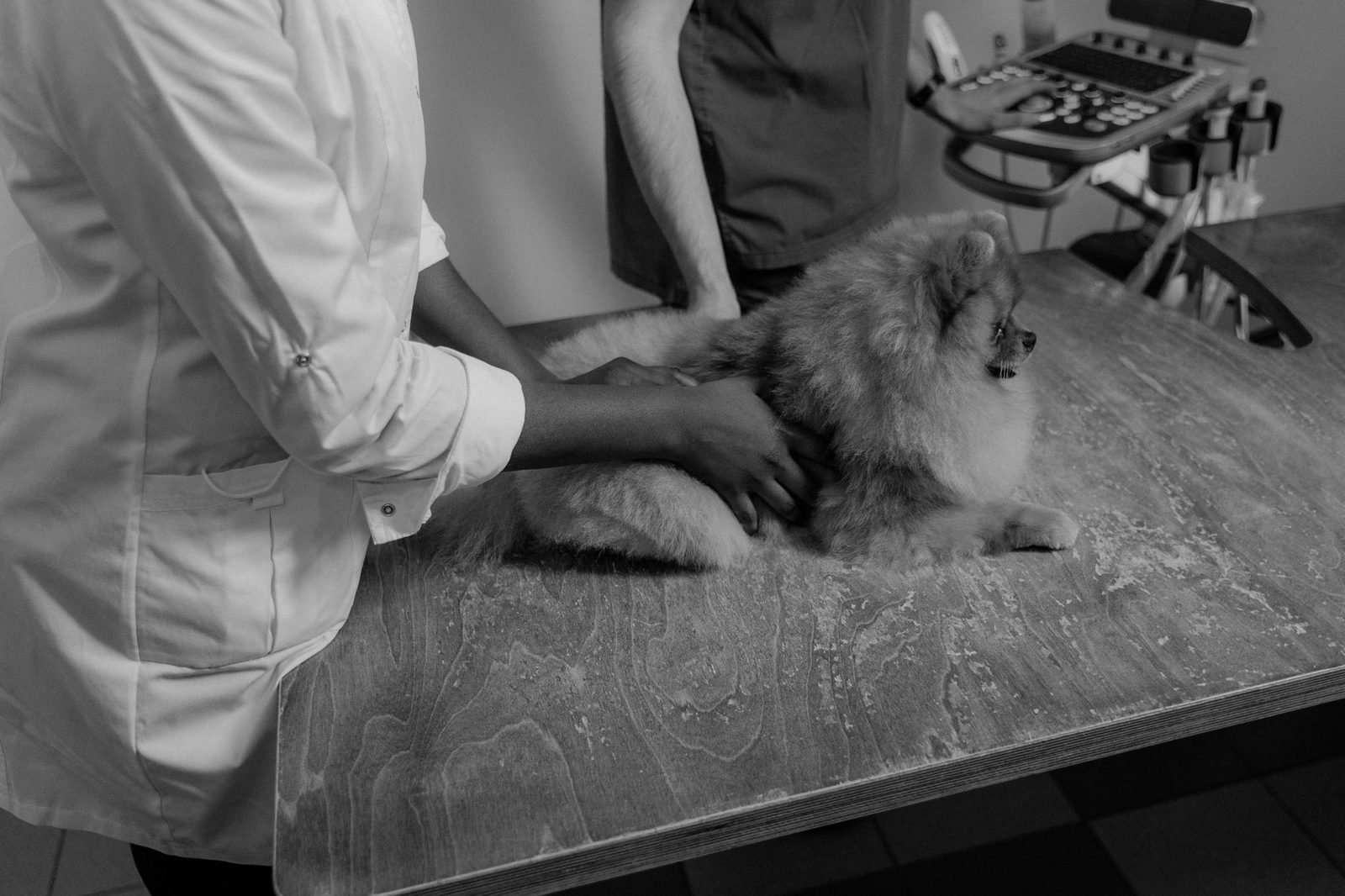
The Orthopedic Foundation for Animals (OFA) is the primary US registry for orthopedic and genetic health clearances in dogs. For hips and elbows, a vet X-rays the parent dog (usually after 24 months, once growth plates have closed), and the films are read independently by three board-certified veterinary radiologists.
Hip dysplasia is a structural looseness in the ball-and-socket hip joint that can lead to arthritis later in life. It’s a documented concern on the Old English Sheepdog side of the pedigree, which is why OFA hip clearances on the OES parent (and elbow clearances on both) are considered a baseline, not an extra.
| Grade | What It Means | Breeding Recommendation |
|---|---|---|
| Excellent | Outstanding joint conformation, well above breed average | Preferred for breeding |
| Good | Slightly less than ideal conformation, but normal and sound | Suitable for breeding |
| Fair | Minor irregularities; still within normal limits | Acceptable, weighed against the other parent’s score |
| Borderline | Unclear whether the joint is normal or early dysplastic | Generally re-evaluated before breeding decisions |
| Mild / Moderate / Severe | Degrees of confirmed hip or elbow dysplasia | Not recommended for breeding |
A dog only needs to fall in the Excellent, Good, or Fair range to be a normal, breedable result — there’s no requirement to score Excellent. What matters more is that the dog isn’t Borderline or dysplastic, and that a breeder will show you the actual OFA certificate, not just tell you the dog “passed.”
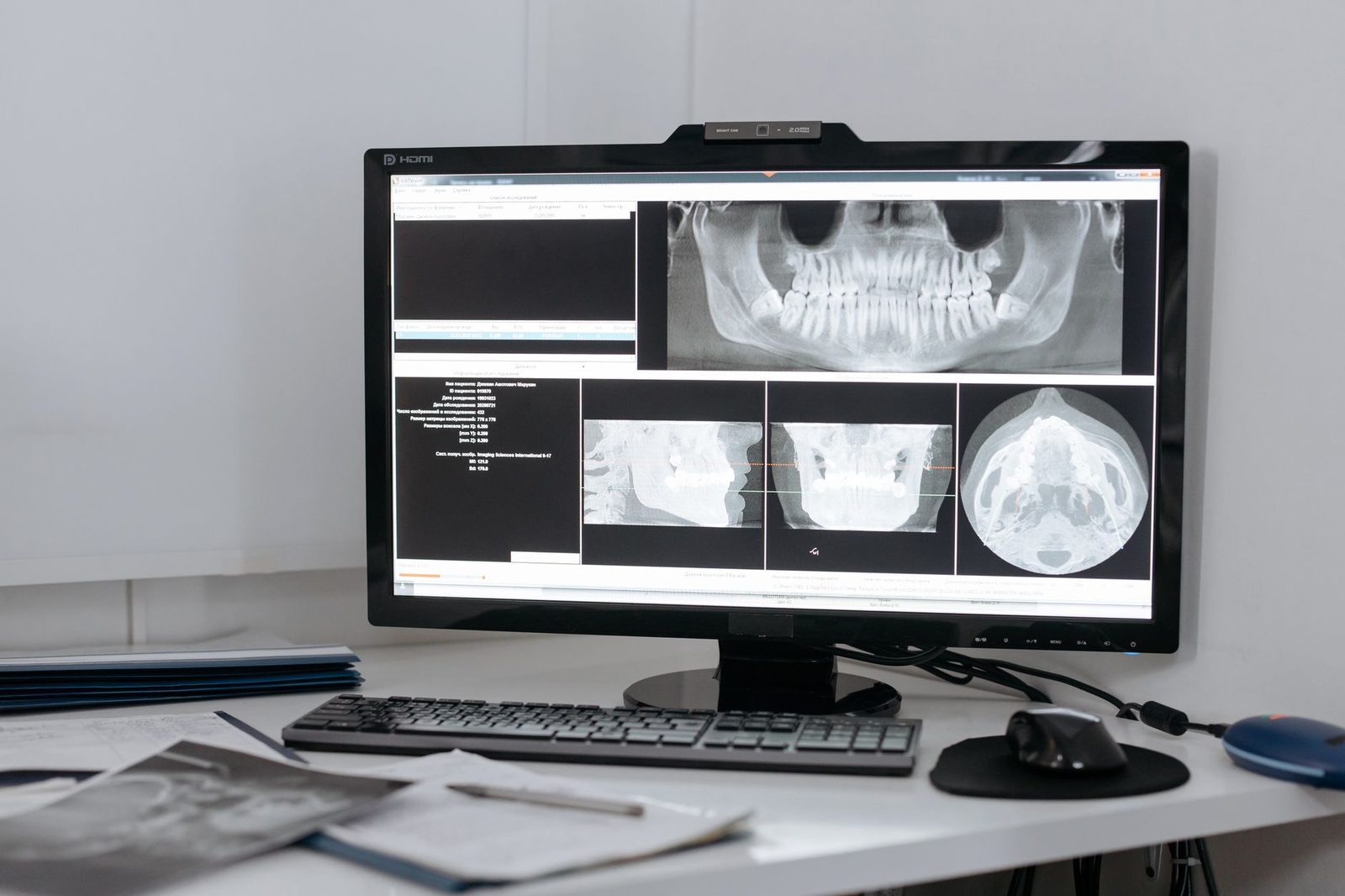
OFA hip X-rays are read independently by three board-certified veterinary radiologists.
PennHIP: A Second Way to Measure Hip Laxity
PennHIP is a separate hip-screening method, not a competitor you should expect instead of OFA. Where OFA scores a single X-ray subjectively, PennHIP uses a compression and distraction technique to directly measure how much the hip joint can loosen, producing a numeric Distraction Index (DI).
That DI converts into a percentile compared to other dogs of the same breed: a dog in the 90th percentile has tighter hips than 90% of dogs tested in its group. A lower DI generally correlates with lower lifetime odds of hip dysplasia. Some breeders run both; either is legitimate if the paperwork is real and verifiable.
CAER Eye Exams and Cardiac Screening
A CAER exam (Companion Animal Eye Registry, administered by board-certified veterinary ophthalmologists) checks a breeding dog’s eyes for inherited conditions like progressive retinal atrophy (PRA), cataracts, and other structural eye disease. Because the prcd form of PRA appears on both the Poodle and OES sides of the pedigree, a clear CAER exam should be current (within about a year) for both parents.
Cardiac screening is a veterinary auscultation, and ideally an echocardiogram if any murmur is detected, to rule out inherited heart defects before breeding. It’s quick, but one of the easier tests for a breeder to skip, so ask about it specifically.
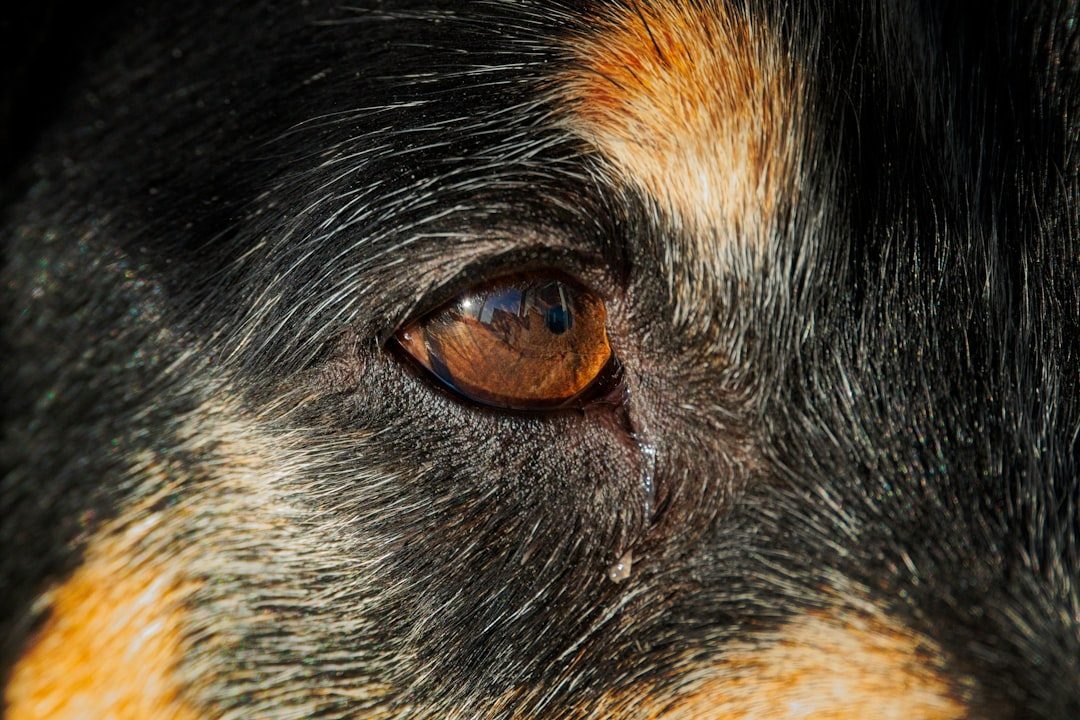
CAER eye exams screen for inherited conditions like progressive retinal atrophy.
Thyroid Panels
Autoimmune thyroiditis is one of the more common inherited endocrine issues in breeds within the Sheepadoodle’s family tree. An OFA-recognized thyroid panel measures T4, TSH, and thyroglobulin autoantibodies (TgAA) — the antibody marker flags an autoimmune process attacking the thyroid, even before hormone levels drop. Because onset is often gradual, many breeders repeat this panel annually.
DNA Panels: Embark and Similar Tests
A DNA panel, such as the one offered by Embark, is a cheek-swab test that screens a dog’s genome directly for hundreds of known disease-causing mutations, rather than looking for symptoms. This is where breeders catch recessive carrier status — a dog that looks healthy but carries one copy of a problem gene.
| Condition | Associated Side | Why It’s Screened |
|---|---|---|
| Progressive Retinal Atrophy (prcd-PRA) | Poodle and OES | Gradual, inherited vision loss |
| Von Willebrand Disease Type I | Poodle and OES | Inherited blood-clotting disorder |
| Degenerative Myelopathy (SOD1) | Poodle | Late-onset spinal cord degeneration |
| Addison’s Disease risk | Poodle | Autoimmune adrenal gland disorder, elevated in Standard Poodles |
| Primary Ciliary Dyskinesia (PCD) | OES | Inherited respiratory cilia defect |
| MDR1 Drug Sensitivity | Poodle and OES | Abnormal reaction to certain common medications |
A DNA panel result labels a dog as clear, carrier, or at-risk for each condition tested. A carrier dog isn’t unhealthy and doesn’t need to be excluded from breeding — the goal is simply never pairing two carriers of the same mutation, which is how at-risk puppies happen. This is also where understanding Sheepadoodle generations helps, since F1, F1B, and multi-generation litters inherit different proportions of genes from each original breed.
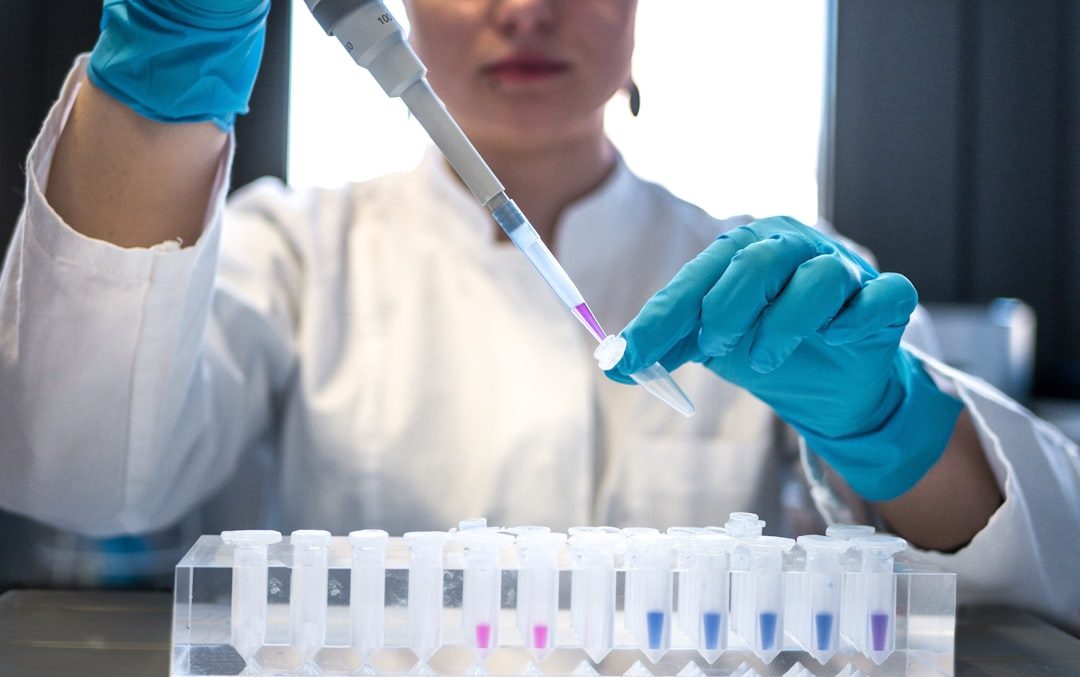
DNA panels screen for carrier status of recessive inherited conditions.
Questions to Ask a Breeder About Test Results
A Strong Answer Sounds Like
- “Here’s the OFA or PennHIP number, you can look it up in the public database.”
- “Both parents have a current CAER exam and cardiac clearance on file.”
- “Here’s the DNA panel report showing clear or carrier status for each condition.”
- “We chose this pairing partly because neither parent carries the same recessive gene.”
A Weak Answer Sounds Like
- “They’ve been vet-checked and are perfectly healthy.”
- “We don’t test because our line has never had problems.”
- “I can’t show you the paperwork, but trust me.”
- “They’re AKC registered, so they’re automatically health tested.”
Registration with a kennel club confirms parentage, not health status. OFA results for a specific dog can be looked up by name in the OFA public database, and Embark results can be shared as a direct report link, so a breeder who genuinely tests should have no trouble producing either one.
A responsible breeder should be able to walk you through each parent dog’s test results.
Ask to See the Health Testing Behind Your Puppy
Sunshine Sheepadoodles has bred in Texas since 2004 and is happy to walk you through our parent dogs’ OFA, cardiac, eye, and DNA panel results.
Contact Sunshine SheepadoodlesFrequently Asked Questions
What’s the difference between OFA and PennHIP testing?
OFA has a radiologist subjectively grade a single extended-hip X-ray as Excellent, Good, Fair, Borderline, or dysplastic. PennHIP measures actual hip joint laxity with a distraction technique and reports a percentile compared to other dogs of the same breed. Both are legitimate; some breeders use one, some use both.
Is a “Fair” OFA hip score a bad result?
No. Fair, Good, and Excellent are all considered normal, breedable ratings. Only Borderline and the Mild, Moderate, or Severe dysplastic grades are flagged as concerns.
Does a Sheepadoodle need to be tested for both Poodle and Old English Sheepdog conditions?
Yes. A Sheepadoodle inherits genes from both breeds, so responsible breeders screen parent dogs for conditions documented on both sides, including hip and elbow dysplasia, PRA, von Willebrand disease, degenerative myelopathy, and Addison’s disease risk.
What does it mean if a DNA panel says a dog is a “carrier”?
A carrier has one copy of a recessive mutation and one normal copy, so the dog itself is typically unaffected. The risk only appears if that dog is bred to another carrier of the exact same mutation, which is why responsible breeders match test results before pairing dogs rather than after.
Can a breeder just tell me their dogs are healthy instead of showing test results?
A verbal assurance isn’t the same as documentation. Legitimate OFA results are searchable in OFA’s public database by the dog’s registered name, and DNA panel providers like Embark generate shareable report links, so a testing breeder can always produce paperwork on request.
How often should thyroid and eye testing be repeated?
Because autoimmune thyroiditis and some eye conditions can develop later in a dog’s life, many breeders repeat thyroid panels and CAER eye exams annually on active breeding dogs rather than relying on a single early clearance.
Health testing is one piece of a larger picture that includes temperament and how a breeder raises a litter. See our guide on choosing a reputable Sheepadoodle breeder, our Sheepadoodle lifespan and health guide, or Sheepadoodle puppy costs to see how testing factors into a fair price.