If you’ve searched “Sheepadoodle rescue,” you’re probably weighing two paths at once: adopting a doodle that already needs a home, or buying a puppy from a breeder. Both are legitimate ways to bring a Sheepadoodle into your life, and the right answer depends on your situation, not on which option sounds more virtuous.
We’re a Sheepadoodle breeder, not a rescue, so we won’t pretend to be neutral about breeding done responsibly. But we also know rescue is a real, valuable path for a lot of families, and plenty of people searching this topic deserve an honest answer instead of a sales pitch. Here’s what to actually know before you start.
Why Sheepadoodles End Up Needing Rescue
Sheepadoodles didn’t exist as a rescue category twenty years ago; the breed’s recent popularity boom is exactly why rescues now see them. A dog that was bought on impulse because it looked cute online, without research into its exercise needs, grooming demands, or price tag, is a dog more likely to be surrendered later.
Common reasons include owners underestimating grooming costs and coat maintenance, moving to housing that won’t allow a large dog, a family member developing allergies despite the “hypoallergenic” reputation, divorce or financial hardship, or a puppy from an unscreened backyard breeder growing into more dog than the family was prepared for. None of these reasons reflect badly on the dog itself.

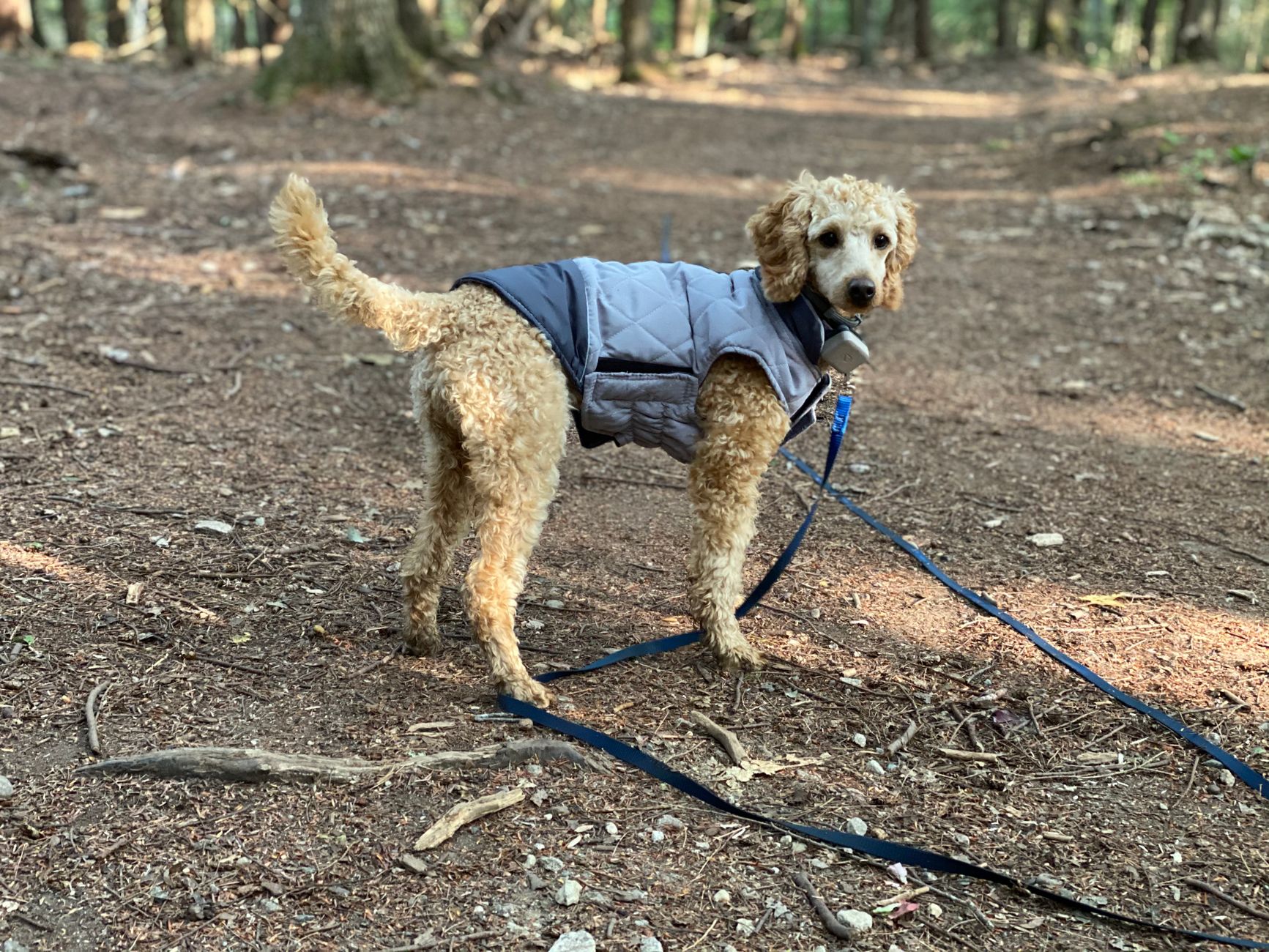
Doodles end up in shelters and rescues for reasons that usually have nothing to do with the dog’s own behavior.
How to Find a Legitimate Doodle Rescue
Search directly on Petfinder or Adopt-a-Pet, filtering by breed and your location; both aggregate listings from thousands of shelters and rescues nationwide, so they’re a faster starting point than searching city by city. Breed-specific and poodle-mix rescues also exist in many regions, including Texas-based groups that focus specifically on doodles.
Before you apply anywhere, do a little verification. A legitimate rescue is typically a registered nonprofit, is upfront about a dog’s known history, requires an application and often a vet reference, and includes spay/neuter, vaccines, and a microchip in its fee. Be cautious of any “rescue” that pressures a fast decision or has an unusually constant supply of puppies, since that can signal a commercial breeder using rescue branding.
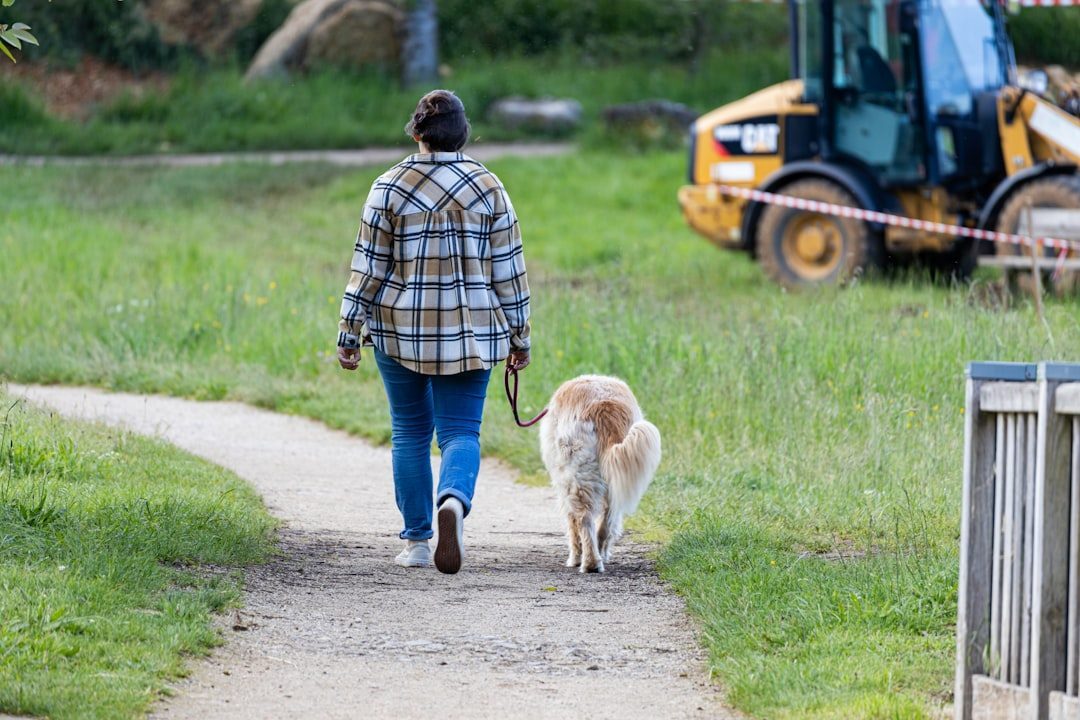
Reputable rescues are typically staffed by volunteers and are transparent about a dog’s background.
Rescue vs. Buying From a Responsible Breeder
Neither path is automatically “better.” They trade off differently on cost, predictability, and timeline, and it’s worth being honest about those trade-offs before you commit.
| Factor | Rescue / Adoption | Responsible Breeder |
|---|---|---|
| Typical cost | Roughly $100–$800, often covering spay/neuter, vaccines, and microchip | Several thousand dollars; covers health testing, early socialization, and breeder support |
| Age when you bring them home | Usually an adolescent, adult, or senior dog | Usually an 8–10 week old puppy |
| Temperament predictability | What you see is closer to the adult personality, but some traits only emerge after settling in | Puppy temperament is still developing; breeder can speak to the parents’ temperaments |
| Health history | Often partial or unknown, especially for strays or owner surrenders | Full health testing records on parents typically available before you commit |
| Wait time | Can be days to a few months, depending on what’s available | Often a waitlist of several months to over a year for a specific litter |
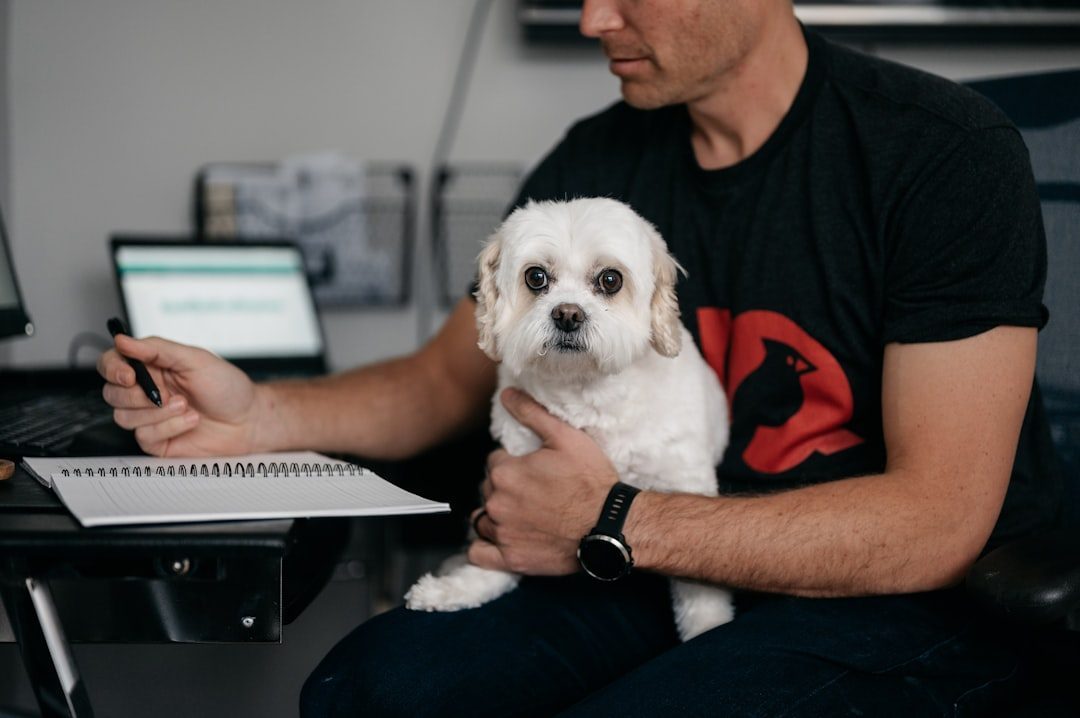
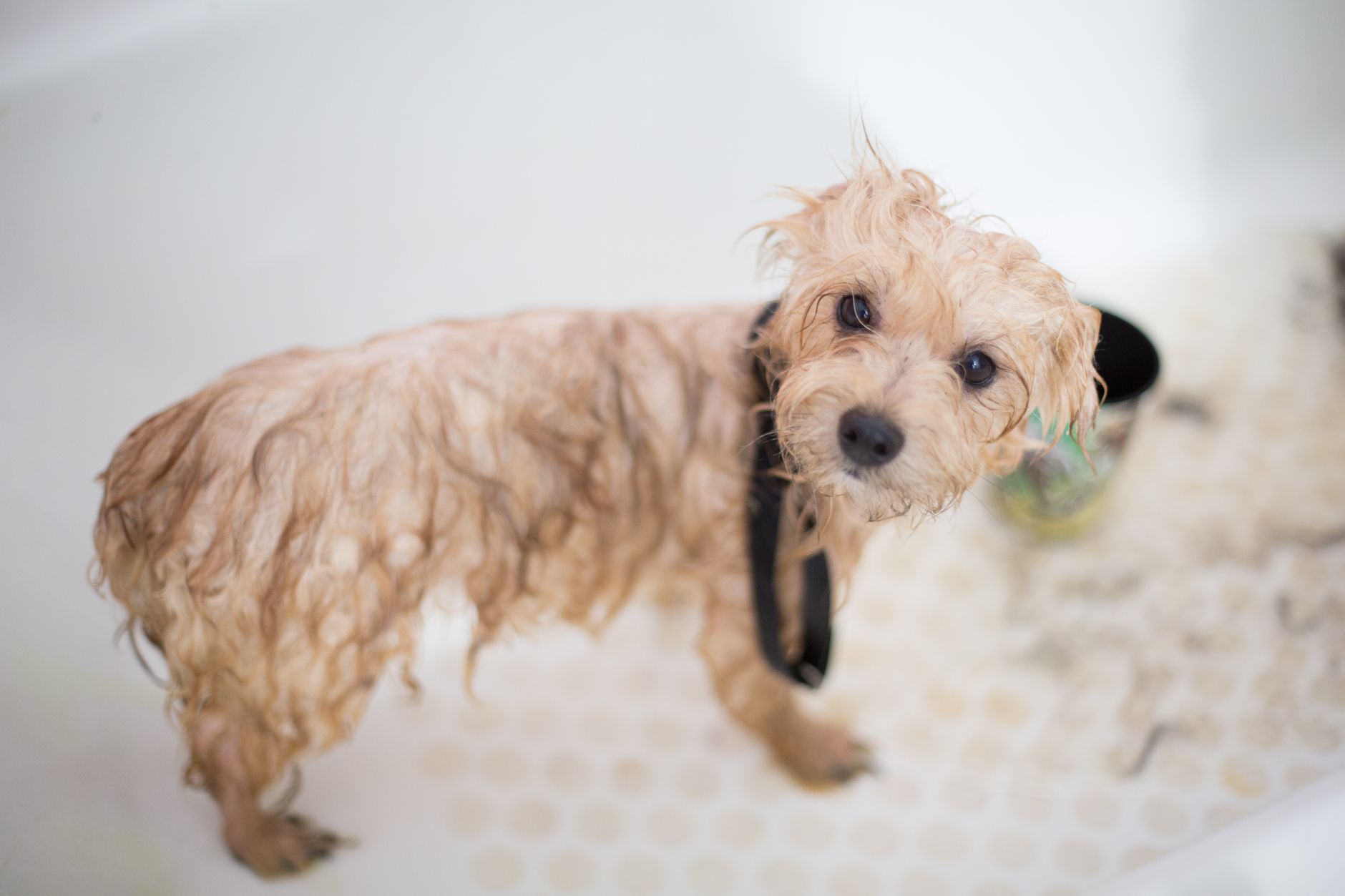
A legitimate rescue’s application and reference process protects both the dog and the adopter.
What to Expect Adopting an Adult Rescue Dog
An adult rescue dog comes with a mix of advantages and genuine unknowns. Going in clear-eyed about both makes for a smoother transition and a fairer shot for the dog.
Pros of adopting an adult rescue doodle
- No puppy-stage teething, potty training, or 3am wake-ups
- Adult size, coat type, and general energy level are already visible, not a guess
- Often already past the most demanding early socialization window
- You’re giving a home to a dog that genuinely needs one
Cons of adopting an adult rescue doodle
- Health and vaccination history may be incomplete or entirely unknown
- Past experiences can produce fear, resource guarding, or other behaviors that take real work to address
- Breed mix is sometimes an estimate rather than a confirmed pedigree
- Adjustment period can take weeks to months, even in a great home
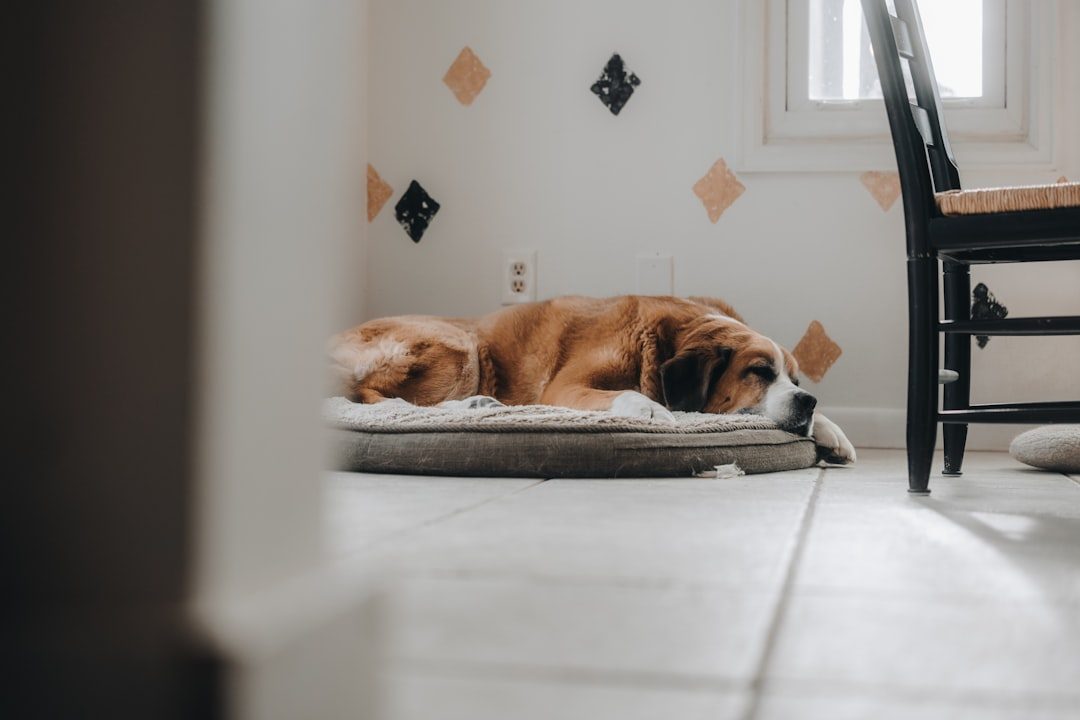
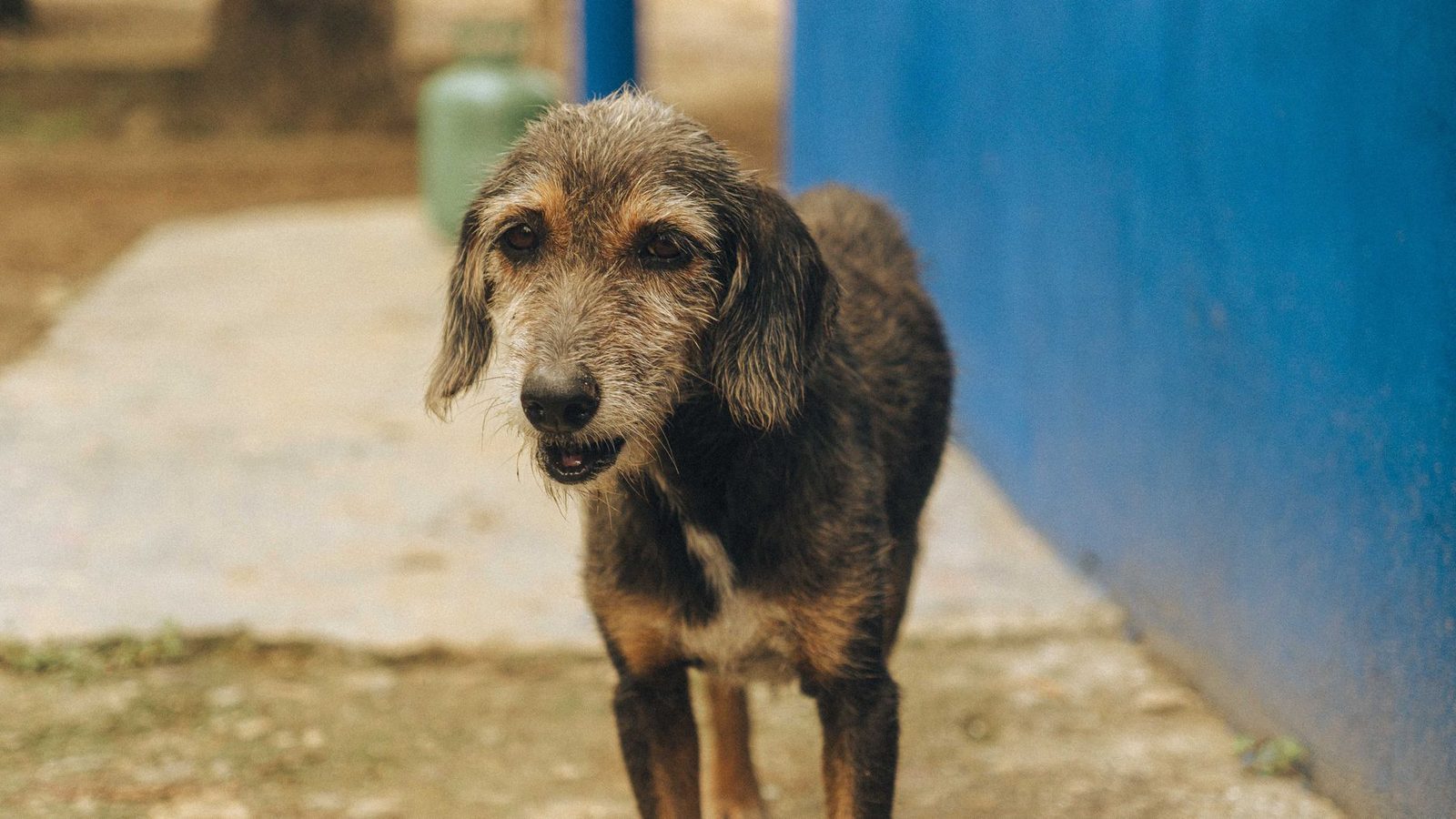
Most rescue dogs need real adjustment time before their true personality settles in.
The ASPCA’s guidance on the “3-3-3 rule” is a useful mental model here: expect a nervous, overwhelmed dog for roughly the first 3 days, gradual settling over the first 3 weeks, and a dog who feels fully at home only after about 3 months. That timeline applies whether a dog came from a shelter, a breed rescue, or an owner surrender, and it’s worth reading the ASPCA’s full adoption tips before bringing any adopted dog home.
Because many rescue doodles are adults or seniors, it also helps to understand aging-dog care ahead of time; our senior Sheepadoodle care guide covers what changes as a dog gets older, regardless of where the dog came from. If your new dog shows signs of stress or clinginess during that adjustment window, our separation anxiety guide has practical, patient strategies that apply well to rescue dogs specifically.
A Related but Different Option: Adult Dogs From Our Own Program
One thing worth clarifying: third-party rescue adoption is different from adopting an older puppy or young adult directly from a breeder’s own retired or reserved-but-unplaced dogs. We occasionally have older puppies and young adults available for adoption from our own program, complete with full health records and known temperament, since we’ve raised them from birth. It’s a middle ground worth knowing about, though it isn’t a substitute for the broader rescue system and won’t always have availability.
For general expectations on health and longevity no matter how a dog joins your family, see our Sheepadoodle lifespan and health guide.
Considering a Sheepadoodle Puppy Instead?
If a health-tested puppy from a known lineage is a better fit for your family, we’re happy to talk through what to expect.
Contact Sunshine SheepadoodlesIf You Decide to Buy From a Breeder Instead
Adoption isn’t the right fit for every household, and that’s fine. If a health-tested puppy with a known temperament and full medical history is what your family needs, especially with young kids or specific lifestyle requirements, buying from a responsible breeder is a reasonable choice. Just make sure you’re vetting carefully; our guide to choosing a Sheepadoodle breeder walks through the health testing, contracts, and red flags to look for, and you can browse our own available Sheepadoodle puppies to see what that looks like in practice.
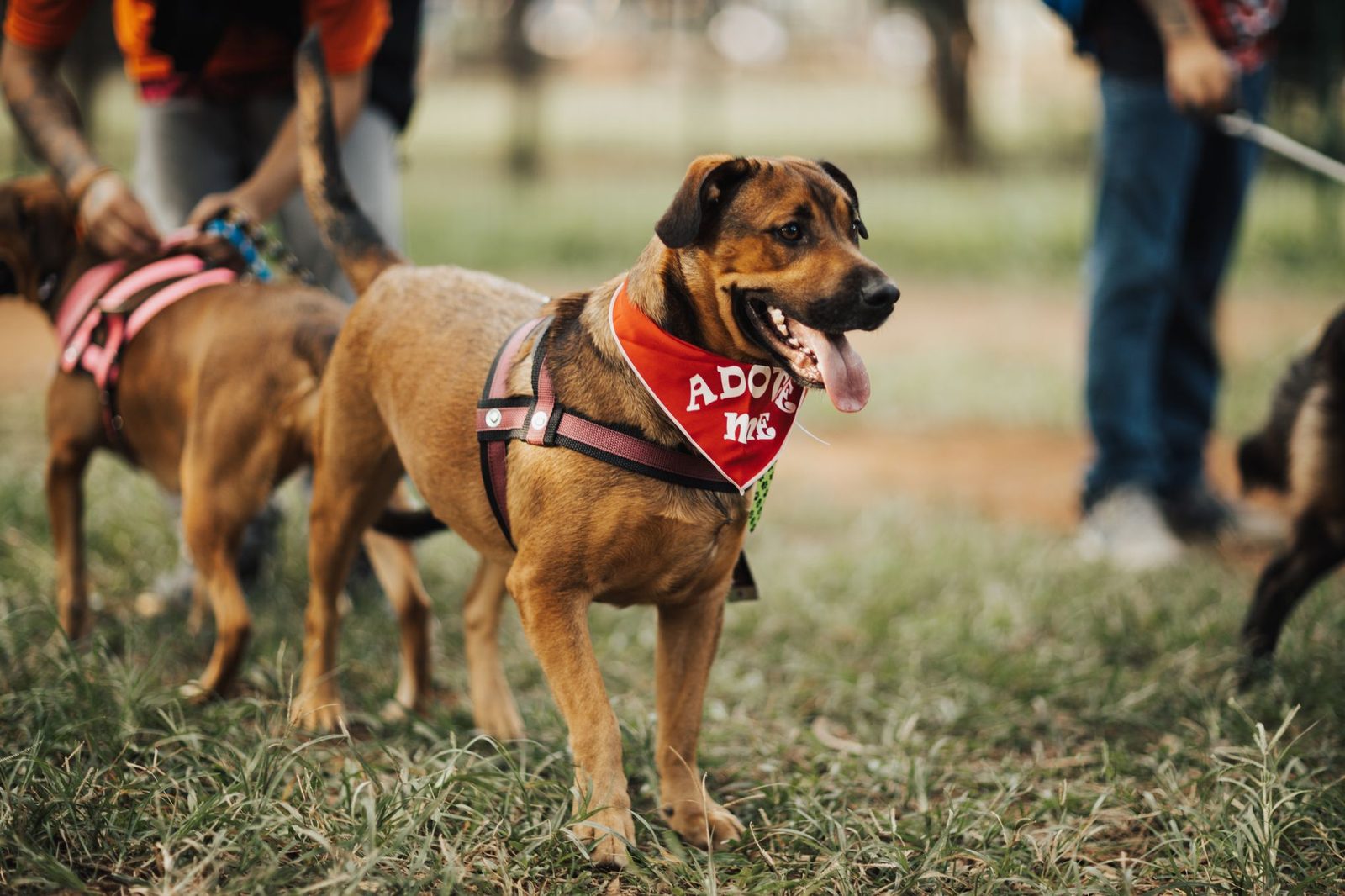
Whether adopted or purchased, a Sheepadoodle’s success depends on the right match for your household.
Frequently Asked Questions
Is it hard to find a Sheepadoodle specifically through rescue?
Purebred-style breed rescues for Sheepadoodles specifically are less common than general doodle or poodle-mix rescues, since Sheepadoodles are a newer crossbreed. Searching Petfinder or Adopt-a-Pet by breed, and checking regional doodle-specific rescues, is usually more productive than looking for a Sheepadoodle-only rescue.
How much does adopting a rescue doodle cost compared to buying a puppy?
Rescue adoption fees typically run roughly $100 to $800 and usually include spay/neuter, vaccines, and a microchip. A puppy from a responsible breeder with health-tested parents typically costs several thousand dollars, reflecting the cost of testing, early care, and breeder support.
What health information will I get about a rescue dog?
It varies widely. Some rescues have detailed vet records if the dog was an owner surrender; others know very little if the dog was found as a stray. Ask directly what documentation exists, and budget for a full vet exam soon after adoption regardless of what you’re told.
Are rescue doodles good with kids and other pets?
Many are, but it depends entirely on the individual dog’s history and temperament, which is exactly why a home visit or meet-and-greet with the whole household, including existing pets, matters before finalizing an adoption. A legitimate rescue should encourage this step, not rush past it.
How can I tell if a “rescue” is legitimate?
Look for registered nonprofit status, transparency about a dog’s known history, an application and reference process, and adoption fees that include spay/neuter and vaccines. Be wary of operations with an unusually constant supply of puppies or that discourage questions, since that can indicate a commercial breeder using rescue branding.
Does Sunshine Sheepadoodles offer rescue dogs?
We’re a breeder, not a rescue organization. We do occasionally have older puppies and young adults from our own program available, with full health records and known temperament, but that’s a separate option from third-party rescue adoption and isn’t always available.
Whichever path you choose, the goal is the same: a Sheepadoodle that fits your household and a decision you made with full information. If you’re weighing the numbers further, our Sheepadoodle puppy cost breakdown details what goes into breeder pricing beyond the adoption-fee comparison above.