You picked your puppy because of that coat — the jet-black fluff, the rich chocolate brown, or the bold black-and-white patches. Then, somewhere between six months and two years old, the coat you fell in love with starts looking softer, silvery, or noticeably lighter, and you’re left wondering if something is wrong.
Nothing is wrong. You’re watching a well-documented genetic process common in Poodles, Old English Sheepdogs, and therefore Sheepadoodles. This guide explains why it happens, which colors change the most, what’s normal versus what deserves a vet’s attention, and how to set realistic expectations before you bring a puppy home.
Why Your Sheepadoodle Puppy’s Coat Is Changing
A puppy’s first coat isn’t a preview of its adult coat. Puppy fur is typically softer and more densely pigmented than the coarser, curlier adult coat that grows in over the first one to two years, and it often carries noticeably less pigment than the fuzz it replaces.
Three factors drive this: an inherited graying gene, sun exposure, and coat type. They often overlap, which is why littermates can look quite different as adults despite starting out nearly identical.
The Genetics Behind Coat Fading: The “Graying” Gene
The main driver is a trait breeders and geneticists call progressive graying, nicknamed the “fading” or “clearing” gene. It’s well documented in Poodles and other bearded, curly-coated breeds, which makes it relevant to nearly every Sheepadoodle.
In plain terms: the gene causes eumelanin, the pigment behind black and brown coloring, to break down and lose density as new hair grows in. Each new hair shaft simply holds less color than the one before it, so the fading looks gradual.
The gene behaves as an incomplete dominant, so a puppy only needs one copy from either parent to show some fading, and two copies typically means faster fading. It shows up first around the face and furnishings; a dog’s nose, lips, and eye rims keep their original dark color throughout.
For a deeper look at how coat pigment genes work in general, VCA Animal Hospitals has a solid explainer on dog coat color genetics.
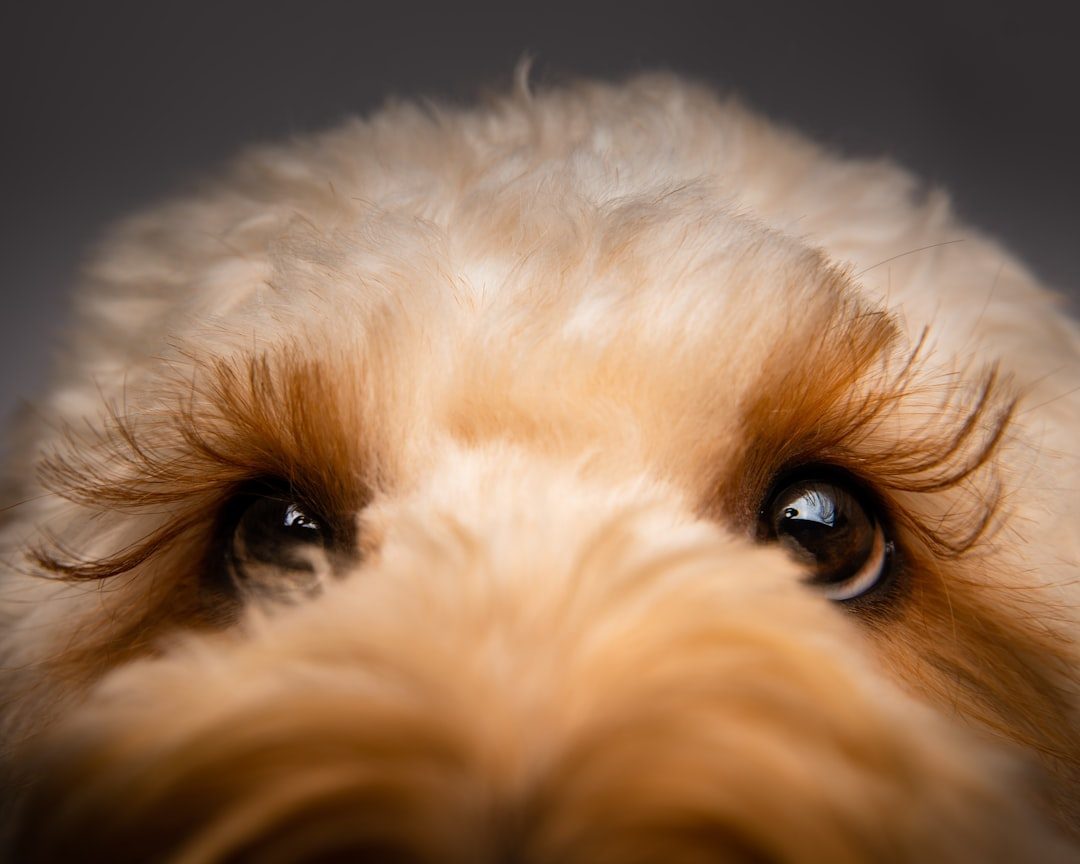
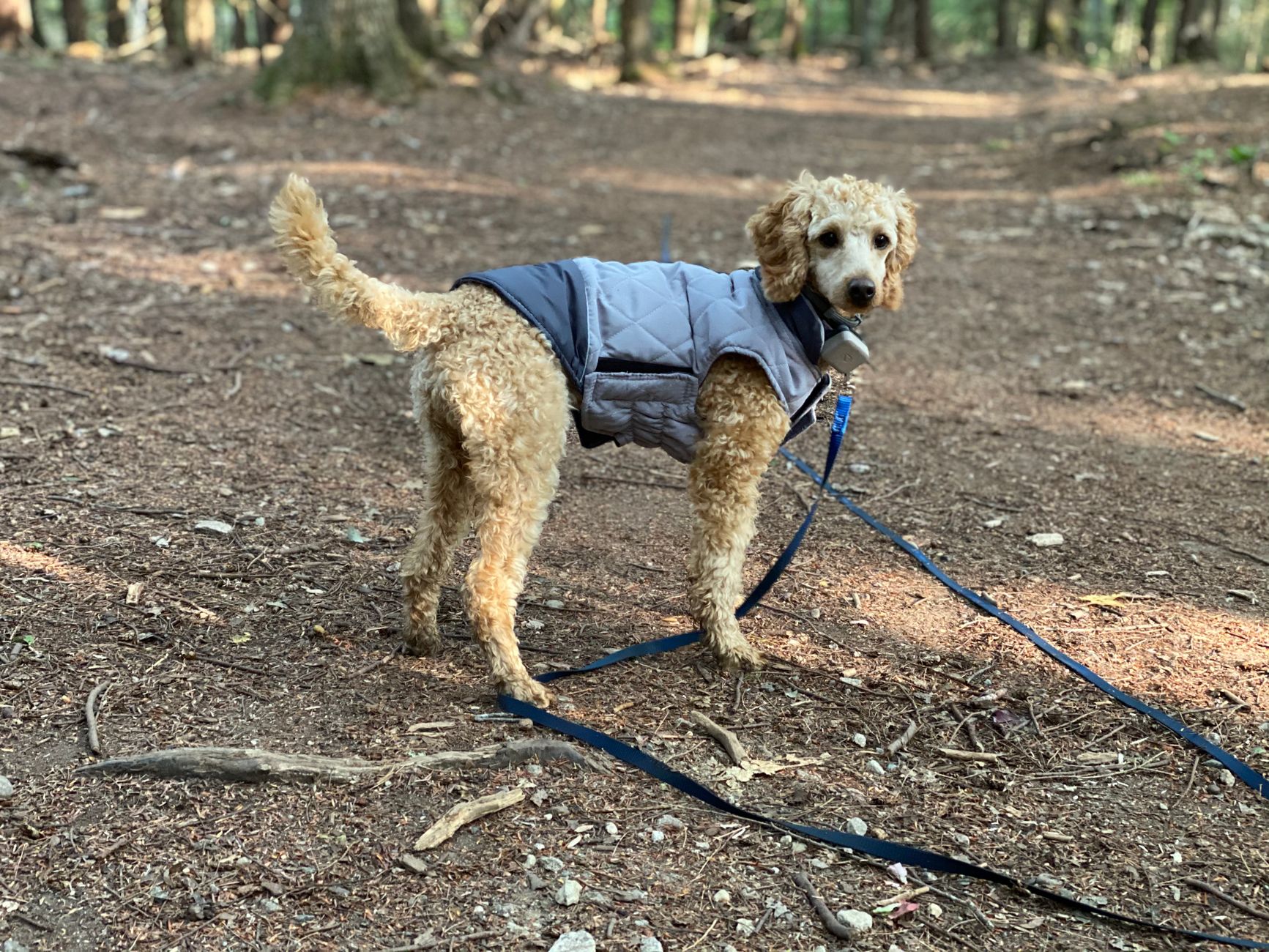
Furnishings around the face are usually the first place fading becomes visible.
Which Coat Colors Fade or Clear the Most?
Not every color behaves the same way. This table gives a realistic idea of what to expect as an adult; for a full breakdown of what each color and pattern actually looks like, see our guide to Sheepadoodle coat colors and patterns and our companion guide to Sheepadoodle coat markings.
| Puppy Coat Color | Likelihood of Fading | Typical Adult Result | Usual Timeline |
|---|---|---|---|
| Solid black | High if the gene is inherited | Silver, gray, or blue-gray | 6 months – 2 years |
| Phantom / tuxedo (black with points) | High on black areas | Black areas gray; tan/white points usually stay truer | 6 months – 2 years |
| Parti (black & white) | High on the black patches | Black patches soften toward gray; white stays white | 6 months – 2 years |
| Merle | Variable and less predictable | Patches may lighten unevenly; overall merle pattern remains | Ongoing, less uniform |
| Brown / chocolate | Moderate | Cafe au lait, silver-beige, or lighter brown | 1 – 2 years |
| Red / apricot | Common | Cream or pale fawn | 6 – 18 months |
| Cream / white | Low (little dark pigment to lose) | Stays essentially the same | Not applicable |
Solid black, phantom, and parti puppies show the most dramatic transformations because they start with the most eumelanin to lose. Cream and white puppies rarely look “changed” since there’s little dark pigment to fade in the first place.
Sun Exposure, Coat Type, and Other Non-Genetic Factors
Genetics isn’t the whole story. A dark coat that spends a lot of time outdoors in Texas sun can develop a reddish or bleached-out tint at the tips, a surface effect that typically improves once that hair sheds and is replaced.
Coat type also matters. Progressive graying shows up almost exclusively in dogs with the furnished, curly-to-wavy coat that Poodle genetics contribute, which describes most Sheepadoodles. Grooming also changes how fading looks: shaving removes the darker, less-faded tips along with the lighter roots, which can make the shift appear more sudden than it actually is.
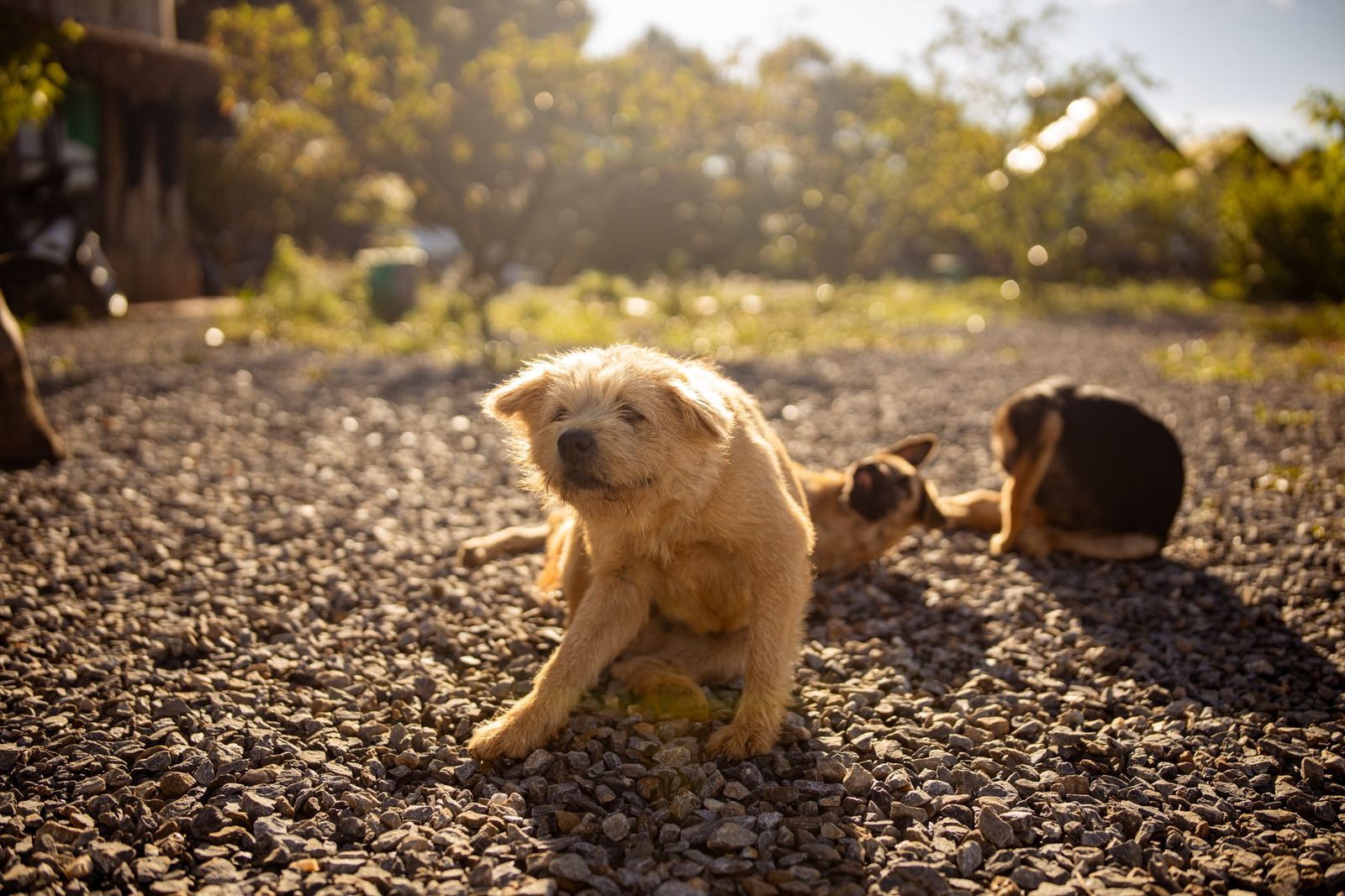
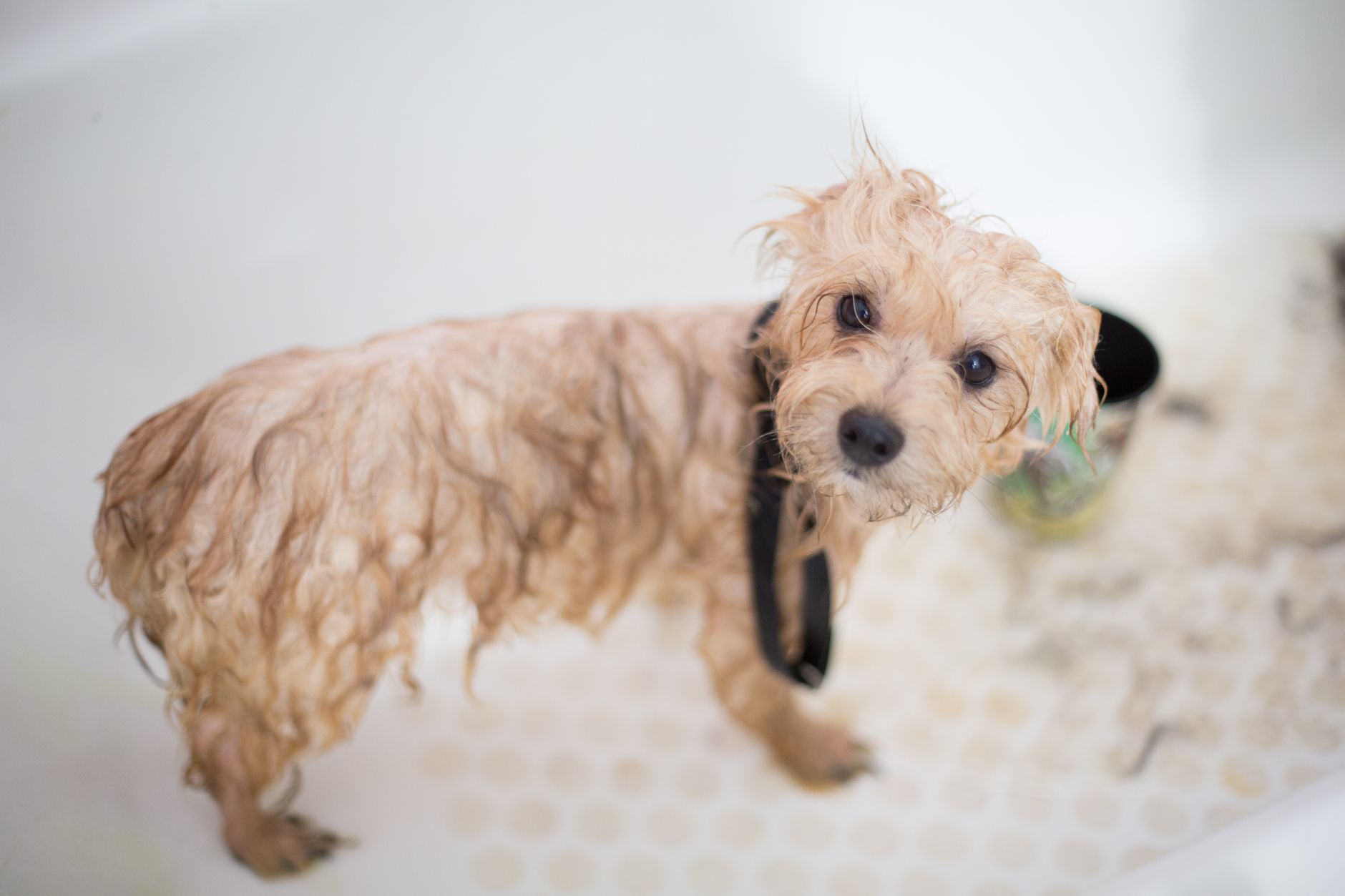
Time in direct sun can add a temporary reddish or bleached tint on top of genetic fading.
What’s Normal vs. What’s Not
Most coat changes in a young Sheepadoodle are completely normal. Occasionally, though, a change signals something worth a vet visit. Use this as a quick gut check.
Normal Fading
- Gradual lightening over months, not days
- Starts around the face and furnishings, then spreads slowly
- Coat stays soft, thick, and healthy the whole time
- Skin underneath looks and feels normal
Talk to Your Vet If You See
- Patchy hair loss down to bare skin
- Redness, scabbing, itching, or odor
- Sudden, asymmetric bald spots
- Fading paired with a dull, brittle, or thinning texture
Genuine progressive graying never involves hair loss or skin irritation on its own. If you see those, a vet visit can rule out unrelated issues like allergies or a thyroid or nutritional imbalance.
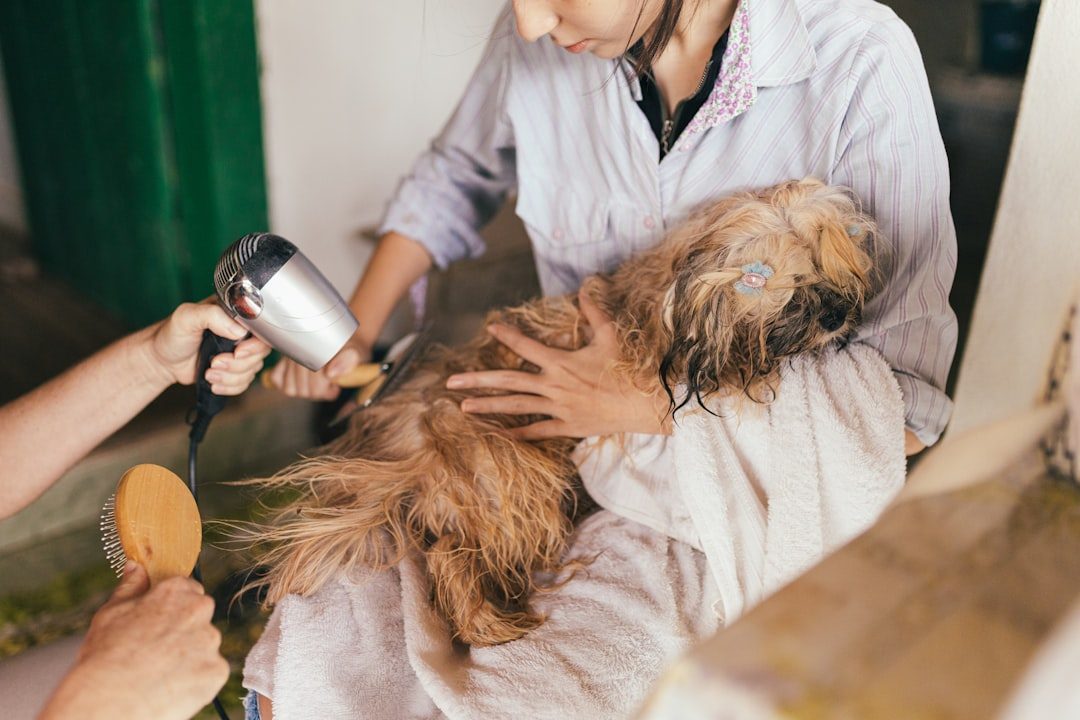
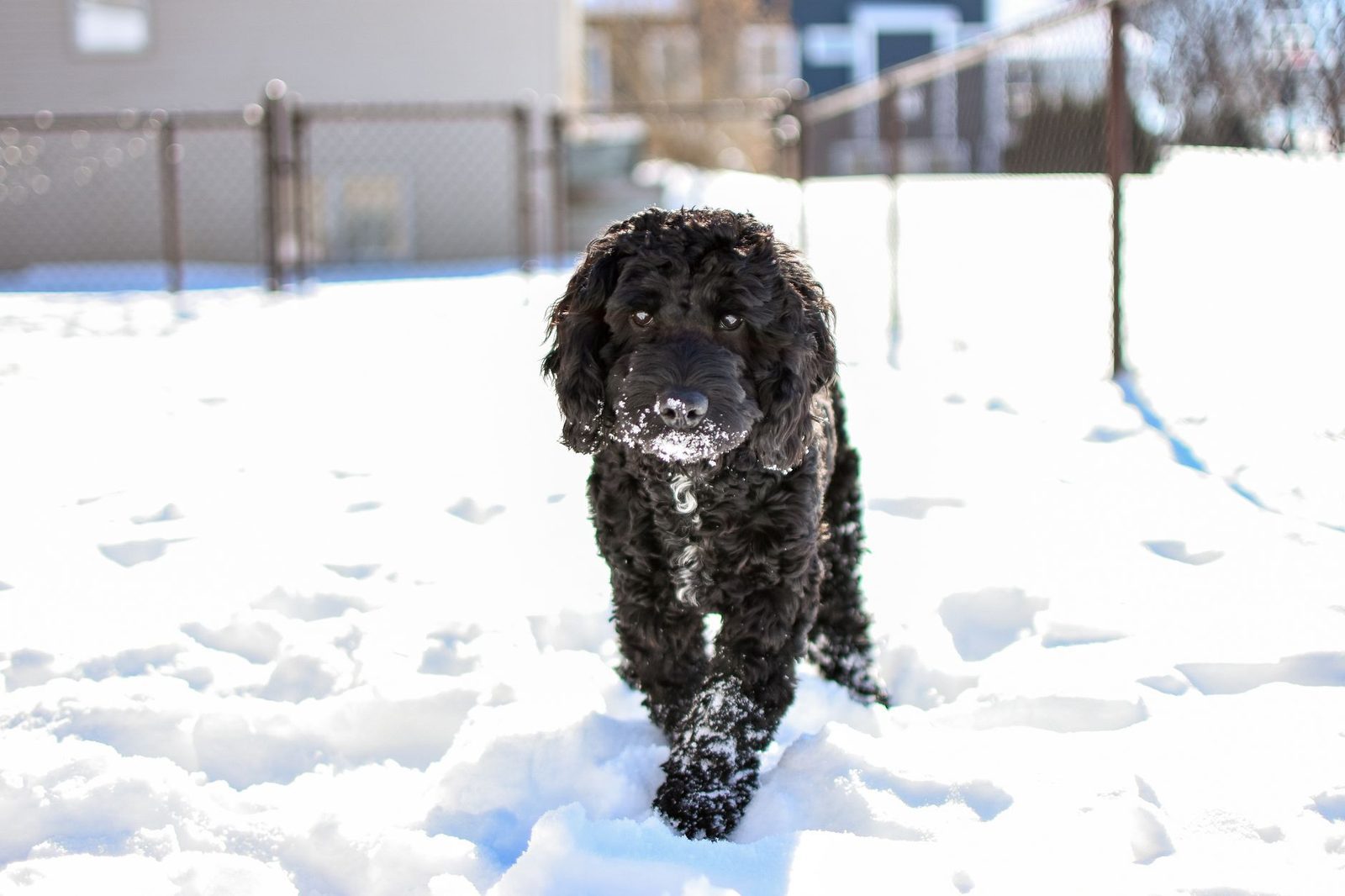
Regular brushing helps you track coat changes and catch skin issues early.
Timeline: When Does Fading Start and Stop?
Most owners notice the first hints of fading between six and twelve months, around when the adult coat replaces the puppy coat, with the bulk of the change wrapping up by two years old. Dogs that start fading earliest, sometimes as young as three or four months, tend to fade fastest and most dramatically, while dogs that hold their puppy color longer usually end up with a smaller, more subtle shift as adults.
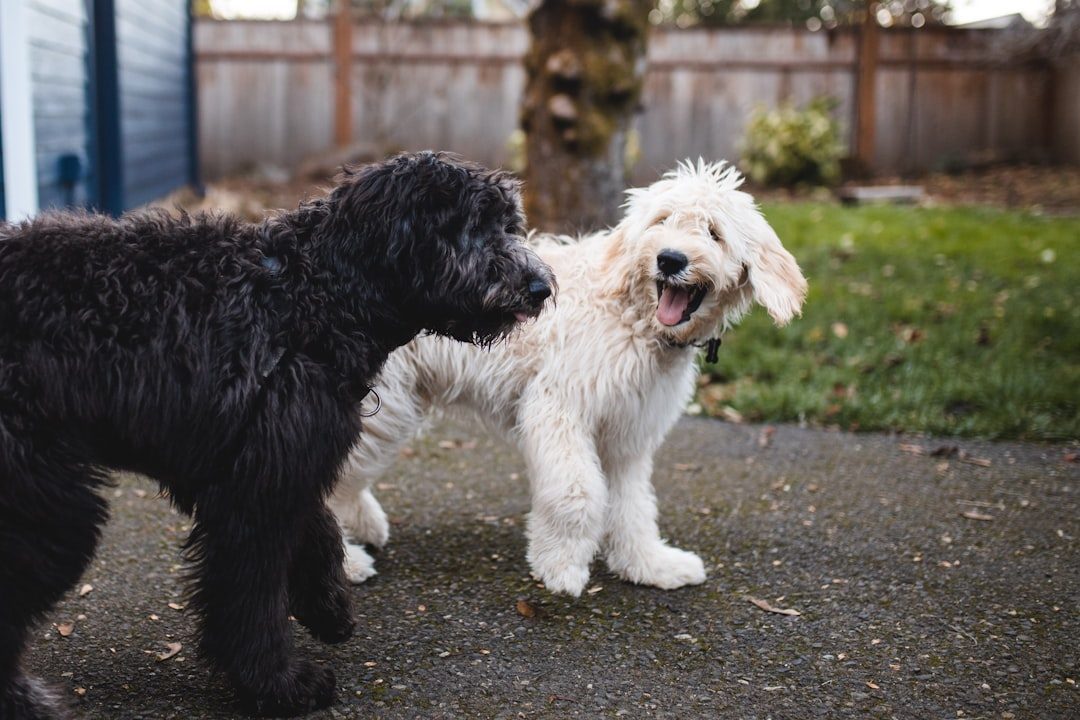
Even littermates can land on noticeably different adult shades.
Setting Realistic Expectations Before You Choose a Puppy
Because so much of this comes down to genetics, the best predictor of your puppy’s adult coat is what its parents and older littermates look like now. A reputable breeder should be able to show you photos of a puppy’s parents as adults and talk honestly about how much their past litters have faded.
Coat traits, including how much furnishing and curl a puppy carries, are tied to specific genes rather than simply how many generations removed from a purebred Poodle a dog is. Our guide to Sheepadoodle generations explained covers how F1, F1B, and multigenerational breeding affect coat predictability, and our guide to choosing a reputable Sheepadoodle breeder walks through the right questions to ask about coat history.
We’d rather you fall in love with your puppy’s temperament and health than a coat color that may not last.
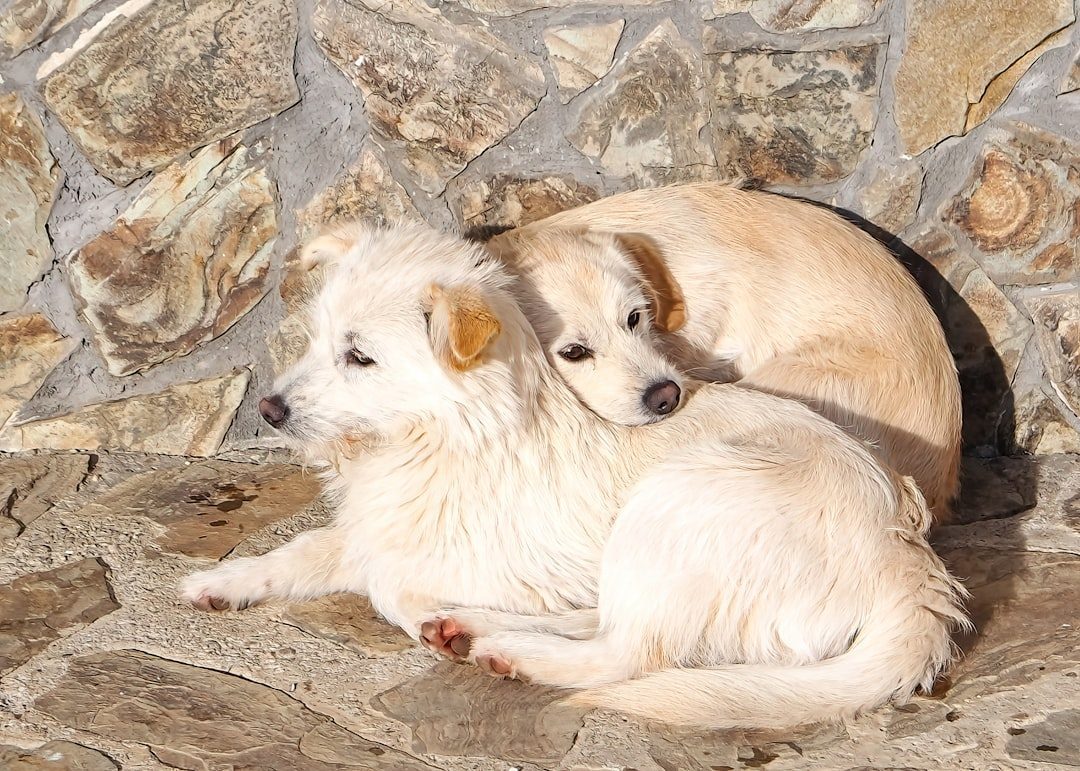
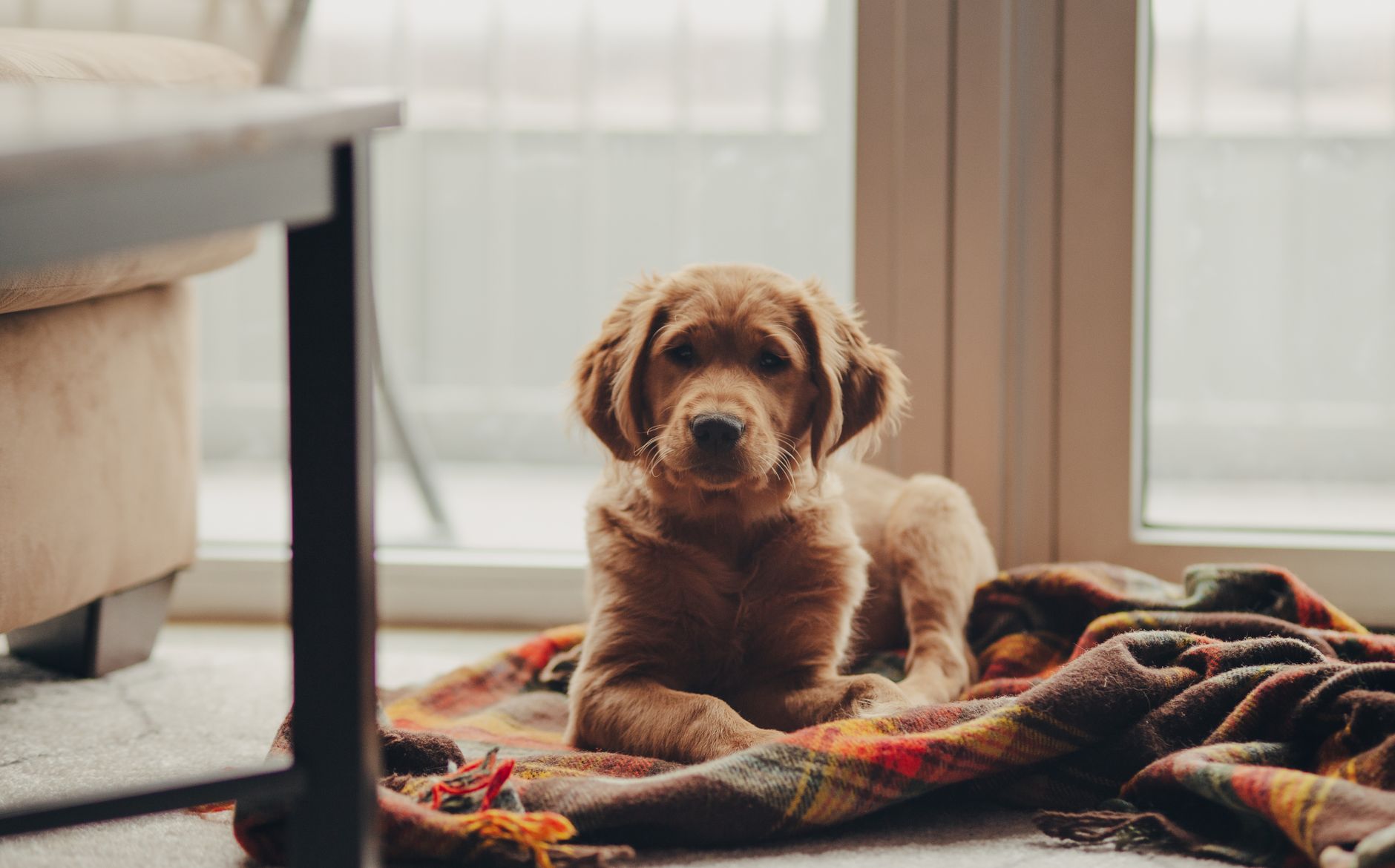
Seeing a puppy’s parents as adults is the most reliable clue to its future coat.
Curious What Your Future Puppy’s Adult Coat Might Look Like?
We can walk you through a puppy’s parents, littermates, and coat history so there are no surprises down the road.
Contact Sunshine SheepadoodlesFrequently Asked Questions
Will my Sheepadoodle puppy’s coat color stay the same as an adult?
Often, no. Many Sheepadoodles, especially black, phantom, parti, brown, and red puppies, carry a progressive graying gene from their Poodle ancestry that lightens the coat over the first one to two years. Cream and white puppies typically show little change.
What exactly is the “fading” or “clearing” gene?
It’s a genetic trait, called progressive graying, that causes eumelanin (the pigment behind black and brown coloring) to lose density as new hair grows in. One copy from either parent is enough to trigger some fading, usually starting around the face and furnishings.
Does sun exposure make a Sheepadoodle’s coat lighter?
It can add a temporary bleaching or reddish tint, especially on dogs that spend a lot of time outdoors in strong sun. This is separate from genetic fading and usually improves once that hair sheds and regrows.
Can I predict my puppy’s adult coat color before bringing them home?
The most reliable predictor is seeing the puppy’s parents as adults and asking the breeder how past litters have changed. Appearance at eight weeks old is not a dependable guide to color at two years old.
Is coat fading the same thing as hair loss or a health problem?
No. Genuine progressive graying is a color change only, and the coat should stay thick and healthy throughout. Patchy hair loss, redness, itching, or a dull, brittle texture are not normal and are worth mentioning to your veterinarian.
Coat color change is one part of the bigger puppy-to-adult coat transition, alongside texture and shedding shifts covered in our Sheepadoodle shedding guide. For day-to-day coat care once the adult coat comes in, our Sheepadoodle grooming guide covers brushing routines and professional grooming schedules.