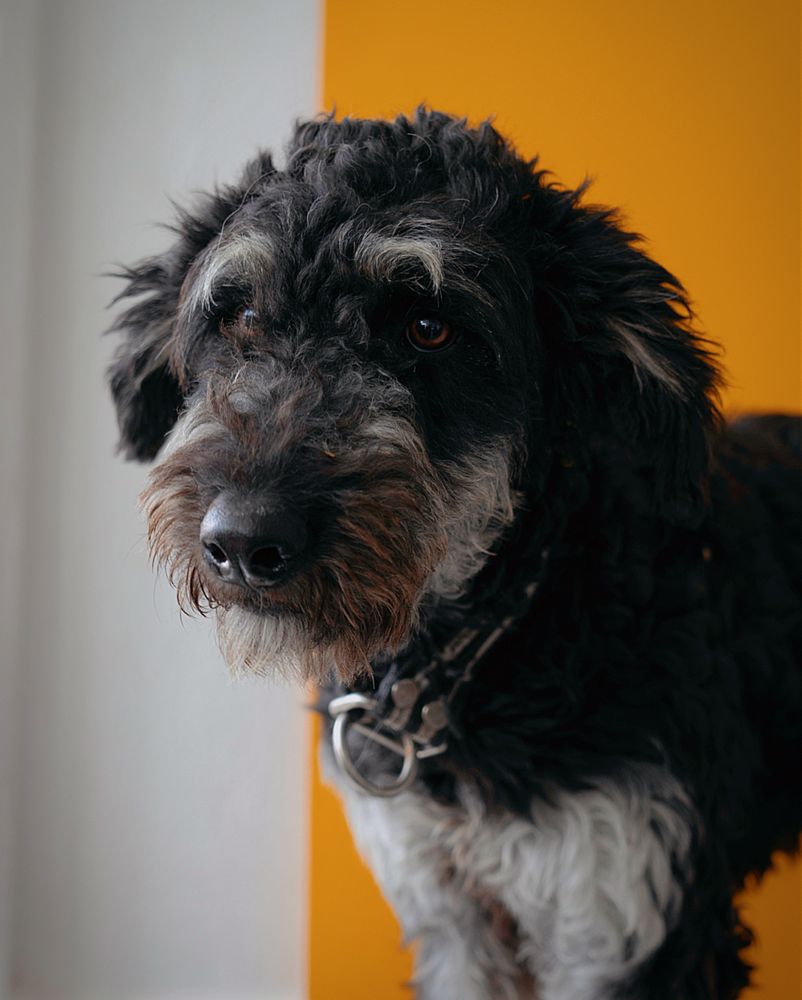
Between the hair that tends to grow right into their eyes and the occasional tear staining, Sheepadoodle eye care is a small but genuinely important part of routine grooming. Here’s a realistic care routine, what tear stains actually mean, and which conditions are worth knowing about.
Why Eye Care Matters for a Hairy-Faced Breed
Long facial hair, inherited largely from the Old English Sheepdog side, can grow directly into a Sheepadoodle’s eyes if left untrimmed, causing irritation, excessive tearing, and sometimes scratches on the surface of the eye itself. This is one of the more overlooked grooming needs for this breed, since the hair itself often hides what’s happening underneath.
It’s easy to focus grooming attention on the body coat and forget the face entirely, especially since a Sheepadoodle’s expressive, hair-covered eyes are part of what makes the look so charming in photos. In practice, that same hair is exactly why this breed needs slightly more eye-area attention than a short-coated dog would.
Daily Eye Cleaning Routine
- Use a damp, soft cloth or vet-approved wipe to gently clean under the eyes once or twice daily.
- Wipe outward, away from the eye, using a fresh section of cloth for each eye to avoid spreading debris or infection between them.
- Dry the area gently afterward, since damp fur around the eyes is more prone to staining and irritation.
- Check for redness or discharge during each cleaning as a simple, built-in health check.
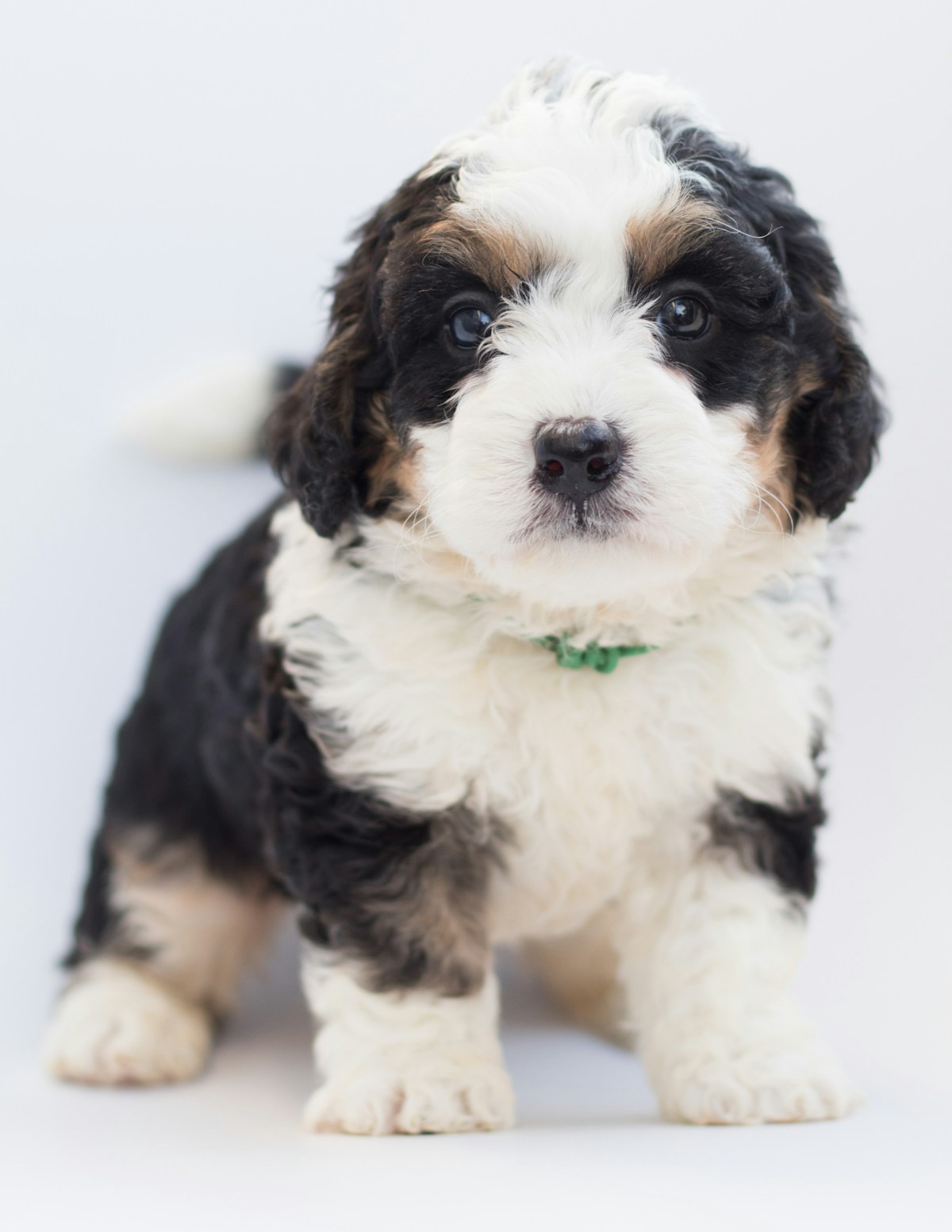
A quick daily wipe doubles as a simple health check for redness or discharge.
Managing Tear Stains
| Cause | What Helps |
|---|---|
| Hair irritating the eye | Regular trimming around the eye area |
| Mineral content in tap water | Switching to filtered or bottled water |
| Allergies or environmental irritants | Identifying and reducing exposure to the specific trigger |
| Normal tear overflow left uncleaned | Consistent daily wiping and drying |
According to the American Kennel Club, keeping the eye area clean and dry is consistently the most effective baseline strategy, regardless of the underlying cause of a specific dog’s staining.
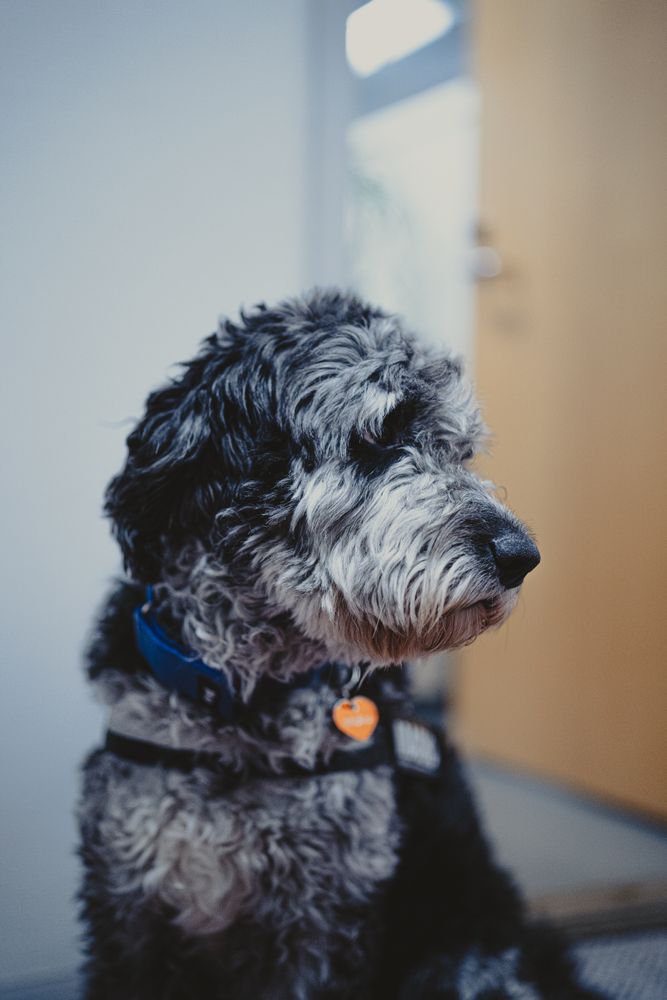
Keeping the eye area clean and dry is the most effective baseline strategy for managing tear stains.
Trimming Hair Around the Eyes
Regular trimming, roughly every 2 to 4 weeks for a fast-growing coat, keeps hair from reaching the eye surface. This is delicate work best done carefully with blunt-tipped scissors, or left to a professional groomer if you’re not confident doing it yourself — the risk of injury to the eye makes this one grooming task worth outsourcing if you have any doubt.
Between full trims, a quick daily check is worth building into your routine. If you notice hair starting to curl inward toward the eye, a small touch-up trim can prevent irritation from building up before your next full grooming session. This is especially relevant during growth spurts in puppyhood and during the coat transition period covered in our shedding guide, when hair growth can outpace your regular schedule.
Signs Hair Is Already Causing Irritation
- Squinting or excessive blinking on one or both sides.
- Increased tearing beyond your dog’s normal baseline.
- Pawing at the face more than usual.
- Visible redness at the corner of the eye where hair makes contact.
If you notice any of these signs, a prompt trim (or a same-day appointment with your groomer) usually resolves the irritation quickly, before it has a chance to progress into something more serious like a corneal scratch.
Common Eye Conditions to Know
| Condition | Early Signs |
|---|---|
| Cataracts | Cloudy or bluish-white appearance to the lens |
| Progressive retinal atrophy (PRA) | Night blindness, hesitance in dark rooms, clumsiness |
| Conjunctivitis | Redness, swelling, discharge |
| Dry eye | Thick discharge, squinting, dull-looking cornea |
According to Cornell University’s College of Veterinary Medicine, progressive retinal atrophy typically begins with night blindness and progresses gradually, sometimes over months or years, and is non-painful even as it advances. Cataracts can develop separately or alongside PRA, and are sometimes the first visible sign owners notice.
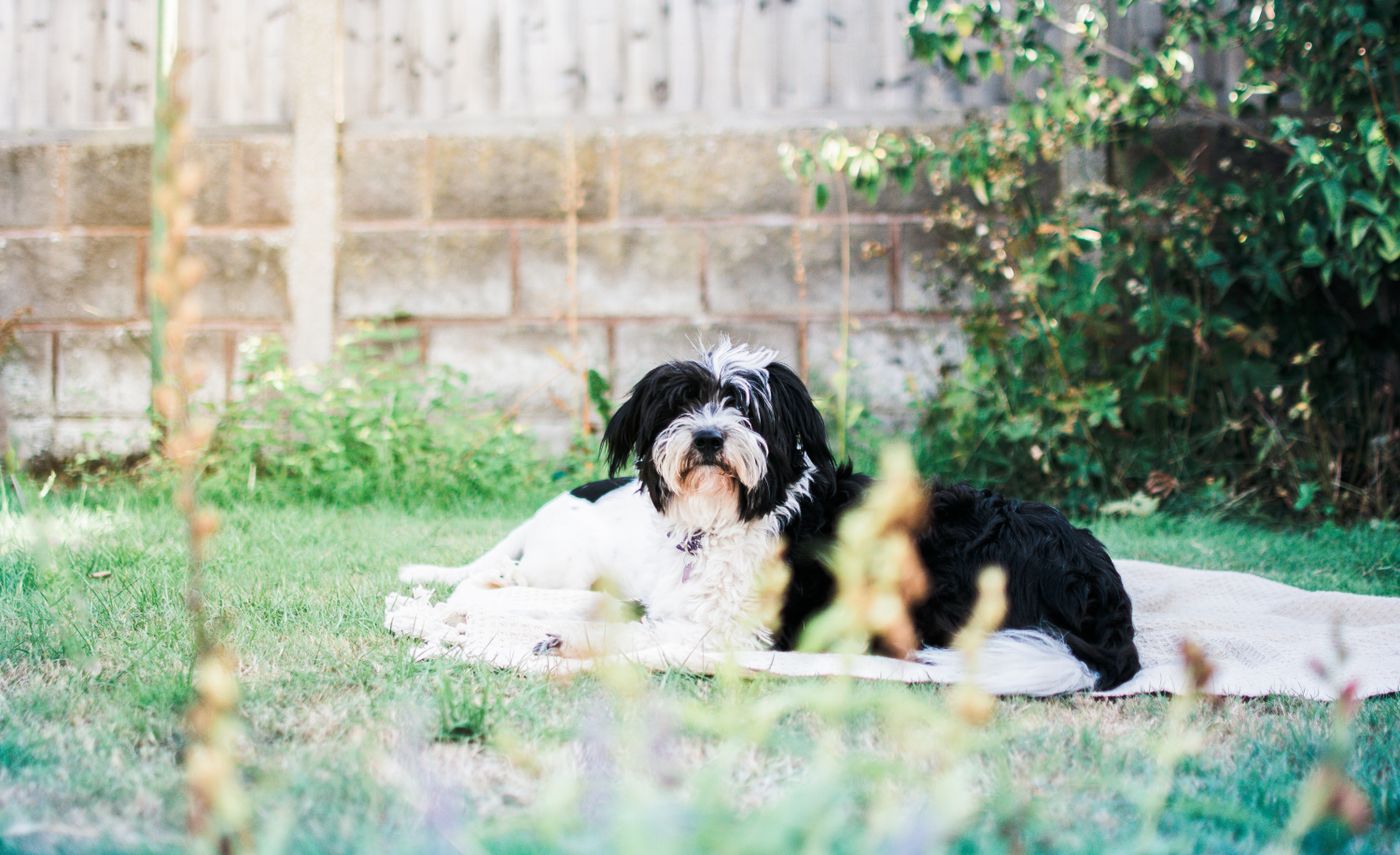
Most dogs adapt remarkably well to gradual vision changes, especially when caught and managed early.
When to See a Vet Immediately
- Sudden squinting or pawing at one or both eyes.
- Visible cloudiness that appears suddenly rather than gradually.
- Bulging, swelling, or a visibly injured eye.
- Excessive discharge that’s thick, colored, or foul-smelling.
- Sudden vision loss, including new clumsiness or bumping into objects.
Any sudden change involving the eyes warrants a same-day veterinary visit rather than a wait-and-see approach — eye injuries and infections can worsen quickly, and prompt treatment often makes a meaningful difference in outcome. When in doubt, it’s always better to have a same-day exam turn out to be unnecessary than to wait and risk a treatable issue becoming more serious.
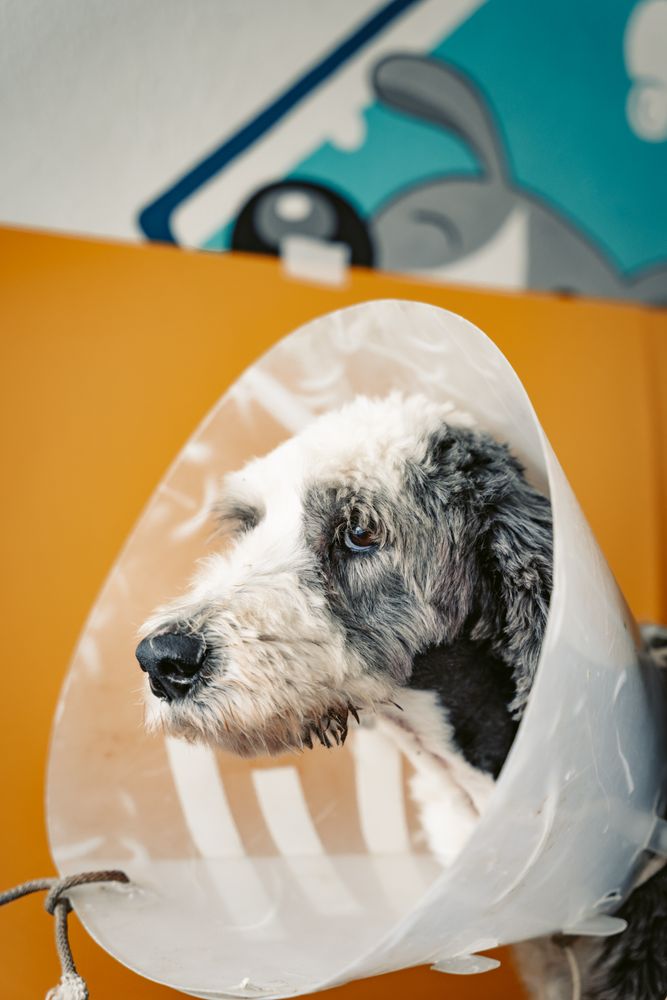
Prompt veterinary care for sudden eye changes often makes a meaningful difference in the outcome.
Questions About Grooming or Eye Care?
We’re happy to talk through what to expect for your specific puppy’s coat and face shape.
Contact Sunshine SheepadoodlesFrequently Asked Questions
How often should I clean my Sheepadoodle’s eyes?
Once or twice daily with a damp, soft cloth is a reasonable routine for most dogs, more often if tear staining or debris buildup is a persistent issue.
Are tear stains a sign of a health problem?
Not usually. Mild tear staining is common and often related to hair irritation or water mineral content, though persistent or worsening staining is worth mentioning to your veterinarian.
Can I trim the hair around my dog’s eyes myself?
Some owners do with blunt-tipped scissors and a steady hand, but this is delicate work, and a professional groomer is a safer choice if you’re not fully confident doing it yourself.
Is progressive retinal atrophy painful?
No, PRA is a non-painful condition, though it does lead to progressive vision loss over time. Most dogs adapt well to the gradual changes, especially in familiar environments.
For overall coat and grooming routine, see our Sheepadoodle grooming guide, and review our lifespan and health guide for other breed-common considerations.
Leave a Reply