Texas doesn’t get the long, snowy winters that shape most cold-weather dog advice. But it does get hard freezes, ice storms, and the occasional multi-day arctic blast — Texans still remember February 2021. A Sheepadoodle’s dense double coat is a real advantage in cold weather, but a dog raised in a mild climate isn’t acclimated to cold the way a Minnesota or Maine dog is. Just as summer heat calls for precautions covered in our Sheepadoodle heat safety guide for Texas, winter has its own risks worth planning for.
How a Sheepadoodle’s Double Coat Handles Cold
Most Sheepadoodles inherit a double coat from the Old English Sheepdog side of their parentage: a soft, insulating undercoat topped by coarser guard hairs. That combination traps a layer of warm air against the skin and sheds light moisture reasonably well, which is why double-coated breeds generally tolerate cold better than short, single-coated dogs.
That said, “cold-tolerant” doesn’t mean cold-proof. A soaked coat loses much of its insulating power, and wind cuts through even a thick coat faster than owners expect. A Sheepadoodle that’s comfortable at 30°F on a calm, dry day can get cold fast in the same temperature with rain or wind.
Cold Tolerance Depends on More Than Coat Thickness
Age, health, and coat length all shift how much cold a given dog can handle. Puppies and senior Sheepadoodles regulate body temperature less efficiently and chill faster than a healthy adult. Dogs with arthritis or other joint issues are also more sensitive to cold, which can stiffen joints and increase discomfort.
Coat length matters too. A Sheepadoodle kept in a shorter maintenance trim has less insulation than one in a fuller, longer style — something worth factoring into the cut you choose heading into winter (our guide to Sheepadoodle haircuts and grooming styles covers which cuts retain the most warmth). And because most Texas dogs live in a climate that rarely stays below freezing for long, they simply aren’t conditioned to sustained cold the way a dog that lives outdoors in Wisconsin is. Don’t assume your dog can handle a cold snap just because the breed “does well in winter” in general.
| Temperature | Outdoor Time Guidance | Precautions |
|---|---|---|
| Above 45°F | Normal outdoor time | No special precautions for a healthy adult with a full coat |
| 32–45°F | Normal walks and play | Dry off wet coats promptly; watch senior or thin-coated dogs |
| 20–32°F | 15–20 minutes at a time | Consider a coat for clipped or thin-coated dogs; avoid standing water |
| 10–20°F | 5–10 minute bathroom breaks | Watch closely for shivering or paw-lifting; bring inside promptly |
| Below 10°F or ice storm conditions | Supervised trips only, as needed | Keep water from freezing; bring outdoor pets inside |
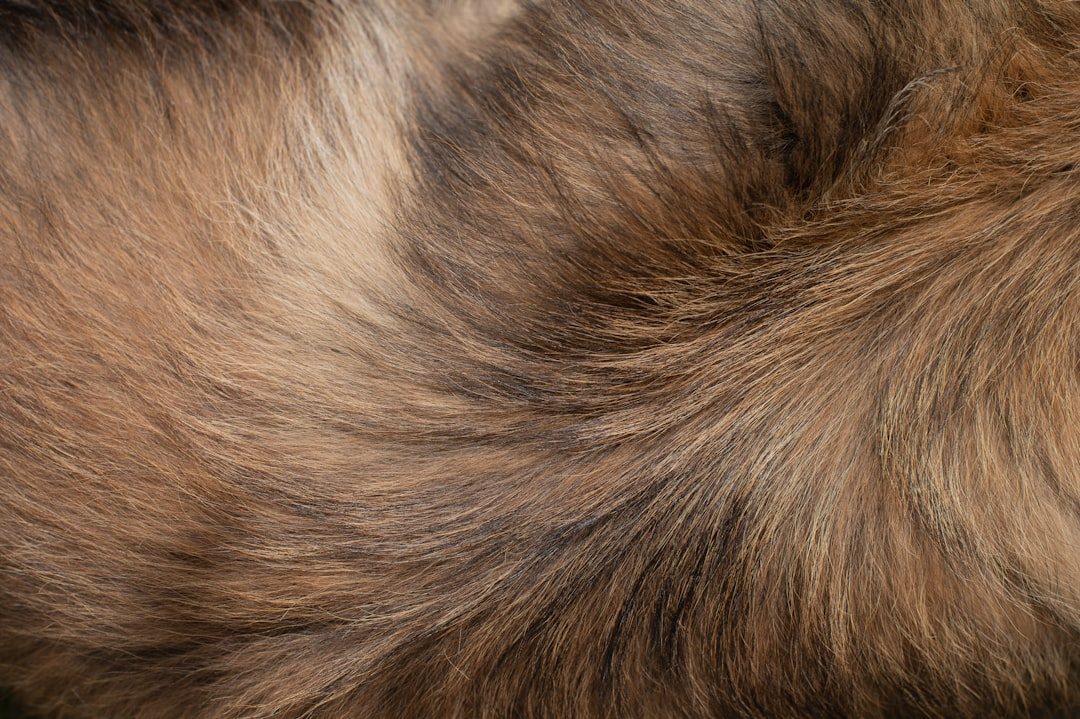
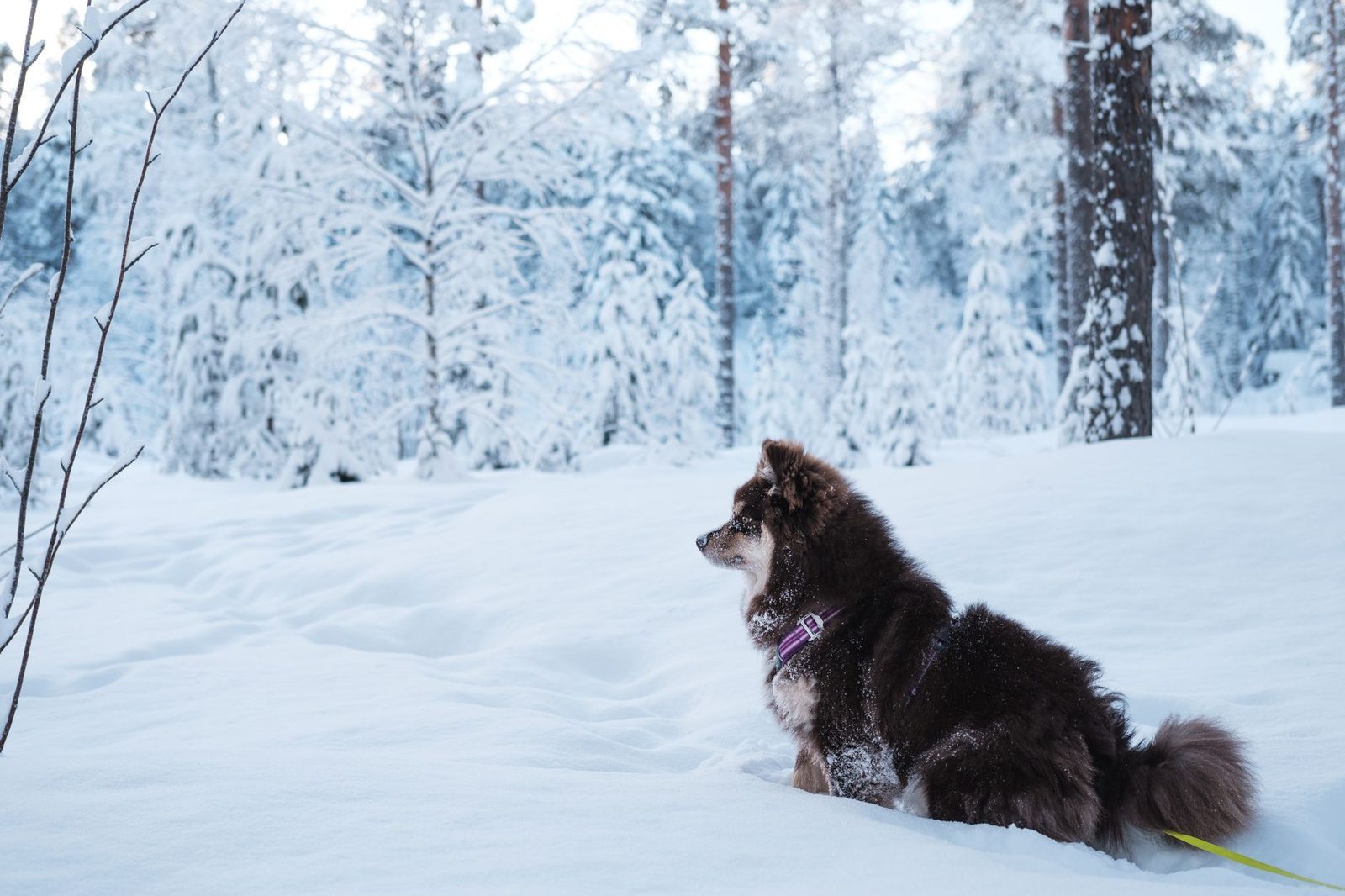
A dense undercoat and coarser guard hairs work together to trap warmth.
Normal Cold Discomfort vs. Hypothermia and Frostbite
A dog that’s simply chilly will tell you in mild, obvious ways. A dog developing hypothermia or frostbite shows different, more serious signs that call for immediate action. According to the American Veterinary Medical Association, both conditions can escalate quickly once a dog’s core temperature drops.
Normal Cold Response
- Wanting to head back inside sooner than usual
- Brief shivering that stops once indoors and dry
- Seeking out sunny spots, blankets, or your lap
- Slightly reduced interest in lingering outside to play
Signs You Need a Vet Now
- Persistent, intense shivering that doesn’t stop indoors
- Weakness, stumbling, or unusual lethargy
- Pale or grayish gums
- Ears, tail, or paws that feel cold and hard, then turn red or swollen
- Confusion, collapse, or refusal to move
Protecting Paws From Ice, Salt & De-Icing Chemicals
Our nail and paw care guide covers everyday trimming and pad maintenance, but winter brings hazards that are easy to overlook in a mostly-warm climate. During Texas freezes, sidewalks and driveways are sometimes treated with rock salt or chemical de-icers, and both can irritate or even burn paw pads on contact.
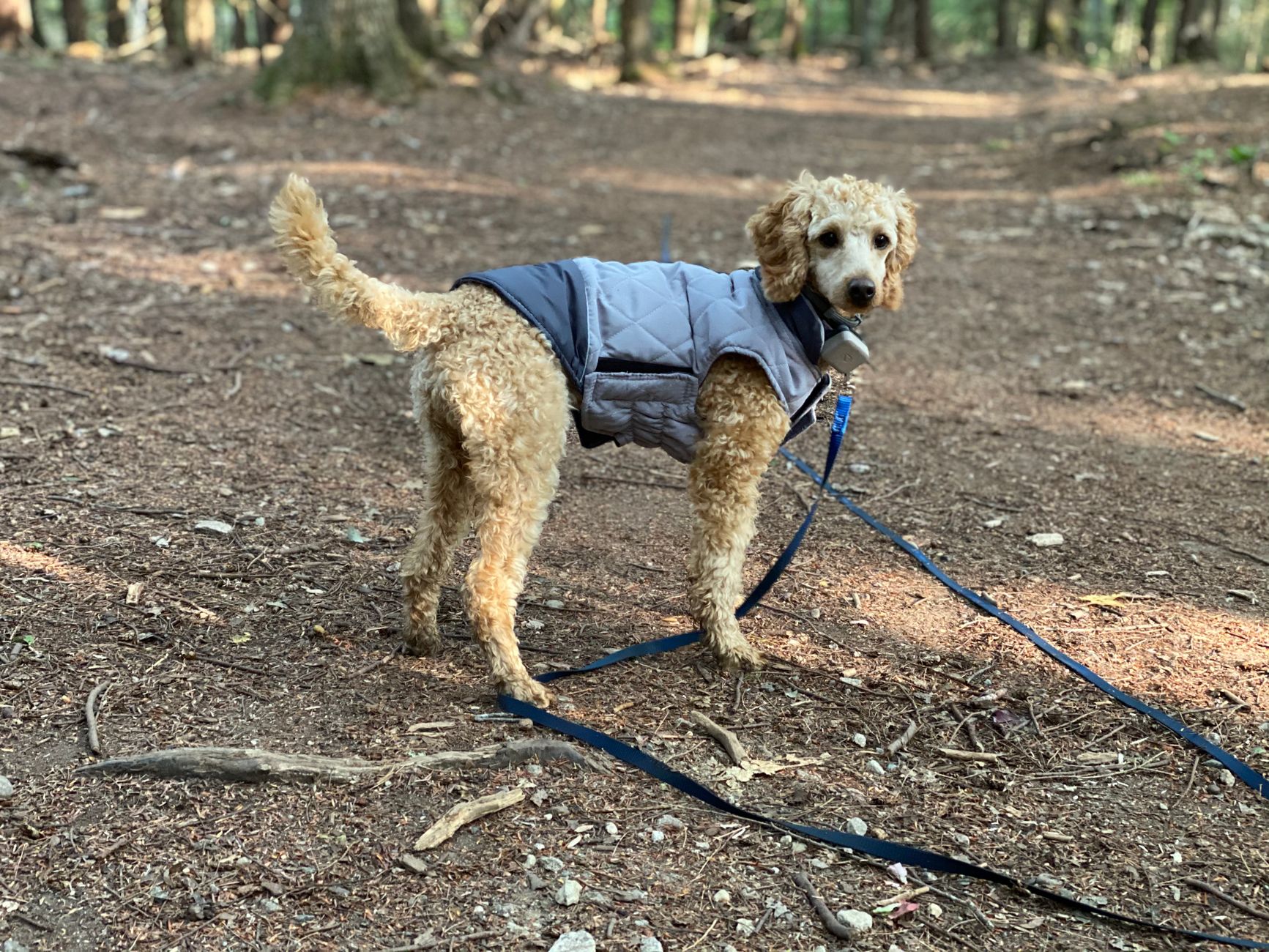
Dogs that lick treated paws afterward risk stomach upset from ingesting the chemicals. Trimming the fur between paw pads slightly helps prevent ice from balling up between the toes, and a pet-safe paw wax or a set of booties adds a real barrier during an ice event. After any walk on treated pavement, rinse or wipe your dog’s paws with a warm, damp cloth before they have a chance to lick them clean.
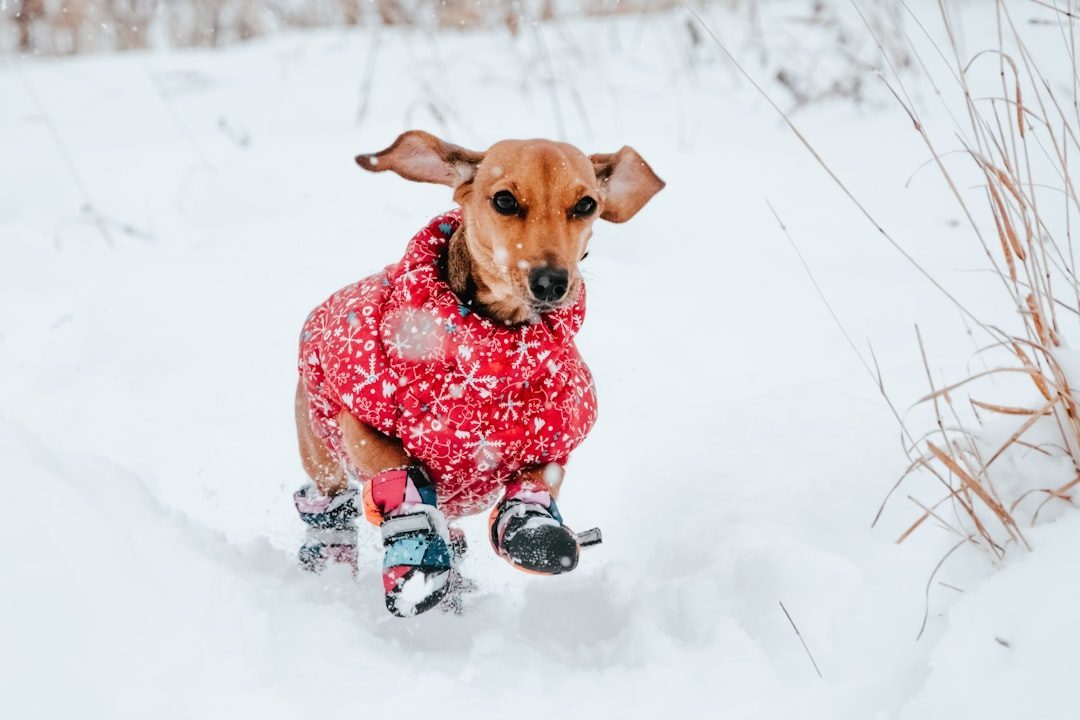
Booties or paw wax help shield pads from salt and de-icing chemicals.
Winter Grooming: Don’t Shave the Coat Down
It’s tempting to think a shorter cut means less to manage in winter, but shaving a double coat down removes the exact insulation your Sheepadoodle relies on in a freeze. As the American Kennel Club notes, shaving a double coat can also disrupt how it regrows and leaves skin more exposed to cold and wind.
Regular brushing matters more than ever in winter, since matted fur traps moisture against the skin and flattens the air pockets that keep a coat warm. Stick to the brushing routine outlined in our Sheepadoodle grooming guide, and if you want a lower-maintenance cut, choose one of the shorter (but not shaved-down) styles from our haircuts and grooming styles guide instead of a full shave before winter sets in.
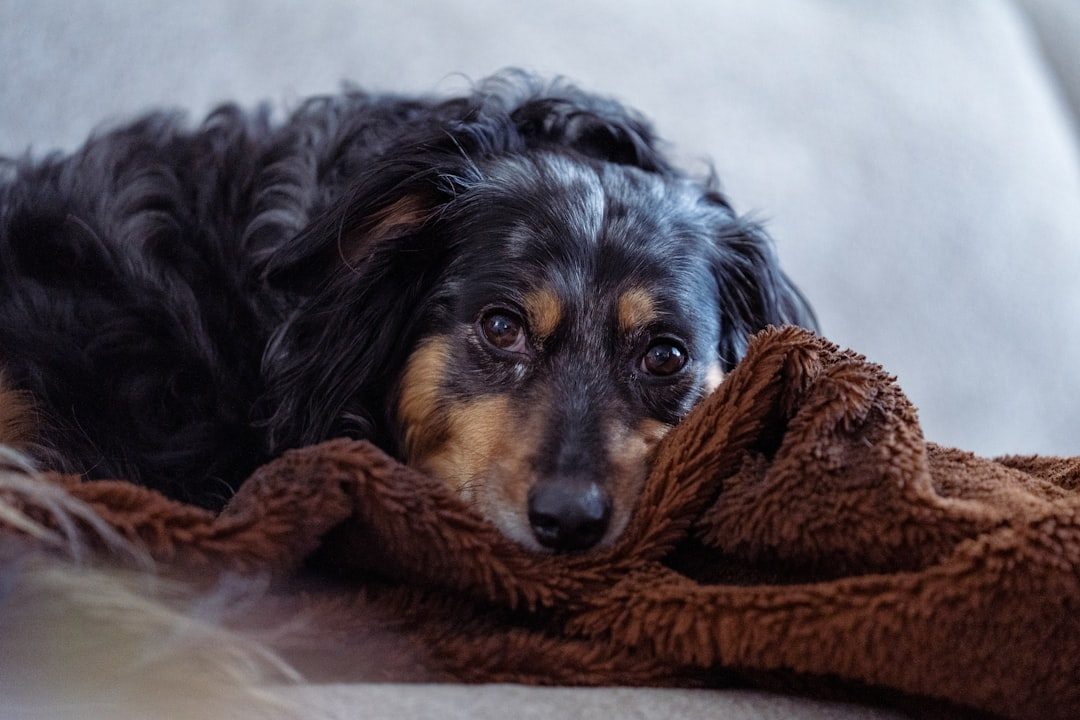
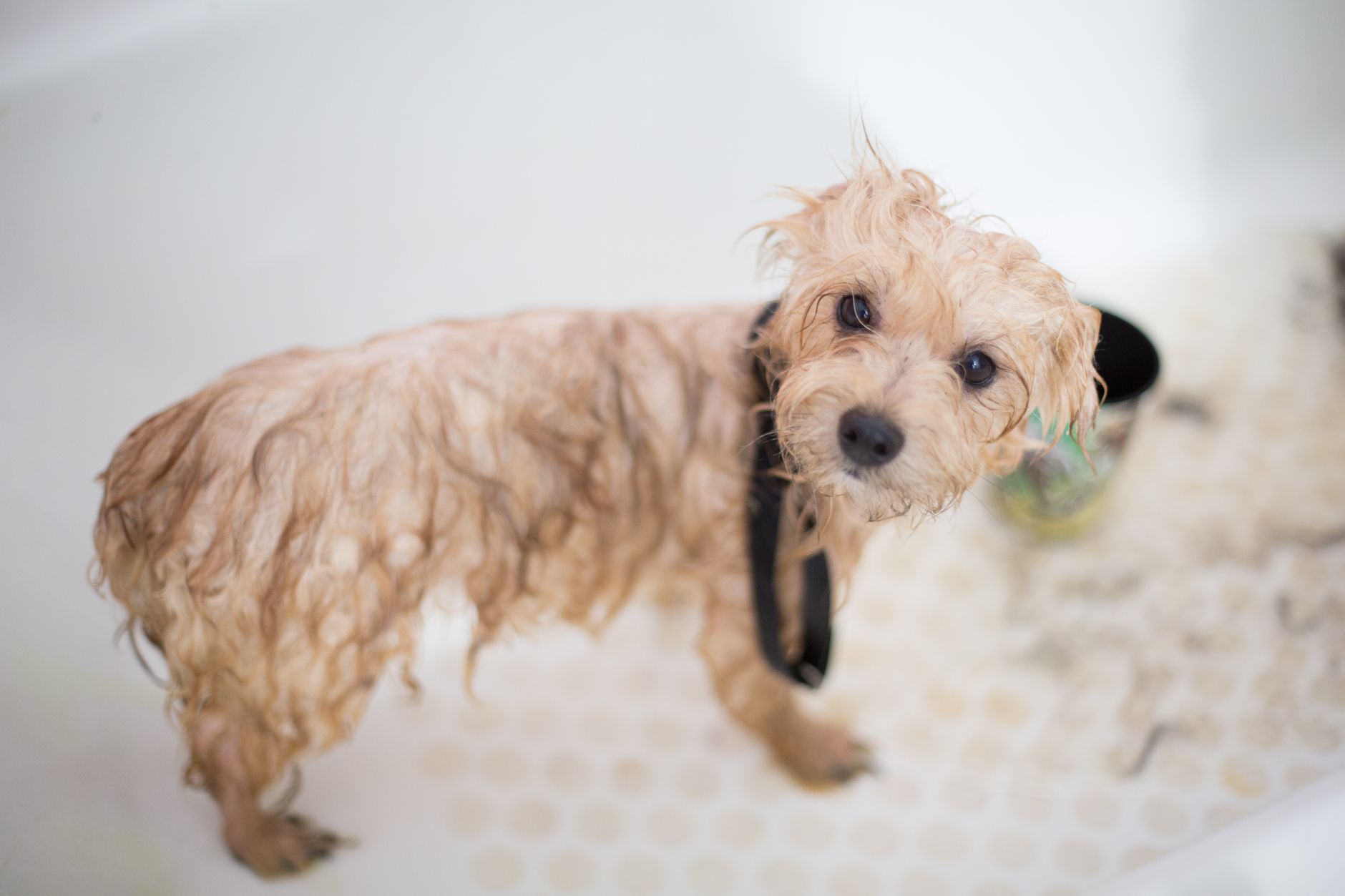
A full, well-brushed coat provides far more warmth than a shaved-down cut.
Texas Winter Storms: When “It Doesn’t Get That Cold Here” Is Wrong
Texas winters are mild most of the time, which is exactly why a real cold snap catches people off guard. The February 2021 winter storm brought days of sub-freezing temperatures, widespread power outages, and burst pipes to homes across the state that simply weren’t built for that kind of cold — and the same is true of most Texas dogs.
If a freeze warning or ice storm is in the forecast, bring your Sheepadoodle inside rather than relying on an outdoor setup. Have a backup warm space ready in case of a power outage, keep bedding away from drafty windows or doors, and check water bowls regularly since they can freeze faster than expected. A little preparation goes a long way when a storm like that shows up once every few years instead of every winter.
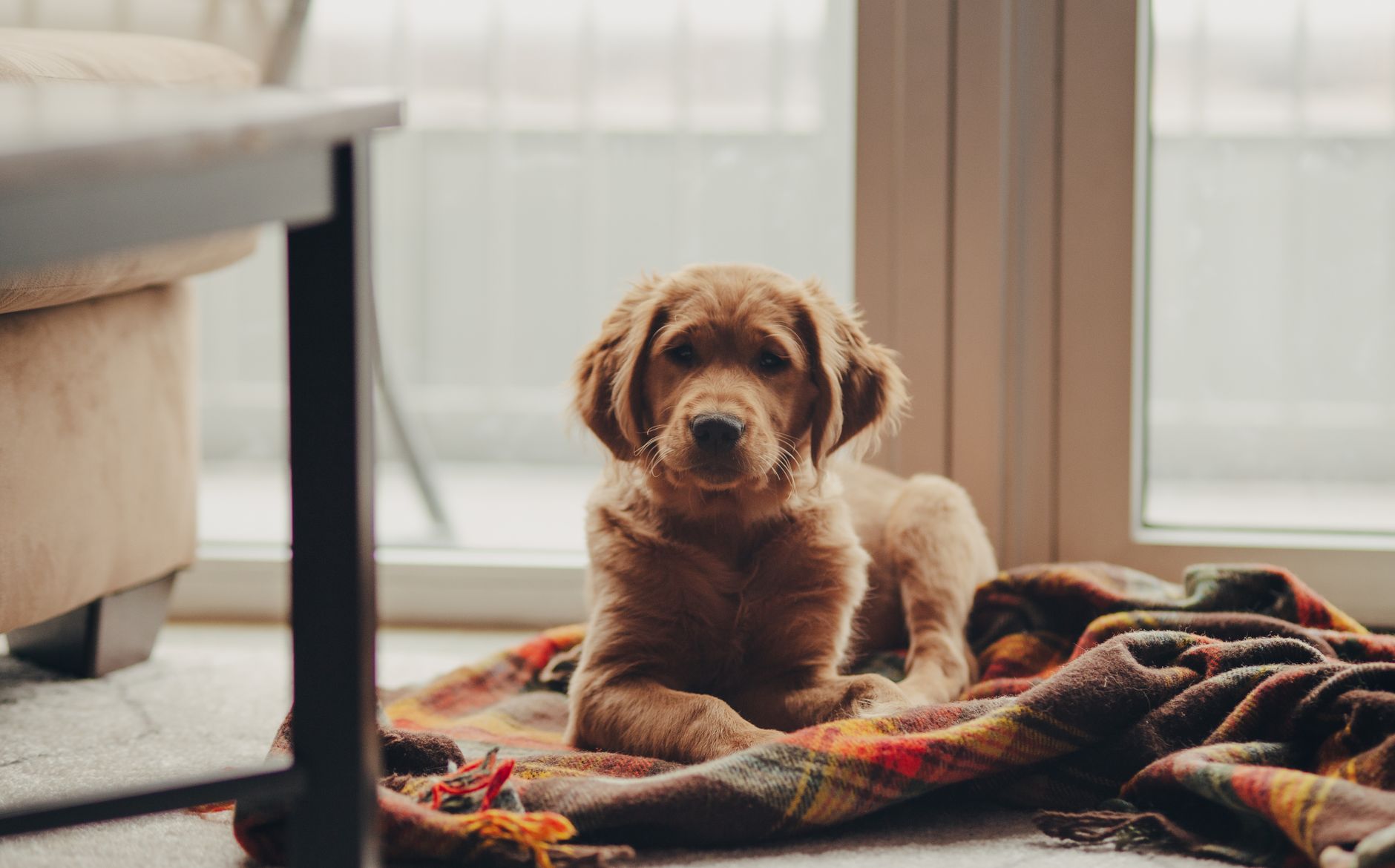
Rare Texas ice storms catch under-prepared dogs and homes off guard.
Prepared for Every Texas Season
From summer heat to a surprise winter freeze, we’re happy to talk through how to keep your Sheepadoodle comfortable year-round.
Contact Sunshine SheepadoodlesFrequently Asked Questions
Can Sheepadoodles handle cold weather?
Yes, reasonably well — their double coat provides solid insulation, but they still need precautions below freezing, especially in wind or a wet coat, and Texas dogs aren’t cold-acclimated.
Do Sheepadoodles need a coat or sweater in winter?
Usually not above freezing, thanks to their dense coat. A coat can help senior dogs, thin-coated dogs, or recently clipped dogs during a hard freeze.
Is rock salt dangerous for Sheepadoodles?
It can irritate paw pads and cause stomach upset if licked off. Wipe your dog’s paws after walks on treated sidewalks or driveways.
Should I shave my Sheepadoodle before winter?
No. Shaving down a double coat removes its natural insulation and increases cold and frostbite risk. A shorter maintenance trim is fine; a full shave-down is not.
How cold is too cold for a Sheepadoodle?
Most healthy adults are fine to around 20–25°F for short periods, but shorten outdoor time further as it drops, and always during ice storms or high wind.
What should I do if my Sheepadoodle shows signs of hypothermia?
Bring them inside immediately, dry and warm them with blankets, and call your vet right away, especially if shivering doesn’t stop or gums look pale.
For more on keeping your Sheepadoodle’s coat healthy through seasonal changes, see our Sheepadoodle shedding guide, and for ways to keep them active on shorter winter days, check out our guide to Sheepadoodle exercise and enrichment.