Aging sneaks up gradually, then all at once. One year your Sheepadoodle is bounding up the stairs, and the next you notice a slight hesitation before jumping on the couch. Here’s a practical guide to the care adjustments that actually help — mobility, diet, cognitive support, and what to watch for.
This guide focuses on day-to-day care adjustments rather than diagnosing specific conditions. If you’re looking for information on breed-common health risks and genetic testing, our Sheepadoodle lifespan and health guide covers that ground in more depth.
When Is a Sheepadoodle Considered “Senior”?
Larger dogs tend to enter their senior years earlier than smaller ones, which matters for a breed with as much size variation as the Sheepadoodle.
| Size Class | Senior Age Onset |
|---|---|
| Standard | Around 6–7 years |
| Medium (Moyen) | Around 7–8 years |
| Mini / Micro | Around 8–10 years |
These are general guidelines, not hard cutoffs — some dogs show senior-related changes earlier or later than their size class would suggest.
Physical Changes to Expect
- Joint stiffness, especially after rest, most noticeable in standard-sized dogs carrying more weight on their hips.
- Slower to rise or hesitant on stairs and slick flooring.
- Coat changes, including graying around the muzzle and sometimes a coarser or thinner overall texture.
- Reduced hearing or vision, often gradual enough that it’s easy to miss at first.
- Dental wear, making regular dental checks more important with age.
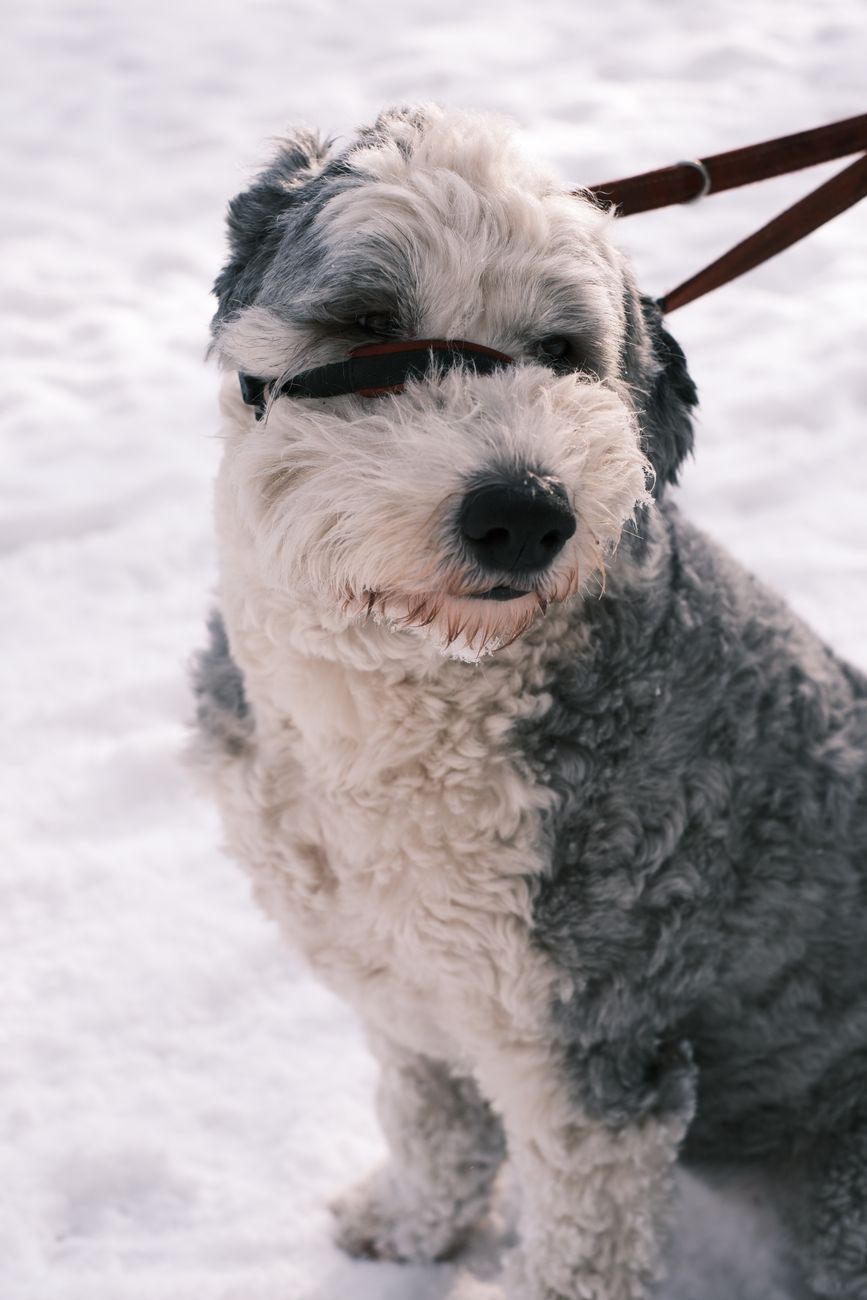
Graying around the muzzle and slower movement are among the first visible signs of aging.
Diet Adjustments for Senior Sheepadoodles
Nutritional needs shift meaningfully with age. According to the American Kennel Club, senior dogs generally need fewer calories as activity decreases, but still benefit from high-quality protein to help preserve muscle mass, which naturally declines with age.
- Watch calorie intake closely, since a slower metabolism plus the same portion size often leads to weight gain.
- Prioritize named protein sources to help offset natural age-related muscle loss.
- Consider joint-support supplements like glucosamine, chondroitin, and omega-3 fatty acids, ideally discussed with your veterinarian first.
- Reassess portions after weight checks, not on a fixed schedule — needs change gradually and individually.
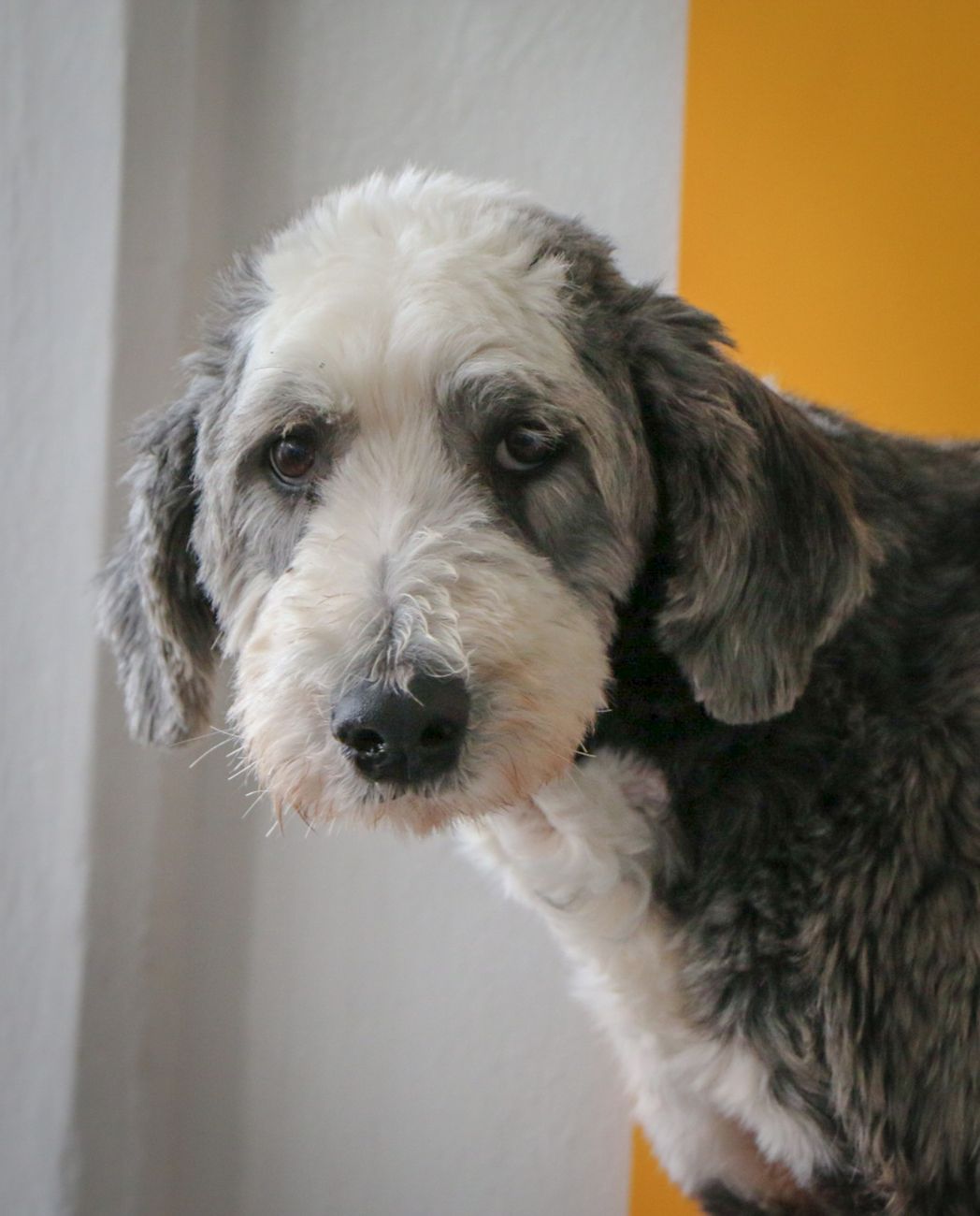
Fewer calories but more attention to protein quality is the general direction most senior diets should shift.
Recognizing Cognitive Decline
Cognitive changes are easy to mistake for “just getting old” when they actually warrant a veterinary conversation.
Normal Aging
- Sleeping more overall
- Slightly slower to respond to commands
- Less interest in vigorous play
Possible Cognitive Decline
- Sudden house soiling in a previously trained dog
- Disorientation, staring at walls, or getting “stuck” in corners
- Disrupted sleep patterns or nighttime pacing
- Noticeable withdrawal from family interaction
According to the American Animal Hospital Association, predictable routines and consistent mental stimulation are among the most effective supportive strategies for dogs showing early cognitive changes, alongside veterinary guidance.
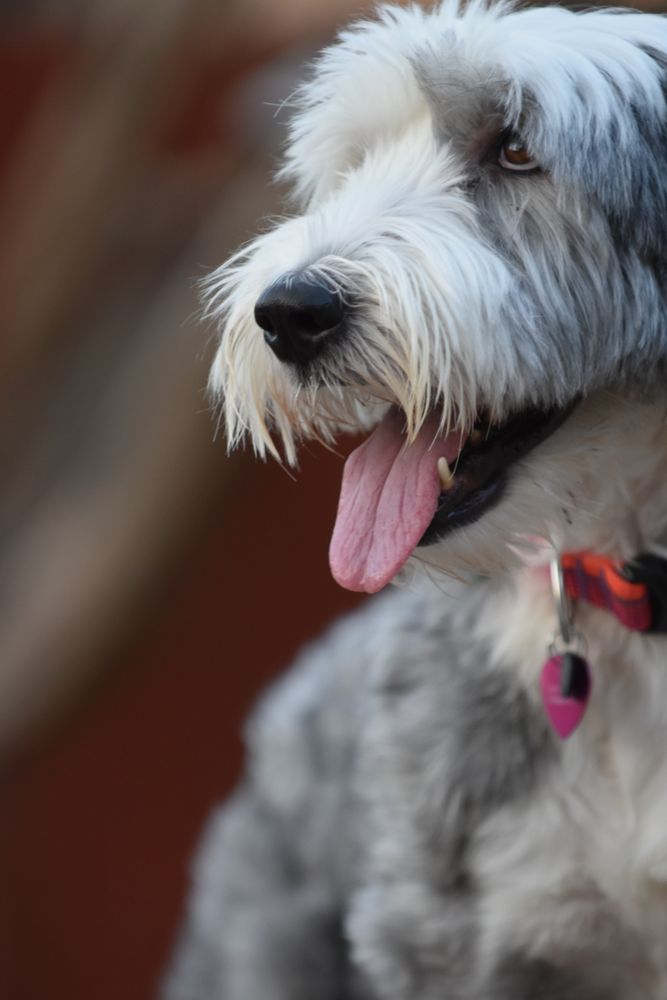
Predictable routines and gentle mental stimulation support cognitive health as dogs age.
Home Modifications for Comfort & Mobility
- Pet ramps or steps for beds, couches, and vehicles to reduce joint strain from jumping.
- Non-slip flooring or rugs in high-traffic areas, especially over hardwood or tile.
- Orthopedic bedding that supports joints better than standard cushioning.
- Raised food and water bowls to reduce neck and shoulder strain during meals.
- Nightlights if vision is declining, to help navigate familiar spaces after dark.
None of these changes need to happen all at once. Most owners introduce them gradually as specific needs become apparent, rather than overhauling the whole home the moment a dog crosses into “senior” territory. A ramp by the favorite couch spot or a rug over slick tile is often enough to start.
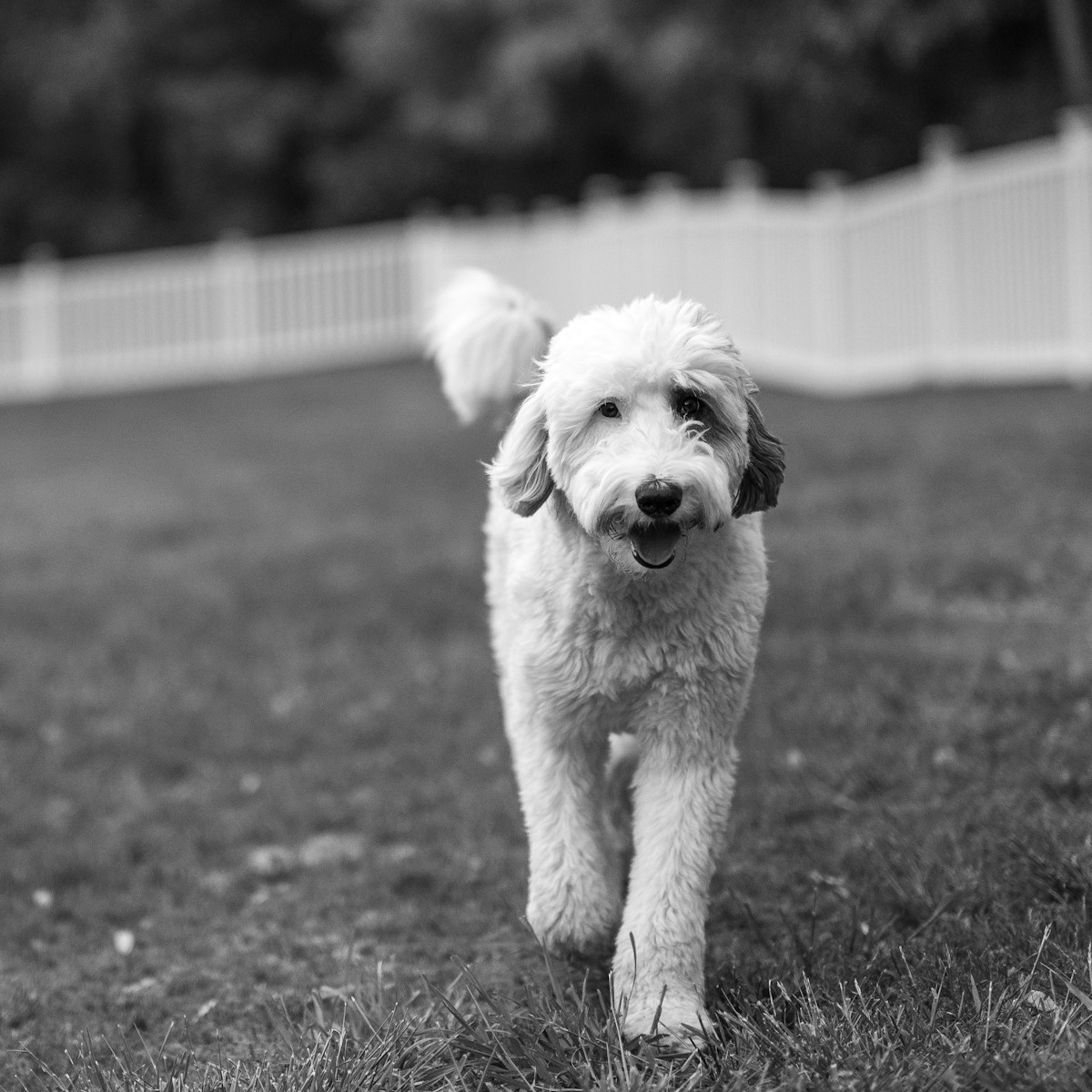
Small, gradual home adjustments often make a bigger comfort difference than a full overhaul all at once.
Updated Vet Visit Schedule
Most veterinarians recommend shifting from annual to twice-yearly wellness visits once a dog reaches senior status, often including senior-specific bloodwork panels. Catching kidney, thyroid, or heart changes early frequently makes them far more manageable than waiting for visible symptoms to appear.
Twice-yearly wellness visits with senior bloodwork help catch age-related changes before symptoms become obvious.
Keeping a Senior Sheepadoodle Mentally Engaged
Mental engagement matters as much in the senior years as it did in puppyhood, just in a gentler form. Rather than retiring enrichment activities altogether, scale them down to match physical comfort:
- Shorter, more frequent walks rather than one long outing, which is easier on joints while still providing mental stimulation from new scents and surroundings.
- Low-impact puzzle feeders that don’t require jumping or fast movement.
- Gentle scent games, which stay engaging even as physical mobility declines.
- Consistent daily routines, which are especially calming for dogs experiencing early cognitive changes.
- Continued social interaction with family and, when appropriate, other calm, familiar dogs.
The goal isn’t to match a younger dog’s activity level — it’s to keep a senior Sheepadoodle’s mind and body as comfortable and engaged as their changing abilities allow.
Questions About Caring for an Aging Sheepadoodle?
We’re happy to talk through what to expect as your Sunshine Sheepadoodles puppy grows into their senior years.
Contact Sunshine SheepadoodlesFrequently Asked Questions
At what age is a Sheepadoodle considered a senior?
It varies by size, generally around 6 to 7 years for standard-sized dogs and 8 to 10 years for mini and micro Sheepadoodles, since larger dogs tend to age faster than smaller ones.
Should I switch my senior Sheepadoodle to senior dog food?
Often, yes, though the right timing depends on your individual dog’s weight, activity level, and any health conditions. Discuss the switch with your veterinarian rather than following a fixed age.
How can I tell if my senior dog has dementia versus normal aging?
Normal aging usually means slowing down gradually. Sudden house soiling, disorientation, or significant behavior changes are signs worth discussing with your veterinarian rather than dismissing as simple aging.
Do senior Sheepadoodles still need daily exercise?
Yes, though the type and intensity should shift toward lower-impact activity, like shorter walks and gentle mental enrichment, rather than the higher-intensity exercise appropriate for younger dogs.
For more on overall health considerations, see our Sheepadoodle lifespan and health guide, and adjust exercise routines using our exercise and enrichment guide as a starting point for lower-impact activity ideas.