Author: Black & white

  • Sheepadoodle Nail & Paw Care: Trimming, Protection & Texas Heat Tips

    Sheepadoodle Nail & Paw Care: Trimming, Protection & Texas Heat Tips

    Sheepadoodle Guide · Sunshine Sheepadoodles

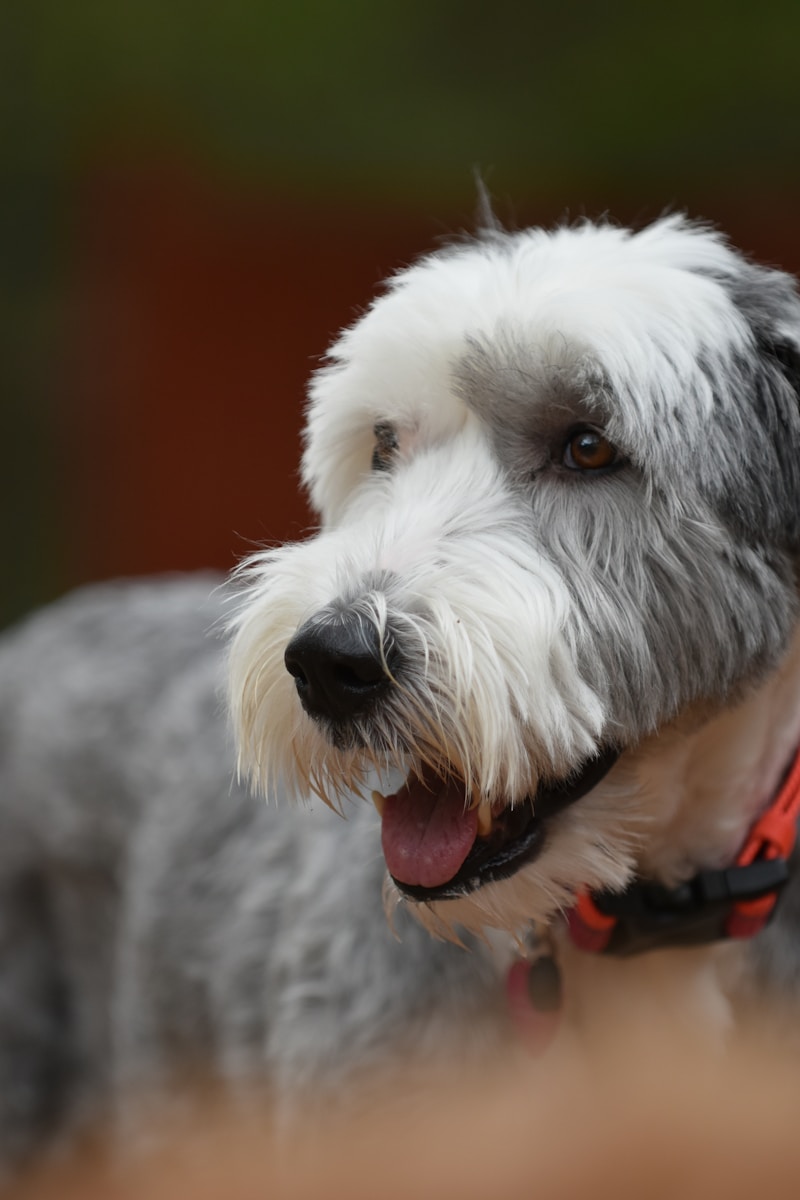
    Sheepadoodle dog paw and nail check outdoors

    Nails and paws are easy to overlook between grooming appointments, but neglecting either can genuinely affect how comfortably your Sheepadoodle walks. Here’s how often to trim, the technique that actually works, and how to protect paw pads once Texas pavement heats up.

    Overgrown nails do more than click on the floor. They can alter how a dog’s foot naturally strikes the ground, putting uneven strain on joints over time, especially in a breed already carrying some hip dysplasia risk. Regular nail maintenance is a small habit with a genuinely outsized payoff for long-term comfort.

    How Often to Trim Nails

    Nail trimming frequency by activity level
    Activity LevelRecommended Frequency
    Mostly indoor / soft surfacesEvery 3 weeks
    Regular walks on pavementEvery 4–6 weeks
    Very active, frequent hard-surface walkingMay naturally file down; check monthly

    A simple practical test: if you can hear nails clicking on hard flooring, they’re due for a trim. Nails that touch the ground when your dog is standing normally are too long. Sheepadoodles who spend most of their time on grass or carpet tend to need more frequent trims than dogs who regularly walk on concrete or asphalt, since hard surfaces naturally file nails down between sessions.
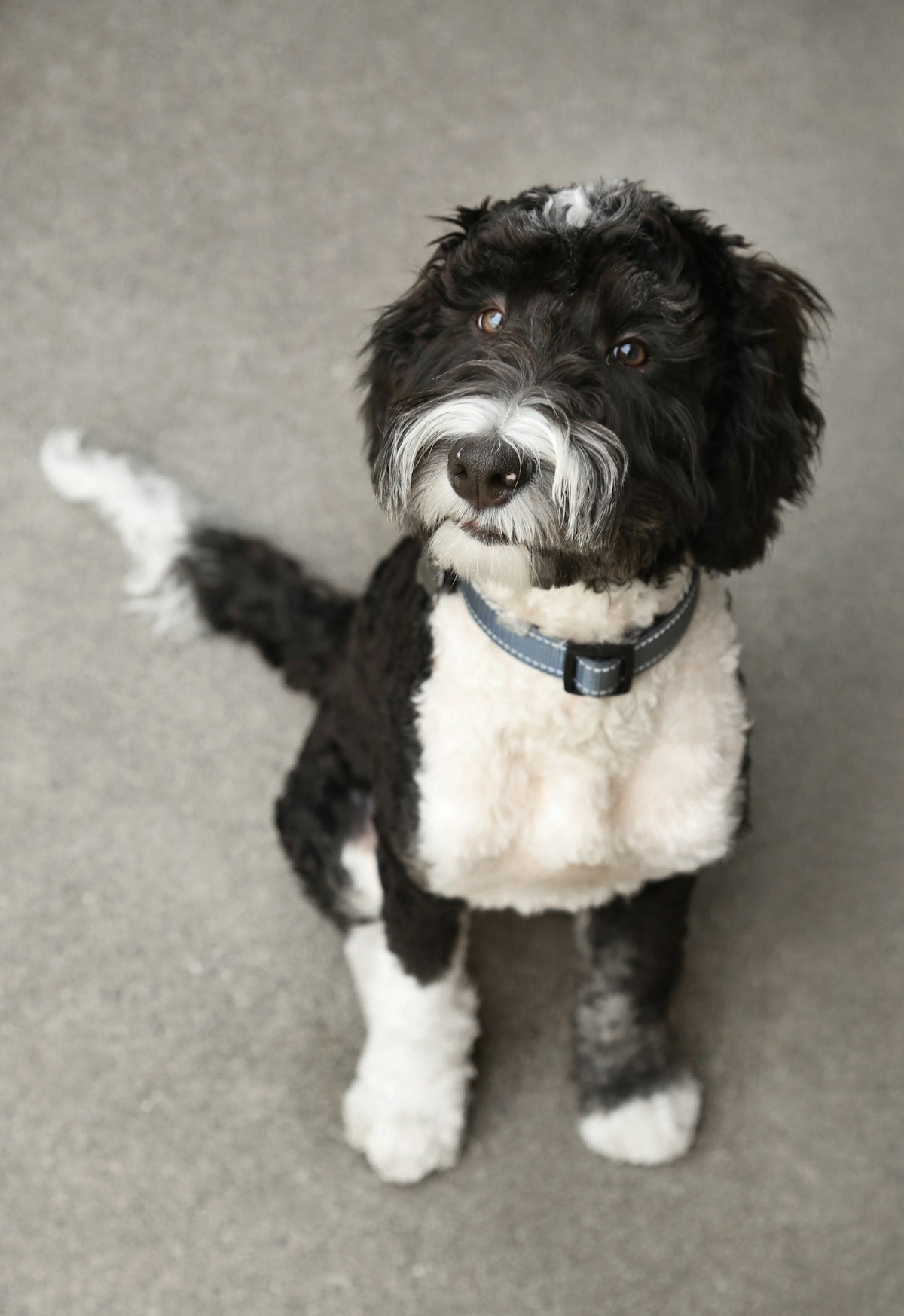
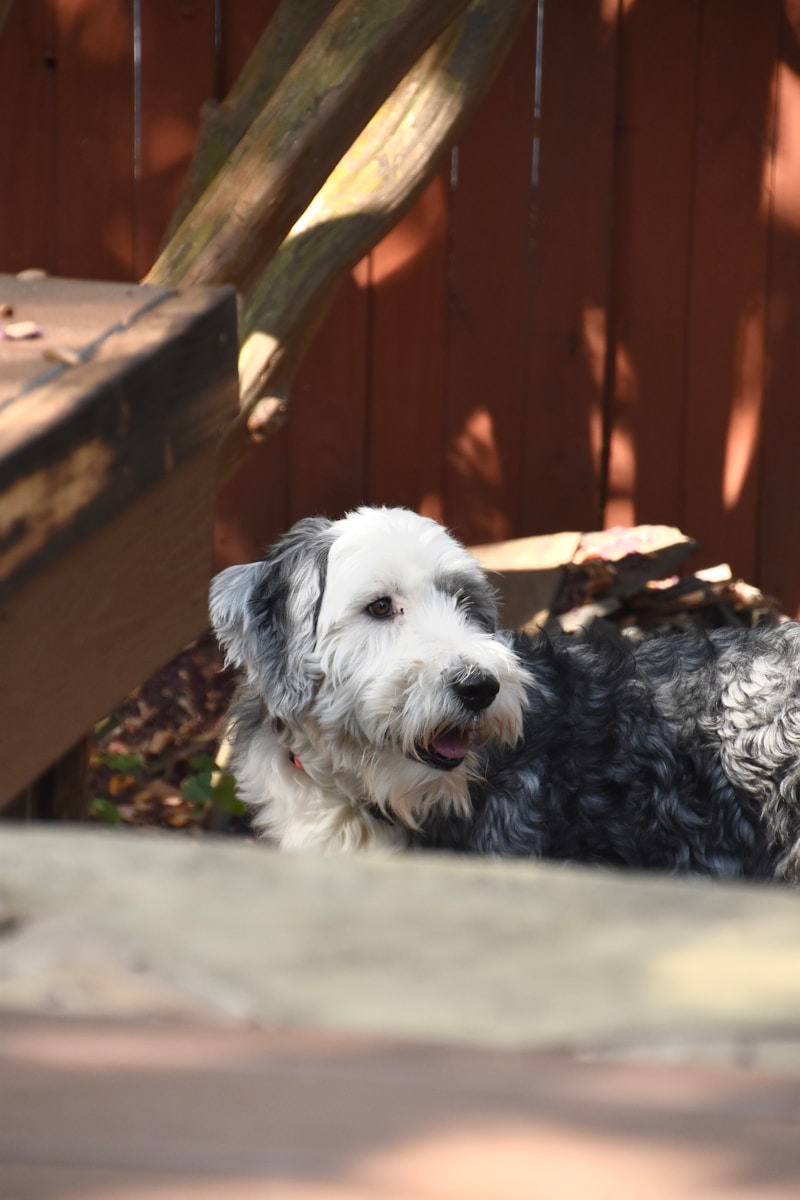
    Sheepadoodle dog during nail trim session

    A simple listening test — nails clicking on hard flooring — is a reliable sign it’s time for a trim.

    Step-by-Step Nail Trimming Technique

    1. Hold the paw gently but firmly, thumb on the pad and forefinger on top, pushing slightly to extend the nail.
    2. Clip only the tip, straight across, in small increments rather than one big cut.
    3. Watch the cross-section as you go. On light-colored nails, stop once you see a pink center starting to appear. On dark nails, stop at the first sign of a whitish, chalky ring.
    4. Take breaks if your dog gets anxious. Several short sessions beat one stressful long one, especially with puppies still learning the process.

    According to the American Kennel Club, trimming a small amount at a time and backing off frequently is the safest approach, particularly for anyone still building confidence with the process.

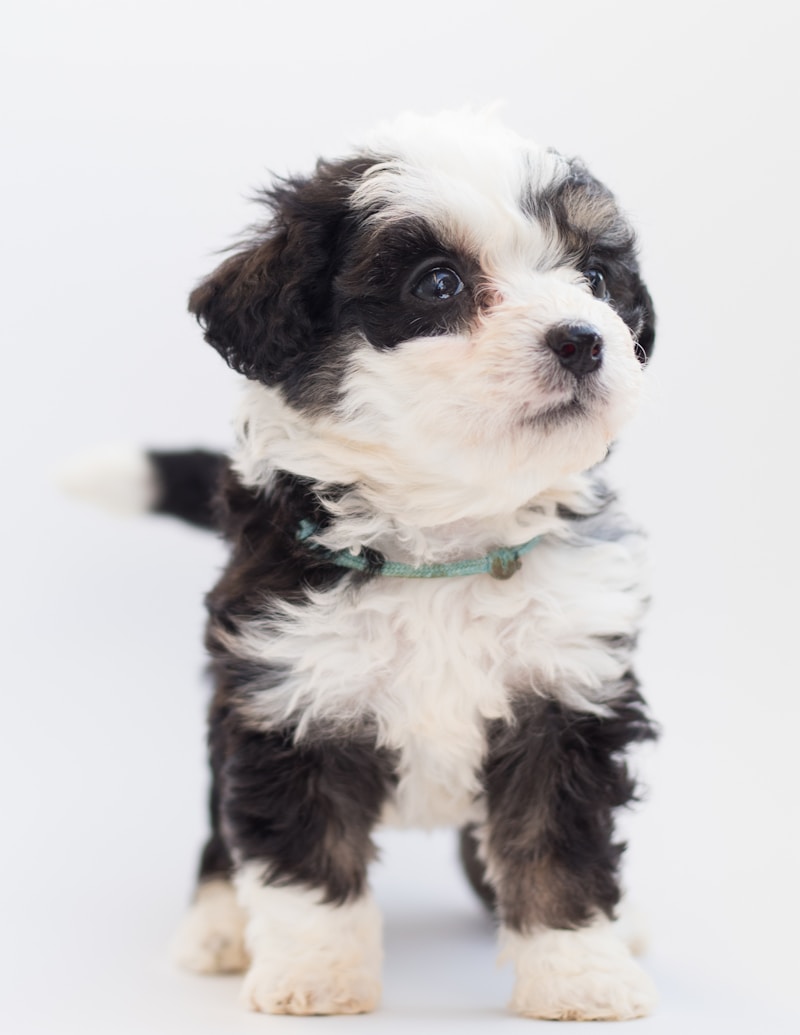
    Sheepadoodle puppy paw care

    Short, low-stress sessions work better than one long trimming appointment, especially for puppies.

    Avoiding the Quick (And What to Do If You Cut It)

    The quick is the blood vessel running through the center of the nail. Cutting into it hurts and bleeds, though it isn’t a medical emergency. If it happens:

    • Apply styptic powder directly to the tip to stop bleeding quickly.
    • No styptic powder on hand? Cornstarch or flour pressed firmly against the nail works as a temporary substitute.
    • Stay calm. Dogs pick up on handler stress, and a calm response helps prevent nail trims from becoming a dreaded event.

    Protecting Paws from Hot Texas Pavement

    This matters more here than in most climates. According to PetMD, asphalt can reach roughly 135°F when the air temperature is only 86°F — hot enough to burn paw pads in minutes.

    The seven-second pavement test
    TestResult
    Hold the back of your hand on the pavement for 7 secondsComfortable the whole time → safe for paws
    Same testToo hot to hold → too hot for paw pads
    • Walk during cooler hours, early morning or evening, during Texas summers.
    • Stick to grass or shade when pavement walking isn’t avoidable.
    • Consider dog boots for consistently hot-weather walking, giving your dog time to adjust before relying on them.
    • Use paw wax as an added layer of protection for regular pavement walkers.
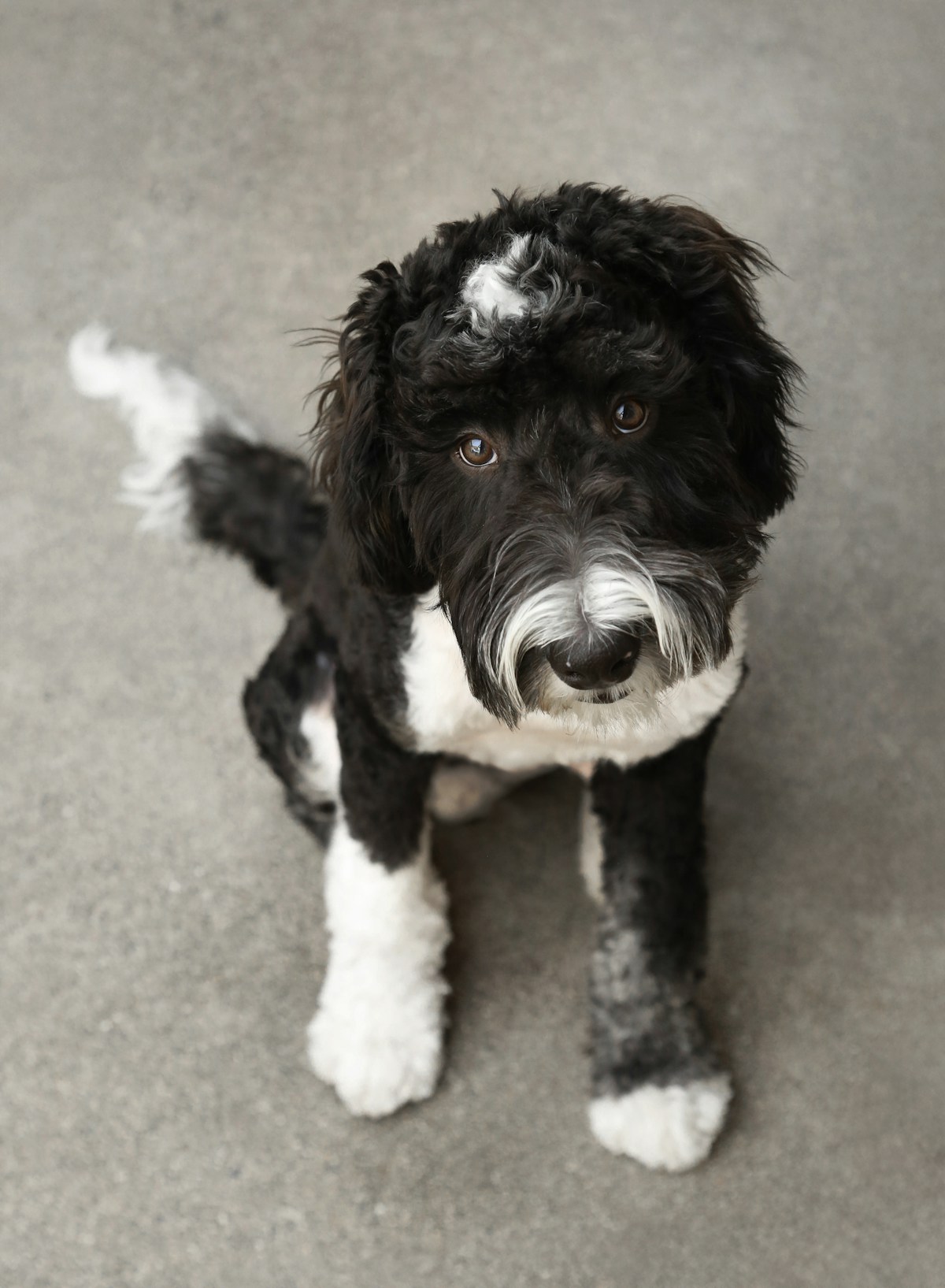
    Sheepadoodle dog nail care routine

    Early morning or evening walks help avoid the hottest pavement temperatures during Texas summers.

    Signs of Paw Pad Damage

    • Limping or reluctance to walk on a specific surface.
    • Excessive licking or chewing at the paws.
    • Visible blistering, redness, or darkened skin on the pad.
    • Cracked or peeling pad surface.

    Suspected burns warrant a same-day veterinary visit — they can become infected without proper cleaning and care. In the meantime, rinse the affected paw with cool (not cold) water and keep your dog off the injured foot as much as possible until you can be seen.
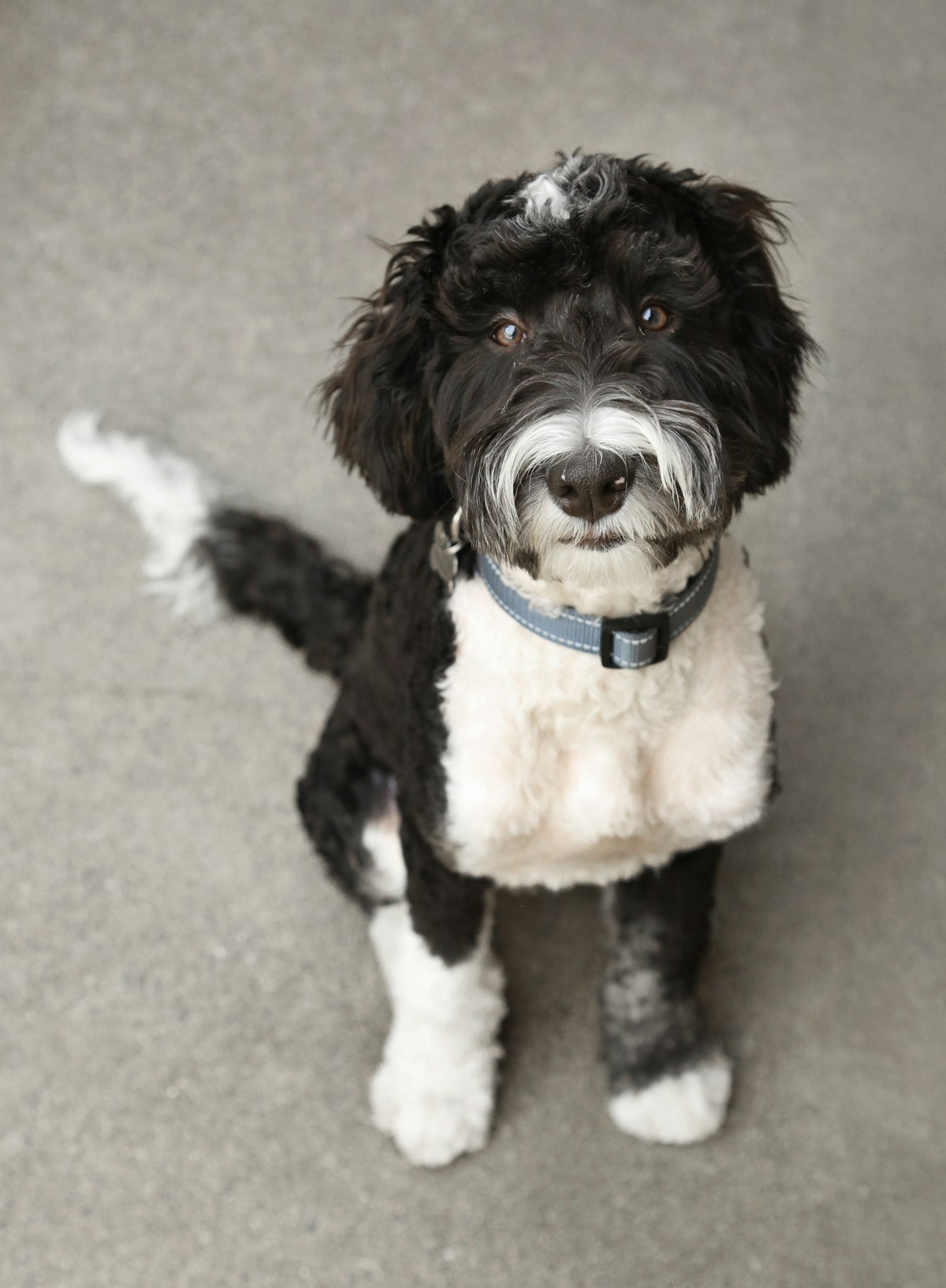
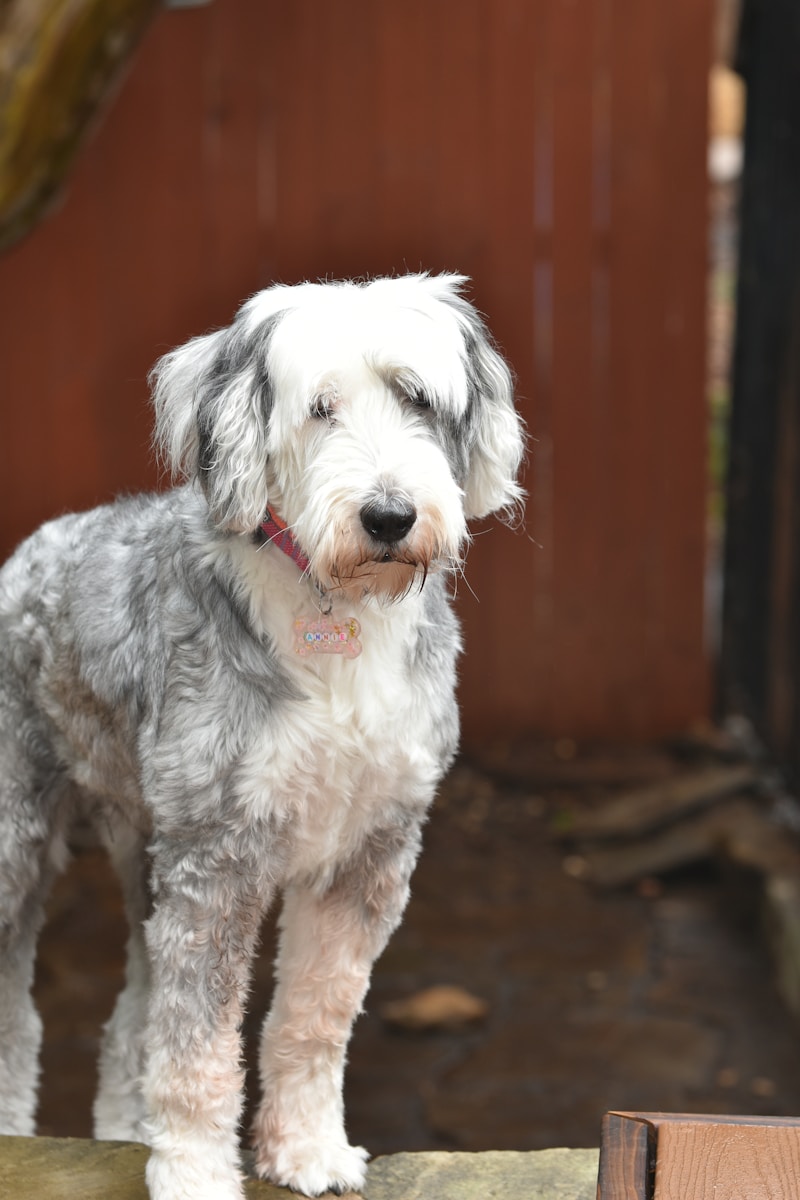
    Sheepadoodle dog with healthy paws standing

    Healthy paw pads should be smooth and free of cracking, blistering, or discoloration.

    Keeping Paws Healthy Between Trims

    Moisturizing paw pads with a dog-safe balm keeps them pliable and more resistant to cracking, particularly useful before long walks. Gradual conditioning on rougher surfaces, starting with short walks and building up, can also naturally toughen pads over time for dogs that aren’t used to regular pavement exposure.

    Trimming excess fur between the paw pads is worth folding into the same routine, since long hair there can trap debris, ice, or moisture and contribute to slipping on smooth floors. This is a quick addition to a regular grooming session rather than a separate task.
    Sheepadoodle dog paw outdoors

    Gradual conditioning and regular moisturizing both help paw pads stay resilient over time.

    Questions About Grooming or Paw Care?

    We’re happy to talk through what to expect for your specific puppy.

    Contact Sunshine Sheepadoodles

    Frequently Asked Questions

    How do I know if my Sheepadoodle’s nails are too long?

    If you can hear clicking on hard floors, or the nails touch the ground when your dog stands normally, they’re due for a trim.

    What should I do if I cut the quick?

    Apply styptic powder to stop the bleeding, or use cornstarch or flour as a temporary substitute. Stay calm to avoid making future trims stressful for your dog.

    How hot does pavement need to be before it’s unsafe for dog paws?

    Use the seven-second rule: if you can’t comfortably hold the back of your hand on the pavement for seven seconds, it’s too hot for your dog’s paw pads.

    Do dog boots actually help protect paws?

    Yes, when properly fitted and introduced gradually. Most dogs need time to adjust to wearing boots before they’re useful for consistent hot-weather protection.

    For overall coat and grooming routine, see our Sheepadoodle grooming guide, and review our exercise and enrichment guide for more on exercising safely in Texas heat.
  • Sheepadoodle Skin & Allergy Care: Causes, Symptoms & Solutions

    Sheepadoodle Skin & Allergy Care: Causes, Symptoms & Solutions

    Sheepadoodle Guide · Sunshine Sheepadoodles

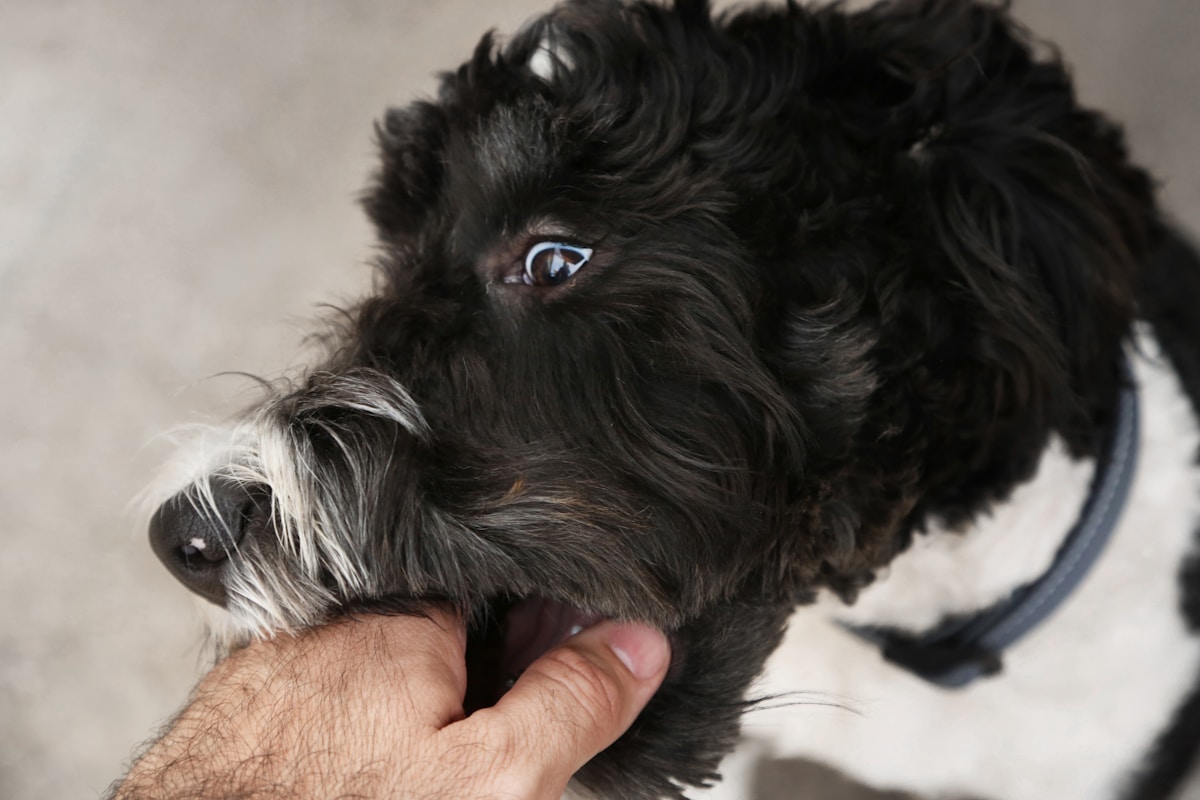
    Sheepadoodle dog getting skin checked during petting

    Persistent scratching, paw licking, or recurring skin irritation isn’t just an annoyance — it’s usually a sign of something specific worth identifying. Here’s how to tell food allergies apart from environmental ones, what actually causes most skin issues in this breed, and when it’s time for a vet.

    Why Skin Issues Show Up in Doodle Mixes

    A dense double coat, like the one Sheepadoodles inherit from the Old English Sheepdog side, traps moisture, debris, and allergens against the skin more than a short, single coat would. Combined with genuinely common allergy tendencies in both parent breeds, this makes proactive skin monitoring more relevant for this breed than for some others.

    None of this means a Sheepadoodle is destined for skin problems. Most live comfortably with routine grooming and no chronic issues at all. It simply means catching early warning signs matters more here than in a short-coated, allergy-resistant breed.

    Food Allergies vs. Food Sensitivities

    Food allergy vs. food sensitivity comparison
    CategoryFood AllergyFood Sensitivity
    MechanismTrue immune responseSlower digestive/skin reaction, not immune-driven
    Common SignsHives, facial swelling, itchinessChronic ear/paw infections, GI upset, itchiness
    OnsetCan appear quicklyOften gradual, harder to pinpoint
    Common TriggersChicken, beef, dairy, wheatVaries; often the same common proteins

    Both usually respond to the same diagnostic approach: an elimination diet under veterinary guidance, systematically removing and reintroducing ingredients to identify the actual trigger. This process typically takes 8 to 12 weeks to complete properly, so patience matters more than speed if you’re trying to pin down a food-related trigger.

    Sheepadoodle puppy during allergy check

    Paws and ears are the most commonly affected areas for both food allergies and sensitivities.

    Environmental (Seasonal) Allergies

    According to the Merck Veterinary Manual, atopic dermatitis — allergic reactions to environmental triggers like pollen, dust mites, and mold — affects roughly 30% of dogs in the U.S. Unlike food allergies, these often show a seasonal pattern, flaring during specific times of year tied to local pollen or mold cycles.

    In Texas specifically, cedar season (typically December through February) and spring/fall pollen surges are common trigger windows worth watching for if your dog’s symptoms seem to follow a seasonal pattern. Keeping a simple symptom log noting when flare-ups happen can help you and your vet spot a seasonal pattern faster than relying on memory alone.

    Sheepadoodle puppy held for coat and skin check

    Environmental allergies often follow a seasonal pattern tied to local pollen and mold cycles.

    Signs of a Skin Problem

    • Persistent scratching, licking, or chewing, especially at paws, ears, or the belly.
    • Redness, rashes, or hot spots anywhere on the body.
    • Recurring ear infections that don’t fully resolve between treatments.
    • Hair loss or thinning in specific areas.
    • Head shaking combined with visible skin irritation.
    Sheepadoodle puppy showing healthy skin

    Catching subtle skin changes early makes treatment considerably simpler than waiting for symptoms to worsen.

    Common Triggers

    Common allergy and irritation triggers
    CategoryCommon Triggers
    FoodChicken, beef, dairy, wheat, soy
    EnvironmentalPollen, dust mites, mold, grass
    ContactCertain shampoos, fabrics, cleaning products
    ParasiticFleas (even a single bite can trigger reaction in sensitive dogs)

    Treatment Options

    According to the American Kennel Club, most canine allergy treatment plans are multi-modal, combining several approaches rather than relying on one fix:

    • Dietary changes, including limited-ingredient or novel-protein diets for suspected food triggers.
    • Omega-3 fatty acid supplements, which can support skin barrier health.
    • Medicated shampoos or topical treatments for localized irritation.
    • Anti-itch medications, prescribed for more significant flare-ups.
    • Allergen-specific immunotherapy, the only treatment that can meaningfully change the immune response over time, for chronic environmental allergies.
    Sheepadoodle dog coat condition check outdoors

    Most effective allergy treatment plans combine several approaches rather than relying on a single fix.

    When to See a Vet vs. a Veterinary Dermatologist

    Start with your regular veterinarian for any new or persistent skin issue. If symptoms don’t improve with standard treatment, recur frequently, or seem resistant to multiple approaches, ask for a referral to a veterinary dermatologist, who can run more specific allergy testing and offer treatments like immunotherapy that general practices don’t typically provide.

    Healthy sheepadoodle dog with good skin outdoors

    A referral to a veterinary dermatologist is worth pursuing when standard treatment isn’t resolving persistent symptoms.

    Reducing Flare-Ups Between Treatments

    Beyond active treatment, a few habits help minimize allergen exposure day to day. Regular bathing with a vet-recommended shampoo removes pollen and allergens that settle on the coat after outdoor time. Wiping paws after walks, especially during high-pollen seasons, keeps allergens from being tracked and licked off indoors.

    Washing bedding frequently and vacuuming carpeted areas regularly also reduces the dust mite and dander buildup that can compound symptoms in a dog already dealing with skin sensitivity. None of these steps replace veterinary treatment, but they meaningfully reduce the overall allergen load your dog is managing.

    Questions About Coat or Skin Health?

    We’re happy to talk through what to expect for your specific puppy’s coat type.

    Contact Sunshine Sheepadoodles

    Frequently Asked Questions

    How do I know if my Sheepadoodle has a food allergy or environmental allergy?

    Food allergies often come with GI symptoms and aren’t tied to a specific season, while environmental allergies frequently flare during particular times of year. An elimination diet trial can help distinguish between the two.

    What’s the most common food allergen for dogs?

    Chicken, beef, dairy, and wheat are among the most commonly reported triggers, though any protein source can potentially cause a reaction in an individual dog.

    Can seasonal allergies be cured?

    Not cured, but they can often be well managed. Allergen-specific immunotherapy is currently the only treatment that can meaningfully change the underlying immune response rather than just treating symptoms.

    Is it normal for a Sheepadoodle to lick its paws sometimes?

    Occasional licking is normal, but frequent, persistent paw licking is a common early sign of allergies and worth mentioning to your veterinarian if it becomes a regular pattern.

    For related grooming and ear care, see our Sheepadoodle grooming guide and ear care guide, and review our feeding guide if you suspect a food-related trigger.

  • Traveling with a Sheepadoodle: Car Rides, Road Trips & Flying

    Traveling with a Sheepadoodle: Car Rides, Road Trips & Flying

    Sheepadoodle Guide · Sunshine Sheepadoodles

    Sheepadoodle puppy in travel carrier ready for road trip

    Sheepadoodles generally make great travel companions once they’re used to it — adaptable, people-focused, and happy wherever their family is. Getting there takes some preparation, though, especially for a breed that often lands on the larger side.

    Whether you’re planning a weekend road trip or considering air travel, a little upfront planning makes the difference between a stressful ordeal and a genuinely smooth trip for everyone involved, dog included.

    Getting Your Puppy Comfortable with Car Rides

    Start small and build up gradually rather than jumping straight into a long drive. Take short trips around the block first, pairing car time with something positive like a treat or a favorite toy. Slowly extend the length of each ride as your puppy shows they’re relaxed, not stressed.

    According to the ASPCA, prepping for a longer trip with a series of gradually longer drives makes a real difference in how well a dog handles an eventual road trip.

    Sheepadoodle puppy prepared for car ride travel

    Short, positive car rides before a big trip help build genuine comfort rather than tolerance.

    Car Safety: Crate vs. Harness

    Car restraint options compared
    OptionProsCons
    CrateMost protective in a crash; familiar, secure spaceTakes up significant space in standard-sized dogs
    Seatbelt harnessCompact, allows dog to see out the windowLess crash protection than a secured crate
    Booster seatGood for smaller sizes; keeps dog visible and secureBest suited to mini/micro sizes, not standard

    According to the American Kennel Club, a crate should be secured so it can’t slide or shift during sudden stops, and should be roomy enough for your dog to stand, turn around, and lie down comfortably — a real consideration for a standard-sized Sheepadoodle in a smaller vehicle.

    Road Trip Essentials & Rest Stop Schedule

    • Stop every 2 to 3 hours for a bathroom break, water, and a chance to stretch.
    • Avoid feeding right before departure — wait at least an hour after eating before driving.
    • Never leave your dog alone in a parked car, especially in Texas heat, even briefly.
    • Bring a familiar blanket or bed to make rest stops and overnight stays feel more settled.
    • Pack more water than you think you need, particularly for summer travel.
    Alert sheepadoodle dog ready for travel rest stop

    Regular rest stops every 2 to 3 hours keep a road trip comfortable for dogs of any size.

    Motion Sickness: Prevention Tips

    Car sickness is more common in puppies, partly because the inner ear structures responsible for balance aren’t fully developed yet. A few strategies that genuinely help:

    • Position your dog to see out the window. Dogs who can visually track motion tend to feel less nauseated than ones who can’t.
    • Keep the car calm and quiet, with soft music rather than loud noise or sudden stops.
    • Ask your vet about ginger. Some evidence suggests a small amount can ease nausea similarly to over-the-counter motion sickness remedies, though it’s not appropriate for every dog, so check first.
    • Avoid a full stomach before driving, without withholding water.
    Sheepadoodle dog walking in field during travel stop

    Positioning a dog to see out the window can meaningfully reduce motion sickness during car travel.

    Flying with a Sheepadoodle: What to Know

    This is worth knowing before you book a flight: most major airlines restrict in-cabin pets to roughly 15 pounds or less, which rules out standard and often even medium Sheepadoodles entirely unless traveling as a documented service animal. A mini or micro Sheepadoodle may fit under-seat size requirements depending on the specific airline, but it’s worth measuring your dog against exact carrier dimensions before assuming.

    Standard-sized dogs typically need to fly as checked cargo (which carries real risks worth researching carefully) or through newer semi-private pet-focused charter services that have emerged specifically for larger dogs. Contact your airline directly to confirm current policy before booking, since requirements change and vary significantly by carrier.

    If flying isn’t essential, driving remains the far more predictable and lower-stress option for a standard-sized Sheepadoodle, especially for trips under 12 to 15 hours. It also avoids the temperature and handling risks that can come with cargo transport, which matters more for a breed carrying the dense double coat this one does.

    Sheepadoodle dog portrait ready for travel

    Standard-sized Sheepadoodles typically exceed in-cabin weight limits, making car travel the more practical option for most trips.

    Packing Checklist for Travel

    • Food and water bowls, plus enough food for the full trip (sudden diet changes can upset digestion)
    • Leash, harness, and a backup collar with ID tags
    • Copies of vaccination records, especially for interstate travel or boarding
    • Familiar bedding or a favorite toy
    • Waste bags and any grooming essentials for longer trips
    • A basic pet first-aid kit

    Pack a day or two before departure rather than the morning of, so you have time to notice anything missing without the added pressure of a departure deadline. A checklist you reuse for every trip makes this faster each time.

    Sheepadoodle puppy packed and ready for travel checklist

    A little preparation before you leave makes travel days go far more smoothly for everyone.

    Questions Before Your Next Trip?

    We’re happy to talk through travel tips specific to your puppy’s age and temperament.

    Contact Sunshine Sheepadoodles

    Frequently Asked Questions

    Can a standard Sheepadoodle fly in the cabin?

    Generally no. Most airlines cap in-cabin pets around 15 pounds, which excludes standard and most medium Sheepadoodles unless traveling as a documented service animal.

    How do I stop my Sheepadoodle puppy from getting car sick?

    Position them to see out the window, avoid feeding right before travel, keep the car calm, and ask your vet about ginger as a natural aid. Gradual exposure to car rides also helps over time.

    Is a crate or harness safer for car travel?

    A properly secured crate generally offers the most crash protection, though a quality seatbelt harness is a reasonable alternative when a crate isn’t practical for the vehicle or trip.

    How often should I stop during a road trip with my dog?

    Roughly every 2 to 3 hours for a bathroom break, water, and a chance to stretch, similar to recommendations for traveling with young children.

    For more on getting your puppy comfortable away from home, see our separation anxiety guide, and review our exercise and enrichment guide for keeping your dog engaged on the road.

  • Sheepadoodle vs. Cavapoo: Which Doodle Is Right for You?

    Sheepadoodle vs. Cavapoo: Which Doodle Is Right for You?

    Sheepadoodle Guide · Sunshine Sheepadoodles

    Sheepadoodle dog compared to Cavapoo breed size and temperament

    Sheepadoodles and Cavapoos might both be Poodle mixes, but they’re built for genuinely different lives. One is a companion-sized lap dog, the other a family-sized shaggy sheepdog. If you’re weighing these two specifically, the differences run deeper than looks.

    It’s a comparison that comes up often precisely because both breeds share a reputation for being affectionate, low-shedding, and family-friendly. The real decision usually comes down to size, space, and a health consideration specific to one breed’s ancestry that’s worth understanding upfront.

    Sheepadoodle vs. Cavapoo: At a Glance

    Sheepadoodle vs. Cavapoo comparison
    CategorySheepadoodle (Standard)Cavapoo
    Non-Poodle ParentOld English SheepdogCavalier King Charles Spaniel
    Weight55–85+ lbs9–25 lbs
    Height20–27 in9–14 in
    Typical Lifespan10–13 years12–15 years
    Energy LevelHigh, herding-instinct drivenHigh but companion-focused
    Best FitHouses with yard accessApartments and smaller spaces

    Size: The Biggest Difference

    This is where the two breeds diverge most dramatically. A standard Sheepadoodle can weigh 55 to 85+ pounds, while a Cavapoo typically tops out around 25 pounds — a micro Sheepadoodle is actually the closer size match to a Cavapoo, not the standard version most people picture.

    If size is your primary concern, comparing a Cavapoo to a micro or toy Sheepadoodle is a more apples-to-apples comparison than comparing it to a standard. Our size guide breaks down each Sheepadoodle size class in more detail if you’re weighing this specifically.

    Cavapoo dog with tan and white curly coat showing small companion size

    Cavapoos are a genuinely small companion breed, closer in size to a micro Sheepadoodle than a standard one.

    Temperament Differences

    Cavapoos are typically described as fun-loving, high-energy, and deeply people-focused, drawing on the Cavalier’s famously affectionate lap-dog nature. Sheepadoodles tend to run more relaxed as adults, with a protective, watchful streak inherited from the Old English Sheepdog’s herding background.

    Both breeds bond closely with family and can be prone to separation anxiety, so neither is a great fit for households that need a dog comfortable being alone for long stretches.

    Sheepadoodle dog showing calm protective temperament outdoors

    Sheepadoodles tend to settle into a calmer, more watchful adult temperament than the typically bubbly Cavapoo.

    Apartment & Space Considerations

    Cavapoos are generally the better choice for apartment living — their small size, moderate exercise needs, and quieter nature make them well-suited to smaller spaces. Standard Sheepadoodles genuinely need more room to move and are a better match for a house with yard access, though mini and micro sizes can adapt reasonably well to apartment life too.

    The Cavalier Heart Health Consideration

    This is one of the most important, and least discussed, differences between these two breeds. According to Cavalier Health, mitral valve disease (MVD) is the leading cause of death in Cavalier King Charles Spaniels, with roughly 50% showing signs by age 5 and nearly 100% affected by age 10.

    Because every Cavapoo carries Cavalier ancestry, this is a real consideration, not a rare edge case. The Universities Federation for Animal Welfare recommends annual heart screening starting at age one for Cavalier-descended dogs. Ask any Cavapoo breeder directly about cardiac screening on the parent dogs — it matters more for this specific cross than almost any other health question you could ask.

    Cavapoo puppy with tan curly coat, breed with Cavalier heart health considerations

    Cavalier-descended dogs, including Cavapoos, carry a well-documented predisposition to mitral valve disease.

    Grooming & Lifespan

    Both breeds need regular grooming, though a Cavapoo’s smaller coat area generally means shorter, less expensive grooming sessions than a standard Sheepadoodle’s. Cavapoos also tend to live slightly longer on average, partly reflecting their smaller size, though the heart health consideration above can offset some of that longevity advantage for individual dogs.

    Professional grooming frequency is similar for both breeds, typically every 6 to 8 weeks, but expect a noticeably shorter appointment and lower cost for a Cavapoo simply due to less surface area to work with.

    Sheepadoodle dog grey and white coat requiring regular grooming

    Grooming frequency is similar between the breeds, though a Sheepadoodle’s larger coat area means longer sessions.

    Training & Mental Stimulation

    Both breeds are intelligent and generally eager to please, drawing on shared Poodle genetics. Cavapoos, with their strong companion-dog focus, often respond exceptionally well to positive reinforcement and thrive on close interaction during training sessions. Sheepadoodles are equally trainable but can show more independence, particularly around herding-driven behaviors like nipping or chasing during puppyhood.

    Neither breed does well with harsh correction-based methods. Both respond best to short, consistent, reward-based sessions that lean into their natural desire to please their people.

    Sheepadoodle puppy during training session showing intelligence

    Both breeds respond well to positive reinforcement, though Sheepadoodles can show more independence during training.

    Which One Fits Your Lifestyle?

    Consider a Sheepadoodle If

    • You have a house with yard access
    • You want a larger, more substantial family dog
    • You’re drawn to the classic shaggy sheepdog look

    Consider a Cavapoo If

    • You live in an apartment or smaller space
    • You want a true companion-sized lap dog
    • You’ve researched Cavalier heart health and are comfortable with it

    Meet a Sheepadoodle in Person

    The best way to know if this breed’s size and energy fit your household is to spend time with one. See our current litters and reach out with questions.

    View Available Puppies

    Frequently Asked Questions

    Is a Cavapoo or Sheepadoodle better for apartments?

    A Cavapoo is generally the better apartment fit given its small size, though mini and micro Sheepadoodles can also adapt reasonably well with enough daily exercise.

    Why do Cavapoos need heart screening?

    Cavapoos inherit Cavalier King Charles Spaniel ancestry, a breed with a very high prevalence of mitral valve disease. Annual heart screening starting around age one is commonly recommended for early detection.

    Are Sheepadoodles too big for a Cavapoo-sized home?

    Standard Sheepadoodles generally need more space than a typical Cavapoo home provides, but micro or toy Sheepadoodles can be a closer size match if you love the breed but have limited space.

    Which breed is calmer, a Sheepadoodle or a Cavapoo?

    Sheepadoodles tend to settle into a calmer adult temperament, while Cavapoos often maintain a more consistently bubbly, high-energy personality throughout their lives.

    Curious how Sheepadoodle size compares across categories? See our Sheepadoodle size guide, or explore our Sheepadoodle vs. Labradoodle comparison for another option.

  • Sheepadoodle Puppy Vaccination Schedule & First Vet Visits

    Sheepadoodle Puppy Vaccination Schedule & First Vet Visits

    Sheepadoodle Guide · Sunshine Sheepadoodles

    Sheepadoodle puppy at first vet visit for vaccination schedule

    Vaccination schedules can feel confusing fast, especially once you start seeing different timelines from different sources. Here’s the standard schedule most vets follow, an alternative minimal protocol worth knowing about, and what to actually expect at your puppy’s first vet visits.

    Every breeder and veterinarian approaches this topic a little differently, and reasonable people land in different places on the standard-versus-minimal question. What matters most is understanding the options well enough to make an informed choice alongside your own veterinarian, rather than defaulting to whatever schedule you happen to see first online.

    Standard Puppy Vaccination Timeline

    Typical puppy core vaccination schedule
    AgeWhat Typically Happens
    6–8 weeksFirst core vaccine dose (often combination DHPP)
    9–11 weeksSecond dose to strengthen immune response
    12–14 weeksThird dose as maternal antibodies continue to wane
    16 weeks or laterFinal core dose, plus rabies vaccine

    Current AAHA canine vaccination guidelines recommend the final core dose land at 16 weeks or later, since leftover maternal antibodies can otherwise block an earlier dose from working effectively.

    Sheepadoodle puppy receiving core vaccination at veterinary visit

    Multiple doses spaced weeks apart account for waning maternal antibodies during early puppyhood.

    Core vs. Non-Core (Lifestyle) Vaccines

    • Core vaccines (distemper, hepatitis, parvovirus, parainfluenza, rabies) are recommended for essentially all dogs regardless of lifestyle.
    • Non-core or “lifestyle” vaccines (Bordetella, canine influenza, Lyme disease, leptospirosis) depend on your specific risk factors — daycare or boarding exposure, regional tick prevalence, or travel.

    Your veterinarian is the right person to determine which non-core vaccines make sense based on where you live and how your dog spends time.

    The Dr. Jean Dodds Minimal Vaccine Protocol

    Some breeders and owners follow an alternative, more conservative approach developed by Dr. Jean Dodds of Hemopet. This protocol favors fewer vaccine doses spaced further apart, followed by titer testing (blood tests measuring existing immunity) rather than automatic boosters every year once a dog reaches adulthood.

    We follow Dr. Dodds’ protocol for our own puppies, prioritizing an approach designed to support a developing immune system without over-vaccinating. If you continue with this approach after bringing your puppy home, share the protocol details with your veterinarian so your dog’s ongoing schedule stays consistent.

    Not every veterinarian is equally familiar with minimal protocols, so bringing documentation to your first appointment helps keep everyone on the same page. Most vets are happy to work with an established plan as long as they understand the reasoning and timeline behind it.

    Sheepadoodle puppy raised following minimal vaccine protocol

    A minimal vaccine protocol spaces doses further apart, prioritizing a developing puppy’s immune system.

    Titer Testing: An Alternative to Automatic Boosters

    Titer testing measures a dog’s existing antibody levels for specific diseases, helping determine whether a booster is actually needed rather than administering one automatically on a fixed schedule. This approach has gained more mainstream veterinary acceptance in recent years, though practices still vary by clinic and region.

    If minimizing unnecessary vaccination is a priority for you, ask your veterinarian whether titer testing is available as an alternative to automatic annual boosters once your dog reaches adulthood.

    Adult sheepadoodle dog with titer testing instead of automatic boosters

    Titer testing checks existing immunity, helping determine whether a booster is actually necessary.

    What to Expect at Your Puppy’s First Vet Visit

    • Full physical exam, including heart, lungs, eyes, ears, teeth, and joints.
    • Weight and body condition check to establish a healthy baseline.
    • Fecal test to screen for intestinal parasites.
    • Vaccine or booster administration based on your puppy’s age and prior history.
    • Discussion of diet, training, and any specific concerns you want to raise early.

    Bring any vaccination records provided at pickup so your vet has a complete history to work from, rather than starting the schedule over unnecessarily. Keep these records somewhere easy to find, since you’ll likely need them again for boarding, daycare, or grooming appointments down the road.

    Building a Relationship with Your Vet

    Choosing a veterinarian before you need one urgently makes a real difference. Look for a practice that’s comfortable discussing your preferred vaccine approach, whether standard or minimal protocol, without dismissing your questions. A good working relationship established early makes every future visit, routine or urgent, considerably smoother.

    Adult sheepadoodle dog with established veterinary relationship

    An established relationship with a trusted veterinarian pays off well beyond just the puppy vaccination schedule.

    Vaccinations Beyond Puppyhood

    The conversation doesn’t end once initial puppy vaccines are complete. Depending on which protocol you follow, adult dogs typically need either annual or triennial boosters (or titer testing in place of boosters), plus ongoing lifestyle vaccine decisions as your dog’s activities change over time.

    A dog that starts frequenting dog parks or boarding facilities later in life may need vaccines that weren’t necessary as a puppy. Revisit your vaccine plan with your vet periodically rather than assuming the puppy schedule is the last conversation you’ll need to have.

    Sheepadoodle dog with ongoing vaccination care as lifestyle changes

    Vaccine needs can shift as your dog’s lifestyle changes, so revisit the plan periodically rather than setting it once.

    Questions About Our Vaccination Approach?

    We’re happy to walk through exactly what’s been done before your puppy comes home.

    Contact Sunshine Sheepadoodles

    Frequently Asked Questions

    What vaccines does my Sheepadoodle puppy need before going home?

    This varies by age at pickup and the specific protocol followed. We’re happy to share exactly what’s been administered and when for your specific puppy, so you and your vet can plan the remaining schedule.

    Is the minimal vaccine protocol safe?

    Many veterinarians consider it a reasonable, evidence-informed approach, particularly Dr. Jean Dodds’ protocol, which is widely referenced in veterinary circles. Discuss the specifics with your own veterinarian to confirm it fits your dog’s individual needs.

    What is a titer test?

    A titer test is a blood test that measures existing antibody levels for specific diseases, helping determine whether a booster vaccine is actually necessary rather than giving one automatically.

    When should I schedule my puppy’s first vet visit?

    Ideally within the first few days of bringing your puppy home, both to continue their vaccination schedule and to establish a baseline health record with your chosen veterinarian.

    For more on what’s done before your puppy goes home, see our guide on how to reserve a puppy, and review our lifespan and health guide for broader health considerations.

  • Sheepadoodle Ear Care: Preventing Infections in Floppy, Hairy Ears

    Sheepadoodle Ear Care: Preventing Infections in Floppy, Hairy Ears

    Sheepadoodle Guide · Sunshine Sheepadoodles

    Sheepadoodle dog with floppy hairy ears prone to infection

    Sheepadoodle ears are adorable and, unfortunately, exactly the shape and texture that veterinarians associate with higher infection risk. Floppy, hair-covered, and prone to trapping moisture — here’s how to actually keep them healthy, including a grooming debate that’s shifted in recent years.

    Why Sheepadoodles Are Prone to Ear Infections

    Several factors stack up against this breed’s ears specifically. Floppy ear flaps block airflow into the canal. Poodle-influenced ear hair adds another layer trapping moisture and debris. And a naturally warm, dark ear canal is exactly the environment yeast and bacteria thrive in.

    None of this means infections are inevitable — it means a proactive routine matters more for this breed than for a prick-eared, short-haired dog. Puppies with mostly hairless ear canals at a young age often develop more hair coverage as their adult coat comes in, so ear care needs can genuinely increase as your Sheepadoodle matures.

    Signs of an Ear Infection

    • Head shaking or scratching at the ears more than usual.
    • Redness or swelling visible inside the ear flap.
    • Foul odor coming from the ear.
    • Dark discharge or visible debris in the canal.
    • Sensitivity to touch around the ear area, or tilting the head to one side.

    Any of these signs warrant a veterinary check rather than waiting to see if it resolves on its own — untreated ear infections can become painful and considerably harder to treat.
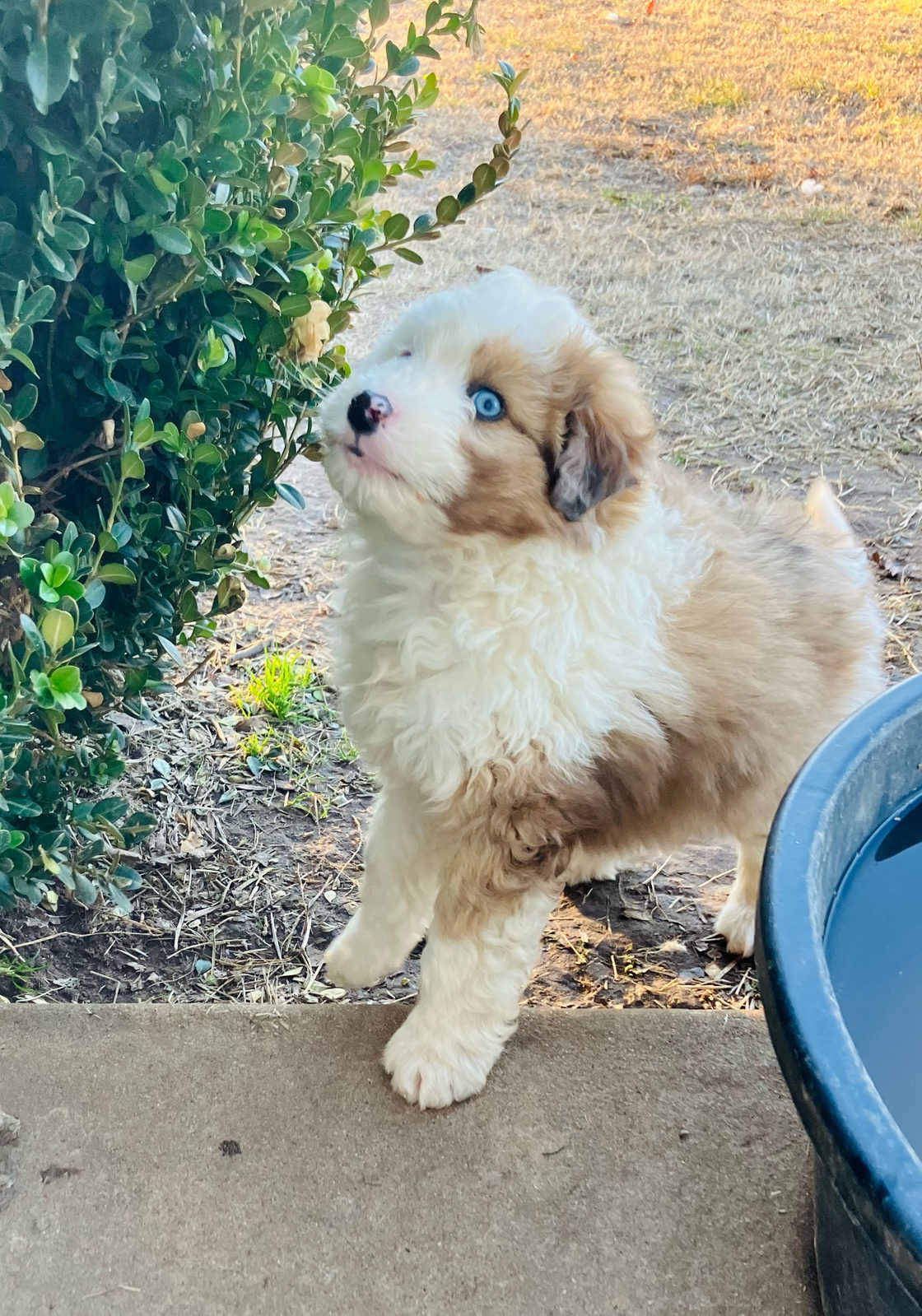
    Sheepadoodle dog getting ears checked for infection signs

    Head shaking, redness, or odor are all signs worth a veterinary check rather than waiting it out.

    How to Clean Your Sheepadoodle’s Ears

    According to Cornell University’s College of Veterinary Medicine, proper ear cleaning technique matters as much as frequency:

    1. Use a veterinarian-approved ear cleaner, never water, alcohol, or hydrogen peroxide, which can irritate sensitive tissue.
    2. Fill the ear canal gently per the product’s instructions, then massage the base of the ear to help the solution work through debris.
    3. Let your dog shake their head — this helps bring loosened debris up and out.
    4. Wipe the visible ear canal with gauze or a soft cloth, never a cotton swab, which can push debris deeper.
    5. Dry thoroughly after cleaning, baths, or swimming, since moisture left behind is a primary driver of infection.
    Sheepadoodle puppy having ears cleaned with proper technique

    Gentle technique with the right tools matters as much as how often you clean.

    The Ear Hair Plucking Debate: What’s Changed

    For years, plucking ear canal hair was standard practice for Poodle-mix grooming. That advice has genuinely shifted. Many veterinarians and groomers now advise against routine plucking, since pulling hair from the canal can cause microscopic tears in delicate tissue — giving bacteria an easy entry point and, counterintuitively, increasing infection risk rather than preventing it.

    The current, more evidence-based approach favors trimming visible hair rather than plucking from inside the canal, keeping airflow open without the tissue trauma. Full removal is now generally reserved for cases where a veterinarian identifies a specific medical reason.

    Sheepadoodle dog with trimmed ear hair instead of plucked

    Trimming rather than plucking ear hair is the more current, evidence-based recommendation from many veterinarians.

    If your groomer routinely plucks ear hair, it’s worth asking about their approach and whether trimming instead might be a better fit — particularly for a dog with any history of ear sensitivity or infection. This is exactly the kind of question a good groomer should welcome, not one that puts them on the defensive.

    Cleaning Frequency Guide

    How often to clean Sheepadoodle ears
    SituationRecommended Frequency
    General maintenance, no history of issuesEvery 2–4 weeks
    Frequent swimmerAfter every swim
    History of ear infectionsWeekly, or as directed by your vet
    After every bathAlways dry ears thoroughly

    According to the American Kennel Club, over-cleaning can actually disrupt the ear’s natural balance and cause irritation, so more isn’t always better — match frequency to your individual dog’s needs rather than defaulting to daily cleaning.

    Common Ear Care Mistakes

    What Helps

    • Consistent, gentle cleaning on a schedule matched to your dog
    • Thorough drying after baths and swimming
    • Trimming rather than plucking canal hair
    • Prompt vet visits at the first sign of infection

    What Backfires

    • Cotton swabs, which push debris deeper into the canal
    • Over-cleaning, which can irritate healthy ear tissue
    • Ignoring mild symptoms until they become severe
    • Using human ear care products not formulated for dogs

    Most ear care mistakes come from good intentions taken too far — either avoiding cleaning altogether out of fear of hurting your dog, or over-cleaning in an effort to prevent every possible issue. A consistent, moderate routine beats both extremes.

    Sheepadoodle dog with healthy clean ears from proper care routine

    A consistent, moderate cleaning routine beats both neglect and over-cleaning for long-term ear health.

    Building Ear Checks Into Your Routine

    The easiest way to stay ahead of ear issues is folding a quick check into grooming sessions you’re already doing. While brushing your dog’s coat, take thirty seconds to glance inside each ear for redness, odor, or excess debris. Catching a problem early, before head shaking or scratching starts, often means a simpler and less expensive treatment.

    Sheepadoodle puppy having ears checked during regular grooming routine

    A quick ear check during regular grooming sessions helps catch problems early, before they become painful.

    Have Ear Care Questions?

    We’re happy to talk through what to expect for your specific puppy’s coat and ear type.

    Contact Sunshine Sheepadoodles

    Frequently Asked Questions

    Should I pluck my Sheepadoodle’s ear hair?

    Current veterinary opinion generally favors trimming over plucking, since plucking can cause microscopic tissue damage that increases infection risk rather than preventing it. Discuss your dog’s specific needs with your groomer or vet.

    How often should I clean my Sheepadoodle’s ears?

    Every 2 to 4 weeks for general maintenance, more often for frequent swimmers or dogs with a history of ear infections. Over-cleaning can also cause irritation, so match frequency to your dog’s actual needs.

    What household products are safe for cleaning dog ears?

    None are recommended as substitutes for a veterinarian-approved ear cleaner. Water, alcohol, and hydrogen peroxide can all irritate sensitive ear tissue and shouldn’t be used for routine cleaning.

    Can ear infections cause permanent damage if untreated?

    Yes, chronic or severe untreated ear infections can potentially affect hearing and balance. Prompt veterinary treatment at the first signs of infection helps prevent more serious complications.

    For overall coat and grooming routine, see our Sheepadoodle grooming guide, and review our lifespan and health guide for other breed-common considerations.

  • Sheepadoodle Teething & Puppy Biting: What to Expect and How to Help

    Sheepadoodle Teething & Puppy Biting: What to Expect and How to Help

    Sheepadoodle Guide · Sunshine Sheepadoodles

    Sheepadoodle puppy teething with chew toy

    Those needle-sharp puppy teeth aren’t a training failure on your part — they’re a normal, temporary phase every puppy goes through. Here’s the actual teething timeline, how to tell teething apart from other biting behavior, and what genuinely helps.

    Most owners find this stage more manageable once they understand it has a clear beginning, middle, and end — unlike some behavior issues, teething genuinely resolves on its own with time and the right support.

    Puppy Teething Timeline

    Sheepadoodle puppy teething timeline
    AgeWhat’s Happening
    2–3 weeksSharp baby (deciduous) teeth begin coming in
    6–8 weeksAll 28 baby teeth typically in place
    12 weeksBaby teeth start falling out, usually in the order they emerged
    4–6 monthsAdult incisors, canines, and premolars erupt
    5–7 monthsAdult molars come in last
    6–7 monthsAll 42 adult teeth typically in place; teething complete

    According to the American Kennel Club, the full teething process takes about four months from start to finish, though exact timing varies by individual puppy and can shift slightly with size. Larger-boned puppies, including standard-sized Sheepadoodles, sometimes teethe a touch later than mini or micro littermates.

    Sheepadoodle puppy showing adult teeth coming in during teething

    Adult teeth typically finish coming in by 6 to 7 months, completing the full teething process.

    Signs Your Puppy Is Teething

    • Increased chewing on furniture, shoes, or anything within reach.
    • Excessive drooling, more than usual for your puppy.
    • Small blood spots on toys from loose or falling baby teeth (usually harmless).
    • Reduced appetite or reluctance to eat hard kibble during especially sore periods.
    • Visible missing teeth or loose teeth around 3 to 4 months old.

    Why Puppies Bite

    Biting during this stage isn’t misbehavior — it’s how puppies explore the world and, critically, how they learn bite inhibition: controlling how hard they use their mouth. Puppies practice this with littermates before you ever bring them home, and continuing that lesson with appropriate feedback is part of normal development, not a sign something’s wrong.

    Puppies raised with their littermates through at least 8 weeks generally arrive with a head start on this skill, since play with siblings naturally teaches early bite pressure limits. That said, the lesson isn’t complete at that point — it continues well into the following months as adult teeth come in and jaw strength increases.

    Sheepadoodle puppy learning bite inhibition through play

    Biting and mouthing during puppyhood is how dogs naturally learn bite inhibition, not a behavior problem.

    Teething vs. Herding Nips: Telling Them Apart

    It’s worth distinguishing teething-driven mouthing from the herding-instinct nipping covered in our puppy training guide. Teething biting tends to focus on objects — anything chewable within reach — and eases once adult teeth are fully in. Herding nips tend to target moving people or other pets, especially at the heels, and are driven by instinct rather than tooth discomfort. Many puppies show both at once, which is exactly why it can feel confusing to sort out.

    How to Manage Teething Pain

    • Frozen chew toys or a wet washcloth twisted and frozen provide numbing relief for sore gums.
    • Rubber teething toys designed specifically for puppies hold up better than adult chew toys during this phase.
    • Soften kibble temporarily with warm water if your puppy seems reluctant to eat during especially sore stretches.
    • Avoid very hard chews like real bones or antlers during peak teething, which can damage sensitive emerging teeth.
    Sheepadoodle puppy with frozen chew toy for teething relief

    Frozen chew toys provide genuine numbing relief for sore gums during peak teething weeks.

    Bite Inhibition Training Techniques

    According to the ASPCA, a few consistent techniques work well for teaching bite inhibition:

    1. The “ouch” method. A sharp, high-pitched “ouch” when a bite is too hard mimics the yelp a littermate would give, helping your puppy learn how much pressure is too much.
    2. Redirect to a toy. The moment teeth touch skin, offer an appropriate chew toy instead, so the correct target becomes the automatic response.
    3. End play for a brief pause. If biting continues, calmly stop the interaction for a short moment, teaching that biting ends the fun rather than escalating it.
    4. Stay consistent across the household. Everyone interacting with the puppy should use the same response, or the lesson takes longer to stick.
    Sheepadoodle puppy redirected to appropriate chew toy during bite training

    Consistent redirection to an appropriate toy is one of the most effective bite inhibition techniques.

    What to Avoid During Teething

    What Helps

    • Consistent redirection to appropriate chew toys
    • A calm, predictable response every time
    • Frozen or specially designed teething toys
    • Patience — this phase is temporary

    What Makes It Harder

    • Yelling or physically punishing normal mouthing
    • Using your hands as play toys, which confuses the message
    • Inconsistent rules between family members
    • Very hard chews that can damage emerging adult teeth

    Physical punishment in particular tends to backfire, sometimes teaching a puppy to hide warning signs rather than actually reducing the biting itself. Consistency and redirection reliably outperform punishment-based approaches for this developmental stage.

    Sheepadoodle puppy calmly chewing appropriate toy during teething training

    Calm, consistent redirection outperforms punishment for teaching bite inhibition during this developmental stage.

    Questions About Your Puppy’s Teething Stage?

    We’re happy to talk through what to expect as your puppy grows and their adult teeth come in.

    Contact Sunshine Sheepadoodles

    Frequently Asked Questions

    At what age do Sheepadoodle puppies stop teething?

    Most puppies finish teething by 6 to 7 months old, once all 42 adult teeth are fully in place. The most intense chewing phase typically eases noticeably by 5 to 6 months.

    Is it normal to find blood spots on my puppy’s toys?

    Yes, small amounts of blood from loose or falling baby teeth are normal during teething. Persistent bleeding or visible mouth pain beyond normal chewing discomfort warrants a veterinary check.

    How do I know if biting is teething or aggression?

    Teething and normal puppy mouthing are exploratory and playful, not aggressive. True aggression is rare in puppies and typically comes with other clear warning signs; when in doubt, consult a professional trainer.

    Can I give my teething puppy a frozen carrot?

    Many owners do, and it can provide relief, but check with your veterinarian first and supervise closely to prevent choking on any pieces that break off.

    For herding-instinct nipping specifically, see our puppy training guide, and learn more about overall temperament in our Sheepadoodle temperament guide.

  • Sheepadoodle vs. Aussiedoodle: Which Doodle Is Right for You?

    Sheepadoodle vs. Aussiedoodle: Which Doodle Is Right for You?

    Sheepadoodle Guide · Sunshine Sheepadoodles

    Sheepadoodle puppy compared to Aussiedoodle breed

    Sheepadoodles and Aussiedoodles both come from herding-dog ancestry crossed with a Poodle, which means they share more DNA-driven traits with each other than either does with a Goldendoodle or Labradoodle. That shared herding background also means a few genuinely important differences worth understanding before you choose.

    Because both breeds carry herding instincts, some comparisons online treat them as nearly interchangeable. In practice, the specific herding breed behind each cross — and the genetic baggage that comes with it — makes a real, practical difference for buyers, not just a cosmetic one.

    Sheepadoodle vs. Aussiedoodle: At a Glance

    Sheepadoodle vs. Aussiedoodle comparison
    CategorySheepadoodleAussiedoodle
    Non-Poodle ParentOld English SheepdogAustralian Shepherd
    Standard Size (adult)55–85+ lbs45–70 lbs
    Mini Size (adult)25–45 lbs15–35 lbs
    Typical Lifespan10–16 years (by size)10–15 years
    Energy LevelHigh, herding-instinct drivenVery high, strong prey drive
    Merle ColoringRareCommon, defining trait
    MDR1 Drug Sensitivity RiskNot applicableReal, testable risk

    Energy Level & Temperament

    Both breeds are intelligent and can show independence during training, but Aussiedoodles generally edge out Sheepadoodles on raw energy and prey drive, reflecting the Australian Shepherd’s working ranch-dog background. Sheepadoodles are often described as more easygoing once past puppyhood, while Aussiedoodles tend to sustain higher drive and activity needs further into adulthood.

    If you want a dog that’s genuinely tireless and thrives on a job to do, an Aussiedoodle’s energy can be a great match for the right active household. If you want a slightly calmer, still-active companion, a Sheepadoodle often settles a bit more.

    Sheepadoodle puppy showing calm easygoing temperament

    Sheepadoodles are often described as settling into a slightly calmer temperament than the higher-drive Aussiedoodle.

    The MDR1 Gene: A Unique Aussiedoodle Consideration

    This is one of the most important, and least discussed, differences between these two breeds. Because every Aussiedoodle carries Australian Shepherd lineage, the MDR1 (ABCB1) gene mutation is a routine consideration, not a rare edge case. According to the Collie Rescue Foundation, dogs with this mutation can have severe, potentially life-threatening reactions to certain common medications, including some antiparasitic drugs.

    DNA testing for MDR1 status is straightforward and strongly recommended for any Aussiedoodle, so your veterinarian can avoid affected medications if the test comes back positive. Sheepadoodles, without Australian Shepherd ancestry, don’t carry this specific risk.

    If you’re set on an Aussiedoodle, ask the breeder directly whether MDR1 testing was done on the parents, and make sure your own veterinarian notes the result in your dog’s file. It’s a simple, one-time test that meaningfully reduces medication risk for the life of the dog.

    Adult sheepadoodle dog without MDR1 gene health risk

    Sheepadoodles don’t carry the Australian Shepherd-linked MDR1 drug sensitivity gene that Aussiedoodles can inherit.

    Merle Genetics in Both Breeds

    Merle coloring shows up in both breeds, but with very different prevalence. In Sheepadoodles, merle is genuinely rare, since the gene isn’t common in either parent breed. In Aussiedoodles, merle is a defining, commonly seen trait, since it’s deeply embedded in Australian Shepherd genetics.

    That higher prevalence makes responsible merle-to-merle avoidance even more important in Aussiedoodles specifically, since double merle pairings carry a well-documented risk of deafness and vision impairment. Whichever breed you’re considering, ask directly whether a merle puppy’s parents were both merle-carriers, and never accept a merle-to-merle pairing as acceptable practice.

    Aussiedoodle puppy with merle coat pattern, a common defining trait

    Merle coloring is far more common and defining in Aussiedoodles than in Sheepadoodles, where it remains rare.

    Grooming & Lifespan

    Both breeds need comparable grooming commitment — regular brushing and professional grooming every 6 to 8 weeks. Lifespan is broadly similar too, with both breeds commonly reaching 10 to 15 years depending on size, and smaller sizes in both breeds tending to live somewhat longer than standard sizes. Neither breed’s coat is meaningfully easier to maintain than the other on a week-to-week basis.

    Aussiedoodle dog with blue merle coat requiring regular grooming

    Grooming needs are broadly similar between the two breeds, regardless of coat color or pattern.

    Training & Mental Stimulation Needs

    Both breeds are highly intelligent, but that intelligence expresses differently. Aussiedoodles, bred from a true working ranch dog, often need a “job” to stay mentally satisfied — advanced obedience, agility, or herding-style games tend to work well. Without enough outlet, that same intelligence can turn into destructive or fixated behaviors like excessive chasing of shadows, cars, or other pets.

    Sheepadoodles also need mental engagement, but tend to be more content with moderate puzzle toys and training refreshers rather than requiring a structured “job” in the same way. Neither breed does well with minimal mental stimulation, but the intensity of what’s needed differs meaningfully.

    Sheepadoodle puppy engaged in training and mental stimulation

    Sheepadoodles tend to be satisfied with moderate mental engagement, while Aussiedoodles often need a more structured “job.”

    Which One Fits Your Lifestyle?

    Consider a Sheepadoodle If

    • You want a calmer adult temperament
    • You prefer the classic shaggy sheepdog look
    • You want to avoid MDR1-related medication concerns

    Consider an Aussiedoodle If

    • You want an extremely active, driven companion
    • You’re drawn to merle coloring specifically
    • You have significant time for daily physical and mental exercise

    Meet a Sheepadoodle in Person

    The best way to know if this breed’s calmer energy fits your family is to spend time with one. See our current litters and reach out with questions.

    View Available Puppies

    Frequently Asked Questions

    Do Sheepadoodles have the MDR1 gene mutation?

    No, MDR1 drug sensitivity is linked to Australian Shepherd and other herding-breed ancestry that Sheepadoodles don’t carry. This is specific to Aussiedoodles and similar Australian Shepherd crosses.

    Which breed has more energy, a Sheepadoodle or an Aussiedoodle?

    Aussiedoodles generally have higher energy and a stronger prey drive, reflecting their Australian Shepherd ranch-dog heritage. Sheepadoodles tend to settle into a somewhat calmer adult temperament.

    Why is merle more common in Aussiedoodles than Sheepadoodles?

    Merle is a deeply embedded, common trait in Australian Shepherd genetics, while the gene is rare in both Old English Sheepdogs and Poodles, making it uncommon in Sheepadoodles.

    Are Aussiedoodles good for first-time dog owners?

    They can be, but their high energy and drive require real commitment to daily exercise and mental stimulation. First-time owners wanting a calmer learning curve sometimes find a Sheepadoodle a more forgiving fit.

    Curious how Sheepadoodle merle genetics compare? See our coat colors and patterns guide, or explore our Sheepadoodle vs. Bernedoodle and Sheepadoodle vs. Goldendoodle comparisons for more options.

  • Sheepadoodle Separation Anxiety: Prevention & Training Guide

    Sheepadoodle Separation Anxiety: Prevention & Training Guide

    Sheepadoodle Guide · Sunshine Sheepadoodles

    Sheepadoodle puppy showing attachment prone to separation anxiety

    The same qualities that make Sheepadoodles such devoted companions — deep attachment, constant awareness of where you are, genuine distress at being left out of the action — are exactly what can tip into separation anxiety if it’s never actively addressed. Here’s how to prevent it, and what to do if it’s already showing up.

    Why Sheepadoodles Are Prone to Separation Anxiety

    Sheepadoodles are people-oriented by nature, inheriting that trait from both parent breeds. That same affectionate, in-your-space personality that makes them wonderful family dogs also means they don’t naturally default to comfortable independence the way some more aloof breeds do.

    This isn’t a flaw to train out entirely — it’s a tendency to actively manage, starting as early as possible. The goal isn’t to make your dog indifferent to your absence, just comfortable enough that alone time doesn’t trigger genuine distress.

    Signs to Watch For

    Separation anxiety signs by timing
    WhenWhat You Might See
    Before you leavePacing, whining, or trying to physically block the door
    While you’re goneBarking, howling, destructive chewing (often near doors/windows), house soiling in a trained dog
    When you returnExaggerated, prolonged excitement well beyond normal greeting behavior

    According to the ASPCA, destructive behavior during separation anxiety episodes is often directed specifically at exit points like doors and windows, or at items carrying your scent — a useful clue that distinguishes anxiety from ordinary boredom-driven chewing.

    Sheepadoodle puppy showing signs of separation anxiety near door

    Destructive behavior near doors or windows is a distinguishing clue between separation anxiety and ordinary boredom.

    Building Independence From Day One

    Prevention is far easier than treatment. A few habits from the earliest weeks make a real difference:

    • Crate train early, building positive associations with alone time in a safe, comfortable space rather than only using the crate at bedtime.
    • Practice short separations immediately, even when you don’t need to leave — a few minutes in another room, daily, from the first week home.
    • Avoid dramatic goodbyes and greetings. Keeping departures and returns low-key teaches your dog that your absence isn’t a big event.
    • Establish a predictable daily rhythm around feeding, walks, and rest, so alone time becomes an expected part of the routine rather than a surprise.
    Sheepadoodle puppy comfortable alone in crate building independence

    Positive, early crate associations are one of the most effective tools for preventing separation anxiety before it starts.

    Step-by-Step Desensitization Training

    If separation anxiety is already showing up, gradual desensitization is the most reliable approach:

    1. Practice “fake” departures. Put on your shoes, grab your keys, walk to the door — then don’t leave. Repeat until your dog stops reacting to these cues.
    2. Start with seconds, not minutes. Step outside and immediately return. Gradually increase the time only after your dog stays calm at the current duration.
    3. Keep departures and returns unremarkable. No excited goodbyes or big greetings — calm energy on both ends.
    4. Track progress with video if possible, so you can see actual behavior during your absence rather than guessing.
    5. Increase duration slowly, only once your dog is consistently relaxed at the current length — rushing this step is the most common reason training stalls.

    According to the American Kennel Club, this kind of gradual, structured desensitization is the evidence-based standard for treating separation anxiety, and rushing the timeline typically sets progress back rather than speeding it up.

    Sheepadoodle dog during gradual desensitization training for independence

    Gradual, patient desensitization — not rushing the timeline — is what actually resolves separation anxiety long-term.

    What to Avoid

    What Actually Helps

    • Positive reinforcement for calm, independent behavior
    • Consistent daily practice, even in small doses
    • A predictable routine around departures
    • Mental enrichment left available during alone time

    What Makes It Worse

    • Punishing anxiety-driven destruction after the fact
    • Skipping straight to long absences without building up gradually
    • Dramatic, prolonged goodbyes and hellos
    • Inconsistent practice (a few days on, then weeks off)

    When to Seek Professional Help

    If signs are severe — self-injury, extreme distress, or no improvement after weeks of consistent gradual training — a certified professional dog trainer or veterinary behaviorist can help. Some cases benefit from a combined approach involving both behavioral training and, in more severe situations, veterinary guidance on anti-anxiety support.

    Sheepadoodle dog with professional trainer for separation anxiety help

    Professional support is worth seeking for severe cases that don’t respond to consistent home training.

    Managing Alone Time in the Meantime

    While working through a training protocol, a few environmental adjustments can reduce stress in the short term without undermining the training itself:

    • Leave a puzzle feeder or long-lasting chew at departure time, giving your dog something engaging to associate with your absence.
    • Use background noise, like a TV or radio at low volume, to soften the sudden quiet of an empty house.
    • Consider a midday break from a dog walker, daycare, or trusted neighbor during longer workdays, especially during active training.
    • Keep a consistent “safe zone” — the same crate or room each time — rather than varying the setup, which adds unpredictability.
    Sheepadoodle puppy with puzzle feeder during alone time

    A puzzle feeder or long-lasting chew can meaningfully ease stress during alone time while training progresses.

    Bringing Home a Puppy Soon?

    We’re happy to talk through early independence habits that fit your household’s schedule before pickup day.

    Contact Sunshine Sheepadoodles

    Frequently Asked Questions

    How long can a Sheepadoodle be left alone?

    With proper training, many adult Sheepadoodles can comfortably handle 4 to 6 hours alone, though this should be built up gradually and varies by individual dog. Puppies need much shorter stretches.

    Is crate training helpful or harmful for separation anxiety?

    When introduced positively and gradually, a crate can be genuinely helpful, giving a dog a secure space. It can backfire if used punitively or introduced too suddenly, so positive early association matters.

    Can separation anxiety be fully cured?

    Many dogs see significant improvement with consistent, gradual desensitization training, though timelines vary widely. Severe cases sometimes benefit from professional support alongside behavioral training.

    Does getting a second dog help with separation anxiety?

    Sometimes, but not reliably. Separation anxiety is often specifically about missing you rather than being alone in general, so a companion animal doesn’t always resolve it.

    At what age should separation training start?

    As early as possible, ideally from the first week home. Short, positive alone-time practice built into a puppy’s normal routine is far easier than addressing established anxiety later.

    Curious how this connects to overall temperament? See our Sheepadoodle temperament guide, or review our puppy training guide for how crate training fits into the first month.

  • Sheepadoodle Shedding: What’s Normal vs. When to Worry

    Sheepadoodle Shedding: What’s Normal vs. When to Worry

    Sheepadoodle Guide · Sunshine Sheepadoodles

    Sheepadoodle puppy transitioning through coat blow shedding season

    If your low-shedding puppy suddenly seems to be shedding everywhere, you’re not imagining it, and you probably haven’t been sold the wrong dog. This is almost always the puppy-to-adult coat transition, and it catches new owners off guard more than any other stage of Sheepadoodle ownership.

    This guide focuses specifically on shedding patterns and coat transition timing — for day-to-day brushing tools and technique, our grooming guide covers that ground separately.

    Puppy Coat vs. Adult Coat: The Transition

    Sheepadoodle coat transition timeline
    AgeWhat’s Happening
    0–6 monthsSoft, low-shed puppy coat, regardless of what the adult coat will eventually be
    6–10 monthsCoat transition typically begins, often starting at friction points
    7–14 monthsFull coat blow window; texture and even color can shift during this stage
    12–18 monthsAdult coat fully in, shedding pattern stabilizes to its long-term baseline

    Almost every Sheepadoodle puppy has a low-shed coat at first, even ones that will grow into a more noticeably shedding adult coat. The transition is when the truth about that specific dog’s adult coat starts to show, which is one reason a puppy’s coat at eight weeks isn’t a reliable predictor of its adult shedding level.
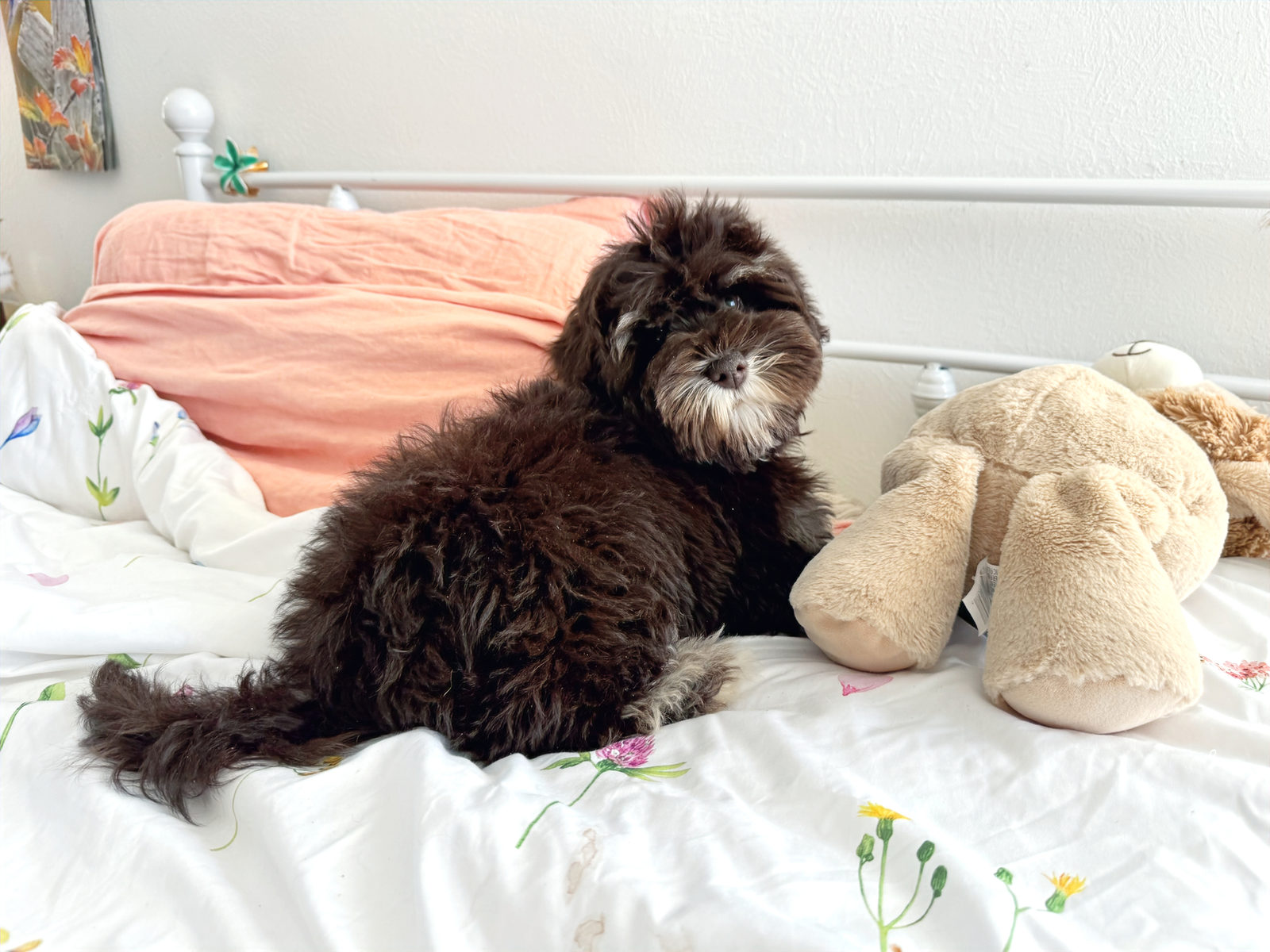
    Sheepadoodle puppy with soft puppy coat before adult transition

    Nearly all Sheepadoodle puppies start with a low-shed coat, regardless of what their adult coat will become.

    Why Coat Blow Causes Sudden Matting

    Here’s the part that surprises most owners: during coat blow, dead puppy hair often doesn’t fall out on its own. It stays woven into the incoming adult coat, and within a few weeks, a dog that’s never had a single mat can go from neck to tail in tangles.

    The transition typically starts at high-friction points — behind the ears, in the armpits, at the collar line, and anywhere a harness sits. If daily brushing wasn’t necessary before, this is the point where it usually becomes non-negotiable, at least temporarily.

    Do Sheepadoodles Have a “Shedding Season”?

    Beyond the one-time puppy transition, many double-coated and mixed-coat dogs also blow their undercoat seasonally, typically in spring and fall, as their body adjusts to changing temperatures. How noticeable this is in a Sheepadoodle depends heavily on coat type — curlier, more Poodle-influenced coats show far less seasonal shedding than looser, wavier ones.

    Sheepadoodle dog during seasonal shedding period

    Seasonal shedding is generally lighter in curlier-coated Sheepadoodles than in looser, wavier ones.

    Normal vs. Excessive Shedding

    According to PetMD, normal shedding is a gradual, even process, while excessive shedding often comes with other signs worth paying attention to.

    Normal Shedding

    • Gradual, even hair loss across the body
    • Coincides with coat blow (once, as a puppy) or seasonal change
    • No skin redness, bald patches, or excessive scratching

    Worth a Vet Visit

    • Sudden bald patches or thinning in one area
    • Redness, scabbing, or visible skin irritation
    • Increased scratching, licking, or chewing at the coat
    • Shedding well outside the expected transition or seasonal windows

    Common causes of excessive shedding include food sensitivities, parasites, allergies, and stress from a major life change like surgery or a new environment. If shedding seems disproportionate to what you’d expect from coat blow or seasonal change, it’s worth ruling these out with your veterinarian.

    Timing is a useful clue on its own. Shedding that lines up with the expected puppy transition window or the early spring and fall seasons is far more likely to be normal than shedding that starts suddenly, at an unusual time of year, with no obvious trigger.

    Healthy adult sheepadoodle dog with normal coat and shedding pattern

    A healthy coat sheds gradually and evenly — sudden bald patches or irritation are signs to check with a vet.

    Surviving the Coat Blow Period

    A few practical adjustments make the transition period considerably more manageable:

    1. Increase brushing to daily the moment you notice the transition starting, rather than waiting for visible mats to appear.
    2. Line-brush, don’t skim. Part the coat in sections and brush from skin outward, since surface brushing alone misses the loosened undercoat causing most of the problem.
    3. Check friction points first. Behind the ears, armpits, and the collar line mat fastest and are easy to miss during a quick brush.
    4. Consider a shorter trim during this period if daily brushing isn’t realistic — a shorter coat is easier to keep mat-free while the transition runs its course.
    5. Book a professional groomer more frequently, even if only temporarily, since dense transitional coats often need more than home tools can fully manage.
    Sheepadoodle puppy receiving daily brushing during coat transition period

    Daily brushing at the first sign of coat transition prevents the sudden matting that catches most new owners by surprise.

    Tools for Managing Seasonal Shedding

    An undercoat rake is the most useful tool specifically for shedding season, distinct from the everyday slicker brush and comb covered in our grooming guide. Undercoat rakes have long, spaced teeth designed to pull loose undercoat hair without cutting the topcoat.

    • Use weekly during active shedding periods, monthly otherwise — overuse can thin the coat unnecessarily.
    • Keep pressure light. Pressing hard compresses the coat rather than lifting loose hair.
    • Work in the direction of hair growth, in short, controlled strokes.
    Sheepadoodle dog groomed with undercoat rake during shedding season

    An undercoat rake, used gently and regularly, removes loose seasonal shedding without damaging the topcoat.

    Wondering What Coat Type to Expect?

    Coat and shedding patterns vary by litter. Reach out and we’re happy to talk through what a specific pairing has historically produced.

    Contact Sunshine Sheepadoodles

    Frequently Asked Questions

    At what age do Sheepadoodle puppies start shedding their puppy coat?

    Most begin the transition between 6 and 10 months old, with the full coat blow window typically lasting until around 14 months, though timing varies by individual dog.

    Why is my Sheepadoodle suddenly matting when it never did before?

    This is almost always the puppy-to-adult coat transition. Dead puppy hair stays woven into the incoming adult coat rather than falling out, quickly creating mats without daily brushing.

    Do all Sheepadoodles shed seasonally?

    To some degree, though it varies significantly by coat type. Curlier, more Poodle-influenced coats show much lighter seasonal shedding than looser, wavier coats.

    When should I be concerned about my Sheepadoodle’s shedding?

    If shedding comes with bald patches, skin redness, or excessive scratching, or seems disproportionate to normal coat blow or seasonal timing, it’s worth a veterinary visit to rule out allergies or skin conditions.

    For everyday grooming tools and technique, see our Sheepadoodle grooming guide, and check our coat colors and patterns guide if you’ve noticed your puppy’s color shifting during this transition too.